

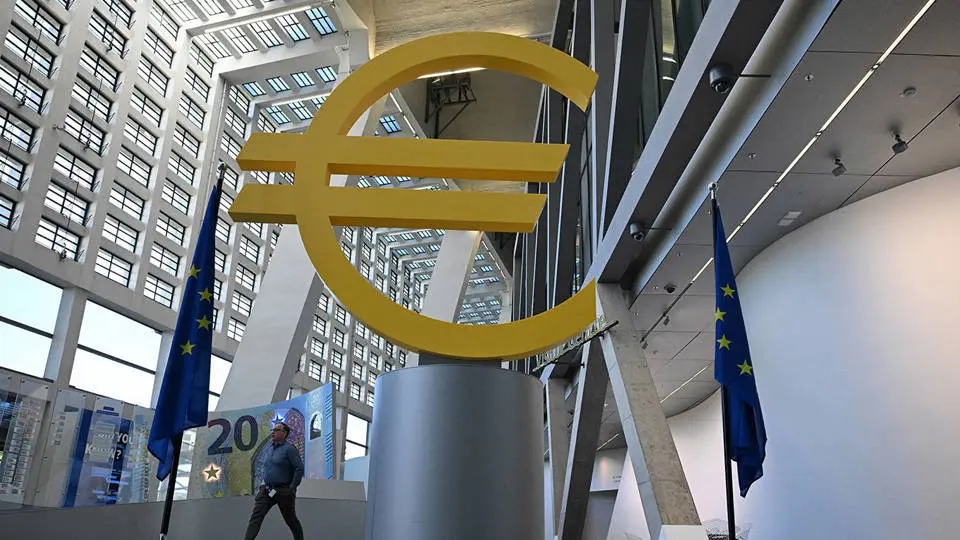
The global monetary order is in a state of flux, marked by increasing fragmentation and a re-evaluation of the dollar’s long-standing dominance. In this dynamic landscape, the euro stands as the most credible rival to the U.S. dollar. However, for the European currency to truly emerge as a counterweight, the European Union must fundamentally strengthen its financial underpinnings and strategically expand its reach. A critical first step in this ambitious undertaking involves ensuring that all member states, which are contractually obliged to adopt the euro, finally do so. This is not merely an economic question, but a geopolitical imperative that will define the EU’s influence in the 21st century.
The fragmentation of the global monetary system presents the European Union with a singular opportunity to actively shape the emerging international financial architecture. By bolstering the euro’s international standing, the EU can enhance its economic sovereignty and geopolitical leverage. However, the path to a genuinely global euro is contingent on its deeper entrenchment within the continent itself. The current situation, where several EU member states have yet to embrace the single currency despite their obligations, represents a significant impediment to this aspiration. Addressing this internal inconsistency is paramount before the euro can effectively project its power onto the global stage.
The Euro’s Current Standing and Future Potential
The euro, launched in 1999, has steadily grown in significance since its inception. It is the second most traded currency in the world, a reserve currency for a growing number of central banks, and the primary currency for a vast internal market encompassing over 340 million people. Its stability, backed by the economic might of the Eurozone, has provided a crucial anchor in an often volatile global economy. However, its international role, while substantial, still lags significantly behind that of the U.S. dollar.
Data from the Bank for International Settlements (BIS) Triennial Central Bank Survey of Foreign Exchange and Over-the-Counter (OTC) Derivatives Markets consistently shows the euro as the second most traded currency, accounting for approximately 31% of global foreign exchange turnover in the 2022 survey, compared to the U.S. dollar’s 88%. While this highlights the euro’s importance, it also underscores the considerable gap that remains. Furthermore, the euro’s share in global foreign exchange reserves, while significant, has seen some fluctuations. According to the International Monetary Fund’s (IMF) COFER (Currency Composition of Official Foreign Exchange Reserves) data, the euro’s share has hovered around 20-21% in recent years, a testament to its importance but still considerably less than the dollar’s dominance, which typically exceeds 58%.
The Unfinished Project: Euro Adoption Within the EU
The Treaty on the Functioning of the European Union (TFEU) mandates that all member states should adopt the euro once they meet the convergence criteria. This commitment is a cornerstone of European economic integration. However, a number of EU member states, particularly those that joined the Union after the euro’s introduction, have yet to fully transition. These include countries like Denmark, which has an opt-out, and others such as Poland, Czech Republic, Hungary, Romania, Bulgaria, and Sweden, who have not yet met the necessary economic conditions or have delayed their accession.
The reasons for this delayed adoption are multifaceted. They often involve concerns about relinquishing national monetary policy independence, perceived economic disadvantages in the short term, and a lack of political will or public consensus. However, from a macroeconomic perspective, delaying euro adoption can lead to several drawbacks. It perpetuates exchange rate volatility between member states, creates transaction costs for businesses operating across borders, and hinders the full realization of the single market’s benefits. Moreover, it dilutes the collective economic strength of the Eurozone and, by extension, the euro’s global standing.
Strengthening the Financial Foundations
For the euro to become a true global competitor, the EU must undertake significant structural reforms to solidify its financial architecture. This involves several key areas:
Deepening Capital Markets Union (CMU)
The Capital Markets Union is a critical initiative aimed at creating a single, integrated market for capital across the EU. A more developed CMU would facilitate cross-border investment, provide businesses with greater access to diverse sources of funding, and reduce reliance on bank lending. This would not only foster economic growth within the EU but also make the euro a more attractive currency for international investors seeking diversified and liquid investment opportunities. Progress on the CMU has been gradual, but renewed impetus is needed to unlock its full potential. Enhancements to the CMU could include harmonizing insolvency regimes, simplifying cross-border clearing and settlement, and developing pan-European pension funds.
Enhancing Fiscal Integration and Stability Mechanisms
While full fiscal union remains a politically sensitive topic, a greater degree of fiscal coordination and robust stability mechanisms are essential. The existing framework, including the Stability and Growth Pact, has faced challenges in ensuring consistent adherence and effective enforcement. Strengthening these mechanisms, perhaps through a more unified approach to sovereign debt management or a more potent fiscal capacity at the EU level, would enhance the euro’s perceived safety and reliability. The experience of the sovereign debt crisis in the early 2010s underscored the need for stronger shock absorption capabilities within the Eurozone.
Promoting the Euro as an International Reserve Currency
Beyond internal reforms, the EU must actively promote the euro’s use in international transactions and as a reserve currency. This could involve diplomatic efforts to encourage its inclusion in the reserve portfolios of more central banks, as well as developing euro-denominated financial products that are attractive to international investors. The EU could also explore ways to facilitate euro-denominated trade invoicing, mirroring efforts by other major economic blocs to increase the international use of their currencies.
Expanding Reach: The Imperative of Full Euro Adoption
The most immediate and tangible step towards strengthening the euro’s global position is the completion of its internal adoption. When member states join the EU, they sign up to a process that ultimately leads to euro adoption. For countries that have not yet adopted the euro, fulfilling this commitment would:
- Enhance Internal Market Functionality: Eliminating currency exchange rates and associated transaction costs within the EU would further streamline trade and investment, leading to greater economic efficiency and growth. Businesses would benefit from price stability and predictability, encouraging cross-border commerce.
- Boost Economic Stability and Convergence: Adopting the euro often necessitates adherence to strict fiscal and monetary policies, which can contribute to macroeconomic stability and convergence among member states. This process can help countries reduce inflation, control deficits, and improve their overall economic health.
- Increase the Euro’s Global Weight: A larger Eurozone means a larger economic and financial bloc. This would naturally enhance the euro’s significance in global trade, finance, and as a reserve currency. The collective economic weight of a fully integrated Eurozone would present a more formidable challenge to the dollar’s dominance.
- Strengthen Political Cohesion: The act of adopting the euro can be seen as a symbol of deep commitment to European integration. Full adoption by all eligible member states would signal a united front and a shared destiny, reinforcing political cohesion within the Union.
Potential Reactions and Implications
The push for full euro adoption and a stronger global euro is likely to elicit varied reactions.
From Member States Yet to Adopt: Those countries that have delayed adoption will face increased pressure from Brussels and other member states. Their governments may engage in intensified debates about the economic and political costs and benefits, potentially leading to renewed efforts to meet convergence criteria or to articulate clearer justifications for their continued hesitation. Public opinion within these countries will also play a crucial role.
From International Financial Institutions: The IMF and other global financial bodies would likely welcome a more stable and diversified global monetary system. A stronger euro would provide more options for central banks and international investors, potentially reducing systemic risk associated with over-reliance on a single currency.
From Global Investors and Businesses: For international investors, a more robust and liquid euro market would offer attractive diversification opportunities. Businesses engaged in international trade and finance would benefit from reduced currency risk and transaction costs when dealing with a larger Eurozone.
From Other Major Economic Blocs: Countries and economic blocs that are seeking to diversify away from dollar dependence might view the euro’s ascent with interest, potentially fostering new trade and financial partnerships denominated in euros.
A Strategic Path Forward
The European Union stands at a critical juncture. The fragmentation of the global monetary order is not a temporary anomaly but a potentially lasting shift. To navigate this evolving landscape effectively, the EU must prioritize the strengthening of its internal economic and financial structures. The most impactful and immediate step is to ensure that all member states fulfill their obligation to adopt the euro.
This requires a concerted effort involving both institutional reforms and political will. The European Commission, the European Central Bank, and national governments must collaborate to address the remaining barriers to euro adoption. This could involve tailored support packages for countries struggling to meet convergence criteria, alongside clear communication campaigns to build public support.
Simultaneously, the EU must accelerate its efforts to deepen the Capital Markets Union and enhance its fiscal stability mechanisms. These initiatives, coupled with a proactive strategy to promote the euro’s international use, will be crucial in transforming the euro from a significant regional currency into a true global counterweight to the U.S. dollar. The journey towards a more influential euro is intrinsically linked to the completion of the European project itself. By embracing this challenge, the EU can not only secure its economic future but also play a more decisive role in shaping the global order of the 21st century.
