

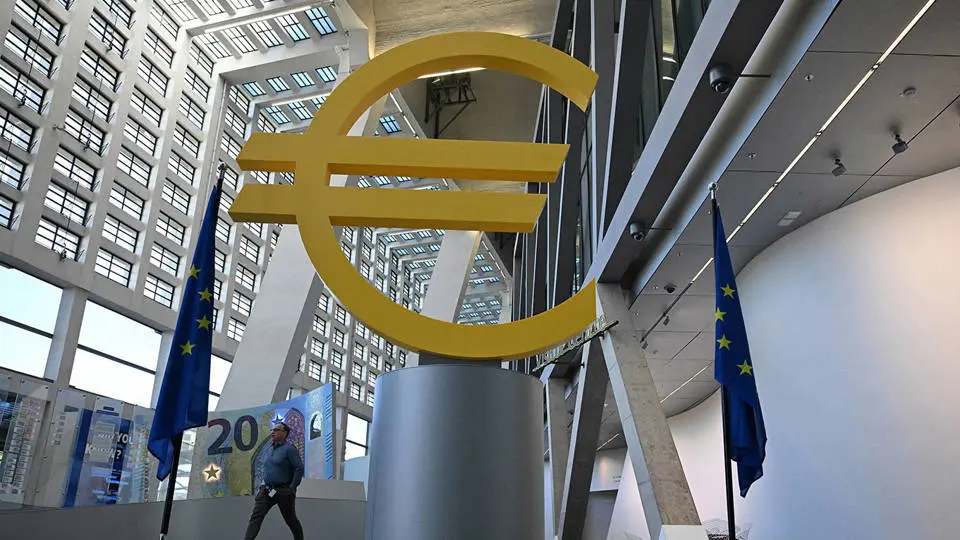
The global monetary order is undergoing a seismic shift, characterized by increasing fragmentation and the emergence of competing currency blocs. In this dynamic landscape, the euro stands as the U.S. dollar’s most credible rival. However, for the single European currency to truly fulfill its potential as a genuine counterweight to the greenback, the European Union must embark on a strategic path of strengthening its financial foundations and expanding its reach. A crucial first step in this ambitious endeavor involves compelling member states that have not yet adopted the euro, despite their treaty obligations, to integrate fully into the eurozone. This pivotal move, coupled with broader economic and institutional reforms, is essential for unlocking the euro’s global influence and securing its long-term viability in an evolving international financial system.
The Imperative of a More European Euro
LONDON – As the world grafles with an increasingly fractured monetary system, the European Union finds itself presented with a singular opportunity to influence the emerging global financial architecture and elevate the euro’s international standing. The current geopolitical climate, marked by a re-evaluation of global dependencies and a surge in economic nationalism, has underscored the limitations of a dollar-centric world order for many nations. This has, in turn, created fertile ground for alternative reserve currencies and payment systems. However, the path to global recognition for the euro is not merely about external engagement; it necessitates a profound deepening of its European identity and utility. For the euro to transcend its current status and become a truly global currency, it must first and foremost solidify its position as the undisputed currency of an economically integrated Europe.
This internal consolidation involves addressing a persistent anomaly within the European Union: the continued presence of member states that are legally bound to adopt the euro but have, for various reasons, deferred this commitment. These nations, while benefiting from the broader advantages of EU membership, remain outside the eurozone’s direct monetary and financial sphere. This creates a fragmented economic landscape that ultimately weakens the euro’s collective strength and undermines its potential as a unified economic force. The strategic imperative for the EU, therefore, is to catalyze the accession of these remaining members into the eurozone, thereby presenting a more cohesive and robust economic bloc to the global stage.
Historical Context: The Euro’s Journey and the Lingering Challenge
The euro was launched on January 1, 1999, as an accounting currency and introduced as physical cash on January 1, 2002. Its inception marked a watershed moment in European integration, symbolizing a commitment to economic and monetary union. The initial wave of adoptions saw twelve member states embracing the single currency. Over the subsequent decades, the eurozone has expanded, with several countries joining the monetary union. However, a core group of EU member states, primarily from Central and Eastern Europe, have yet to meet the convergence criteria or politically opt out of adopting the euro.
These countries, such as Poland, the Czech Republic, Hungary, Romania, Bulgaria, and Sweden, are legally obliged to join the eurozone under the terms of their accession treaties. Their continued non-participation creates several economic frictions. Firstly, it necessitates the use of multiple currencies within the EU’s single market, complicating trade, investment, and price transparency. Businesses operating across these borders face currency conversion costs and exchange rate risks, which can deter cross-border economic activity and investment. Secondly, it dilutes the euro’s overall economic weight and its potential as a global reserve currency. A larger eurozone would command greater influence in international financial institutions and provide a more substantial alternative to the dollar in global trade and finance.
The Economic Rationale for Full Eurozone Integration
The economic arguments for these remaining member states to adopt the euro are compelling. By joining the eurozone, these countries would:
- Eliminate Exchange Rate Risks: Businesses and individuals would no longer be exposed to fluctuations between their national currency and the euro. This would foster greater certainty for investment and trade, making cross-border transactions more predictable and less costly. For instance, a Polish company exporting to Germany would no longer need to hedge against potential zloty depreciation against the euro, leading to improved profit margins and competitiveness.
- Lower Transaction Costs: The elimination of currency exchange fees and the simplification of cross-border payments would directly reduce costs for businesses and consumers. This is particularly relevant for small and medium-sized enterprises (SMEs) that may lack the resources to manage complex currency hedging strategies.
- Enhance Price Transparency: A single currency across a larger bloc would make it easier for consumers and businesses to compare prices for goods and services, fostering greater competition and potentially leading to lower prices.
- Attract Greater Foreign Direct Investment (FDI): A larger, more integrated eurozone is perceived as a more stable and attractive destination for foreign investment. Investors gain confidence from the reduced currency risk and the deeper capital markets associated with a unified monetary area. Data from Eurostat consistently shows that eurozone members tend to attract higher levels of FDI compared to non-eurozone EU states.
- Benefit from Deeper Capital Markets: The euro’s liquidity and the depth of eurozone capital markets provide greater opportunities for businesses to raise capital and for investors to diversify their portfolios. Full integration would further deepen these markets, offering enhanced financial sophistication.
- Strengthen the Euro’s Global Standing: As more economies adopt the euro, its collective weight in global trade, finance, and as a reserve currency increases. This can provide a more balanced global monetary system, reducing reliance on any single currency and offering greater stability in times of global economic uncertainty.
Navigating the Path Forward: Policy Implications and Potential Challenges
The path to full eurozone integration for the remaining member states is not without its complexities. Each country faces unique economic circumstances and political considerations that must be addressed.
Convergence Criteria and Economic Reforms
The Maastricht Treaty sets out convergence criteria that aspiring eurozone members must meet. These include:
- Price Stability: Inflation rates should not exceed 1.5 percentage points above the average inflation rate of the three EU Member States with the lowest inflation rates.
- Sound Public Finances: Government deficit should not exceed 3% of GDP, and government debt should not exceed 60% of GDP.
- Exchange Rate Stability: The national currency must have remained within the normal fluctuation margins of the European Exchange Rate Mechanism (ERM II) for at least two years without severe tensions.
- Long-Term Interest Rates: Long-term interest rates should not exceed 2 percentage points above the average long-term interest rates of the three EU Member States with the lowest inflation rates.
Some of the non-eurozone EU members have made significant progress in meeting these criteria, while others face structural challenges. For example, countries with persistent high inflation or large fiscal deficits will require sustained commitment to economic reforms, fiscal discipline, and structural adjustments. The European Central Bank (ECB) and the European Commission play a crucial role in monitoring progress and providing guidance and support to these countries.
Political Will and Public Acceptance
Beyond economic metrics, political will and public acceptance are vital. Governments in these countries must demonstrate a clear commitment to euro adoption and effectively communicate its benefits to their citizens. Concerns about the loss of national monetary policy independence and potential price increases following the currency change have, in some instances, led to public skepticism. Therefore, comprehensive public information campaigns and a phased approach to the transition can help build consensus and alleviate anxieties.
Institutional Strengthening of the Eurozone
Beyond the accession of new members, the euro’s global ambition requires a parallel strengthening of the eurozone’s own institutional framework. This includes:
- Deepening the Banking Union: Completing the Banking Union, particularly with a fully functional European Deposit Insurance Scheme (EDIS), is crucial for enhancing financial stability and resilience within the eurozone. This would further reduce the risk of sovereign-bank doom loops, where the health of banks and governments are intertwined.
- Developing Capital Markets Union (CMU): The CMU aims to create a single market for capital across the EU, making it easier for businesses to access funding and for investors to deploy capital. A more integrated capital market would increase the euro’s attractiveness as an investment currency and provide alternative funding sources to the dollar.
- Strengthening Fiscal Coordination: While national fiscal policies remain largely independent, greater coordination and the establishment of common fiscal capacity could enhance the eurozone’s ability to respond to asymmetric shocks and support economic stability.
- Enhancing the Euro’s Role in International Payments and Reserves: The EU and the ECB are actively working to promote the euro’s use in international trade invoicing, cross-border payments, and as a reserve currency. This involves initiatives to improve the euro’s accessibility for non-eurozone countries and to develop alternative payment systems that bypass dollar-centric infrastructure.
Expert Perspectives and Future Outlook
Economists and international finance experts broadly agree on the potential benefits of a more integrated and robust eurozone. Dr. Anya Sharma, a senior fellow at the Global Economic Institute, notes, "The current geopolitical climate, with its emphasis on de-dollarization and the search for greater monetary autonomy, presents a unique window of opportunity for the euro. However, this opportunity is not a given. It requires decisive action on internal reforms and a clear strategic vision."
Another analyst, Professor Kenji Tanaka from the Tokyo School of Economics, highlights the interconnectedness of these reforms: "The success of the euro as a global currency is intrinsically linked to the economic health and institutional strength of the EU as a whole. The full integration of all member states into the eurozone is a critical, albeit challenging, step in building a truly credible alternative to the dollar."
The timeline for these developments remains fluid. While some member states are actively pursuing convergence, the process is inherently gradual, requiring sustained economic performance and political commitment. However, the momentum towards a more multipolar global monetary system suggests that the impetus for strengthening the euro will only grow.
Broader Impact and Implications
The successful elevation of the euro to a true global counterweight to the dollar would have profound implications:
- Reduced Global Financial Instability: A more diversified international monetary system would be less susceptible to shocks originating from a single currency’s dominance. This could lead to greater global financial stability and a more predictable international economic environment.
- Enhanced European Economic Sovereignty: A stronger euro would grant Europe greater influence in global economic governance and reduce its vulnerability to external monetary policies.
- Shift in Global Trade Dynamics: Increased use of the euro in international trade invoicing could lead to a more balanced global trade landscape, with reduced reliance on dollar-denominated transactions.
- Implications for Emerging Markets: Developing economies might find a stronger euro offers greater flexibility and choice in managing their foreign exchange reserves and trade finance, potentially leading to more tailored economic development strategies.
In conclusion, the euro’s journey to becoming a genuine global counterweight to the dollar is intrinsically tied to its ability to become more "European." This entails not only deepening its internal market and financial architecture but also ensuring that all member states, bound by treaty, fully embrace the single currency. The path ahead demands strategic vision, robust economic reforms, and unwavering political will, but the potential rewards for Europe and the global financial order are substantial. The coming years will be crucial in determining whether the euro can seize this historic opportunity and redefine its place on the world stage.
