

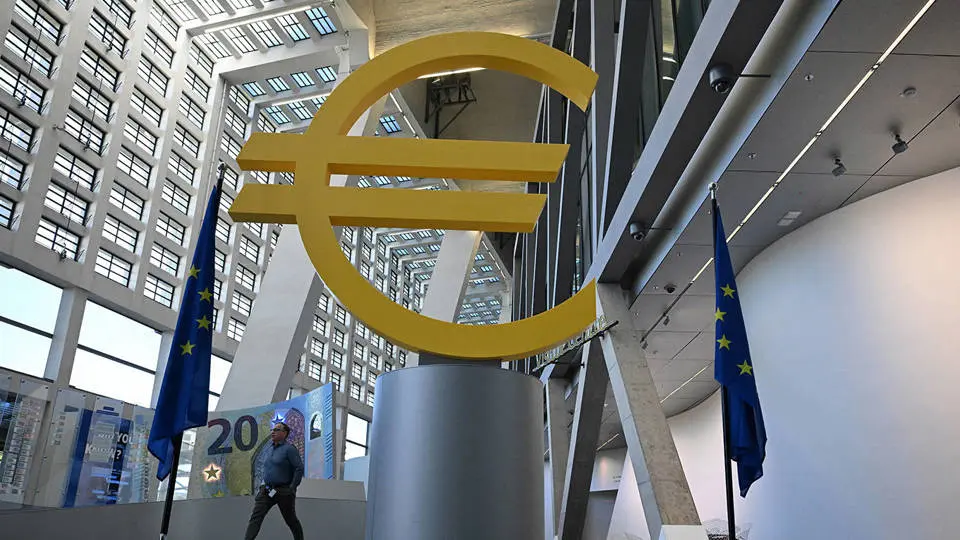
The global monetary order is undergoing a profound and accelerating transformation, marked by increasing fragmentation and the emergence of competing currency blocs. In this evolving landscape, the euro stands as the most credible challenger to the long-standing dominance of the U.S. dollar. However, for the European single currency to truly fulfill its potential as a genuine counterweight to the greenback, the European Union must undertake a series of strategic initiatives to strengthen its financial foundations and broaden its international reach. A critical first step in this ambitious endeavor is to ensure that all member states, particularly those that have not yet adopted the euro despite their treaty obligations, embrace the currency. This strategic imperative is not merely an economic aspiration; it is a geopolitical necessity for the EU to assert its influence in a multipolar world.
The Shifting Sands of Global Finance
The current international monetary system, largely established in the Bretton Woods era, has long been characterized by the dollar’s preeminence. This dominance has conferred significant advantages upon the United States, including lower borrowing costs and a privileged position in international trade and finance. However, recent geopolitical shifts, the rise of new economic powers, and growing concerns about the weaponization of financial sanctions have fueled a desire among many nations to diversify their currency reserves and reduce their reliance on the dollar. This has created a fertile ground for alternative currency blocs to gain traction.
The euro, as the currency of one of the world’s largest and most developed economic areas, is uniquely positioned to capitalize on this trend. The European Union boasts a combined GDP that rivals that of the United States and is a major player in global trade. The euro’s established stability, backed by the robust economies of its member states, makes it an attractive alternative for international transactions and reserve holdings.
The Imperative of European Monetary Union
Despite its inherent strengths, the euro’s international role is currently constrained by an incomplete monetary union. While the currency has achieved widespread adoption within the EU, a significant number of member states, particularly those that joined the Union more recently, have yet to fully integrate into the eurozone. These countries, while legally obliged to adopt the euro upon meeting convergence criteria, have, for various reasons including political considerations and public sentiment, delayed their transition. This partial adoption creates a less unified and, therefore, less potent economic bloc than a fully integrated eurozone would represent.
The economic rationale for universal euro adoption is compelling. A complete monetary union would eliminate currency conversion costs and exchange rate volatility within the EU, fostering greater intra-European trade and investment. It would also present a more unified front to the global financial community, enhancing the euro’s credibility and attractiveness as a reserve currency. From a geopolitical perspective, a fully unified eurozone would bolster the EU’s collective economic and political leverage on the world stage, enabling it to act with greater autonomy and influence.
A Timeline of Euro Integration and Challenges
The journey of the euro has been marked by significant milestones and persistent challenges. Launched as an accounting currency in 1999 and introduced in physical form in 2002, the euro was a monumental achievement in European integration. The initial wave of adoptions saw core EU economies embracing the currency, laying the groundwork for a more unified economic future.
However, the process of accession for new member states has been more protracted. The convergence criteria, outlined in the Maastricht Treaty, require countries to demonstrate price stability, sound public finances, stable exchange rates, and low long-term interest rates. While many new member states have made substantial progress in meeting these requirements, political will and public opinion have often been significant hurdles.
For instance, countries like Poland, the Czech Republic, and Hungary, all significant economies within the EU, currently retain their national currencies. Their accession to the eurozone has been repeatedly postponed, with various governments citing concerns about the impact on national competitiveness, potential price increases, and a perceived loss of economic sovereignty.
Key Dates in Euro Adoption (Illustrative):
- 1999: Introduction of the euro as an accounting currency.
- 2002: Introduction of euro banknotes and coins in the initial 12 member states.
- 2007 onwards: Subsequent waves of new member states adopting the euro, including Slovenia (2007), Cyprus and Malta (2008), Slovakia (2009), Estonia (2011), Latvia (2014), and Lithuania (2015).
- Ongoing: Several member states continue to operate with their national currencies, facing ongoing discussions and assessments regarding their readiness and commitment to euro adoption.
Supporting Data and Economic Implications
The economic impact of a fully integrated eurozone would be substantial. Analysis from institutions like the European Central Bank (ECB) and the International Monetary Fund (IMF) consistently highlights the benefits of eliminating exchange rate risks within the bloc. For example, studies have shown that the existence of the euro has already led to increased intra-eurozone trade, estimated to be between 5% and 10% higher than it would be without a common currency.
Furthermore, a more unified eurozone would likely enhance the euro’s attractiveness as a global reserve currency. Currently, the euro holds a significant, but secondary, position behind the dollar. According to the Bank for International Settlements (BIS), the euro accounts for approximately 20% of global foreign exchange reserves, compared to the dollar’s roughly 60%. Expanding the eurozone would likely lead to an increase in this share, thereby reducing the EU’s exposure to dollar-denominated risks and increasing its financial autonomy.
The adoption of the euro by all member states would also simplify cross-border investment and capital flows, making the EU a more attractive destination for foreign direct investment. This would lead to greater economic convergence among member states and foster a more dynamic and resilient European economy.
Official Responses and Strategic Pathways
The European Commission and the European Central Bank have consistently advocated for the full adoption of the euro by all member states. Their messaging emphasizes the long-term economic benefits and the strategic importance of a unified currency for the EU’s global standing.
- European Commission: The Commission regularly assesses the progress of non-eurozone member states towards convergence and encourages them to meet the necessary criteria. It provides technical assistance and policy guidance to support their transition. Officials frequently reiterate that the euro is not just an economic project but a cornerstone of European integration and identity.
- European Central Bank (ECB): The ECB plays a crucial role in overseeing monetary policy for the eurozone. It has consistently underscored the economic advantages of a larger, more integrated monetary union. The ECB’s mandate includes promoting the smooth functioning of the financial system, and a wider eurozone would contribute to this objective by reducing financial fragmentation.
However, the ultimate decision to adopt the euro rests with the national governments of the member states. This often involves complex domestic political considerations, including public opinion and the perceived impact on national economies. Therefore, the path forward requires not only economic convergence but also strong political leadership and effective communication to garner public support.
Broader Impact and Implications for Global Monetary Order
The strengthening of the euro and its potential to become a more significant global currency has profound implications for the international monetary system.
1. Diversification of Reserve Currencies: A more prominent euro would accelerate the trend of central banks diversifying their foreign exchange reserves away from a sole reliance on the dollar. This would lead to a more balanced and stable international monetary system, reducing the systemic risk associated with the dominance of a single currency.
2. Reduced Impact of U.S. Monetary Policy: The global economy is heavily influenced by the monetary policy decisions of the U.S. Federal Reserve. A stronger euro would provide an alternative anchor for global monetary conditions, potentially mitigating the impact of U.S. policy shifts on other economies.
3. Enhanced Geopolitical Influence: The ability to conduct international trade and finance in one’s own currency is a significant source of geopolitical power. A more globally accepted euro would enhance the EU’s ability to pursue its foreign policy objectives and exert greater influence on the global stage, independent of U.S. policy.
4. Potential for New Financial Architectures: The rise of competing currency blocs could spur innovation in international financial architecture. We might see the development of new payment systems, clearing mechanisms, and financial instruments that are less reliant on traditional dollar-centric infrastructure.
5. Challenges and Risks: It is important to acknowledge that this transition is not without its challenges. A more fragmented dollar dominance could lead to increased currency volatility and potential trade disputes. Furthermore, the internal cohesion of the eurozone itself needs to be continuously reinforced to withstand external shocks and maintain its credibility.
In conclusion, the euro’s journey towards becoming a genuine global counterweight to the dollar is a critical undertaking for the European Union. By prioritizing the completion of its monetary union, particularly by ensuring all member states embrace the euro, the EU can solidify its economic foundations, enhance its global standing, and contribute to a more balanced and stable international monetary order. This strategic imperative demands a concerted effort from both EU institutions and national governments to navigate the economic, political, and social complexities inherent in this ambitious goal. The coming years will be pivotal in determining whether the euro can indeed fulfill its promise as a truly global currency.
