

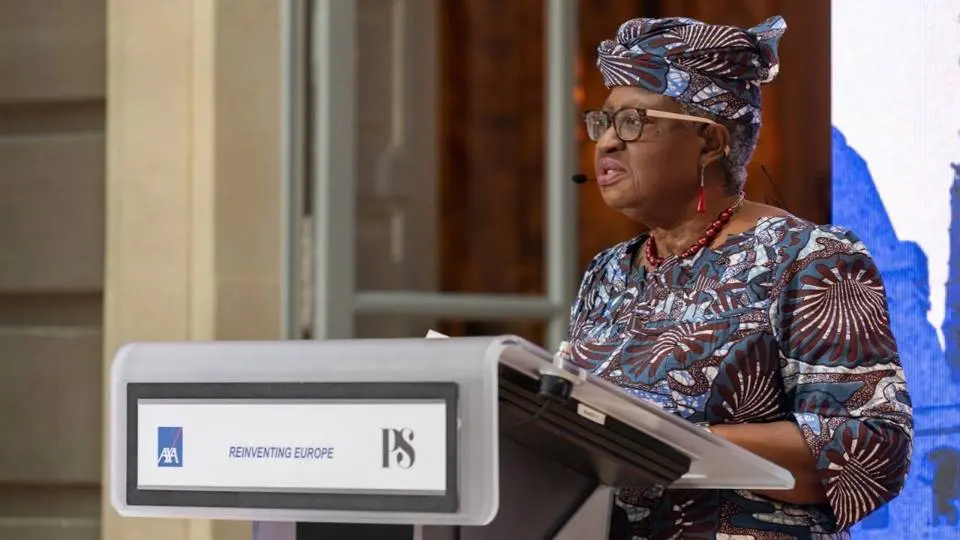
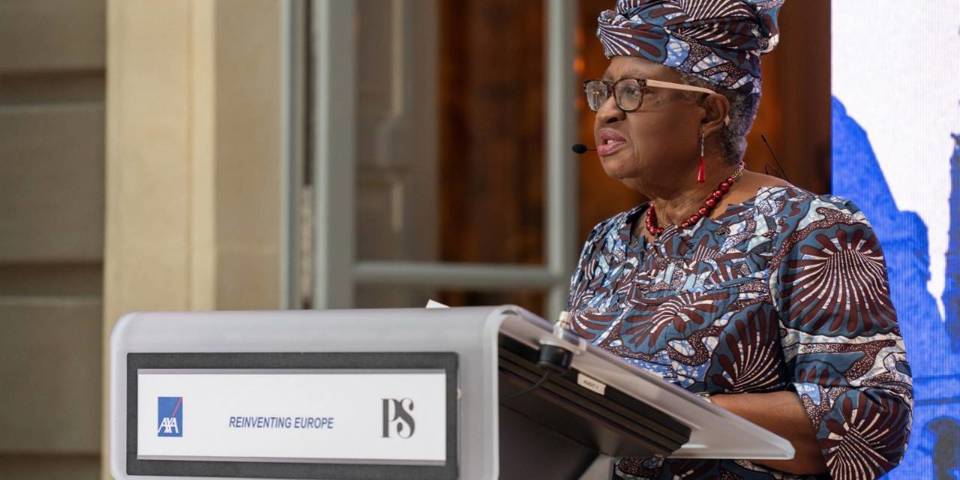
World Trade Organization (WTO) Director-General Ngozi Okonjo-Iweala delivered a compelling keynote address at a recent "Reinventing Europe" event, urging a pragmatic approach to economic reform that acknowledges existing strengths while strategically pursuing new opportunities. Her remarks, delivered on October 23, 2026, underscored the resilience of the global trading system and highlighted Europe’s significant, yet often underestimated, position as a global trade powerhouse and a leader in scientific innovation. The event, hosted by Project Syndicate, aimed to foster dialogue on the future trajectory of the European economy in an increasingly complex geopolitical and economic landscape.
Okonjo-Iweala’s central thesis challenged the prevailing narrative of European economic decline, arguing that a focus on "reinvention" should not come at the expense of recognizing and building upon established successes. "When we talk about ‘reinvention’ we often overlook what works," she stated, a sentiment that resonated throughout her address. This perspective was particularly relevant to the global trading system, which has demonstrated a surprising capacity to withstand recent shocks, including trade tensions and the lingering effects of the COVID-19 pandemic. The WTO, under her leadership, has been instrumental in navigating these challenges, emphasizing the importance of multilateralism and predictable trade rules.
Europe’s Enduring Strengths: Beyond the Tech Giants
While acknowledging that Europe may not boast the same concentration of dominant tech giants as the United States or China, Okonjo-Iweala emphasized that this does not diminish its overall economic prowess. Europe’s strength lies in its robust industrial base, its commitment to research and development, and its established position in global value chains. The European Union, as a bloc, remains one of the world’s largest economies and a crucial player in international trade, consistently ranking among the top exporters and importers of goods and services.
Data from the European Commission consistently shows the EU as a leading global trading partner, with significant trade surpluses in sectors like machinery, chemicals, and pharmaceuticals. In 2025, for instance, EU exports of goods reached approximately €2.5 trillion, underscoring its vital role in global commerce. Furthermore, Europe’s investment in scientific research and innovation, particularly in fields such as green technology, advanced manufacturing, and biotechnology, positions it well for future growth, even if these strengths are not always as visibly dominant as the digital platforms of other global economic powers.
The Imperative for Measured Reform and Strategic Partnerships
Despite these inherent strengths, Okonjo-Iweala cautioned that Europe must not become complacent. She outlined areas where improvements in external competitiveness are necessary, particularly in navigating the evolving landscape of digital trade and ensuring a level playing field in international markets. However, she strongly advised against a reactive or panicked approach to these challenges. Instead, she advocated for "measured reforms" that are strategic, evidence-based, and designed to enhance Europe’s long-term economic vitality.
A key component of this strategy, according to the WTO Director-General, lies in forging closer trade and investment ties with Africa. This recommendation is particularly timely given Africa’s rapidly growing population, its increasing integration into the global economy, and its vast untapped potential. The African Continental Free Trade Area (AfCFTA), launched in 2020, represents a monumental step towards creating a single market for goods and services across the continent, promising to unlock significant economic opportunities.
Bridging the Atlantic: A New Era of EU-Africa Cooperation
Okonjo-Iweala highlighted the mutual benefits of deepening economic linkages between Europe and Africa. For Europe, closer ties with Africa offer access to new markets, a growing consumer base, and opportunities for investment in critical sectors such as renewable energy, infrastructure, and digital services. For Africa, enhanced trade and investment from Europe can provide capital, technology, and expertise, accelerating its development and integration into global value chains.
This vision aligns with the growing recognition within the EU of Africa as a key strategic partner. The EU’s "Global Gateway" initiative, launched in 2021, aims to mobilize substantial investments in infrastructure, digital connectivity, climate action, and sustainable development across the globe, with a significant focus on Africa. Okonjo-Iweala’s call for closer ties echoes this sentiment, suggesting a more integrated and collaborative approach that moves beyond traditional aid models towards genuine economic partnership.
Background and Context of the "Reinventing Europe" Event
The "Reinventing Europe" event, part of Project Syndicate’s ongoing series of high-level discussions, brought together policymakers, business leaders, academics, and international organization representatives to deliberate on the future of the European economy. Held against a backdrop of persistent geopolitical tensions, energy security concerns, and the ongoing transition towards a green and digital economy, the event sought to identify actionable strategies for Europe to navigate these complex challenges and secure its long-term prosperity.
Previous discussions within the series have often focused on the need for structural reforms, enhanced innovation, and a more cohesive European economic policy. However, Okonjo-Iweala’s intervention offered a distinct perspective, emphasizing the importance of leveraging existing strengths and fostering strategic partnerships rather than solely focusing on perceived weaknesses. The timing of her address, in late 2026, also suggests a forward-looking perspective, looking beyond immediate economic fluctuations to shape Europe’s trajectory for the coming decade and beyond.
Timeline of Key Developments in European Economic Strategy and Global Trade:
- 2019-2020: Intensified global trade tensions and the initial impacts of the COVID-19 pandemic highlight vulnerabilities in global supply chains and the need for resilience.
- January 2020: The African Continental Free Trade Area (AfCFTA) officially enters into force, signaling a new era of intra-African trade and economic integration.
- 2021: The European Union launches its "Global Gateway" strategy, emphasizing sustainable infrastructure and digital connectivity, with a significant focus on Africa.
- 2022-2023: Geopolitical events, including the war in Ukraine, lead to significant disruptions in energy markets and underscore the importance of diversifying trade relationships and securing supply chains.
- Throughout 2024-2025: Discussions intensify within the EU regarding strategies to enhance competitiveness, particularly in the digital and green technology sectors, and to foster greater economic sovereignty.
- October 2026: WTO Director-General Ngozi Okonjo-Iweala delivers her keynote address at the "Reinventing Europe" event, advocating for a pragmatic approach that builds on existing strengths and emphasizes strategic partnerships, particularly with Africa.
Supporting Data and Analysis:
The resilience of the global trading system, as noted by Okonjo-Iweala, can be partially attributed to the adaptability of businesses and the continued importance of established trade frameworks. Despite disruptions, global trade volumes have shown a remarkable ability to recover. According to the WTO’s latest projections (as of late 2026), merchandise trade growth is expected to remain positive, albeit at a moderate pace, reflecting ongoing demand and the gradual easing of supply chain bottlenecks.
Europe’s role as a scientific and research leader is supported by consistent investment in R&D. The EU’s total R&D expenditure as a percentage of GDP has remained a significant driver of innovation. For example, in 2025, R&D investment across the EU reached an estimated €330 billion, representing approximately 2.2% of GDP. This sustained investment fuels advancements in critical sectors, from renewable energy technologies that are crucial for the green transition to cutting-edge medical research.
The potential of the EU-Africa economic partnership is substantial. Africa’s projected economic growth, coupled with its young and expanding workforce, presents a significant market opportunity for European businesses. Conversely, European investment in African infrastructure and industrial development can unlock new production capacities and create mutually beneficial trade flows. The AfCFTA alone is projected to boost intra-African trade by over 60% by 2035, creating a more integrated and attractive market for foreign investment.
Broader Impact and Implications:
Okonjo-Iweala’s call for a more balanced approach to "reinventing Europe" has significant implications for the continent’s economic future and its role in the global order. By emphasizing existing strengths, she encourages a more confident and strategic approach to policy-making, rather than one driven by a sense of crisis. This perspective can foster greater investment in sectors where Europe already excels, such as advanced manufacturing, high-value services, and sustainable technologies.
The emphasis on closer ties with Africa is particularly transformative. It signals a shift towards a more equitable and mutually beneficial partnership, moving away from historical dependencies. Such a deepened relationship could lead to increased investment in African economies, fostering job creation and sustainable development on the continent. For Europe, it opens up new avenues for trade, investment, and collaboration, contributing to its own economic growth and diversification.
Furthermore, Okonjo-Iweala’s remarks reinforce the importance of the multilateral trading system, embodied by the WTO. In an era of increasing protectionism and geopolitical fragmentation, her advocacy for a resilient and rules-based global trade framework is crucial. It suggests that Europe’s path to enhanced competitiveness and prosperity lies not in isolation, but in active engagement with the global economy, strengthened by strategic partnerships and a commitment to international cooperation. The video of her address, available for viewing, offers a comprehensive exploration of these critical themes.
