

The global landscape has been irrevocably reshaped by a series of unprecedented shocks over the past two decades, ranging from protracted international conflicts in Iraq, Ukraine, and the Middle East to the seismic impact of a global financial crisis, a devastating pandemic, and the disruptive influence of a renegade American presidency. Amidst this era of profound volatility, a less openly discussed yet potentially cataclysmic event looms on the horizon: an impending economic and political "perfect storm" poised to engulf China, with profound and far-reaching global repercussions. If current trajectories persist, the Chinese state faces the stark prospect of a destabilizing political succession crisis, a significantly weakened economy, and a dwindling capacity to wield power both domestically and on the international stage.
The Trifecta of Threats: Succession, Economy, and Resources
The confluence of these three potent forces – a fragile political transition, a contracting economy, and diminishing resource availability – presents a formidable challenge to the Chinese Communist Party (CCP) and its ability to maintain stability and project influence.
The Specter of Political Succession Crisis
The tightly controlled political system in China, characterized by a singular, dominant leader in Xi Jinping, offers a stark contrast to more democratic models. However, this concentration of power, while appearing to ensure stability in the short term, harbors the inherent risk of a severe succession crisis. Unlike in many Western democracies where leadership transitions are institutionalized and often predictable, China’s opaque system leaves the future leadership landscape uncertain.
Historical Context: For decades, China adhered to a norm of a ten-year tenure for top leaders, facilitating a more predictable transfer of power. Deng Xiaoping’s reforms, aimed at preventing the excesses of the Mao era, established a system that valued collective leadership and term limits. However, Xi Jinping has systematically dismantled these safeguards since assuming power in 2012, breaking with precedent by abolishing presidential term limits in 2018 and consolidating his authority to an extent not seen since Mao Zedong. This move has fueled speculation about his long-term intentions and the potential for him to remain in power indefinitely, creating a vacuum of anticipation regarding his eventual successor.
Potential Triggers: A sudden incapacitation or demise of Xi Jinping without a clear, widely accepted successor could plunge China into a period of intense internal power struggles. Factionalism within the CCP, while suppressed under Xi’s strong hand, could re-emerge with ferocity. This could manifest in overt power plays, purges, or even a breakdown of central authority, leading to regional fragmentation or heightened social unrest. The absence of a clear succession plan, or one that is perceived as illegitimate by significant factions, could undermine the very foundations of CCP rule.
Inferred Reactions: While official statements from Beijing would undoubtedly emphasize continuity and stability, behind closed doors, the implications of such a crisis would be a paramount concern. Any visible signs of instability, such as heightened internal security measures or unusual military movements, could be interpreted as indicators of underlying political turbulence. International observers and governments would be closely monitoring any shifts in the power dynamics within the CCP leadership.
The Deepening Economic Malaise
China’s economic miracle, which has lifted hundreds of millions out of poverty and propelled the nation to the second-largest economy globally, is showing undeniable signs of strain. A combination of structural issues, policy missteps, and external pressures is contributing to a significant slowdown, with potential implications for both domestic prosperity and global economic health.
Key Economic Indicators:
- Slowing GDP Growth: While official figures may still report positive growth, the pace has decelerated considerably from the double-digit rates of previous decades. Projections from institutions like the International Monetary Fund (IMF) and the World Bank indicate a continued downward trend, exacerbated by ongoing global economic headwinds.
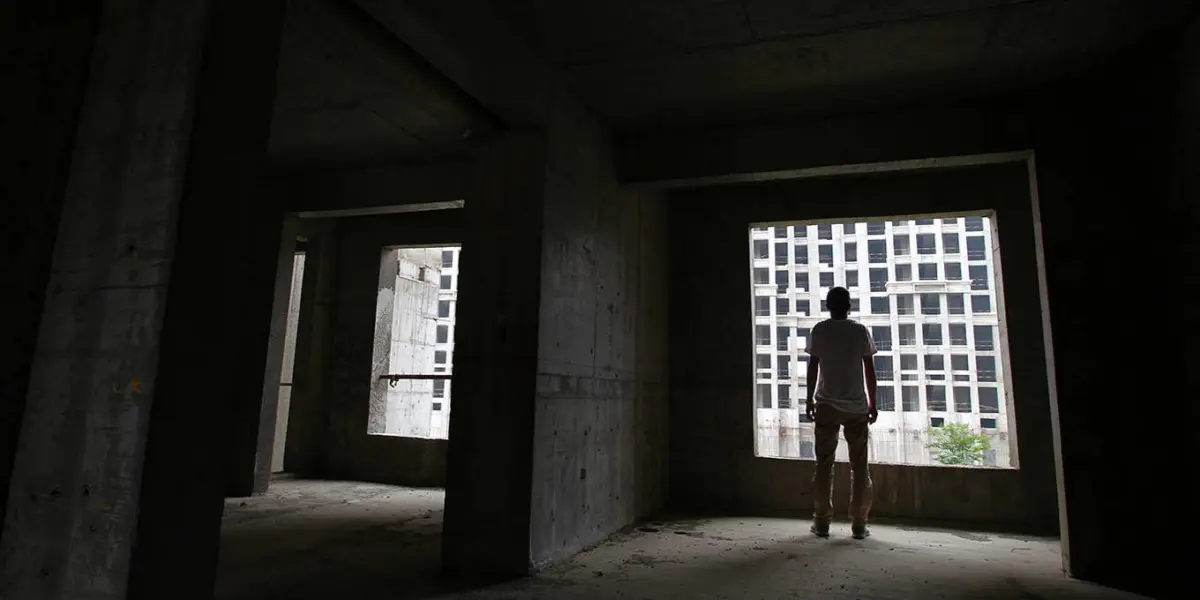
- Property Sector Crisis: The Evergrande and Country Garden crises are symptomatic of a broader systemic issue within China’s highly leveraged real estate sector. This sector, a significant driver of economic growth, is now a major drag, with cascading effects on banks, local government finances, and consumer confidence. Housing prices have stagnated or declined in many urban centers, impacting household wealth.
- Youth Unemployment: Official youth unemployment rates have reached record highs in recent years, reflecting a mismatch between the skills of the graduating workforce and the demands of the economy, as well as a broader slowdown in job creation. This presents a significant social challenge and a potential source of discontent.
- Deflationary Pressures: Unlike many Western economies grappling with inflation, China has been experiencing deflationary pressures, indicating weak consumer demand and a lack of business confidence. This can create a vicious cycle, discouraging investment and consumption.
- Demographic Headwinds: China’s rapidly aging population and declining birth rates pose a long-term challenge to its labor force and economic dynamism. The one-child policy’s legacy, coupled with rising living costs, has led to a shrinking workforce and an increasing dependency ratio.
Background Context: For decades, China’s growth was fueled by investment, exports, and a burgeoning manufacturing sector. However, this model has become increasingly unsustainable. The global shift towards protectionism, coupled with the impact of the COVID-19 pandemic and the ongoing trade tensions with the United States, has disrupted supply chains and reduced external demand. Domestically, the CCP’s own policies, including the stringent "zero-COVID" lockdowns and regulatory crackdowns on key sectors like technology and education, have contributed to economic uncertainty.
Supporting Data: According to the National Bureau of Statistics of China, the country’s GDP growth for 2023 was reported at 5.2%, a rebound from the previous year but still a significant slowdown compared to historical averages. However, concerns persist about the quality and sustainability of this growth. The Consumer Price Index (CPI) has remained stubbornly low, with some months experiencing outright deflation, a worrying sign for an economy seeking to stimulate demand. Youth unemployment figures, when released, have periodically exceeded 20%, a figure that has led authorities to temporarily suspend reporting such data.
Analysis of Implications: A prolonged economic downturn in China would have ripple effects far beyond its borders. As the world’s second-largest economy and a critical node in global supply chains, a significant contraction would dampen global growth, disrupt trade, and potentially trigger financial instability. For developing nations heavily reliant on Chinese demand for their commodities, a slowdown would be particularly devastating. Domestically, widespread economic hardship could fuel social unrest and challenge the CCP’s legitimacy.
The Scarcity of Resources and Diminishing External Power
The CCP’s ability to maintain domestic control and project power internationally is intrinsically linked to its access to and control over resources. As global resource competition intensifies and China’s own resource constraints become more pronounced, its capacity to exert influence could be significantly curtailed.
Resource Dependencies: China is a major consumer of global commodities, including oil, gas, minerals, and food. While it possesses significant domestic reserves of certain resources, its rapidly industrializing and urbanizing economy has created a substantial import dependency for many critical raw materials. Fluctuations in global commodity prices and geopolitical disruptions can therefore have a direct impact on China’s economic stability and its ability to fuel its industries.
Environmental Constraints: China faces severe environmental challenges, including water scarcity, air and water pollution, and land degradation. These issues not only impact the quality of life for its citizens but also constrain economic activity and necessitate significant investments in environmental remediation, diverting resources from other priorities. The Aral Sea basin, for instance, has faced severe environmental degradation, impacting water availability for agricultural and industrial use.
Geopolitical Factors: The rise of geopolitical tensions, particularly with the United States and its allies, has led to increased scrutiny of China’s resource acquisition strategies. Concerns about China’s growing influence in resource-rich regions, such as Africa and Latin America, have led to pushback and a potential fragmentation of global supply chains. Furthermore, the global transition towards renewable energy sources, while offering long-term solutions, also creates new geopolitical dynamics around critical minerals like lithium and cobalt.
Analysis of Implications: A future where China faces greater resource scarcity and increased external resistance to its resource acquisition would necessitate a recalibration of its foreign policy and economic strategy. It could lead to increased competition for dwindling resources, potentially exacerbating existing geopolitical tensions. Domestically, resource constraints could limit industrial expansion and necessitate difficult choices about resource allocation, potentially impacting living standards. The ability to project power externally, whether through military might or economic influence, is directly tied to the availability of resources to sustain such ambitions.
A Perfect Storm Brewing: Interconnected Vulnerabilities
The true danger lies not in the isolated existence of these threats, but in their potent interdependency. A political succession crisis could paralyze the CCP’s ability to address economic challenges effectively, while a deepening economic crisis could fuel social discontent and make a smooth political transition impossible. Similarly, resource scarcity could exacerbate economic woes and provide fertile ground for internal dissent, further weakening the state’s ability to manage succession or external pressures.
Timeline and Chronology of Emerging Pressures
While the precise timing of a full-blown crisis remains speculative, the seeds of these challenges have been sown over years and are gradually maturing:
- 2012-Present: Xi Jinping consolidates power, dismantling term limits and centralizing authority. This period also witnesses a growing global awareness of China’s economic model and its associated environmental and social costs.
- Mid-2010s Onwards: Increased global trade tensions, particularly with the United States, begin to impact China’s export-oriented economy. Concerns about intellectual property theft and unfair trade practices lead to tariffs and sanctions.
- 2020-2022: The stringent "zero-COVID" policy, while initially lauded by some for its effectiveness in controlling the virus, inflicts significant economic damage and leads to widespread public frustration. The policy’s abrupt abandonment in late 2022 creates further economic uncertainty.
- 2021-Present: Major property developers like Evergrande and Country Garden face severe liquidity crises, signaling a systemic problem in China’s real estate sector. This triggers a broader slowdown in construction and impacts related industries.
- 2023-Present: Youth unemployment reaches record highs, and deflationary pressures begin to emerge, indicating weak domestic demand and a struggling economy. Demographic trends continue to show a declining birth rate and an aging population.
- Ongoing: Intensified geopolitical competition, particularly in the Indo-Pacific region, and the global push towards decarbonization create new challenges for China’s resource security and its international economic partnerships.
Broader Impact and Global Repercussions
The implications of China facing such a confluence of crises would be profound and far-reaching:
- Global Economic Slowdown: A significant contraction in China’s economy would inevitably drag down global growth, impacting trade, investment, and commodity prices worldwide. Nations heavily reliant on China as a market for their exports would be particularly vulnerable.
- Geopolitical Instability: A weakened China, potentially preoccupied with internal challenges, could alter the global balance of power. This could lead to increased regional assertiveness from other powers or, conversely, a period of heightened uncertainty and instability as the global order recalibrates.
- Supply Chain Disruptions: Any internal turmoil in China could further disrupt global supply chains, exacerbating existing vulnerabilities and leading to shortages and price increases for various goods.
- Financial Market Volatility: A major economic crisis in China could trigger significant volatility in global financial markets, impacting stock exchanges, currency values, and bond yields.
- Humanitarian Concerns: Depending on the severity of the internal crisis, there could be humanitarian implications, including potential displacement of populations and increased demand for international aid.
The narrative of China’s inevitable rise has dominated global discourse for years. However, the unfolding economic and political realities suggest a more complex and potentially precarious future. The convergence of a looming succession crisis, a faltering economy, and resource constraints presents a formidable challenge to the Chinese state. While the CCP has demonstrated remarkable resilience and adaptability in the past, the current confluence of pressures represents a systemic risk that could reshape not only China’s future but also the trajectory of the entire global order. Navigating this "perfect storm" will require astute leadership, potentially difficult policy adjustments, and a recalibration of global expectations. The world watches, with a mixture of concern and anticipation, as China confronts the multifaceted challenges that lie ahead.
