

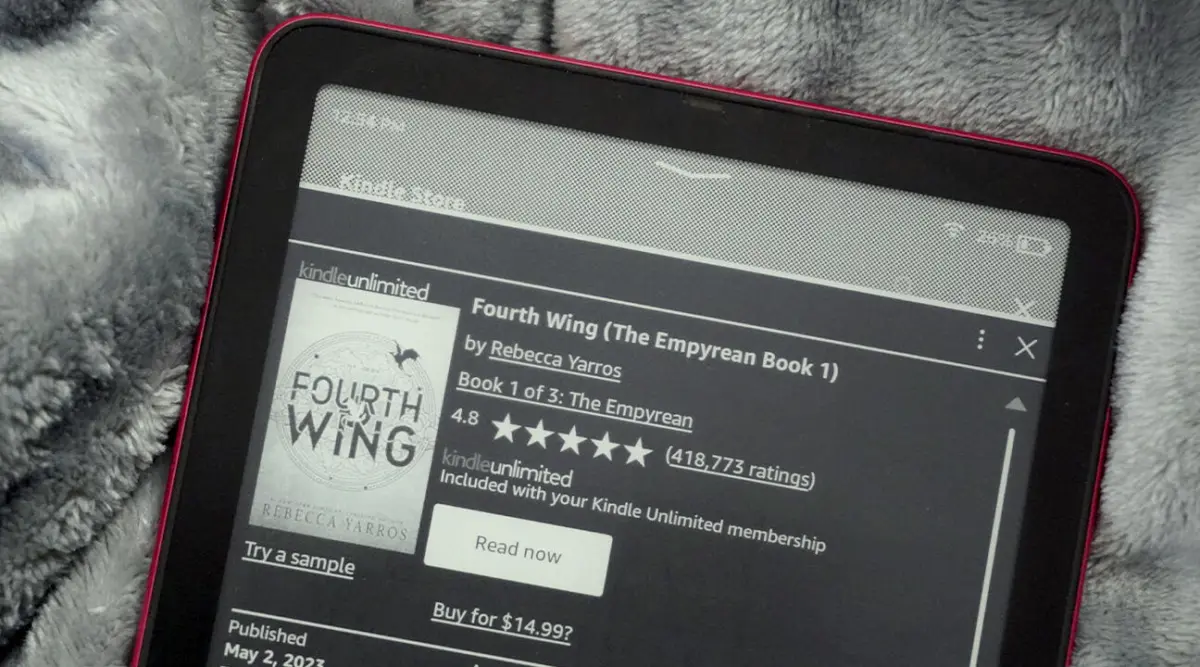
Amazon has officially announced a significant evolution of its digital reading ecosystem, rebranding its long-standing Kindle Unlimited service to Kindle+ and introducing a suite of features centered on artificial intelligence and expanded multimedia access. Under the new Kindle+ banner, the company will maintain its established price point of $11.99 per month while significantly broadening the scope of its catalog, particularly in the audiobook sector. This strategic shift reflects Amazon’s broader commitment to integrating generative AI into its consumer products and addresses the growing demand for hybrid reading-listening experiences. The transition from Kindle Unlimited to Kindle+ is not merely a cosmetic name change but represents a fundamental shift in how the company incentivizes content creation and consumption through its Kindle Direct Publishing (KDP) platform.
The primary driver behind this update is the integration of "Virtual Voice," an AI-driven narration technology that allows authors to convert their written manuscripts into audiobooks at no additional cost. Historically, the production of audiobooks has been a cost-prohibitive venture for independent authors, often requiring thousands of dollars for professional voice talent, studio time, and post-production. By offering Virtual Voice for free to authors enrolled in the KDP program, Amazon is effectively democratizing the audiobook format, albeit while sparking a complex debate regarding the role of human artistry in the digital age.
The Evolution of the Kindle Ecosystem: A Chronology of Innovation
To understand the significance of the Kindle+ rebrand, one must look at the trajectory of Amazon’s e-reading hardware and software over the past two decades. The original Kindle was launched in November 2007, selling out in less than six hours. Since then, Amazon has systematically dismantled barriers to digital reading.
In 2011, Amazon introduced the Kindle Direct Publishing (KDP) Select program, which paved the way for the 2014 launch of Kindle Unlimited. Kindle Unlimited was marketed as the "Netflix for books," providing a subscription-based model that allowed users to borrow an unlimited number of titles for a flat monthly fee. Over the subsequent decade, the service grew to include over four million titles, including popular series, self-published gems, and a rotating selection of magazines.
The introduction of Whispersync for Voice in 2012 was another pivotal moment, allowing readers to switch seamlessly between reading an e-book and listening to its companion audiobook without losing their place. Kindle+ seeks to perfect this synergy. By increasing the volume of available audiobooks through AI narration, Amazon is ensuring that more titles in the Kindle+ library support this hybrid functionality, catering to a modern audience that frequently transitions between visual reading and auditory consumption during commutes or household tasks.
Technical Specifications and the Virtual Voice Program
The Virtual Voice technology utilized by Kindle+ is the result of years of refinement in synthetic speech. Unlike the robotic, monotone text-to-speech (TTS) features found in earlier Kindle models or basic accessibility tools, Virtual Voice utilizes neural networks to simulate human-like inflection, pacing, and emotional resonance. Authors in the KDP program can now select from a variety of "virtual narrators" with different accents, tones, and styles to best match the genre of their work.
For authors, the process is streamlined. Once an e-book is published through KDP, the author can opt into the Virtual Voice program. The AI generates a draft of the audiobook, which the author can then review and refine before it is published to the Kindle+ catalog. This removes the logistical hurdles of hiring human narrators, making the "audio-first" or "audio-available" strategy accessible to the millions of independent writers who populate the Kindle Store.
From the subscriber’s perspective, Kindle+ remains priced at $11.99 per month. The core mechanics of the subscription remain intact: users can borrow up to 20 titles at a time. The "plus" in the name signifies the addition of thousands of new audio titles that were previously only available as text-only e-books.
Market Data and the Shift Toward Audio
The rebranding comes at a time when the global audiobook market is experiencing unprecedented growth. According to the Audio Publishers Association (APA), audiobook sales have seen double-digit growth for over a decade. In 2023, the industry saw a 9% increase in revenue, reaching nearly $2 billion in the United States alone. Furthermore, surveys indicate that over 50% of American adults have listened to an audiobook, with younger demographics—specifically Gen Z and Millennials—driving the demand for subscription-based access.
Amazon’s dominance in this space is already substantial through its ownership of Audible. However, Audible operates on a different economic model, primarily utilizing a credit system for individual title ownership. Kindle+ serves a different market segment: the "voracious reader" who consumes multiple titles a month and prefers a flat-rate subscription over a credit-based ownership model. By folding more audio content into Kindle+, Amazon is insulating its ecosystem against competitors like Spotify, which recently integrated 15 hours of audiobook listening into its Premium subscription tier.

Economic Implications for Authors and the Publishing Industry
The financial structure of Kindle+ continues to rely on the KDP Select Global Fund. This fund is a monthly pool of money distributed among authors based on the number of "Kindle Edition Normalized Pages" (KENP) read by subscribers. In recent years, the payout has hovered around $0.004 to $0.005 per page.
With the expansion of audiobooks in Kindle+, the compensation model faces new complexities. Amazon has indicated that earnings for Kindle+-enrolled authors will continue to be based on engagement. When a user "reads" an AI-narrated book, the pages "listened to" are counted toward the author’s monthly payout. This provides a new revenue stream for independent authors who previously lacked the capital to enter the audio market.
However, the shift toward AI narration has prompted concerns within the professional narration community. Professional voice actors argue that AI cannot replicate the nuanced performance, character differentiation, and narrative soul that a human brings to a story. There are also concerns regarding "data scraping," where AI models are trained on the voices of human narrators without their explicit consent or compensation. While Amazon’s Virtual Voice is currently presented as an optional tool for self-published authors, the broader implication is a potential devaluation of human labor in the creative sector.
Official Reactions and Industry Analysis
While Amazon has framed the launch of Kindle+ as a win for accessibility and consumer choice, the industry reaction has been mixed. Literary agents and traditional publishing houses remain cautious. Major publishers often keep their audiobook rights separate and may be hesitant to allow their premium titles to be narrated by AI, fearing a dilution of their brand quality.
"The move to Kindle+ is a clear signal that Amazon views AI as the future of content scaling," says industry analyst Marcus Thorne. "By removing the cost barrier of audiobook production, they are essentially creating a self-sustaining loop of content that keeps users within their app. The challenge will be maintaining a standard of quality that doesn’t alienate listeners who are used to the high-production values of Audible’s human-narrated originals."
On the accessibility front, the update has been largely praised. For individuals with visual impairments or dyslexia, the proliferation of narrated books is a significant benefit. While Kindle devices have long offered "VoiceView" screen readers, the naturalistic quality of Virtual Voice provides a more immersive and less fatiguing experience for those who rely on auditory reading.
Broader Impact and Future Outlook
The rebranding to Kindle+ is likely the first step in a larger overhaul of Amazon’s digital media strategy. As generative AI continues to evolve, it is expected that Amazon will introduce further enhancements, such as AI-generated summaries, interactive "ask the book" features powered by large language models (LLMs), and perhaps even real-time translation of titles into different languages via synthetic voice.
For the consumer, the immediate impact is a more robust value proposition for the $11.99 monthly fee. In an era of "subscription fatigue," where users are increasingly scrutinizing their monthly outlays for streaming services, Amazon is betting that an all-in-one reading and listening destination will remain an essential utility.
The long-term implications for the literary world, however, remain to be seen. As the barrier between "writing a book" and "producing an audiobook" vanishes, the volume of content in the Kindle Store is expected to explode. This will place an even greater premium on discoverability and the Amazon recommendation algorithm. For readers, Kindle+ offers a vast, nearly infinite library; for authors, it offers a powerful but controversial set of tools to reach those readers; and for the industry, it marks the definitive arrival of the AI-augmented era of publishing.
As Kindle+ rolls out globally, the focus will shift to user adoption. Will listeners embrace the "Virtual Voice," or will they remain loyal to the human-narrated classics? Regardless of the answer, Amazon has made its position clear: the future of reading is digital, it is auditory, and it is increasingly powered by artificial intelligence.
