

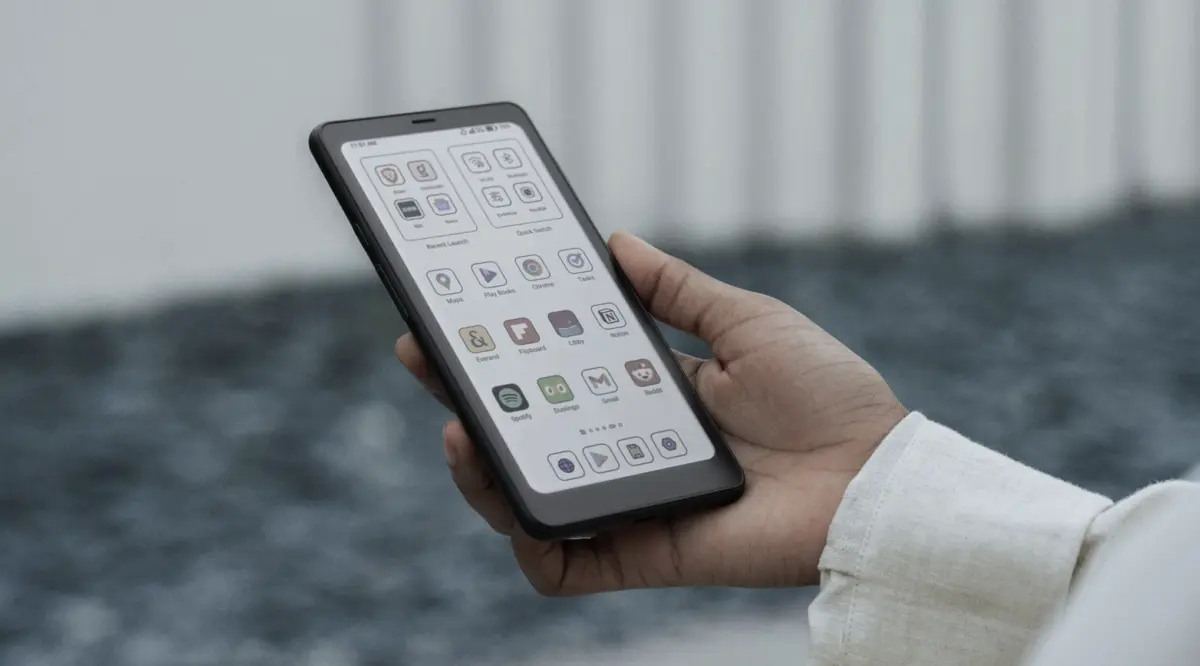
The Boox Palma 2 Pro represents a significant evolution in the niche but rapidly expanding market for ultra-portable electronic ink (E Ink) devices, combining the ergonomics of a modern smartphone with the eye-friendly benefits of a dedicated e-reader. Priced at $400, this device distinguishes itself from traditional e-readers like the Amazon Kindle or Rakuten Kobo by running a full version of the Android operating system with Google Play Store support. This architectural choice transforms the device from a simple book-reading tool into a versatile, pocket-sized productivity hub capable of running third-party applications, including Kindle, Libby, Kobo, and various audiobook or podcast platforms. While traditional e-readers have long favored larger, tablet-like form factors, the Palma 2 Pro targets a demographic seeking high portability, one-handed comfort, and a reprieve from the blue-light-induced eye strain associated with standard smartphone displays.
The Design and Ergonomic Shift in Digital Reading
The primary appeal of the Boox Palma 2 Pro lies in its physical footprint. Measuring approximately the size of a standard smartphone and weighing only 175 grams, it is significantly lighter than flagship mobile devices like the iPhone 16 Pro or Samsung Galaxy S24 Ultra. This weight reduction and narrow profile address a common pain point for digital readers: the physical fatigue associated with holding wider, squarish e-readers for extended periods, particularly when reading in bed or while commuting.
The device features a front-lit E Ink display that allows for granular control over lighting conditions. Users can toggle between cool and warm color temperatures, a feature that has become a standard in high-end e-readers but is enhanced here by the device’s ability to reach exceptionally low brightness levels. This makes the Palma 2 Pro particularly effective for reading in total darkness without disturbing others or triggering the circadian rhythm disruptions often caused by the high-intensity backlighting of LCD or OLED screens.
Technical Specifications and Hardware Versatility
Under the hood, the Palma 2 Pro functions more like a compact tablet than a traditional e-reader. By integrating the Android ecosystem, Boox allows users to bypass the "walled garden" limitations of other manufacturers. Instead of being tied to a single bookstore, users can synchronize their libraries across multiple platforms.
Beyond its screen, the hardware includes several features rarely found in the e-reader category:

- Rear Camera: Designed primarily for document scanning rather than photography, the camera allows users to digitize text and utilize Optical Character Recognition (OCR) software.
- Built-in Speakers: This enables the consumption of audiobooks and podcasts without the immediate need for Bluetooth headphones.
- Hybrid SIM Slot: The inclusion of cellular data capabilities ensures that users can download new content or sync reading progress while away from Wi-Fi networks.
- Stylus Compatibility: Although often sold separately, the device supports stylus input for note-taking and PDF markup, though the small screen size may limit its utility for extensive sketching.
The Evolution of the Boox Palma Series: A Brief Chronology
The journey toward the Palma 2 Pro began with Onyx Boox’s recognition that a segment of the market was using smartphones as their primary reading devices despite the inherent drawbacks of glare and eye strain.
- The Original Boox Palma (2023): Launched as a "mobile ePaper device," the original Palma proved the concept of a phone-sized e-reader. It gained a cult following among "digital minimalists" who wanted to reduce their screen time on traditional smartphones.
- The Palma 2 Pro (2024): This iteration introduced a more refined processor, improved refresh rates via Boox Super Refresh (BSR) technology, and the "Pro" designation, which typically indicates higher RAM and storage configurations to handle more demanding Android applications.
- The Upcoming Palma 3: Boox has recently signaled a shift in its lineup, announcing the forthcoming Palma 3. Expected to retail at $340, the Palma 3 will reportedly replace the Palma 2 and feature a high-contrast black-and-white display, catering to those who prioritize text clarity over the muted color capabilities of the Pro model.
Performance Analysis: The E Ink and Android Compromise
While the Boox Palma 2 Pro offers unprecedented versatility, the marriage of Android and E Ink technology introduces specific performance characteristics that potential users must navigate. E Ink technology relies on physical microcapsules of ink that move to the surface of the screen to form images and text. This process is inherently slower than the refresh rates of traditional screens.
The Ghosting Effect
A notable drawback identified in the Palma 2 Pro is "ghosting," where remnants of previous pages or menu icons remain visible on the screen after a refresh. While Boox includes a dedicated refresh button in the navigation bar to clear these artifacts, it remains a persistent quirk of the technology. This is especially prevalent in apps not specifically optimized for E Ink, such as social media feeds or web browsers with heavy animations.
Battery Life Dynamics
In contrast to a Kindle, which can last for several weeks due to its low-power, proprietary operating system, the Palma 2 Pro’s battery life is measured in days—typically between five and seven. The background processes required by the Android OS and the constant polling for notifications (if enabled) consume more power. Users can extend this life significantly by disabling Wi-Fi and Bluetooth, essentially reverting the device to a "dumb" e-reader mode.
Market Context and the Digital Minimalism Trend
The Boox Palma 2 Pro arrives at a time of growing consumer interest in "digital minimalism" and "distraction-free" technology. Market analysts suggest that a growing number of consumers are seeking "secondary" devices that perform specific tasks well without the constant interruption of social media notifications and work emails.
According to data from the e-reader industry, while the overall tablet market has seen fluctuations, the demand for specialized E Ink devices has remained resilient. The Palma 2 Pro occupies a unique space in this market, appealing to:

- Commuters: Who require a device that can be used one-handed on crowded public transit.
- Travelers: Who value the ability to fit an entire library, plus travel documents and maps, into a pocket.
- Students and Researchers: Who use the device to read academic papers via apps like Zotero or Mendeley, which are not available on standard e-readers.
Comparative Value and Competitive Landscape
At $400, the Boox Palma 2 Pro is positioned as a premium luxury item. For comparison, the entry-level Amazon Kindle retails for approximately $100, while the Kindle Paperwhite costs around $150. Even the high-end Kindle Scribe, which includes a large screen and stylus, often retails for less than or close to the Palma 2 Pro’s price point.
The justification for the higher cost lies in the open-source nature of the device. Users are not just buying a screen; they are buying a compact computer. The ability to access the Google Play Store means the Palma 2 Pro can serve as a navigation device (via GPS), a music player, and a communication tool (via apps like Signal or WhatsApp), all while maintaining the eye-comfort benefits of E Ink.
Future Implications for the E-Reader Industry
The success of the Palma series has prompted other manufacturers to reconsider the smartphone form factor. Companies like Bigme and HiSense have also experimented with E Ink phones and "e-readers in phone clothing." However, Boox remains the leader in the international market due to its superior software integration and global distribution networks.
The transition toward the Palma 3 suggests that Boox is refining its strategy to offer different tiers of the device: a high-performance "Pro" model for power users and a more affordable, text-centric model for traditional book lovers. This tiered approach is likely to broaden the appeal of pocketable e-readers.
Conclusion: A Specialized Tool for a Specific Reader
The Boox Palma 2 Pro is not intended to be a mass-market replacement for the Kindle. Instead, it serves a specific subset of the reading population that values portability and software freedom above all else. Its ability to reduce eye strain while providing access to a vast ecosystem of apps makes it a powerful tool for those looking to reclaim their reading time from the distractions of a standard smartphone.
While the high price point and the inherent limitations of E Ink performance (such as sluggish animations and ghosting) may deter casual readers, the device succeeds in its primary mission: providing a comfortable, versatile, and highly portable gateway to digital literature. As the "digital detox" movement continues to gain momentum, devices like the Palma 2 Pro are poised to move from niche novelties to essential tools for the modern, tech-conscious reader.
