

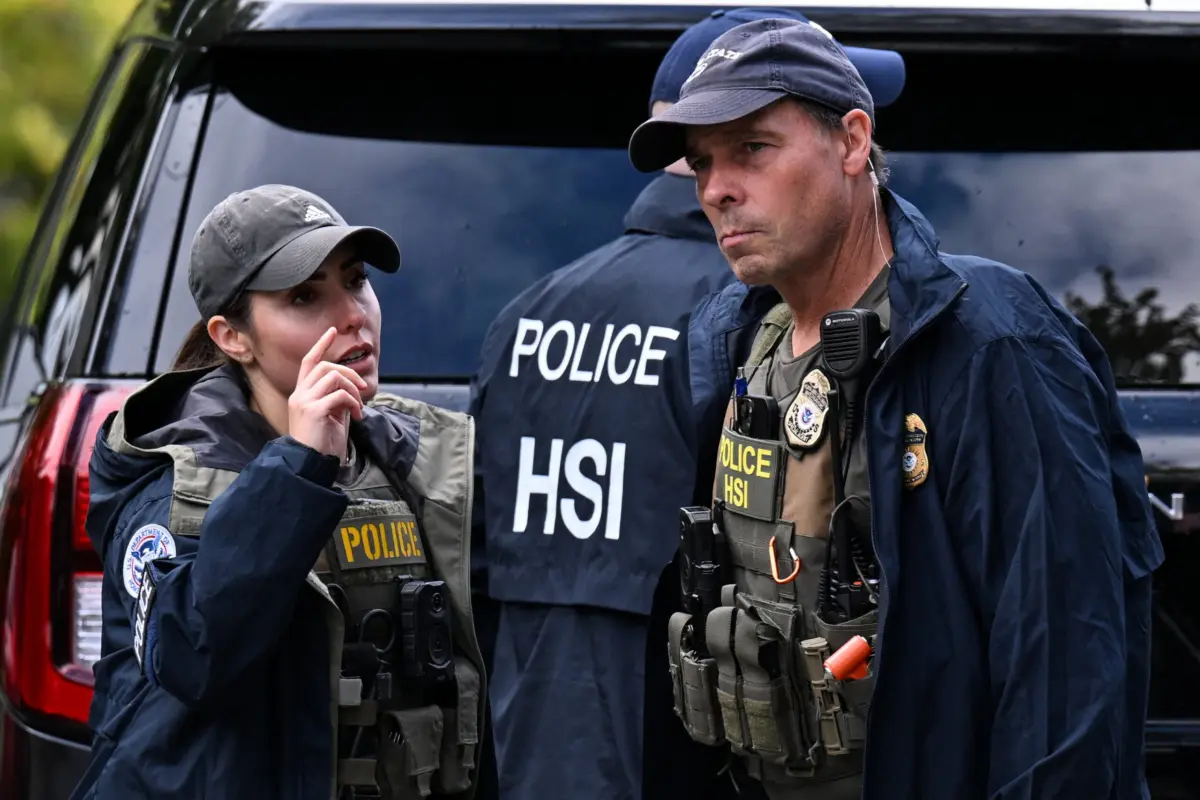
A United States federal judge has issued a nationwide injunction, ordering the Department of Homeland Security (DHS) to immediately halt operations aimed at identifying non-citizen voters in nine key states ahead of the critical midterm elections. The ruling, handed down by US District Court Judge Araceli Martinez-Olguin, underscores significant concerns that the investigations likely violate provisions of the Voting Rights Act (VRA) designed to prevent voter intimidation. Furthermore, the judge’s order highlighted the potential reliance by DHS on flawed data, casting a shadow over the legitimacy and execution of the agency’s controversial initiative.
Judicial Intervention Halts DHS Operations
Judge Martinez-Olguin’s ruling, issued on Thursday, October 29, found that the DHS operations created “an objectively reasonable fear of law enforcement entanglements that intimidates citizens from urging or aiding others in exercising their right to vote.” This strong language from the federal bench indicates a serious judicial concern regarding the chilling effect of the DHS’s tactics on the fundamental right to participate in democratic processes. The order specifically applies to federal efforts targeting California, Connecticut, Georgia, Missouri, Nevada, New York, Pennsylvania, Washington, and Wisconsin—states that collectively represent a diverse electoral landscape and include several critical battlegrounds for the upcoming November 3 midterm vote.
The Department of Homeland Security had publicly launched what it described as a robust push to identify individuals who have committed voter fraud, particularly focusing on non-citizens registered to vote or who have allegedly cast ballots. This initiative saw local DHS offices publicizing their activities, including the dissemination of photos depicting federal agents knocking on the doors of individuals identified as potential suspects. These highly visible operations, conducted weeks before a pivotal election, drew immediate and sharp criticism from civil rights groups, immigrant advocates, and state election officials alike.
Chronology of Escalating Tensions
The roots of the current controversy trace back several years, reflecting a broader national debate on election integrity and the prevalence of voter fraud.
- 2016 Presidential Election: Following his victory, then-candidate Donald Trump repeatedly asserted, without substantial evidence, that millions of illegal votes were cast, primarily by non-citizens. This narrative laid the groundwork for future governmental actions.
- 2017 Presidential Advisory Commission on Election Integrity: Established by President Trump, this commission was tasked with investigating alleged voter fraud. It was met with widespread resistance from states unwilling to share sensitive voter data and was ultimately disbanded in early 2018 without producing significant findings of widespread fraud.
- Early 2020s – Administration Focus on Voter Fraud: Leading up to the 2020 general election and subsequent midterm cycles, the Trump administration continued to emphasize the threat of voter fraud, particularly from non-citizens, despite consistent findings by election experts and government bodies that such instances are exceedingly rare.
- Summer/Fall 2026 – DHS Initiative Launch: The Department of Homeland Security, under the purview of the Trump administration, initiated its targeted operations across the nine states. These operations involved data analysis (later deemed flawed by the court) and on-the-ground investigations by federal agents.
- October 2026 – Lawsuit Filed: A coalition of civil rights and advocacy groups, including the California Nurses Association, National Nurses United, and the Voto Latino Foundation, along with the cities and counties of San Francisco and Santa Clara, filed a lawsuit challenging the DHS operations, citing voter intimidation and reliance on faulty data.
- October 29, 2026 – Federal Injunction Issued: US District Court Judge Araceli Martinez-Olguin grants the injunction, temporarily halting the DHS operations, underscoring the immediate threat to voting rights ahead of the November 3 midterms.
- November 3, 2026 – Midterm Elections: The nationwide elections are scheduled to proceed amidst the legal and political fallout of the DHS injunction.
The Legal Basis: Voting Rights Act and Voter Intimidation
Judge Martinez-Olguin’s ruling centered on Section 11(b) of the Voting Rights Act of 1965, a landmark piece of legislation designed to overcome legal barriers at the state and local levels that prevented African Americans from exercising their right to vote. Section 11(b) explicitly prohibits any person, whether acting under color of law or otherwise, from intimidating, threatening, or coercing any person for voting or attempting to vote, or for urging or aiding any person to vote.
The judge’s decision meticulously detailed how the DHS operations likely ran afoul of this critical provision. She argued that the presence of federal agents, particularly armed agents, knocking on doors and questioning individuals about their citizenship and voting eligibility, creates a coercive environment. This environment, especially when conducted weeks before an election and publicized by the agency itself, could reasonably be perceived as an attempt to deter eligible citizens, particularly those from immigrant communities or with foreign-born family members, from exercising their franchise. The "objectively reasonable fear of law enforcement entanglements" cited by the judge highlights the psychological impact of such governmental actions on potential voters and those who assist them.
The DHS Initiative: Rationale and Execution Under Scrutiny
The Department of Homeland Security, in its public statements and court filings, maintained that its investigations were aimed at "removing aliens who vote and dilute the votes of US citizens." The agency asserted, "We have no plans to question or investigate people we believe to be US citizens." This stance attempts to frame the operations as a legitimate enforcement action against illegal voting.
However, the execution of these operations and the underlying data drew severe criticism. Plaintiffs in the lawsuit argued that the DHS’s lists of potential non-citizen voters were built on "bad data" and that the agency "never checked how often it was wrong, and recklessly sent agents to people’s homes weeks before an election." This reliance on unverified or inaccurate information means that legitimate, eligible US citizens could be wrongly identified as suspects, leading to undue scrutiny and intimidation. Indeed, the lawsuit included accounts from US citizens who reported feeling wrongly targeted and questioned by federal agents as part of the investigations, directly contradicting DHS’s assurance that citizens would not be investigated.
The Scarcity of Non-Citizen Voter Fraud: Data and Context
A central point of contention in the broader debate around election integrity, and specifically the DHS initiative, is the actual prevalence of non-citizen voting. Despite persistent claims of widespread fraud by the Trump administration, academic studies, government reviews, and journalistic investigations have consistently found that instances of non-citizen voting are exceedingly rare and statistically insignificant.
- Academic Research: Numerous studies, including those by researchers at major universities, have analyzed voter databases and found extremely low rates of non-citizen voting, often in the range of mere dozens or hundreds of cases out of tens of millions of ballots cast over multiple election cycles. For example, a 2017 analysis by the Brennan Center for Justice found that the rate of non-citizen voting is between 0.0003% and 0.001% of all votes cast.
- Government Reports: Prior government commissions and state election audits have also confirmed the rarity of such occurrences. When isolated instances of non-citizen voting are discovered, they are typically due to administrative error or misunderstanding rather than deliberate fraud, and they have never been shown to influence the outcome of any election at any level in the country.
- Safeguards: Voter registration processes in the United States typically require individuals to attest under penalty of perjury that they are US citizens. Falsely claiming citizenship to vote is a federal crime, carrying severe penalties including imprisonment and deportation. These safeguards, combined with routine list maintenance by election officials, are generally effective in preventing non-citizen voting.
The discrepancy between the administration’s rhetoric about widespread non-citizen voting and the empirically validated reality underscores the critics’ argument that the DHS operations were more about political messaging and voter suppression than about addressing a genuine threat to election security.
Reactions from Affected Parties and Advocates
The federal injunction was met with immediate commendation from the plaintiffs and civil liberties advocates. Benjamin Farley, the supervisory counsel for democracy defense at the National Immigration Law Center, hailed the ruling as a crucial victory for voting rights. "Yesterday’s decision is a clear rebuke of the government’s efforts to scare voters away from the polls this November," Farley stated, emphasizing that "all US citizens – regardless of color, place of birth, or the nationality of their family members – have the right to participate in American elections free of intimidation." His powerful closing remark, "No armed federal agent is going to stop us from casting our vote," encapsulated the defiant spirit of those challenging the DHS.
The California Nurses Association and National Nurses United, representing healthcare workers, highlighted the vulnerability of immigrant communities to such tactics. Many nurses are themselves immigrants or work directly with immigrant populations, and they reported witnessing firsthand the fear and confusion generated by the DHS actions. The Voto Latino Foundation echoed these concerns, emphasizing the potential for these operations to suppress the vote among Latino communities, a demographic frequently targeted by anti-immigrant rhetoric.
Civil liberties organizations like the American Civil Liberties Union (ACLU) and the League of Women Voters, while not direct parties to this specific lawsuit, have consistently condemned efforts perceived as voter intimidation. They view the ruling as a vital check on executive overreach and a reaffirmation of foundational voting rights. State election officials in the targeted states, while often hesitant to comment directly on federal litigation, have generally expressed concerns about federal interference in state-run elections and the potential for any federal action to undermine voter confidence or create confusion at the polls.
Government Response and Future Steps
Following the ruling, the Department of Homeland Security issued a terse statement maintaining its stance that its investigations were legitimate and necessary. While acknowledging the injunction, the DHS did not immediately indicate whether it would appeal the decision. Appeals of federal district court rulings typically go to the relevant Circuit Court of Appeals. An expedited appeal could be sought given the proximity of the election, but the process itself would be challenging and time-consuming.
Should the DHS choose to appeal, the case would likely face intense scrutiny, particularly concerning the balance between election security and the protection of voting rights. Alternatively, the agency could comply with the order, cease its operations in the nine states, and potentially seek to modify its methodology to avoid future legal challenges, though this seems less likely given the administration’s past rhetoric.
Impact on the Midterm Elections
The injunction carries significant political and electoral implications for the upcoming midterm elections.
- Voter Confidence and Turnout: By halting operations deemed intimidating, the ruling may alleviate some fears among eligible voters, potentially encouraging higher turnout, especially in communities that felt targeted. Conversely, the administration’s narrative of widespread fraud, despite the ruling, could still sow distrust in the electoral process among its supporters.
- Political Narrative: The ruling represents a significant legal setback for the Trump administration’s narrative surrounding widespread voter fraud. It reinforces the view held by critics that the administration’s focus on this issue is politically motivated and lacks factual basis. This could force a pivot in messaging for the administration in the final days leading up to the election.
- Swing States: Several of the targeted states—including Pennsylvania, Wisconsin, Georgia, and Nevada—are crucial swing states where electoral outcomes are often decided by narrow margins. Any action that impacts voter turnout or confidence in these states could have outsized effects on the balance of power in Congress. The injunction ensures that voters in these critical areas can cast their ballots without the direct presence of federal agents at their doors.
- Role of Federal Agencies: The ruling also re-emphasizes the limits on federal agencies’ involvement in state-run elections, particularly when their actions are perceived as encroaching on fundamental rights. This could lead to a broader debate about the appropriate role of federal law enforcement in election oversight.
Broader Implications for Election Integrity and Civil Liberties
Beyond the immediate impact on the midterm elections, Judge Martinez-Olguin’s ruling has broader implications for election integrity, civil liberties, and the separation of powers.
- Check on Executive Power: The injunction serves as a powerful judicial check on executive branch actions, particularly when those actions are seen as impinging upon constitutional rights. It reinforces the judiciary’s role in safeguarding democratic processes from potential overreach by other branches of government.
- Importance of Data Accuracy: The emphasis on DHS’s reliance on "flawed data" highlights the critical importance of accurate, verified information in all government operations, especially those touching on fundamental rights. It sends a message that agencies cannot act on unproven or poorly vetted intelligence when it comes to sensitive matters like voting.
- Ongoing Debate on Election Security vs. Voter Access: The case is another chapter in the ongoing national debate about balancing election security measures with ensuring broad voter access. Critics argue that many "election integrity" initiatives, particularly those focused on voter fraud, disproportionately impact minority groups and serve to suppress legitimate votes, rather than truly securing elections. This ruling leans heavily towards protecting voter access.
- Precedent for Future Elections: The legal precedent set by this injunction could influence how future administrations and federal agencies approach election monitoring and enforcement. It may necessitate more cautious, evidence-based approaches that prioritize non-intimidation and respect for state electoral processes.
The federal judge’s order to halt DHS operations represents a significant legal and political development just days before the midterm elections. It underscores the judiciary’s role in protecting voting rights and challenges the administration’s narrative on voter fraud, setting a crucial precedent for the balance between federal enforcement and the democratic process.
