

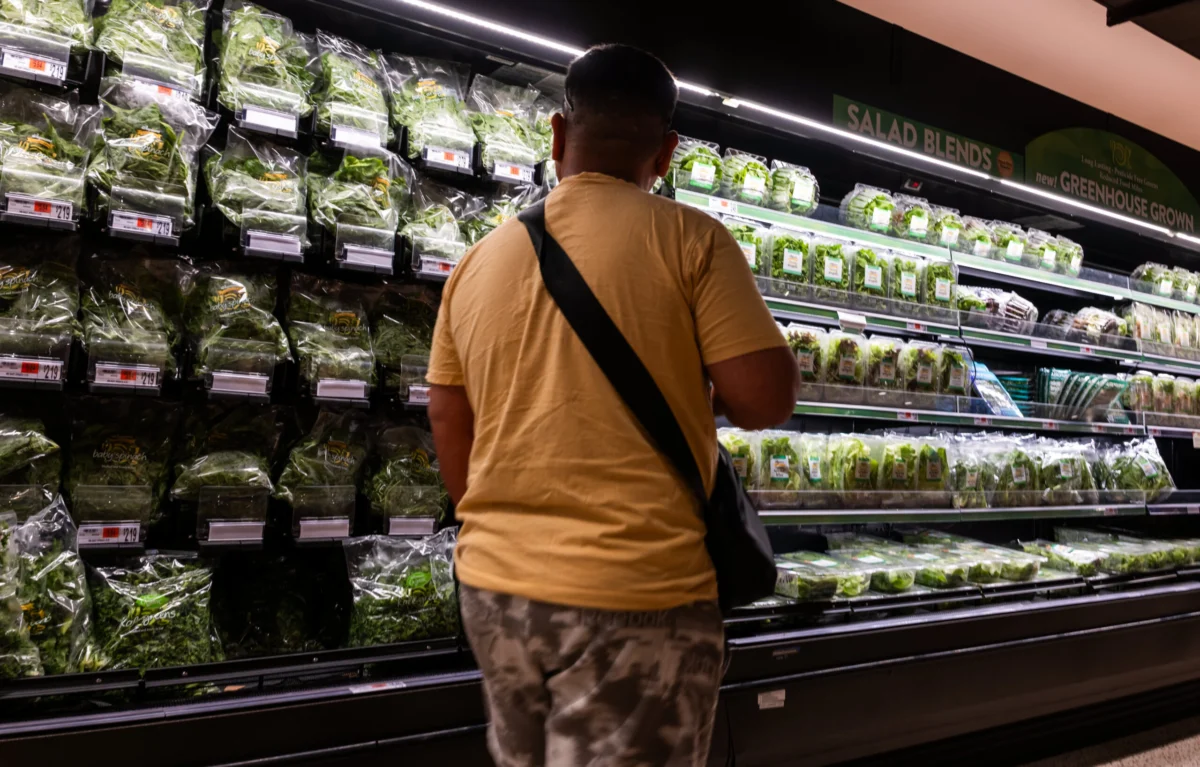
The United States has officially seen the end of the largest-ever outbreak of cyclosporiasis, a foodborne illness that sickened a staggering 12,833 individuals across 21 states in recent months. The Centers for Disease Control and Prevention (CDC) confirmed the conclusion of the outbreak on Friday, bringing a close to a significant public health crisis that underscored deep-seated concerns regarding the safety and resilience of the nation’s food supply chain.
The primary culprit identified in this extensive cluster of infections was shredded iceberg lettuce sourced from Taylor Farms in Mexico. This outbreak not only represents the largest in U.S. history for cyclosporiasis but also contributed to an overall record-breaking season for the illness, with a total of 19,595 cases reported nationwide. The parasite Cyclospora cayetanensis, responsible for the illness, thrives in warm, humid environments and is typically transmitted through contaminated food or water. The U.S. recorded two fatalities directly linked to this outbreak, with both deaths occurring in Michigan, a state that emerged as the epicenter of the most substantial cluster of infections.
A Shadow Over American Diets: The Scope of the Outbreak
The sheer scale of this cyclosporiasis outbreak has cast a long shadow over the dietary habits of millions of Americans. The CDC’s final figures paint a stark picture: over 12,800 confirmed cases linked to the Taylor Farms lettuce, a significant portion of the total 19,595 cases. These numbers represent a substantial burden on the healthcare system and a source of considerable anxiety for consumers. The geographical spread across 21 states highlights the interconnectedness of the U.S. food distribution network and the ease with which a contaminated product can reach a vast consumer base.
The illness, characterized by symptoms such as watery diarrhea, loss of appetite, nausea, fatigue, and stomach cramps, can have a prolonged incubation period, often taking several weeks from exposure to the onset of symptoms. This extended timeline presents a significant challenge for public health officials, making it difficult to swiftly identify the source and implement containment measures. By the time a link is established, the implicated produce may have long since spoiled or been consumed, complicating traceback efforts and underscoring the need for robust preventative measures.
Timeline of a Crisis: From Detection to Resolution
The trajectory of this outbreak can be pieced together through a series of events, from initial reports of illness to the eventual recall and public health advisories. While a precise start date for the contamination remains elusive due to the nature of the parasite and its incubation period, health officials began to notice a significant uptick in cyclosporiasis cases in the late spring and early summer of 2026.
Late Spring/Early Summer 2026: An unusual surge in gastrointestinal illnesses, specifically those presenting symptoms consistent with cyclosporiasis, began to be reported in various states. Public health departments initiated investigations, collecting data on patient histories and food consumption patterns.
July 2026: As the number of reported cases continued to climb, the CDC, in collaboration with state and local health agencies, identified a common thread: consumption of bagged, shredded iceberg lettuce. Preliminary investigations pointed towards a specific supplier.
Mid-July 2026: Taylor Farms, a major supplier of produce, initiated a voluntary recall of its bagged iceberg lettuce products. This recall was a crucial step in halting further distribution of potentially contaminated product and preventing more illnesses. The recall encompassed products sold to various retailers and food service establishments.
Late July 2026: Restaurants that utilized the recalled lettuce began to remove it from their menus. Taco Bell, a prominent fast-food chain known for its use of shredded iceberg lettuce, was particularly impacted and swiftly took action to discontinue the product. This proactive measure, while necessary, also had an immediate effect on the restaurant’s sales.
August 2026: The CDC formally announced the link between the outbreak and the Taylor Farms shredded iceberg lettuce. Public health warnings were issued, advising consumers to avoid the implicated product and emphasizing thorough handwashing and food preparation practices. The scope of the outbreak became fully apparent, revealing its extensive reach across multiple states and its designation as the largest in U.S. history.

Early 2027 (Friday of the article’s publication): The CDC declared the outbreak officially over, signaling that the chain of transmission had been broken. However, the lingering effects and the lessons learned from this crisis continued to resonate.
Beyond the Parasite: Broader Implications and Scrutiny
The scale and impact of the cyclosporiasis outbreak extended far beyond the immediate health concerns. It ignited a robust public and governmental debate surrounding the efficacy of U.S. food safety procedures, the implications of corporate consolidation within the food supply system, and the adequacy of resources allocated to regulatory bodies like the U.S. Food and Drug Administration (FDA).
Scrutiny of Food Safety Protocols
The outbreak served as a potent reminder that despite advancements in food production and regulation, vulnerabilities persist. The lengthy incubation period of Cyclospora highlights a critical challenge: by the time an outbreak is identified and traced, the source may no longer be readily available for testing or remediation. This raises questions about the speed and responsiveness of current food safety monitoring systems. Experts have called for enhanced surveillance methods, including more proactive and widespread testing of imported produce, particularly from regions with less stringent agricultural practices. The reliance on retrospective tracing, while necessary, underscores the need for more predictive and preventative approaches.
Corporate Consolidation and Supply Chain Transparency
The outbreak also brought into sharp focus the increasing consolidation within the agricultural sector. Taylor Farms, a significant player in the produce industry, supplies a vast array of products to numerous retailers and food service providers. While this consolidation can lead to efficiencies and economies of scale, it also creates a single point of failure that can have a disproportionate impact when a problem arises. A contamination event at a large-scale producer can affect a broader segment of the population than an issue with a smaller, more localized operation. This has led to calls for greater transparency in complex food supply chains, enabling faster identification of origins and accountability.
FDA Staffing and Funding Under the Microscope
The U.S. Food and Drug Administration (FDA), tasked with ensuring the safety of the nation’s food supply, found itself under intense scrutiny. The prolonged nature of the outbreak and the challenges in its resolution fueled discussions about the agency’s staffing levels and overall funding. Critics argued that insufficient resources could hinder the FDA’s ability to conduct adequate inspections, implement advanced surveillance technologies, and respond effectively to emerging threats. The outbreak occurred against a backdrop of ongoing debates about the FDA’s capacity to oversee a rapidly evolving and globalized food system. Advocates for increased funding emphasize the need for a robust and well-resourced FDA to protect public health and prevent future crises.
Economic Repercussions: A Bite Out of the Bottom Line
The cyclosporiasis outbreak had tangible economic consequences, impacting businesses across the food industry. Restaurants that prominently featured fresh lettuce on their menus experienced a noticeable decline in sales. Taco Bell, in particular, which directly served the implicated shredded iceberg lettuce from Taylor Farms, faced a significant dip in revenue during the period the lettuce was removed from its offerings. The chain’s reliance on this specific ingredient made it a visible casualty of the outbreak.
Beyond the restaurant sector, grocery stores also saw a dampening effect on lettuce sales. Consumers, wary of potential contamination, likely opted for alternative produce or reduced their consumption of lettuce altogether. This ripple effect extended to the agricultural sector itself, potentially impacting the livelihoods of farmers and distributors who were not directly involved in the contamination but were affected by the broader market slowdown. The fluctuations in lettuce prices, as reported by some economic indicators, further illustrate the disruptive power of this foodborne illness outbreak.
The Long Shadow of Cyclospora
While the immediate crisis has been declared over, the lessons from this record-breaking cyclosporiasis outbreak will undoubtedly shape future food safety strategies and regulatory approaches. The interconnectedness of the global food supply chain, coupled with the inherent challenges of identifying and mitigating foodborne pathogens, necessitates a continuous evolution of preventative measures.
The experience has underscored the critical importance of:
- Enhanced Surveillance and Early Detection: Investing in advanced technologies and robust public health networks to identify outbreaks more rapidly.
- Supply Chain Transparency and Traceability: Implementing systems that allow for swift and accurate tracing of food products from farm to table.
- Adequate Funding and Staffing for Regulatory Agencies: Ensuring that bodies like the FDA have the resources and personnel necessary to effectively perform their oversight and enforcement duties.
- International Cooperation: Strengthening partnerships with food-producing nations to ensure consistent safety standards throughout the global supply chain.
The conclusion of this outbreak marks a moment for reflection and a renewed commitment to safeguarding the nation’s food supply, ensuring that such widespread public health challenges are minimized in the future. The memory of over 19,000 individuals falling ill serves as a powerful impetus for sustained vigilance and proactive measures in the ongoing effort to protect consumer health.
