

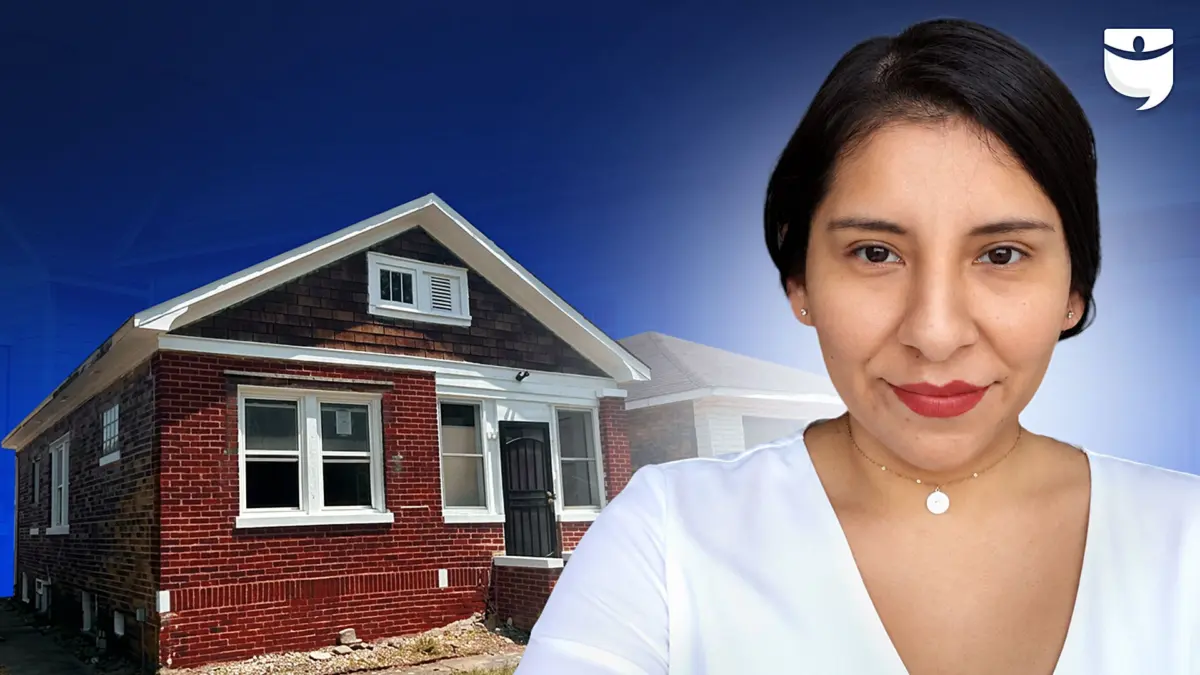
The trajectory of the American real estate market over the last decade has been defined by extreme volatility, characterized by the post-2008 recovery, a period of historic low-interest rates during the COVID-19 pandemic, and a subsequent sharp rise in both property values and borrowing costs. While many prospective investors remained on the sidelines during the interest rate hikes of 2022 and 2023, Lindsay Barrientos, a Los Angeles-based nurse, successfully navigated these headwinds to build a 12-property portfolio. Her transition from a traditional W-2 healthcare role to a real estate entrepreneur and private practice owner provides a case study in strategic market selection, risk management, and the utilization of creative financing in a high-interest-rate environment.
The Catalyst: Professional Burnout and the Search for Financial Autonomy
The genesis of Barrientos’s investment career was rooted in the professional and emotional strain experienced by healthcare workers during the global pandemic. Having served as a nurse for over 14 years, Barrientos found herself on the frontlines in 2020, dealing with the high mortality rates and systemic pressures associated with the COVID-19 crisis. This period led to significant burnout, a phenomenon that prompted a "Great Resignation" within the nursing profession. According to data from the American Association of Critical-Care Nurses, nearly 66% of frontline nurses considered leaving the profession during the pandemic due to stress and mental health challenges.
Barrientos’s response to this professional crisis was to seek a secondary income stream that could eventually provide an exit strategy from clinical nursing. Her initial foray into real estate was unintentional; she had purchased a single-family home in Los Angeles and began "house hacking" by renting rooms to traveling nurses. This strategy effectively offset her mortgage, providing her with the surplus capital necessary to consider more formal investment vehicles. However, the Los Angeles market, where median home prices frequently exceed $1 million, presented a significant barrier to entry for a solo investor. With a 20% down payment on a standard investment property requiring $200,000 or more, Barrientos turned her attention to out-of-state markets where the price-to-rent ratios were more favorable.
Market Selection: The Shift to the Midwest
A critical component of Barrientos’s success was her data-driven approach to market selection. Recognizing that her capital would not stretch far in California, she utilized digital resources, including the BiggerPockets platform and various real estate podcasts, to identify high-yield markets. Her research led her to Northwest Indiana, specifically the cities of Hammond and Gary.
The economic rationale for this shift was clear. While the Los Angeles market offered appreciation potential, it lacked the immediate cash flow required to replace a professional salary. In contrast, Northwest Indiana provided an entry point at a fraction of the cost. Barrientos targeted Hammond initially, a city located approximately 30 miles south of Chicago. The proximity to a major metropolitan hub like Chicago ensures a steady tenant base, while the Indiana tax and regulatory environment is generally considered more "landlord-friendly" than that of Illinois or California.
Chronology of Portfolio Expansion
The growth of Barrientos’s portfolio followed a disciplined timeline of "buying one house at a time" and reinvesting the proceeds into subsequent down payments.
- Late 2022: The Proof of Concept. Barrientos acquired her first formal rental property in Hammond, Indiana, for $135,000. Utilizing a conventional loan with 25% down, she secured an interest rate of 6.01%. The property was a "turnkey" three-bedroom, two-bathroom home that rented for $1,400 per month. After accounting for mortgage payments, taxes, insurance, and property management fees, the asset produced approximately $400 in monthly net cash flow.
- 2023: Entry into the Gary Market. After a year of monitoring her first investment, Barrientos expanded into Gary, Indiana. Historically known as a center for the steel industry, Gary has faced economic challenges but has recently seen renewed interest from investors seeking high cash-on-cash returns. Barrientos purchased a small 800-square-foot home for $55,000, investing $16,000 in renovations. The property was subsequently rented to a Section 8 voucher holder for $1,100 per month, achieving the "2% rule"—a metric where monthly rent equals 2% of the total purchase price.
- 2023–2024: Scaling via the BRRRR Method. To accelerate growth, Barrientos adopted the BRRRR strategy (Buy, Rehab, Rent, Refinance, Repeat). This involved purchasing distressed properties with cash or short-term leverage, renovating them to increase equity, and then performing a cash-out refinance to recover the initial capital.
Navigating Operational Risks: The BRRRR Fire Incident
The path to a 12-property portfolio was not without significant operational setbacks. During one of her BRRRR projects in Gary, Barrientos faced a catastrophic event. She had purchased a property for $33,000 and invested $30,000 in renovations. Just days before the final appraisal for a cash-out refinance, a faulty light fixture caused a fire. While the fire damage was localized, the efforts of the fire department to extinguish the blaze resulted in extensive water damage and structural intrusion.
Despite this, Barrientos proceeded with a second renovation, costing an additional $11,000. The resilience of the strategy was proven when the final appraisal came in at $160,000—significantly higher than her total investment of approximately $74,000. This allowed her to recover all her capital and additional profit through the refinance, which she then used to pay down a Home Equity Line of Credit (HELOC) on her primary residence in Los Angeles.
Strategic Use of Creative and Seller Financing
As interest rates remained elevated throughout 2023 and 2024, Barrientos pivoted toward creative financing to maintain her acquisition pace. Of her 12 properties, five were acquired through seller financing. This method involves the seller acting as the lender, allowing the buyer to bypass traditional banking requirements and often secure more favorable terms.
Barrientos’s strategy for securing these deals involved presenting "dual offers" to sellers:
- A Cash Offer: A lower purchase price (e.g., $50,000) with a quick closing.
- A Seller Finance Offer: A higher purchase price (e.g., $60,000) but with terms that benefited her cash flow, such as a lower down payment or a below-market interest rate.
This approach appealed to motivated sellers—often fellow investors looking to exit the market—who preferred a steady stream of passive income through monthly payments rather than a lump sum burdened by capital gains taxes.
Economic Analysis and Broader Implications
The success of Barrientos highlights a broader trend in the "democratization" of real estate investing through digital communities and long-distance management. By leveraging a local team of property managers, contractors, and realtors, she was able to manage a portfolio 2,000 miles away from her home. This "core team" approach is essential for out-of-state investors to mitigate the risks of property neglect or tenant issues.
Furthermore, Barrientos’s journey underscores the viability of the Midwest as a destination for coastal capital. As of 2024, cities like Gary and Hammond continue to offer entry prices that are accessible to middle-class professionals, a stark contrast to the "lock-in effect" seen in high-cost-of-living areas where current homeowners are reluctant to sell due to their low-interest mortgages.
Conclusion: Career Transition and Community Impact
Today, the cash flow from Barrientos’s 12-property portfolio has facilitated a complete transformation of her professional life. She has successfully transitioned from a frontline W-2 nurse to a Psychiatric Nurse Practitioner, operating her own private practice. This shift allowed her to move away from the grueling schedule of hospital shifts while maintaining a high level of clinical contribution to her community.
In addition to her clinical work, Barrientos has become an advocate for financial literacy through her podcast, Real Estate Chisme, and an online community aimed at encouraging women and people of color to pursue real estate investment. Her story serves as a practical rebuttal to the notion that the "window of opportunity" in real estate has closed. By focusing on cash-flowing markets, utilizing creative financing, and maintaining a long-term perspective, she demonstrated that wealth building is still achievable for the average investor, regardless of macroeconomic timing.
The implications of her success suggest that the future of individual wealth building may lie in the ability to decouple one’s place of residence from one’s place of investment. As Barrientos continues to expand her portfolio—including the addition of Accessory Dwelling Units (ADUs) to her Los Angeles property—she remains a prominent example of how consistent, disciplined action can overcome the barriers of high interest rates and market uncertainty.
