

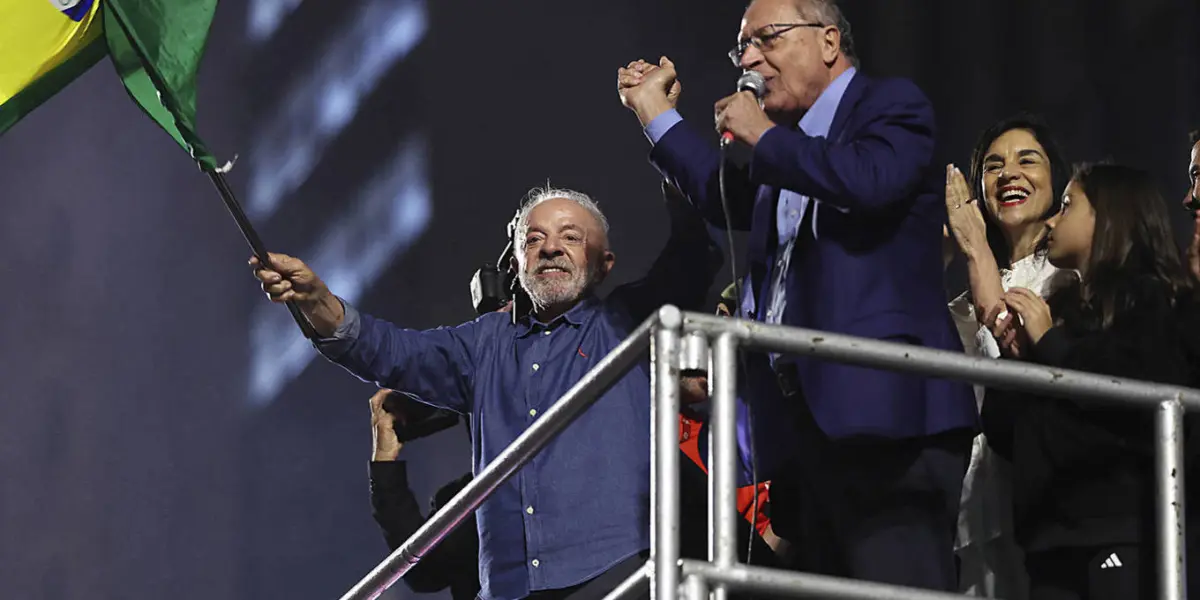
The intricate tapestry of international relations, often characterized by shifting alliances and evolving geopolitical landscapes, has witnessed a significant unraveling of a particular foreign policy ambition with the recent presidential election results in Brazil. The victory of Luiz Inácio Lula da Silva, a figure representing a starkly different ideological current than that favored by the previous U.S. administration, has delivered a formidable blow to what was perceived as Donald Trump’s strategy for the Western Hemisphere. This strategy, aimed at recalibrating the United States’ engagement with its southern neighbors and fostering a more insular, ideologically aligned bloc, now appears to be facing a premature and decisive end.
Trump’s Hemispheric Vision: A Retreat into a Controllable Sphere
During his tenure, Donald Trump articulated a foreign policy that often prioritized national interests and, at times, suggested a withdrawal from multilateral engagements in favor of bilateral or regional arrangements that he could more readily influence. In Latin America, this manifested as an attempt to cultivate relationships with governments that mirrored his own brand of nationalist populism and business-oriented, often assertive, leadership. The underlying objective, as interpreted by many analysts, was to create a more predictable and ideologically cohesive "hemispheric stronghold," ostensibly to counter external influences and solidify American dominance within its traditional sphere of influence.
This strategy involved a degree of strategic disengagement from established liberal democratic partners in favor of embracing leaders who adopted a more transactional approach to governance and international relations. The hope was to build a coalition of client states, or at least ideologically sympathetic regimes, that would align with American objectives, particularly in areas of trade, security, and immigration. This vision was predicated on the assumption that these nations would find common ground with Trump’s "business-first" and "mano dura" (iron fist) posturing, thereby creating a more favorable environment for American economic and political interests.
The Brazilian Election: A Watershed Moment
The presidential election in Brazil, a nation of immense economic and geopolitical significance, represented a crucial juncture for Trump’s envisioned hemispheric order. The outcome of this election was widely seen as a litmus test for the viability of his strategy. Had the candidate aligned with Trump’s ideological preferences emerged victorious, it would have provided a significant boost to his project, potentially emboldening similar movements across the region.
However, the return of Luiz Inácio Lula da Silva to the presidency, following a closely contested and often acrimonious election, fundamentally altered this trajectory. Lula’s political platform, rooted in social justice, economic redistribution, and a more multilateral approach to foreign policy, stands in stark contrast to the policies and rhetoric championed by Trump. His victory, therefore, is not merely a domestic political shift but a symbolic repudiation of the ideological underpinnings of Trump’s hemispheric strategy.
Background and Context of the Brazilian Election
The Brazilian presidential election was a deeply polarized contest, reflecting the profound divisions within the country. The incumbent, Jair Bolsonaro, represented a conservative and nationalist platform, often characterized by its alignment with evangelical Christian values, a pro-business agenda, and a strong stance on law and order. Bolsonaro’s presidency had seen a significant shift in Brazil’s foreign policy, with a closer alignment to the Trump administration and a more skeptical view of international institutions.
On the other side of the political spectrum was Luiz Inácio Lula da Silva, a former two-term president from the Workers’ Party (PT). Lula’s previous presidencies (2003-2010) were marked by significant social programs that lifted millions out of poverty and a more active role for Brazil on the international stage, including its participation in the BRICS group (Brazil, Russia, India, China, and South Africa). His return to power signaled a desire by a substantial portion of the Brazilian electorate for a return to policies focused on social welfare and a more inclusive economic model.
The election campaign itself was fraught with tensions, characterized by intense rhetoric, allegations of misinformation, and concerns about the integrity of the electoral process. Bolsonaro, like Trump, often employed populist tactics and directly challenged democratic norms. The narrow margin of victory for Lula underscored the deep societal cleavages and the significant support base that Bolsonaro maintained.
Timeline of Events Leading to the Shift
The unfolding of Trump’s Latin America strategy and its potential derailment can be traced through a series of events and policy shifts:
- Early Trump Administration (2017-2018): Trump’s "America First" rhetoric began to shape his approach to Latin America. Initial focus was on trade deals, immigration control, and challenging the established political order in countries like Venezuela.
- Rise of Populist Movements (2018-2019): The election of Jair Bolsonaro in Brazil in October 2018 was a significant development, seen by many as a key ally for Trump’s vision of a more ideologically aligned Western Hemisphere. Bolsonaro’s campaign and subsequent presidency mirrored many of Trump’s rhetorical themes and policy priorities.
- Bolsonaro’s Inauguration and Bilateral Relations (2019): Bolsonaro’s inauguration saw a strengthening of ties between Brazil and the United States, with frequent high-level meetings and a shared approach on several international issues.
- Continued Hemispheric Push (2019-2020): Trump’s administration continued to engage with other right-leaning governments in the region, seeking to consolidate a bloc of like-minded leaders. This involved diplomatic pressure, economic incentives, and sometimes, public endorsements.
- US Presidential Election (November 2020): The defeat of Donald Trump in the U.S. presidential election marked the beginning of a significant shift in American foreign policy. The incoming Biden administration signaled a return to multilateralism and a more traditional approach to diplomacy.
- Brazilian Presidential Election (October 2022): The victory of Luiz Inácio Lula da Silva in Brazil represented a direct challenge to the ideological currents that Trump had sought to foster in the region. This election, occurring after Trump’s departure from office, effectively dismantled the nascent coalition he had aimed to build.
Supporting Data and Analysis
The impact of Lula’s victory extends beyond symbolic gestures. Brazil’s economic trajectory and its role in regional and global forums are critical. Under Bolsonaro, Brazil’s GDP growth had been modest, and its international standing had been somewhat diminished due to environmental policies and strained relations with some key trading partners.
- Economic Indicators: Brazil is the largest economy in Latin America. Lula’s victory is expected to usher in policies aimed at stimulating domestic demand, investing in social programs, and potentially re-engaging with international development banks. This shift could influence regional economic trends and trade flows, potentially diverting from the more protectionist or bilateral trade arrangements favored by the Trump administration.
- Environmental Policy: Brazil’s commitment to environmental protection, particularly the Amazon rainforest, is a global concern. Lula has pledged to reverse the deforestation policies of the Bolsonaro administration, a move that is likely to be welcomed by international environmental organizations and countries that view climate change as a pressing threat. This could lead to increased international cooperation on environmental issues, a departure from the skepticism often expressed by the Trump administration.
- Regional Diplomacy: Lula’s return to power signals a potential revitalization of regional diplomacy and multilateralism. Brazil is likely to play a more active role in organizations like Mercosur and the Community of Latin American and Caribbean States (CELAC), potentially fostering a more independent and diversified foreign policy for the region, less reliant on direct alignment with the United States.
Official Responses and Inferred Reactions
While direct official statements from the Trump camp following Lula’s victory are not detailed in the provided text, the implication is clear: the defeat represents a significant setback.
- Inferred Reaction from Trump’s Camp: The strategy was built on fostering sympathetic regimes. Lula’s victory directly undermines this by installing a leader with a fundamentally different ideology and approach to governance. This would likely be viewed as a personal and political defeat for Trump, signifying the failure of a key pillar of his foreign policy vision.
- Inferred Reaction from Lula’s Camp: Lula and his supporters would view the victory as a triumph for democracy, social justice, and a more inclusive vision for Brazil and Latin America. They would likely see it as an opportunity to restore Brazil’s international standing and pursue a more independent foreign policy.
- International Reactions (General): The international community, particularly liberal democracies and environmental advocates, largely welcomed Lula’s victory. Many saw it as a positive development for democratic values and a commitment to addressing climate change. Conversely, governments that had aligned closely with Bolsonaro’s administration might view the outcome with concern, anticipating a shift in regional dynamics.
Broader Impact and Implications
The ramifications of Lula’s victory extend far beyond Brazil’s borders, casting a long shadow over the future of U.S.-Latin American relations and the broader geopolitical landscape.
- Weakening of the Far-Right in Latin America: Lula’s win, coupled with a perceived broader shift against far-right populism in some parts of the region, could embolden more moderate and progressive forces. This might lead to a less fragmented and more ideologically diverse political landscape, moving away from the kind of bloc-building Trump had envisioned.
- Resurgence of Multilateralism: A Lula presidency is likely to champion multilateral institutions and regional cooperation. This could lead to a stronger and more unified Latin American voice on the global stage, potentially challenging U.S. dominance on certain issues and advocating for a more equitable international order.
- Shifting U.S. Foreign Policy Calculus: The failure of Trump’s hemispheric strategy may force a recalibration of how future U.S. administrations approach Latin America. The Biden administration has already signaled a return to more traditional diplomatic engagement, and Lula’s victory reinforces the need for a nuanced and inclusive approach that respects the sovereignty and diverse political aspirations of Latin American nations.
- Economic Reorientation: Brazil’s potential shift towards more socially focused economic policies could influence trade patterns and investment flows within the region. This might create new opportunities for economic cooperation and integration, potentially with a greater emphasis on sustainable development and equitable growth.
In conclusion, the election of Luiz Inácio Lula da Silva in Brazil represents a significant turning point, not only for Brazil but for the entire Western Hemisphere. It marks the apparent demise of Donald Trump’s ambitious project to reshape the region in his ideological image, signaling a potential resurgence of multilateralism, a renewed focus on social justice, and a more independent trajectory for Latin American nations. The geopolitical landscape of the Americas is, therefore, poised for a significant redefinition in the coming years.
