

The landscape of the American West is dotted with the skeletal remains of a 19th-century gold and silver rush, a legacy of prosperity that has left behind a staggering environmental debt. For decades, the primary obstacle to cleaning up these hundreds of thousands of abandoned mines was not a lack of will or technical expertise, but a legal paradox: under federal law, any organization that attempted to remediate a site could be held indefinitely liable for its pre-existing pollution. This stalemate shifted significantly with the passage of the Good Samaritan Remediation of Abandoned Hardrock Mines Act of 2024, a bipartisan piece of legislation designed to shield non-liable parties from the crushing weight of legacy environmental regulations. In September 2026, this new legal framework reached a historic milestone as the U.S. Environmental Protection Agency (EPA) issued the first-ever permit under the Act to the conservation organization Trout Unlimited for the restoration of the Bodie Mine in Okanogan County, Washington.
The Environmental Legacy of the General Mining Act of 1872
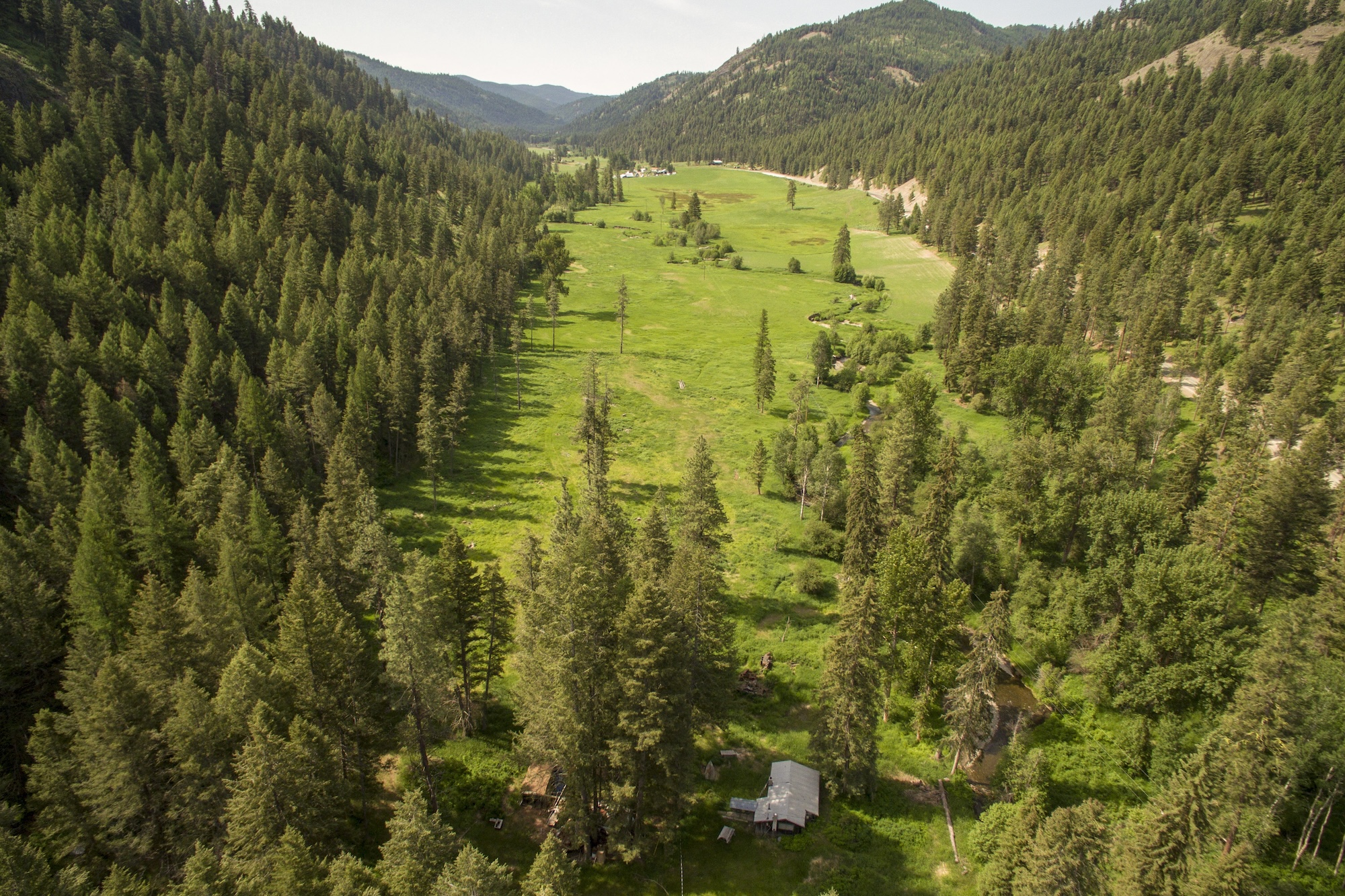
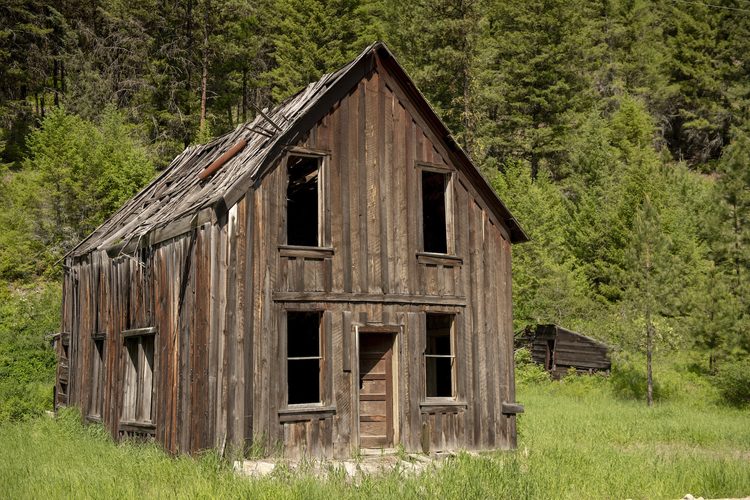
To understand the necessity of the Good Samaritan Act, one must look back to the General Mining Act of 1872. Signed into law by President Ulysses S. Grant, the Act was designed to encourage the development of the West by allowing citizens to claim and mine minerals on federal lands for very low costs. However, the law contained no provisions for environmental protection or site reclamation. When ore veins were exhausted or market prices plummeted, mining companies simply walked away, leaving behind open shafts, unstable tailings piles, and a chemical legacy known as acid mine drainage.
The United States Bureau of Land Management (BLM) estimates that there are approximately 500,000 abandoned mines across the country. While many are merely physical hazards, tens of thousands are actively leaching toxic heavy metals into the nation’s headwaters. According to the EPA, abandoned mines have contaminated more than 40 percent of the watersheds in the American West. These sites discharge a cocktail of arsenic, lead, mercury, and cadmium, which decimates aquatic life, threatens drinking water supplies, and creates long-term health risks for nearby communities.
The Liability Trap: Why Good Samaritans Stayed Away
For nearly half a century, the primary federal tools for environmental cleanup have been the Comprehensive Environmental Response, Compensation, and Liability Act (CERCLA)—better known as Superfund—and the Clean Water Act (CWA). While these laws were instrumental in forcing polluters to pay for their messes, they created a "liability trap" for third parties.
Under the Clean Water Act, any entity that "discharges" a pollutant into a waterway must obtain a permit and meet strict water quality standards. If a conservation group attempted to treat water draining from an abandoned mine, they would technically become the "operator" of the discharge point. If the treated water failed to meet 100 percent of the stringent standards—even if it was significantly cleaner than before—the group could be sued by private citizens or fined by the government. Similarly, under CERCLA, a group moving contaminated soil could be labeled a "potentially responsible party," making them liable for the entire cost of a multi-million-dollar cleanup.

Corey Fisher, the public lands policy director at Trout Unlimited, summarized the frustration felt by many conservationists: "We found that if we stepped in to clean up abandoned mines, we would be treated under federal law as if we were the ones who created the pollution to begin with. All we want to do is make it better."
The Good Samaritan Act of 2024: A Controlled Experiment
The Good Samaritan Remediation of Abandoned Hardrock Mines Act was born from years of negotiation between lawmakers, mining industry representatives, and environmental advocates. The resulting legislation is not a permanent, blanket exemption from environmental laws but rather a carefully monitored pilot program.

The Act allows the EPA to issue "Good Samaritan permits" to state agencies, local governments, Tribal nations, and non-profit organizations. These permits provide targeted liability protection under the Clean Water Act and CERCLA, provided the "Good Samaritan" had no role in the creation of the mine waste and has no financial interest in the minerals at the site. To address concerns from some environmental groups that the law might be exploited by mining companies seeking to reprocess waste for profit, the program is limited to a seven-year trial run with a maximum of 15 pilot projects. After this period, Congress will review the results to determine if the protections should be made permanent.
Case Study: The Bodie Mine Restoration Project
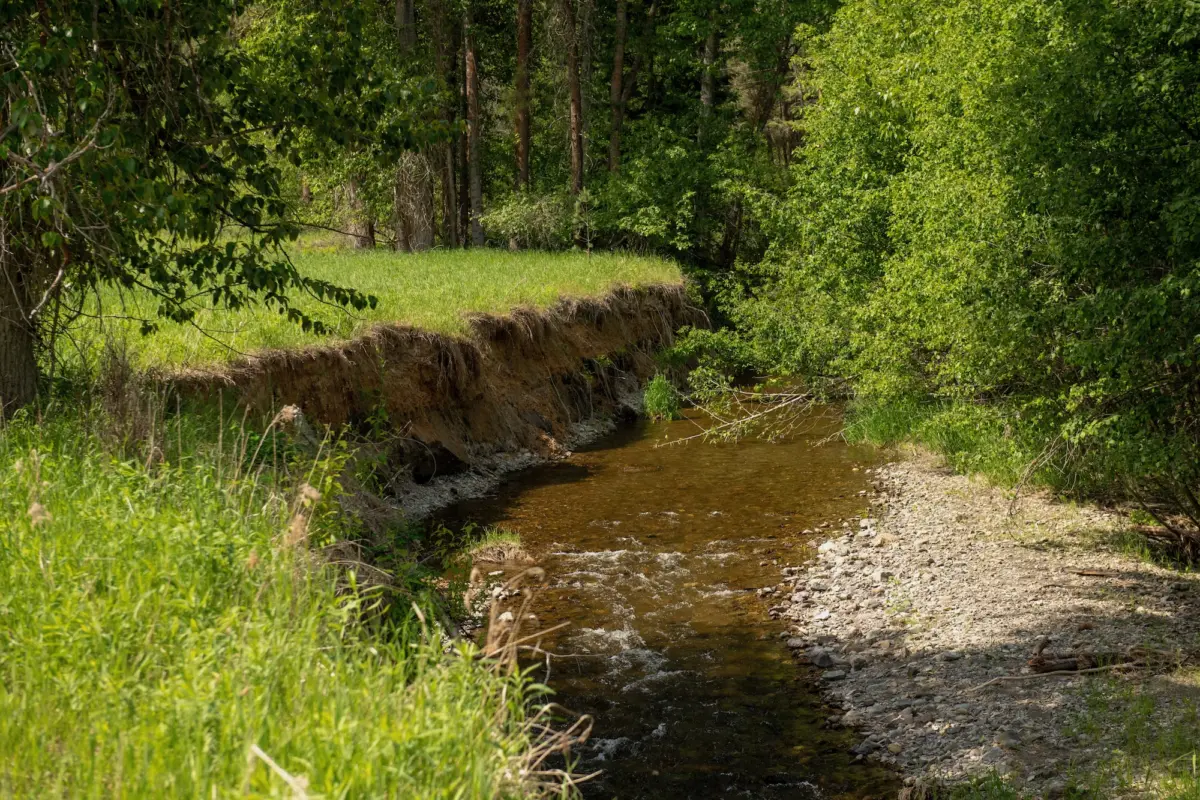
The Bodie Mine in Okanogan County, Washington, serves as the inaugural test case for this new era of remediation. A relatively small site compared to the massive "mega-sites" found in the Rockies, the Bodie Mine is nonetheless a persistent source of pollution for Toroda Creek.

The project, spearheaded by Trout Unlimited, aims to address roughly 790 tons of mine tailings—the crushed rock left over after mineral extraction. These tailings are heavily contaminated with arsenic, lead, and mercury. Currently, these toxins erode into Toroda Creek at a rate of approximately 104 tons per year during rain events and spring thaws.
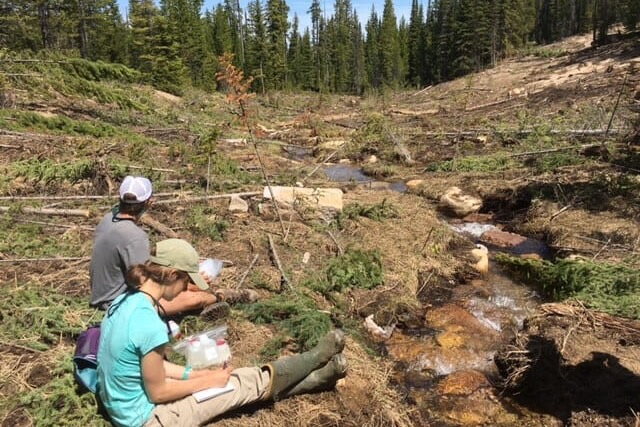
Trout Unlimited’s plan involves removing the contaminated soil and sediment from the streambank and relocating it to a stable, lined repository away from the water. The project is estimated to cost $500,000, funded through a combination of public grants, private initiatives, and the organization’s membership base. While Trout Unlimited has successfully completed nearly 200 miles of stream restoration in the past, those projects often required years of laborious legal negotiations with the EPA to secure individual settlement agreements. The Good Samaritan permit streamlines this process, providing a clear legal pathway that reduces administrative costs and legal risks.

The Funding Gap: A $60 Billion Challenge
While the Good Samaritan Act solves the legal hurdle, it does little to address the financial one. A report by the National Association of Abandoned Mine Land Programs estimates that cleaning up the physical and environmental hazards of all abandoned hardrock mines in the U.S. would cost approximately $60 billion.
Currently, funding for hardrock mine cleanup is a patchwork of small federal and state programs. The federal Abandoned Hardrock Mine Reclamation Program, recently established to help bridge the gap, receives only about $5 million annually—a drop in the bucket compared to the billions required.
Aaron Mintzes, deputy policy director at the environmental nonprofit Earthworks, points out a glaring disparity in how the U.S. handles different types of mining. "The United States of America is the only nation in the world that receives zero royalties from hardrock mining on public lands. As a result, there’s no polluter-pay funding mechanism for abandoned hardrock mine cleanup," Mintzes said. In contrast, the coal industry has been subject to the Surface Mining Control and Reclamation Act of 1977 (SMCRA), which imposes a fee on every ton of coal mined to fund the restoration of abandoned coal mines.
Lessons from Pennsylvania: The State Precedent
The concept of "Good Samaritan" protections is not entirely new. Pennsylvania, a state ravaged by centuries of coal mining, enacted its own Environmental Good Samaritan Act in 1999. While the state law could not override federal Clean Water Act requirements, it provided vital protection against state-level civil lawsuits.

Anne Daymut, watershed coordinator at the Western Pennsylvania Coalition for Abandoned Mine Reclamation, notes that the state law acted as a "comfort layer" for local watershed groups. However, she emphasizes that the real driver of Pennsylvania’s success—which includes over 350 water treatment systems—was the consistent flow of federal money from the coal mine reclamation fund. "The Good Samaritan Act is really just a supporting player," Daymut said. "Government funding was the main driver."
Implications and the Road Ahead
The success or failure of the Bodie Mine project will likely dictate the future of hardrock mine remediation in the United States. If Trout Unlimited can demonstrate that third-party cleanups can be conducted safely and effectively without triggering endless litigation, it may pave the way for more ambitious "point source" cleanups.

Point source pollution, such as direct drainage from a mine adit (tunnel), is significantly more difficult to manage than the "nonpoint" erosion found at Bodie. Point source remediation requires the construction of water treatment plants, which involve ongoing operational costs and higher liability risks. Ryan Ellis, director of legislative and regulatory affairs at the Interstate Mining Compact Commission, argues that the Good Samaritan Act is essential for these more complex sites. "Without this legislation, you could have all the funding you need and still not be able to do water treatment projects," Ellis said.
As of late 2026, the EPA is actively seeking candidates for the remaining 14 pilot project slots. Agency spokesperson Mike Bastach indicated that interest is rising, with expectations that all 15 permits will be granted within the next two to three years.

The Bodie Mine restoration is a small but vital step toward addressing a continental-scale problem. By removing the legal threat that once discouraged environmental "Good Samaritans," the Act has opened a door. However, the path to a full restoration of the American West will require not just legal protection, but a monumental shift in how the nation funds the cleanup of its industrial past. As the excavators begin their work in Okanogan County, the eyes of the conservation and mining communities are fixed on Toroda Creek, waiting to see if this new model of cooperation can finally begin to heal the scars of the 19th century.
