

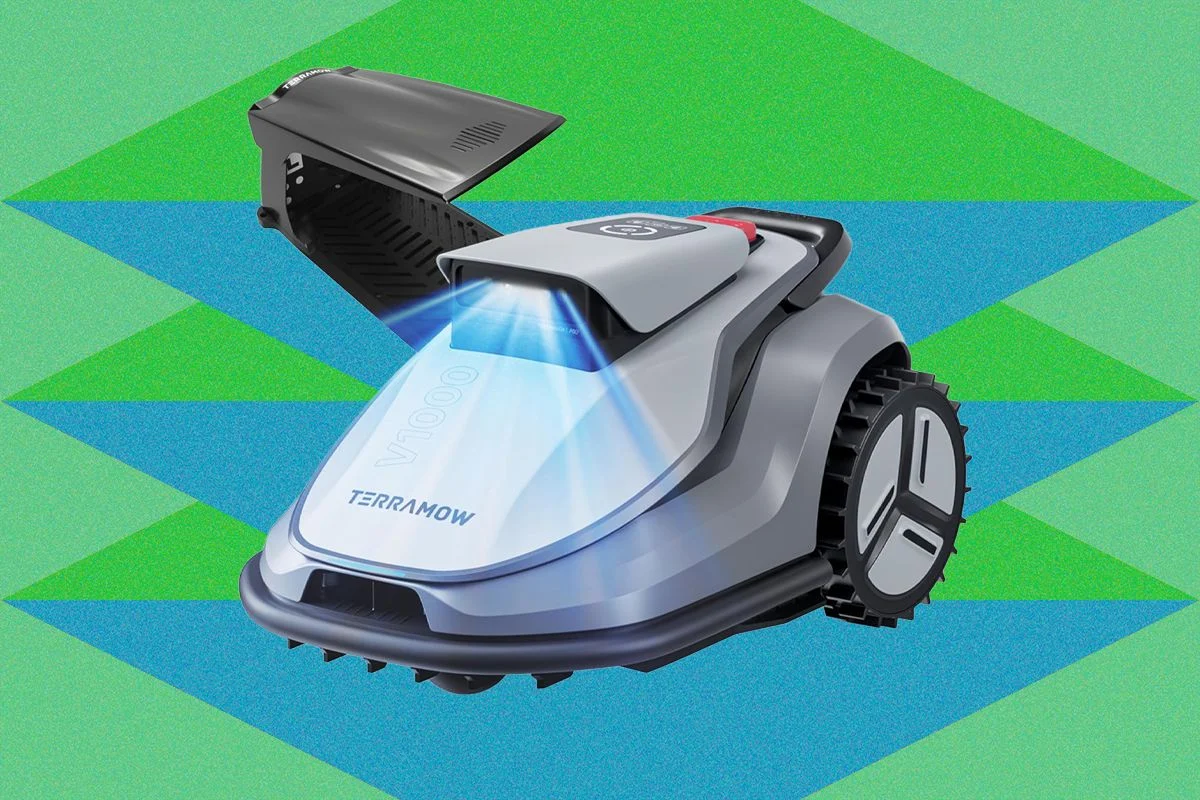
The landscape of residential property maintenance is undergoing a significant technological transformation as robotic lawn mowers transition from niche luxury items to mainstream household appliances. This shift is driven by the rapid maturation of navigation technologies, including Real-Time Kinematic (RTK) GPS, LiDAR, and AI-driven computer vision, which are collectively eliminating the need for the cumbersome perimeter wires that once defined the category. As the 2024 mowing season progresses, intensive field testing of the latest models reveals a market characterized by high-performance innovations alongside persistent software and design challenges. Professional evaluations conducted over several months indicate that while the "set-it-and-forget-it" ideal is closer than ever, consumer success remains highly dependent on yard topography, signal stability, and the specific sensor suite utilized by the hardware.
The Current State of Autonomous Navigation Technology
Historically, the primary barrier to robot mower adoption was the requirement for a buried boundary wire. This installation process was labor-intensive and prone to failure if the wire was severed by gardening tools or erosion. The current generation of mowers, however, utilizes a variety of wireless navigation systems. LiDAR (Light Detection and Ranging) provides 360-degree 3D mapping, allowing mowers to "see" their environment in real-time. This is often supplemented by AI vision cameras that identify specific obstacles—such as pets, toys, or lawn furniture—that traditional bump sensors might miss.
Another prevalent technology is RTK-GPS, which enhances standard satellite signals to provide centimeter-level positioning accuracy. However, this system requires a clear line of sight to the sky, making it less effective in yards with heavy tree canopies or narrow passages between tall buildings. Consequently, manufacturers are increasingly adopting hybrid approaches, combining optical sensors with satellite data to ensure continuous operation even when GPS signals fluctuate.

Performance Analysis of Leading Wire-Free Models
Among the models currently leading the market in terms of efficiency and design is the Mova Lidax 2000. This unit employs a sophisticated blend of 360-degree LiDAR for environmental mapping and an AI-equipped camera for obstacle recognition. In field trials, the Lidax 2000 demonstrated high efficacy in navigating complex environments, such as narrow corridors and sporting equipment like badminton nets. Its ability to perform precision edge cutting—often a weakness in robotic mowers—sets it apart from competitors. Despite these strengths, the unit is not without flaws; testers reported that the mower occasionally struggled with uneven terrain, leading to instances where the wheels "chewed" the turf while attempting to regain traction. For smaller properties, the Lidax 1000 offers an identical feature set at a lower price point, optimized for areas of a quarter-acre or less.
Husqvarna, a legacy leader in the industry, has responded to the wireless trend with the Aspire R6V. Moving away from the expensive RTK antennas found in its high-end Nera line, the R6V utilizes a combination of GPS and front-facing AI vision. This model is noted for its ease of setup via a proprietary mobile application. However, its performance is heavily tethered to the quality of the home Wi-Fi network. Testing revealed that the R6V’s obstacle avoidance system may be overly sensitive, frequently leaving large uncut patches around the perimeter of the lawn. While currently limited to the European and UK markets, the R6V represents a strategic move by Husqvarna to capture the mid-range consumer segment.
The Eufy Robot Lawn Mower E15 presents an alternative for users who prefer optical navigation over satellite-based systems. By relying on cameras to map the lawn and avoid obstacles, it avoids the signal dropouts associated with GPS. The E15 is designed for smaller yards, roughly 0.2 acres, and operates at a low decibel level. However, its reliance on visual light means it is generally restricted to daytime operation, and its performance degrades significantly on damp grass or inclines exceeding 18 degrees.
Budget Considerations and Discontinued Innovations
The budget segment of the market remains volatile. The Anthbot Genie 3000 has been a frequent recommendation for cost-conscious consumers due to its auto-mapping capabilities and neat cutting lines. Nevertheless, as the industry moves toward camera-based systems, the Genie 3000’s reliance on a satellite antenna is becoming an outdated drawback. Common issues reported include glitches in rain sensors and "flaky" GPS connections in front yards or areas with partial obstructions.

In contrast, some highly anticipated models have failed to meet the rigors of real-world use. The EcoFlow Blade, which featured a unique design and robust object avoidance, has been largely discontinued in North American markets following reports of inconsistent GPS navigation and a tendency to become immobilized in flower beds. Similarly, the Yardcare E400, a budget-oriented boundary wire model, was flagged by evaluators as having significant design flaws, including an inability to reliably dock with its charging station and frequent mechanical stalling.
Critical Failures in Obstacle Recognition and Safety
Safety remains a paramount concern for autonomous outdoor machinery. The Stiga A6V, despite its sleek appearance and antenna-free setup, raised alarms during testing due to its slow reaction times. The AI vision system struggled to navigate around small objects and, in some instances, failed to stop when approaching domestic pets. Furthermore, the absence of features like auto-mapping and "spot-mow" (the ability to target a specific high-growth area) makes it less competitive than newer entrants. Such failures highlight the importance of redundant sensor systems—combining ultrasonic, optical, and physical touch sensors—to ensure the safety of both the machine and the household.
Technical Specifications and Environmental Impact
Robot mowers typically operate at noise levels between 55 and 75 decibels, significantly quieter than the 90+ decibels produced by traditional gasoline-powered mowers. This allows for operation during early morning or late evening hours without violating local noise ordinances.
From an environmental and horticultural perspective, these devices offer distinct advantages. Unlike traditional mowers that bag or discharge large clumps of grass, robot mowers are designed for "micro-mulching." By cutting the grass frequently—often two to three times per week—the robots return tiny clippings to the soil. These clippings decompose quickly, acting as a natural fertilizer and helping the soil retain moisture. This process can lead to a noticeably healthier, greener lawn over a single growing season.

Chronology of Testing and Future Outlook
The evaluation of these devices is an ongoing process. Comprehensive reviews typically involve a minimum of one month of daily operation across varied lawn types. The current testing pipeline includes the Sunseeker X7 Gen 2, the Eufy C15, and upcoming entries from Roborock and Navimow. This continuous cycle of testing is necessary because manufacturer firmware updates can significantly alter a mower’s performance, often fixing navigation bugs or improving battery efficiency weeks after a product’s initial launch.
The broader implications of this technology extend beyond simple convenience. As battery density improves and AI becomes more adept at interpreting complex outdoor environments, the reliance on manual labor for landscaping will likely continue to decrease. Industry analysts predict that the integration of robot mowers into broader "Smart Home" ecosystems will eventually allow for coordinated outdoor maintenance, where mowers, smart irrigation systems, and weather stations work in tandem to optimize lawn health while minimizing water and power consumption.
Conclusion and Recommendations for Consumers
For homeowners considering an entry into the world of autonomous mowing, the following data-driven conclusions should guide the purchasing process:
- Infrastructure Requirements: A robust Wi-Fi signal or a dedicated 4G/5G data plan is increasingly essential for the latest AI-driven models to function and receive critical security updates.
- Topography Matters: Properties with steep slopes (over 20 degrees) or highly irregular boundaries still present challenges for most consumer-grade robots. High-end AWD (All-Wheel Drive) models remain the only reliable solution for such terrain.
- Maintenance Expectations: While the robots handle the bulk of the mowing, they cannot yet replace the need for occasional manual string trimming along walls, fences, and charging stations.
- Weather Resilience: While most units carry an IPX rating for rain resistance, long-term durability is improved by housing the charging station in a shaded or protected area and storing the unit indoors during winter months.
As the market matures, the distinction between high-performance tools and expensive novelties is becoming clearer. The transition to wire-free navigation is nearly complete, and the next frontier will be the refinement of AI to handle the most unpredictable elements of the suburban backyard. For now, the Mova Lidax and Husqvarna series represent the most reliable paths forward, provided the user is willing to perform the initial digital mapping with precision.
