

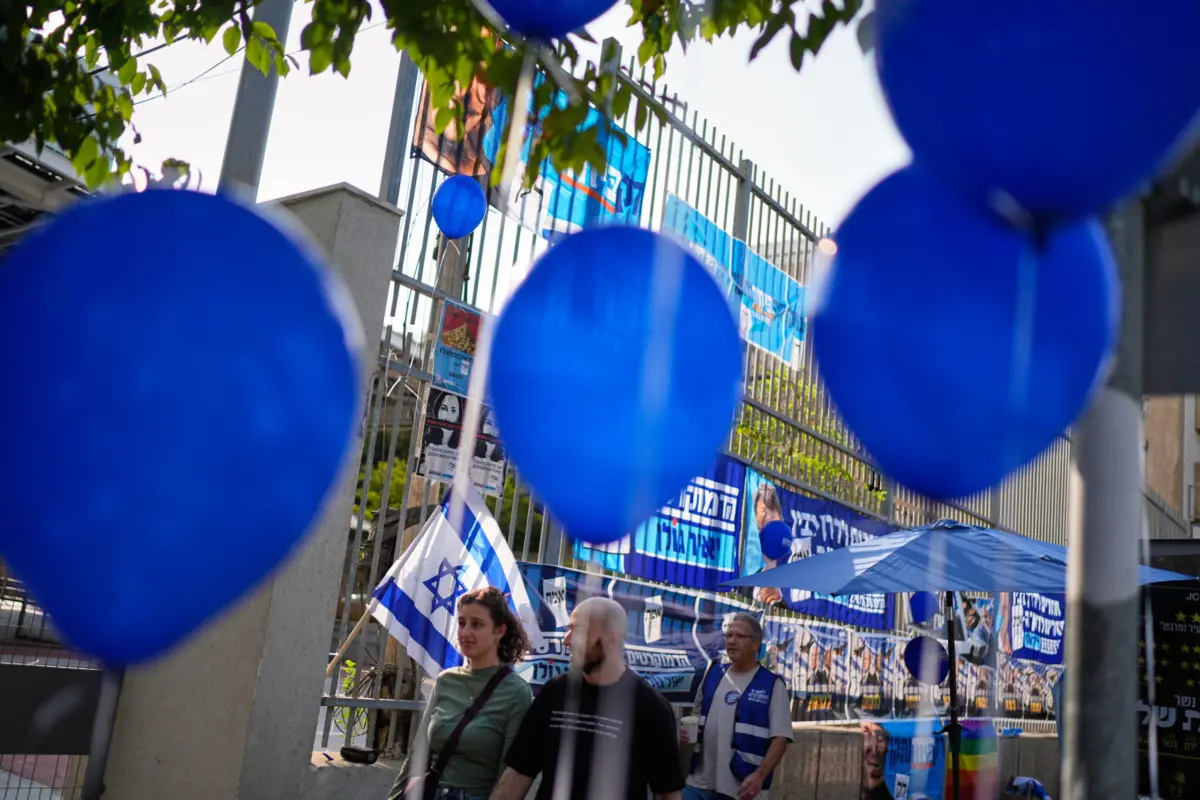
The 2026 Israeli general election has seen an extraordinary surge in democratic participation, with nearly 45 percent of the electorate casting ballots by mid-afternoon on Tuesday. According to data released by Israel’s Central Elections Committee, the turnout recorded by 2:00 PM (12:00 GMT) represents the highest engagement level at this stage of a polling day in more than half a century. This surge, approximately 6 percent higher than the turnout at the same interval during the 2022 elections, underscores the high stakes of a vote that many observers characterize as a definitive referendum on the nation’s future and its current leadership.
The atmosphere across the country is one of intense civic mobilization, despite adverse weather conditions including heavy rain, blustery winds, and localized flood warnings in several regions. Long lines have been reported at polling stations from the Galilee in the north to the Eilat panhandle in the south. Political analysts suggest that the urgency felt by the public is a direct reflection of the tumultuous years following the October 7, 2023, attacks and the subsequent multi-front wars that have reshaped the Israeli social and political landscape.
Historical Context and the 1973 Parallel
The current election is being held against a backdrop of national trauma and military engagement, drawing immediate comparisons to the 1973 elections. In that year, Israel was reeling from the Yom Kippur War, a surprise conflict that shook the nation’s sense of security and led to a massive reshuffling of the political order. Mitchell Barak, a prominent pollster and former aide to Prime Minister Benjamin Netanyahu, noted that the current turnout is on a trajectory to surpass the historic peaks of the 1970s.
The 1973 election saw a turnout of nearly 77 percent, a figure driven by a population seeking accountability and a clear path forward after a period of existential threat. In 2026, the sentiment appears similar. The ongoing security challenges, the longest period of continuous combat in the state’s history, and the deep internal divisions over the country’s democratic character have driven voters to the polls in "unprecedented" numbers. For many, the act of voting is seen as a way to weigh in on the military and diplomatic strategies pursued by the Netanyahu administration over the last three years.
The Referendum on Benjamin Netanyahu
Prime Minister Benjamin Netanyahu, the longest-serving leader in Israeli history, faces what is perhaps his most difficult electoral challenge. This election is widely viewed as a public judgment of his handling of the security failures leading up to October 7, 2023, and his management of the protracted wars in Gaza and Lebanon that followed. While his supporters credit him with navigating the country through its darkest hour and maintaining a firm stance against regional adversaries, his critics argue that his policies have isolated Israel internationally and deepened domestic rifts.
Netanyahu’s campaign has focused heavily on security and the "total victory" narrative. However, his main rival, Gadi Eisenkot—a former Chief of Staff of the Israel Defense Forces (IDF) and a member of the National Unity party—has presented a platform focused on institutional restoration, strategic clarity, and a return to more traditional governance. The personal and political rivalry between Netanyahu and Eisenkot has polarized the electorate, leaving little room for middle-ground candidates.
The Impact of High Turnout on the 3.25 Percent Threshold
One of the most critical technical aspects of the Israeli electoral system is the 3.25 percent threshold required for a party to enter the Knesset. In a high-turnout election, the total number of votes needed to cross this threshold increases significantly. Mitchell Barak highlighted that this dynamic tends to favor larger, established parties while putting smaller, niche parties at risk of being wiped out of the legislature.
"Those numbers are going to help the incumbent parties," Barak explained. "As the number of votes needed to meet that threshold increases dramatically, smaller parties that may have hovered around the 3.25 percent mark in previous cycles are now finding themselves in a precarious position." This could lead to a consolidation of power within two or three large blocs, potentially making it easier to form a coalition—or, conversely, leading to another stalemate if the blocs are evenly matched.

The Arab Electorate and Allegations of Voter Suppression
A central narrative of the 2026 election is the mobilization of the Palestinian citizens of Israel, who make up approximately 20 percent of the population. Historically, this demographic has seen fluctuating turnout rates, often influenced by the perceived impact their representatives can have in the Knesset. However, early reports from Tuesday suggest an "unprecedented" turnout in Arab towns and cities.
Ahmed Tibi, a veteran lawmaker and leader of the Hadash-Ta’al alliance, stated that the Arab public is voting in record numbers to protect their rights and influence the country’s direction. This surge has prompted a sharp reaction from the Prime Minister. In a social media message delivered five hours after the polls opened, Netanyahu urged his supporters to "stream to the polls," warning that high turnout among his opponents and Arab voters could lead to his defeat. His campaign has utilized the slogan "the right or Palestine," a phrase critics decry as inflammatory but which his base views as a necessary warning about the influence of Arab parties on the government.
Despite the high turnout, serious concerns have been raised regarding voter suppression. The Association for Civil Rights in Israel (ACRI) filed an official complaint with the Central Elections Committee, citing widespread delays in at least 18 Arab communities. The ACRI has asked for an immediate investigation into whether these delays—some lasting several hours—are deliberate attempts to discourage voters.
Furthermore, reports of a heavy police and National Guard presence in the Negev Desert have sparked alarm. In several Bedouin communities, residents reported that officers were using "crowd control" measures at polling station entrances, which effectively slowed down the voting process. Rights groups argue that such tactics, whether intentional or not, create a climate of intimidation that can suppress the vote in marginalized communities.
Chronology of Election Day
- 7:00 AM: Polls open across Israel. Despite early morning rain, queues begin to form in major urban centers like Tel Aviv and Jerusalem.
- 10:00 AM: The Central Elections Committee reports an initial turnout of 15 percent, already tracking higher than the 2022 figures.
- 12:00 PM: Netanyahu releases his first video appeal of the day, emphasizing the "fateful moment" and urging Likud supporters to vote.
- 2:00 PM: Turnout hits 45 percent. The 50-year record is officially noted by analysts.
- 3:30 PM: ACRI files its complaint regarding delays in Arab sectors.
- 5:00 PM: Reports of flooding in the Arava region lead to the temporary closure of two polling stations, with voters redirected to nearby locations.
- 8:00 PM: (Anticipated) Final surge as workers return home.
- 10:00 PM: Polls close, and television networks are expected to release initial exit polls.
Political Implications and Potential Coalitions
The outcome of this election will determine not only the next Prime Minister but also the trajectory of Israel’s regional policy. Both Netanyahu and Eisenkot have publicly ruled out a formal coalition with Arab parties, citing fundamental disagreements over the state’s Zionist identity. However, political analysts suggest that a "safety net" arrangement—where Arab parties support a minority government from the outside to prevent a Netanyahu-led coalition—remains a possibility.
If Netanyahu’s bloc fails to secure a 61-seat majority, the country could face further political instability. Conversely, an Eisenkot victory would likely signal a shift toward a more centrist approach, focusing on repairing relations with the United States and exploring new regional security frameworks.
The high turnout suggests that the Israeli public is no longer content with the political gridlock that characterized the five elections held between 2019 and 2022. By casting their ballots in record numbers, citizens are demanding a clear mandate for whichever leader emerges victorious.
Broader Societal Impact
Beyond the immediate political horse race, the 2026 election reflects a society in deep transition. The mobilization of the "silent majority" and the increased participation of the Arab sector indicate a desire for a more responsive and accountable government. The challenges of the past three years—economic strain due to the war, the displacement of thousands of citizens from border towns, and the ongoing hostage crisis—have politicized segments of the population that were previously disengaged.
As the sun sets on election day, the record-breaking turnout stands as a testament to the resilience of Israeli democracy, even under the shadow of war and internal strife. However, the allegations of suppression in Arab towns serve as a reminder of the fragile nature of that democracy and the long road ahead for national reconciliation. The final results, expected to be tallied over the coming days, will provide the first glimpse into how a nation transformed by conflict intends to govern itself in a post-October 7 world.
