

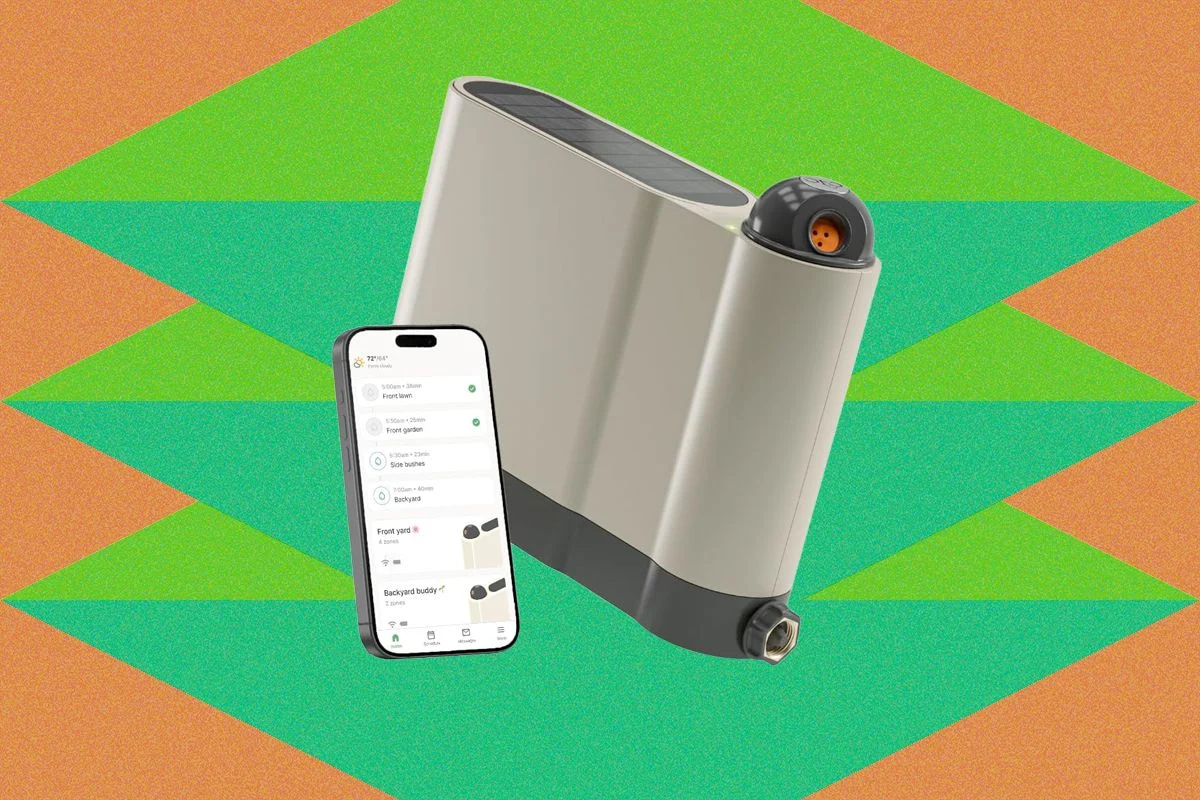
The landscape of residential irrigation is undergoing a significant technological transformation as homeowners increasingly pivot from traditional mechanical timers to sophisticated, app-driven precision systems. Leading this shift is the Oto smart sprinkler, a device that seeks to bridge the gap between affordable DIY solutions and high-end, professionally installed systems like Irrigreen. By utilizing a precision-beam delivery method and a highly customizable software interface, Oto aims to solve the perennial problem of water waste caused by overspray and inefficient distribution patterns. As water scarcity becomes an escalating concern across the globe, the emergence of these "smart" watering solutions represents more than just a convenience for the modern homeowner; it marks a fundamental change in how ecological resources are managed at the domestic level.
The Evolution of Precision Irrigation Technology
For decades, the standard for residential lawn care remained relatively stagnant, relying on oscillating or rotary sprinklers that distributed water in broad, often imprecise arcs. These systems frequently resulted in "urban runoff," where water intended for grass or gardens instead saturated sidewalks, driveways, and the sides of houses. Industry data suggests that traditional irrigation systems can waste as much as 50 percent of the water used outdoors due to evaporation, wind, and poor timing.
The entry of Oto into the market follows a trajectory established by competitors such as Aiper and Irrigreen. While Irrigreen is often cited for its "water printing" technology—which creates a two-dimensional curtain of water tailored to the exact shape of a yard—Oto adopts a different mechanical approach. It utilizes a concentrated beam of water fired in a single direction. This beam moves with surgical precision, allowing the unit to target specific patches of vegetation without the collateral waste associated with wide-spray nozzles.
Configuration and Boundary Mapping: A Software-Centric Approach
The setup process for the Oto system is a departure from the "set it and forget it" mentality of legacy hardware. Once the physical unit is installed and connected to a power source and a standard garden hose, the primary interaction shifts to a mobile application. This software-centric model is where the system’s precision is defined.
Users begin by creating "zones," a process that mirrors the digital boundary-setting found in high-end robotic lawnmowers and competing smart sprinklers. Using the Oto app, the user defines the perimeter of their watering area by dropping digital points around the sprinkler’s 360-degree field of vision. A notable feature of the Oto interface is the real-time preview provided during the boundary-setting phase. As points are dropped, the sprinkler provides a visual cue of where the water will land, ensuring that the user does not inadvertently include a patio table or a neighbor’s fence in the watering zone.
While field evaluations suggest that Oto’s app interface is intuitive and easy to navigate, technical comparisons with the Aiper and Irrigreen systems reveal a slight latency in response times. Commands issued via the smartphone can take a moment longer to register with the Oto hardware. However, once the full circle around the sprinkler is completed and the area is defined, the system operates with a high degree of autonomy.
Multimodal Functionality and Zone Customization
One of the core strengths of the Oto system is its versatility in handling different types of landscaping. The software allows for the designation of three distinct zone types:
- Spot Mode: Designed for the targeted watering of a single entity, such as a newly planted tree or a specific shrub. This mode eliminates the need to run an entire zone’s worth of water for a solitary plant.
- Line Mode: Optimized for narrow, rectangular spaces like flowerbeds or garden rows.
- Area Mode: The most complex setting, designed for irregular 2-D spaces such as lawns.
During the configuration of area zones, the system requires a complete 360-degree mapping (or a portion thereof) to understand the spatial limitations of the yard. This level of customization allows the device to navigate around obstacles that would typically be soaked by a traditional rotating sprinkler head.
Intelligent Scheduling and Environmental Integration
Beyond the physical distribution of water, the Oto system incorporates "weather intelligence" to optimize consumption based on real-time atmospheric conditions. The scheduling engine offers a variety of triggers and constraints:
- Frequency and Timing: Users can select specific days (odd, even, or select days of the week) and set precise start times. However, industry analysts note that Oto currently lacks the "sunset/sunrise" automation found in some competing smart home ecosystems, requiring users to manually adjust for seasonal daylight changes.
- Depth-Based Limits: Rather than just timing how long the water runs, Oto allows users to set weekly watering limits measured in inches of depth. This ensures the lawn receives the exact amount of hydration recommended by horticultural standards without over-saturating the soil.
- Atmospheric Skipping: By integrating with localized weather reports based on zip codes, the system can automatically skip scheduled runs if measurable rainfall is detected or if wind speeds exceed a user-defined threshold. High winds are a significant cause of water waste in precision systems, as they can catch the water beam and drift it off-target.
The application also maintains a transparent log of the 20 most recent watering cycles and provides a calendar view for upcoming events, allowing homeowners to track their water usage and environmental impact with granular detail.
Operational Dynamics: The Arc-and-Cleanup Method
The mechanical execution of a watering cycle by the Oto unit is distinct from the rapid rotation of traditional heads. When watering an area, the device employs a novel "circular arc" strategy. It begins by moving in small, tight arcs close to the base of the unit. With each successive swipe, it incrementally increases its range, slowly expanding outward until it reaches the defined boundary of the zone.
To ensure total coverage, the system concludes with "clean-up" runs. These additional passes are designed to hit any interstitial gaps missed during the primary expansion phase. Because the water beam is relatively large and the motor speed is deliberately slow, the resulting coverage is remarkably consistent. Soil moisture tests following these runs show a lack of dry patches, even in complex, irregularly shaped zones.
Technical Challenges: Pressure Sensitivity and Soil Erosion
No irrigation system is without its engineering hurdles. The Oto system, like most hose-fed devices, is subject to the fluctuations of residential water pressure. Significant drops in pressure can result in the water beam falling short of its intended target, while surges can cause slight overspray.
Furthermore, a specific concern arises at the terminus of the Oto’s range. To propel water to its maximum distance, the internal mechanism must exert significant force. When the beam reaches its furthest points, the "splashdown" effect can be quite powerful. For standard turf grass, this is rarely an issue; however, for sensitive seedlings or areas with loose, unmulched soil, this high-impact delivery can lead to minor soil erosion or plant damage. Users are advised to account for this when mapping zones that include delicate flora.
Market Context and Economic Impact
The global smart irrigation market was valued at approximately $1.44 billion in 2022 and is projected to expand at a compound annual growth rate (CAGR) of over 14 percent through 2030. This growth is driven by a combination of government mandates for water conservation, the rising popularity of smart home integration, and a growing consumer preference for sustainable landscaping.
In this competitive landscape, Oto positions itself as a mid-tier solution. It offers more sophistication than a basic smart timer (like those from Orbit or Rachio) but at a more accessible price point and with an easier installation process than the fully integrated underground systems like Irrigreen. For the average suburban homeowner, the ability to achieve professional-grade precision without the need for trenching and pipe-laying is a compelling value proposition.
Lifestyle Features: The Intersection of Utility and Recreation
In an effort to differentiate itself further from purely utilitarian competitors, Oto includes a "Play Mode." This feature repurposes the precision motor and water beam for entertainment, offering modes like "Splash Tag" or a "chase" game. While seemingly a gimmick, this inclusion highlights the agility of the device’s internal hardware. The same motor that allows for the precise mapping of a garden bed is capable of the rapid, randomized movements required for interactive play. However, as test results suggest, the accuracy of the system makes it nearly impossible for participants to avoid getting wet, underscoring the efficacy of its targeting sensors.
Conclusion: Implications for the Future of Landscaping
The Oto smart sprinkler system represents a significant step forward in the democratization of precision irrigation. By moving away from the "broadcast" method of watering and toward a data-driven, beam-oriented approach, the device addresses the two most critical issues in modern lawn care: efficiency and ease of use.
The implications of this technology extend beyond a greener lawn. As municipalities increasingly implement water restrictions and tiered pricing models, the ability to prove—and control—exact water usage becomes a financial necessity for many. While issues like pressure sensitivity and high-impact splashdown at maximum range remain areas for refinement, the overall performance of the Oto system suggests that the future of the American yard is one where every drop of water is accounted for, mapped, and delivered with intent. As the industry moves toward 2030, the success of companies like Oto will likely be measured not just by the health of the grass they water, but by the gallons of water they help conserve.
