

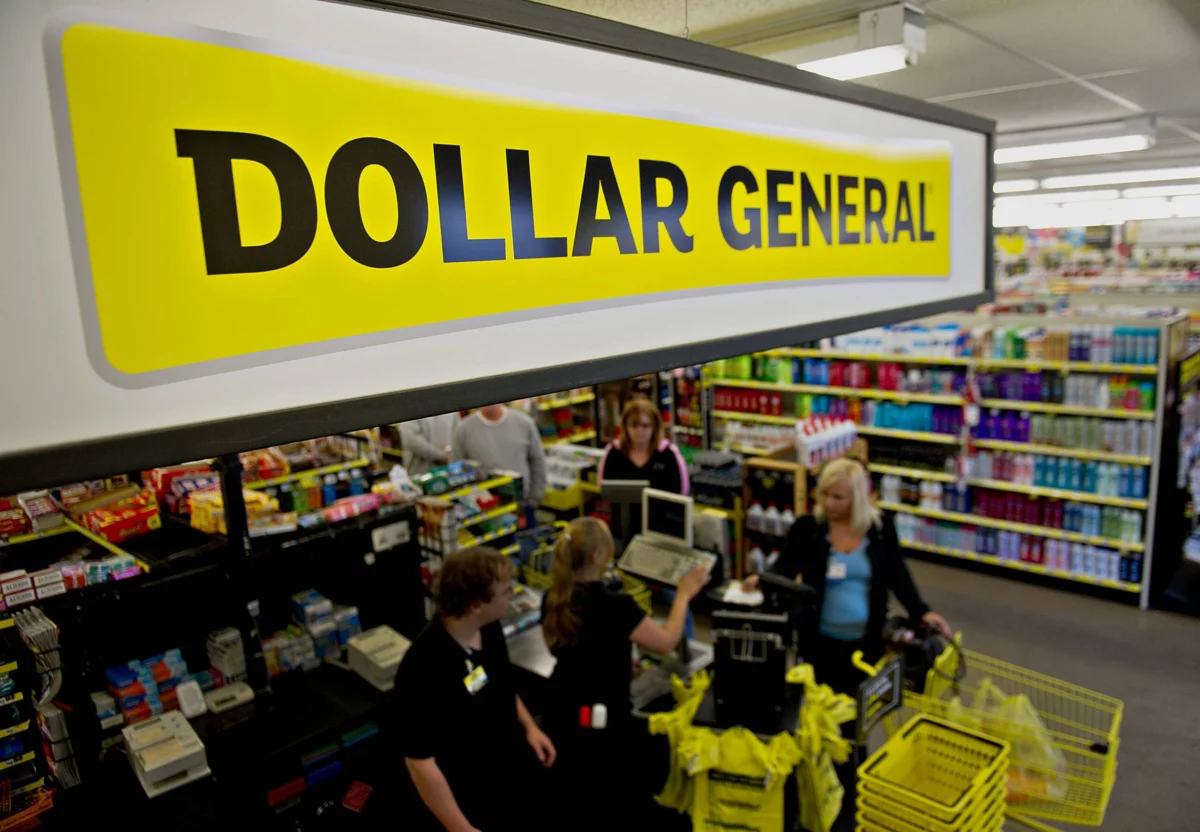
For many months, the discourse among economists and retailers has centered on the severe financial strain experienced by lower- and middle-income consumers, who have borne the brunt of a persistent increase in the cost of living. In contrast, higher earners, typically defined as those with annual incomes exceeding $100,000, were largely perceived as insulated from these economic pressures. However, this long-held perception appears to be undergoing a significant recalibration. A growing consensus among leading CEOs and industry figures suggests a discernible shift in the spending patterns of affluent consumers, signaling a broader and more pervasive impact of sustained inflation across all income demographics.
The latest and perhaps most salient voice to join this chorus of concern comes from Todd Vasos, the CEO of Dollar General. Speaking at the prestigious Goldman Sachs Global Consumer and Retail conference, Vasos articulated a compelling observation: the financial squeeze is no longer confined to the discount chain’s traditional core customer base of lower- and middle-income households. Instead, he reported that earners across all income cohorts are now feeling the economic pinch. This statement underscores a critical inflection point in the current economic narrative, challenging the notion that financial resilience is solely a function of income bracket in an environment of prolonged inflationary pressures.
The Broadening Impact of Sustained Inflation
Vasos elaborated on his observations, stating, "What we’ve seen in this economy, and again, not a surprise probably to anybody in this room, is we’ve seen a customer across all cohorts of income levels being somewhat distressed, especially in sustained inflation." He further noted a particularly striking phenomenon: "The interesting thing with this economy, because of the other sustained headwinds of inflation over the years that have passed, [is that] even that middle to upper middle is acting more like a lower-income shopper these days." This behavioral convergence suggests that the cumulative effect of rising costs is eroding purchasing power even for those previously considered financially secure.
Dollar General’s internal insights, as shared by Vasos, reveal that even shoppers in the $100,000+ income bracket are expressing a sentiment of no longer feeling "high-income." This perception shift is attributed to a confluence of factors including the soaring cost of living, persistently inflated gas prices, and wages that, despite increases, have often failed to keep pace with the accelerated rate of inflation. Consequently, these consumers have become increasingly value-seeking, gravitating towards discount retailers like Dollar General for essential purchases. This strategic pivot by higher-income consumers represents a significant departure from historical spending patterns and reflects a deeper penetration of economic anxiety.
A Chronology of Consumer Strain and Retailer Observations
The journey to this current state of widespread consumer distress has been gradual, evolving over several economic cycles. Following the initial disruptions and subsequent recovery phases of the COVID-19 pandemic, global supply chains struggled to meet surging demand, exacerbated by unprecedented fiscal stimulus. This combination ignited inflationary pressures that began to manifest significantly in late 2021 and intensified throughout 2022.
- Early 2022: Inflationary trends, particularly in energy and food, disproportionately affected lower-income households. These consumers, with less disposable income, were the first to make drastic cuts to non-essential spending, switch to private label brands, and consolidate shopping trips to save on fuel. Retailers like Dollar General and Family Dollar initially reported increased visits from their traditional customer base, noting their heightened sensitivity to price.
- Mid-2022: As the Consumer Price Index (CPI) soared, peaking at 9.1% year-over-year in June 2022, the strain began to extend to middle-income households. These families, often reliant on credit and managing mortgages or rent, began to see their discretionary budgets shrink. Mortgage rates began to climb as central banks initiated aggressive interest rate hikes to combat inflation, further squeezing household finances. Retailers noted a slowdown in big-ticket item purchases and a general shift towards more conscious spending.
- Late 2022 – Early 2023: The "sticky" nature of inflation, particularly in services, housing, and food, meant that even as headline inflation rates began to moderate, the cumulative effect on household budgets remained substantial. This period saw major retailers like Walmart begin to report an influx of higher-income shoppers seeking value, especially in grocery aisles. Walmart’s executives noted that consumers earning over $100,000 were increasingly choosing their stores for everyday essentials, a clear indication of a "trade-down" effect. Similarly, online resale platforms like ThredUp observed an expansion in their customer demographic, attracting consumers who previously might not have considered second-hand purchases.
- Mid-2023 Onwards: The observations from Dollar General’s CEO Todd Vasos represent a further evolution of this trend. It signifies that the cumulative erosion of purchasing power, coupled with the psychological impact of sustained high costs, has now permeated even deeper into the upper-middle and higher-income segments. These consumers are not just seeking value in specific categories but are fundamentally reassessing their spending habits across the board, including for basic necessities. The shift to a discount retailer like Dollar General, which is typically associated with lower-income demographics, underscores the severity and breadth of this economic realignment.
Supporting Economic Data and Broader Retailer Reactions
The anecdotal evidence from retail executives is corroborated by broader economic indicators. While the annual inflation rate has cooled from its 2022 peaks, it has remained stubbornly above the Federal Reserve’s target of 2%. For instance, even with monthly CPI figures moderating, the cumulative effect means that goods and services purchased today are significantly more expensive than they were two or three years ago. Average hourly wage growth, while positive, has often been outpaced by inflation for many workers, leading to a real-wage decline. The Atlanta Fed’s Wage Growth Tracker, for example, has shown strong nominal wage growth, but when adjusted for inflation, real wage gains have been inconsistent or negative for significant periods, particularly for those not in the highest-paying sectors.
Consumer sentiment indices, such as those from the University of Michigan or the Conference Board, have also reflected a cautious and often pessimistic outlook among consumers. Despite periods of slight improvement, the overarching concern about inflation and future economic stability has persisted across various income groups. Personal savings rates, which surged during the pandemic dueled by government stimulus and reduced spending opportunities, have steadily declined, with many households depleting their buffers to cope with rising costs. Simultaneously, credit card debt has reached record highs, indicating that consumers are increasingly relying on borrowing to manage their expenses, a trend that is unsustainable for long periods and exposes households to higher interest rate risks.
Beyond Walmart and ThredUp, other retailers have also implicitly acknowledged these shifts. Grocery chains, for instance, have reported increased sales of private-label brands across all store types, a classic sign of consumers trading down to save money. Retailers specializing in home goods or discretionary items have noted slower sales growth or even declines, attributing this to consumers prioritizing essentials. Even premium and luxury brands have begun to see a bifurcation in spending, where the ultra-wealthy remain largely unaffected, but the aspirational luxury buyer, typically from the upper-middle income bracket, scales back. This collective insight from diverse retail segments paints a consistent picture of a consumer base under considerable pressure, regardless of income level.
Dollar General’s Strategic Advantage Amidst Economic Headwinds
Despite the broader economic challenges, Dollar General expresses confidence in its business model. CEO Todd Vasos emphasized that the company’s proximity to shoppers and its inherent value proposition position it favorably, whether economic conditions remain tight or begin to improve. Dollar General’s extensive footprint across the United States is a critical strategic asset. "We’re very convenient, right?" Vasos stated at the Goldman Sachs event. "We’re close — we’re within 5 miles of 75% of the U.S. population. Many of our customers ride a bike to our stores or walk to our stores. That’s how close they are."
This geographic advantage becomes even more pronounced when considering factors like elevated gas prices. For consumers, particularly those managing tighter budgets, the cost and time associated with driving to larger, more distant supermarkets or big-box stores can be prohibitive. Dollar General’s local presence makes it a primary, often default, choice for everyday essentials, minimizing transportation costs and maximizing convenience. This strategy allows the company to capture "trade-down" shoppers who are consciously making choices to save money on both products and associated travel expenses.
Dollar General’s product mix, heavily skewed towards household essentials, food, and health and beauty products, further reinforces its appeal during economic downturns. While the company has historically catered to a lower-income demographic, the influx of higher-income shoppers seeking value expands its potential market considerably. The emphasis on private-label brands and competitive pricing strategies are tailored to appeal to budget-conscious consumers across all income levels. This ability to adapt and even thrive amidst consumer distress highlights a robust business model that is recession-resistant and capable of capitalizing on shifts in purchasing behavior. This approach aligns with Vasos’s earlier comments during the retailer’s second-quarter earnings call, where he informed investors that while their core customers were in "distress" and "definitely still stretched," the company saw an opportunity to serve a broader segment of the population.
Broader Implications for the Economy and Future of Retail
The observations from Dollar General and other retailers carry significant implications for the wider economy and the future of the retail sector.
- Normalization of Value-Seeking: The current trend suggests that value-seeking behavior, once primarily associated with specific income brackets, may become more normalized across the consumer spectrum. This could lead to long-term shifts in brand loyalty, with consumers becoming less attached to premium brands and more open to private labels or discount alternatives, even when economic conditions improve.
- Increased Competition in Discount Retail: The influx of new demographics into discount channels will intensify competition among value-oriented retailers. Companies like Dollar General, Family Dollar, Aldi, and Lidl may see increased sales volumes but could also face pressure to maintain their competitive pricing advantage.
- Pressure on Mid-Tier and Full-Price Retailers: Retailers traditionally catering to middle and higher-income consumers will face continued pressure. They may need to reassess their pricing strategies, enhance loyalty programs, or introduce more value-focused product lines to retain customers who are now accustomed to seeking out deals. The distinction between "necessity" and "discretionary" spending will become sharper, impacting sales for non-essential goods.
- Economic Outlook: The widespread consumer distress, particularly among higher earners who are typically key drivers of discretionary spending, could signal a broader economic slowdown. If even relatively affluent households are curtailing spending on anything beyond essentials, overall consumer demand could weaken, potentially contributing to slower GDP growth or even a recession. Central banks will closely monitor these consumer spending trends as they weigh future monetary policy decisions.
- Policy Considerations: The notion that "high-income" earners no longer feel affluent due to inflation could also prompt calls for policymakers to consider broader economic relief measures or address underlying drivers of the cost of living, such as housing, healthcare, and energy prices.
- The Psychological Impact: Beyond the financial figures, there’s a significant psychological impact. The erosion of purchasing power, even for those earning substantial incomes, can foster a sense of insecurity and frustration, potentially influencing consumer confidence and long-term financial planning.
In conclusion, the statements from Dollar General CEO Todd Vasos represent more than just an update on a discount retailer’s performance; they serve as a potent barometer of the current economic climate. Sustained inflation has demonstrably altered consumer behavior across all income strata, challenging prior assumptions about economic resilience and blurring the lines between different income-based shopping habits. As higher-income consumers increasingly adopt value-seeking strategies, the retail landscape is poised for profound and potentially lasting transformation, underscoring the pervasive and equitable nature of economic pressure in an era of persistent cost-of-living increases. This shift not only presents new opportunities for nimble, value-driven retailers but also signals a fundamental recalibration of consumer expectations and financial realities across the entire economic spectrum.
