

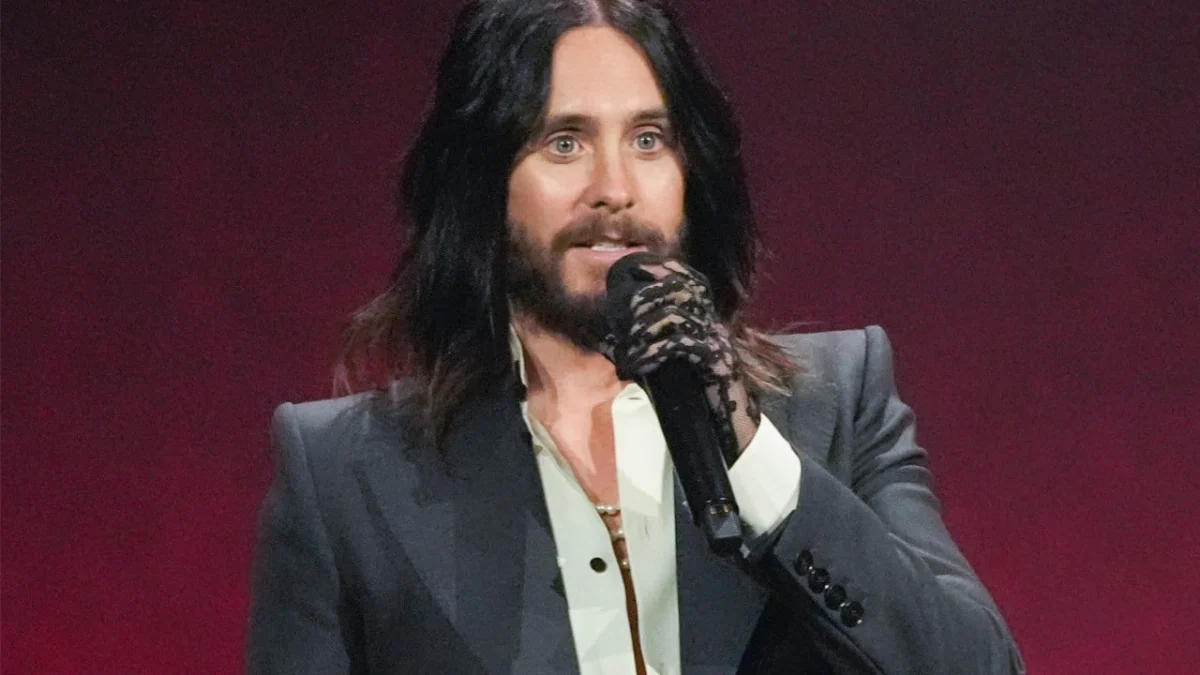
The entertainment industry is facing a renewed period of scrutiny following the release of a high-profile investigative documentary by the BBC, which outlines serious allegations of sexual misconduct against Academy Award-winning actor and musician Jared Leto. The documentary, titled Jared Leto: Hollywood’s Dark Secret, premiered on Wednesday, prompting an immediate and forceful denial from the 54-year-old artist. The film features testimony from four women who allege that Leto engaged in predatory behavior and sexual assault during a period spanning approximately 14 years, beginning in 2002 and extending through 2016. At the time of the alleged incidents, the women were teenagers, while Leto was an established figure in both the film and music industries.
In a formal statement released shortly after the documentary’s debut, Leto addressed the claims directly, asserting his innocence. “I have never sexually assaulted anyone in my entire life. These claims are absolutely and categorically false,” Leto stated. The actor, known for his transformative roles in films such as Dallas Buyers Club and Suicide Squad, as well as his leadership of the rock band Thirty Seconds to Mars, faces a significant challenge to his public image as these detailed accounts enter the public record.
Detailed Breakdown of the Allegations
The BBC documentary presents a series of interviews and corroborated evidence regarding Leto’s interactions with young fans and aspiring professionals. The four primary accusers provide accounts that describe a pattern of behavior involving the exploitation of power dynamics.
One of the most severe allegations comes from a woman who claims she was 17 years old when she was sexually assaulted by Leto. Another woman has accused the actor of statutory rape, also stating she was 17 at the time of the incident. Under the legal frameworks of many jurisdictions, including California where Leto primarily resides and works, the age of consent and the power imbalance between an adult and a minor are central to the definition of misconduct.
A third accuser detailed an encounter that took place when she was 19. She alleges that Leto used intimidation tactics and threatened her with sexual assault. The fourth woman featured in the documentary described a series of interactions that began when she was 16 years old. She claims that Leto engaged in sexually explicit phone conversations and made inappropriate propositions, despite being aware of her status as a minor.
The BBC has stated that its investigative team spent significant time corroborating these accounts through interviews with secondary witnesses, contemporaneous communications, and other supporting documentation. While the Associated Press and other independent news organizations have noted that they have not yet independently verified every specific detail of the accounts, the BBC’s reputation for rigorous documentary standards has lent substantial weight to the broadcast.
Chronology of Career and Concurrent Allegations
To understand the context of these allegations, it is necessary to examine the timeline of Jared Leto’s career during the years cited in the documentary (2002–2016). This period marks Leto’s transition from a rising star to a global icon.
In 2002, the year the earliest alleged misconduct occurred, Leto was 30 years old and had recently established Thirty Seconds to Mars. The band’s self-titled debut album was released that year, and Leto was also appearing in major motion pictures like Panic Room. During the early 2000s, Leto cultivated a dedicated and often young fan base known as "The Echelon."
By the mid-2000s, specifically around 2005 and 2006, Thirty Seconds to Mars achieved mainstream success with the album A Beautiful Lie. This era was characterized by intensive touring and the development of a unique, almost communal relationship between the band and its fans. Critics and industry observers have frequently noted the intense loyalty of Leto’s followers, a factor that the documentary suggests may have contributed to a culture where misconduct could be obscured.
The timeline continues through 2013 and 2014, the years Leto received universal acclaim for his performance as Rayon in Dallas Buyers Club, which earned him the Academy Award for Best Supporting Actor. The allegations include incidents occurring during this peak of his professional prestige. The final year mentioned in the documentary, 2016, coincides with Leto’s high-profile portrayal of the Joker in the DC Extended Universe film Suicide Squad, a role that was accompanied by numerous reports of "method acting" and eccentric behavior on set.
The Role of the Music Industry and Fan Culture
The allegations against Leto are not occurring in a vacuum; they reflect broader concerns regarding the culture of the music industry and the "groupie" phenomenon. For decades, the rock music scene has been criticized for permissive attitudes toward relationships between adult musicians and underage or barely legal fans.
Thirty Seconds to Mars has been particularly noted for its "Mars Island" retreats and "Summer Camp" events, where fans pay significant sums of money to spend time with the band in isolated or exclusive settings. While these events are marketed as immersive artistic experiences, the BBC documentary raises questions about the oversight and safety protocols in place during such interactions. The power imbalance inherent in the relationship between a world-famous rock star and a teenage fan is a central theme of the investigative report.
The documentary suggests that the digital age facilitated Leto’s alleged interactions. The rise of social media and direct messaging platforms allowed celebrities to bypass traditional gatekeepers and contact fans directly. The accuser who spoke of sexually explicit phone calls at age 16 highlights how the accessibility of modern communication can be leveraged in predatory ways.
Investigative Standards and Corroboration
The BBC’s decision to air Jared Leto: Hollywood’s Dark Secret follows a series of high-stakes investigations by the broadcaster into influential figures in the entertainment world. The documentary team utilized a methodology that involved cross-referencing the women’s stories with travel records, concert dates, and digital footprints.
According to the BBC, the corroboration process was essential to ensuring the credibility of the claims, given the time that has elapsed since the earliest alleged incidents. In many cases of historical sexual misconduct, physical evidence is no longer available, making witness consistency and secondary testimony the primary forms of verification. The documentary also reportedly features interviews with former associates of Leto who provide context regarding his behavior during tours and public events.
Despite the BBC’s findings, Leto’s legal team and representatives have maintained that the allegations lack merit. They have characterized the documentary as a pursuit of sensationalism and have emphasized Leto’s clean legal record over the past three decades.
Legal Implications and Potential Consequences
The legal landscape surrounding these allegations is complex. Because the claims span from 2002 to 2016, various statutes of limitations may apply depending on the jurisdiction in which the alleged acts occurred. In recent years, however, several states, including New York and California, have passed legislation such as the Adult Survivors Act, which temporarily opens windows for survivors of sexual assault to file civil lawsuits regardless of when the incident took place.
While no criminal charges have been filed against Leto at this time, the civil implications could be substantial. Beyond the courtroom, the professional consequences in the modern "cancel culture" era are significant. Production companies, brands, and music labels are increasingly sensitive to the reputational risks associated with talent accused of misconduct.
Historically, Leto has been a mainstay of luxury brand campaigns, most notably with Gucci. The reaction of these corporate partners will be a key indicator of the industry’s stance on the allegations. In similar cases involving high-profile actors, projects have been delayed, roles have been recast, and distribution deals have been terminated following the release of credible investigative reports.
Broader Impact on Hollywood Accountability
The emergence of these allegations against Jared Leto represents a significant moment in the ongoing evolution of the #MeToo movement. While the initial wave of the movement focused on systemic workplace harassment—typified by the Harvey Weinstein case—the focus has increasingly shifted toward the behavior of powerful individuals in private or fan-facing contexts.
The documentary serves as a catalyst for a broader discussion on the "open secrets" of Hollywood. For years, rumors and blind items regarding Leto’s behavior have circulated on social media and industry forums. The BBC’s investigation marks the transition of these rumors into a formal, documented journalistic inquiry. This shift reflects a growing demand for accountability and a rejection of the idea that artistic talent or commercial success grants immunity for personal conduct.
Furthermore, the case highlights the unique vulnerabilities of the music industry. Unlike film sets, which are often subject to union regulations and HR oversight, the world of touring bands and fan interactions is frequently less regulated. The documentary underscores the need for more robust protections for young people in the music space, particularly those who participate in "VIP" experiences or exclusive fan communities.
Conclusion and Future Outlook
As the public processes the details presented in Jared Leto: Hollywood’s Dark Secret, the trajectory of Leto’s career remains uncertain. The actor continues to deny all claims of misconduct, and his supporters point to his long history of philanthropy and artistic contribution. However, the specificity and number of the accounts featured in the BBC documentary present a formidable challenge to his defense.
In the coming weeks, it is expected that more information may emerge as other news outlets conduct their own inquiries and as legal representatives for both sides prepare their next steps. The conversation sparked by this documentary is likely to extend beyond Leto himself, touching on issues of consent, the responsibility of talent agencies, and the ethical obligations of the media in reporting on high-profile figures.
For the survivors who have come forward, the documentary represents a platform to share experiences that were previously kept in the shadows. For the industry, it is a reminder that the past is never truly settled, and that the standards of conduct for public figures are being continuously redefined by the voices of those who were once silenced.
