

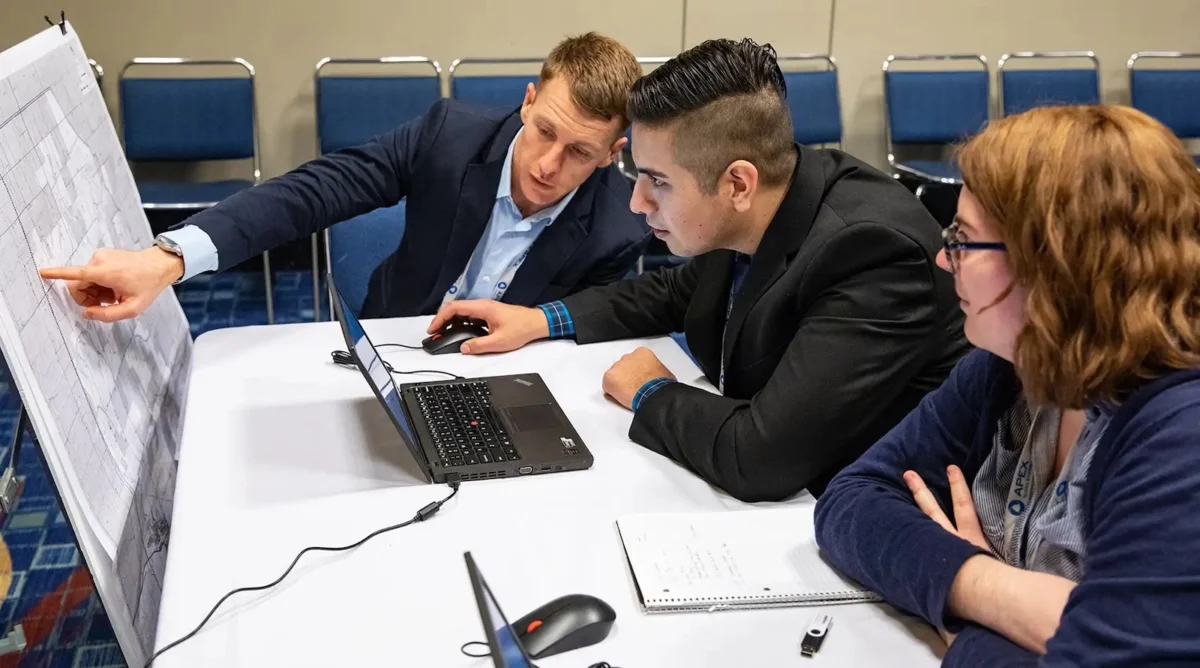
The U.S. Department of Energy (DOE) has officially launched the Energy District Cup, a high-stakes collegiate competition designed to bridge the gap between academic theory and the practical realities of modern energy infrastructure. Administered by the National Laboratory of the Rockies (NLR) on behalf of the DOE’s Integrated Energy Systems Office, this new initiative challenges interdisciplinary student teams to design comprehensive, cost-effective energy plans for higher education campuses and regional districts. By tasking the next generation of engineers, economists, and policy analysts with solving real-world energy dilemmas, the DOE aims to accelerate the transition to reliable, low-carbon energy systems while cultivating a specialized workforce capable of navigating the complexities of the 21st-century energy landscape.
The Genesis of the Energy District Cup
The Energy District Cup emerges at a critical juncture for American energy policy. As the nation moves toward ambitious decarbonization goals, including a carbon-pollution-free power sector by 2035, the modernization of localized energy grids has become a priority. College campuses are uniquely positioned to serve as the front lines of this transformation. Often functioning as "micro-cities," these institutions manage a diverse array of building types—from energy-intensive laboratories and data centers to residential halls and large-scale athletic complexes—each with distinct load profiles and reliability requirements.
The competition is designed to simulate the professional environment of energy consulting and urban planning. Student teams are not merely asked to suggest a single technology, such as solar panels or wind turbines, but are instead required to develop an "Integrated Energy System" (IES). This approach focuses on how various technologies—including thermal storage, microgrids, hydrogen production, and advanced nuclear or renewable sources—can work synergistically to provide a stable, affordable, and sustainable energy supply.
Campus Infrastructure as a Macrocosm of Urban Energy Needs
The focus on college campuses and districts is a strategic choice by the DOE. According to data from the U.S. Energy Information Administration (EIA), the commercial building sector, which includes educational facilities, accounts for nearly 18% of total U.S. energy consumption. Large universities often operate their own utility plants and distribution networks, making them ideal proxies for municipal energy districts.
Campus leaders currently face a trifecta of challenges: aging infrastructure that requires costly maintenance, rising energy prices that strain institutional budgets, and increasing pressure from students and stakeholders to meet aggressive sustainability targets. The Energy District Cup forces students to confront these exact variables. Participating teams must analyze real-world energy data, evaluate existing infrastructure, and propose solutions that balance capital expenditures (CAPEX) with long-term operational savings (OPEX).
Arielle Cardinal, the NLR project co-lead for the competition, emphasized the practical nature of the challenge. "The Energy District Cup challenges students to work through the kinds of complex, interdisciplinary decisions campus leaders and energy professionals face every day," Cardinal stated. "Teams will need to understand their district’s needs, compare options, consider costs and trade-offs, and propose a practical path forward."
The Interdisciplinary Mandate: Beyond Engineering
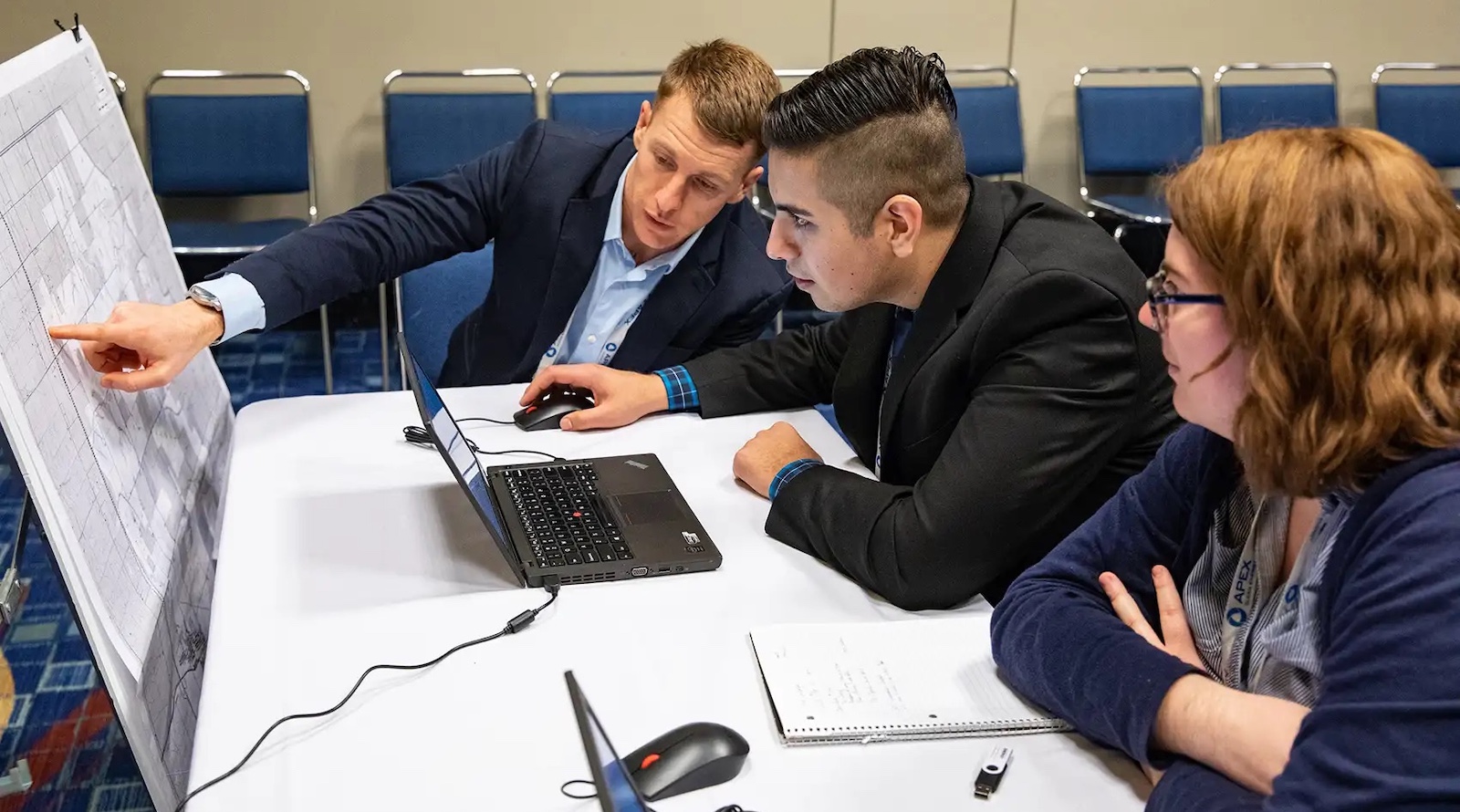
A distinguishing feature of the Energy District Cup is its insistence on interdisciplinary collaboration. While traditional engineering skills are vital, the DOE recognizes that technical feasibility is only one component of a successful energy project. To create a viable plan, teams must also navigate financial modeling, regulatory compliance, and community engagement.
The competition is open to students from a wide range of academic backgrounds, including:
- Engineering: Mechanical, electrical, civil, and nuclear specialists to design the technical architecture.
- Business and Finance: Students to conduct life-cycle cost analyses and identify funding mechanisms or public-private partnerships.
- Policy and Law: Participants to navigate local zoning laws, state energy regulations, and federal incentives like those found in the Inflation Reduction Act.
- Environmental Science: Experts to quantify carbon footprints and assess the ecological impact of proposed technologies.
- Architecture and Urban Planning: Students to integrate energy infrastructure into the aesthetic and functional fabric of the campus.
By bringing these diverse perspectives together, the competition mirrors the multi-departmental task forces that manage actual university utilities. This exposure ensures that graduates enter the workforce with a holistic understanding of how their specific field interacts with the broader energy ecosystem.
Competition Framework: Pathways to Participation
To accommodate varying academic schedules and institutional capacities, the Energy District Cup offers two distinct participation tracks. This flexibility is intended to maximize the number of participating institutions, ranging from large research universities to smaller community colleges.
- The Full-Academic-Year Track: This option is designed for teams looking for a deep-dive experience. It is ideal for senior capstone projects or year-long independent studies. These teams will engage in a multi-phase process, starting in the fall and culminating in a final presentation in the spring.
- The Short-Play Track: This condensed version allows for participation within a single semester or as a concentrated extracurricular project. While the scope may be more targeted, the requirements for technical rigor and professional presentation remain high.
Both tracks require students to produce a series of deliverables, including a technical energy plan, a financial viability report, and a communication suite. The communication suite is particularly noteworthy, as it requires students to translate complex technical data into a "quick pitch" and a poster presentation, simulating the need to convince non-technical stakeholders—such as university boards or state legislators—of the merits of a project.
Chronology and Key Milestones
The inaugural cycle of the Energy District Cup follows a structured timeline designed to guide teams from initial conceptualization to final review.
- Registration Launch: Currently open. Interested students and faculty advisors must register via the HeroX platform.
- Registration Deadline: October 14, 2026, at 11:59 p.m. MDT. Notably, teams do not need to have a finalized roster or a specific project plan to register by this date; they simply need to signal their intent to compete.
- Phase 1: Analysis and Selection (Fall 2026): Teams begin analyzing their assigned or self-selected district. They evaluate current energy baselines and identify the primary goals of the institution (e.g., carbon neutrality, grid independence, or cost reduction).
- Phase 2: Plan Development (Winter 2026/Early 2027): Teams refine their technical solutions and conduct financial modeling. During this phase, they have access to industry tools and data sets provided by the NLR.
- Final Submission (Spring 2027): Teams submit their comprehensive energy plans and supporting communication materials.
- Final Event (Spring 2027): Qualifying teams are invited to the National Laboratory of the Rockies for a live pitch event. Here, they receive direct feedback from a panel of expert reviewers from the DOE, national laboratories, and the private energy sector.
Technological Integration and the "System of Systems" Approach
The competition encourages students to look beyond "siloed" energy solutions. In many modern energy projects, the most significant gains are found in the integration of disparate systems. For example, a team might propose a solar array coupled with a battery energy storage system (BESS) that also feeds a district heating and cooling loop.

Furthermore, the Integrated Energy Systems Office at the DOE is particularly interested in how "non-traditional" combinations can solve specific problems. This includes using waste heat from industrial processes, implementing demand-response programs through smart building automation, or exploring the role of Small Modular Reactors (SMRs) in providing baseload power for large university districts. By focusing on the "synergy" of these technologies, the Energy District Cup pushes students to think about the grid as a "system of systems."
The Career Pipeline: Building the Next Generation of Energy Leaders
For students, the primary incentive for participation—beyond the potential for awards—is the development of career-ready skills. The energy sector is currently facing a significant "silver tsunami" as a large percentage of the workforce nears retirement age. At the same time, the transition to clean energy is creating millions of new jobs that require a blend of technical and "soft" skills.
The Energy District Cup serves as a high-visibility platform for students to showcase their work to potential employers. By participating, students gain experience with industry-standard energy modeling software, stakeholder management, and professional technical writing. For faculty, the competition provides a "plug-and-play" curriculum that aligns with ABET (Accreditation Board for Engineering and Technology) requirements for real-world design experience.
Strategic Alignment and Broader Implications
The Energy District Cup is more than a student competition; it is a component of a broader federal strategy to de-risk new energy technologies. By allowing students to model innovative configurations on campus settings, the DOE can gather valuable insights into which combinations of technology are most viable for larger-scale deployment.
Moreover, the competition addresses the "town and gown" relationship. Many colleges are the largest employers and energy consumers in their respective towns. A campus that achieves energy independence or significantly reduces its peak demand provides a direct benefit to the local municipal grid, enhancing the resilience of the surrounding community.
As the registration deadline of October 14, 2026, approaches, the DOE and NLR are calling on all eligible U.S. institutions to participate. The competition represents an opportunity for students to move beyond the classroom and contribute to the tangible future of American energy innovation. In doing so, they are not just planning for the campuses of tomorrow; they are building the infrastructure of a cleaner, more resilient nation.
