

A catastrophic flash flood, described by local officials as a “Himalayan Tsunami,” has left a trail of unprecedented destruction across the border regions of central Nepal and Tibet, claiming at least 1,252 lives and leaving more than 4,200 people missing. The disaster, which struck in late August 2026, has sent shockwaves through the international community, highlighting the lethal unpredictability of climate-induced disasters in high-altitude regions. As recovery efforts continue under grueling conditions, the event has sparked a fierce diplomatic debate over climate liability, with Nepal’s leadership demanding that the world’s largest carbon emitters transition from providing "charity" to paying "justice-based compensation."
The disaster originated in the rugged terrain near the Gyirong Port complex, a vital trade artery between China and Nepal. On August 26, 2026, an immense section of a high-altitude glacier in Tibet collapsed, triggering a massive ice avalanche that plummeted into the Trishuli River. Within minutes, the river transformed into a wall of water and debris, surging across the border and obliterating villages in Nepal’s Rasuwa district. The scale of the loss is staggering: thousands have been displaced, and critical infrastructure, including hydropower tunnels and mountain roads, has been reduced to rubble.
A Chronology of Disaster: From Warning to Catastrophe
The events leading up to the August 26 flood illustrate the limitations of current disaster mitigation strategies. In early 2025, following a smaller glacial lake outburst flood (GLOF) in the same region, disaster management officials from both Nepal and China collaborated on a new response plan. This plan focused heavily on the Gyirong Port complex and involved the installation of water-level sensors designed to detect rising river heights.
However, the 2026 disaster bypassed these safeguards entirely. On the morning of August 26, while sensors showed normal water levels, a massive shelf of ice at an elevation far above the monitored zones fractured. When the ice hit the river, the resulting surge moved with such velocity that downstream communities had virtually no time to evacuate. By the time the alarm was raised, the Trishuli River had already breached its banks, sweeping away entire settlements.
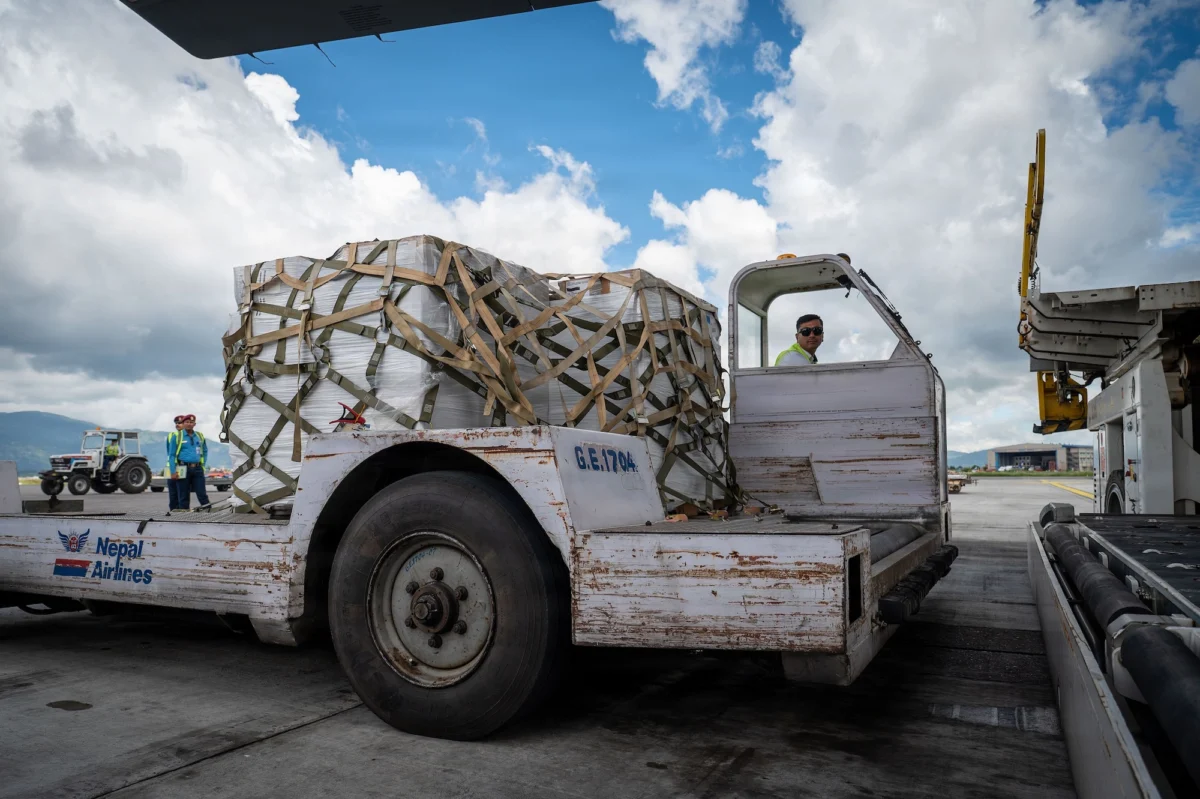
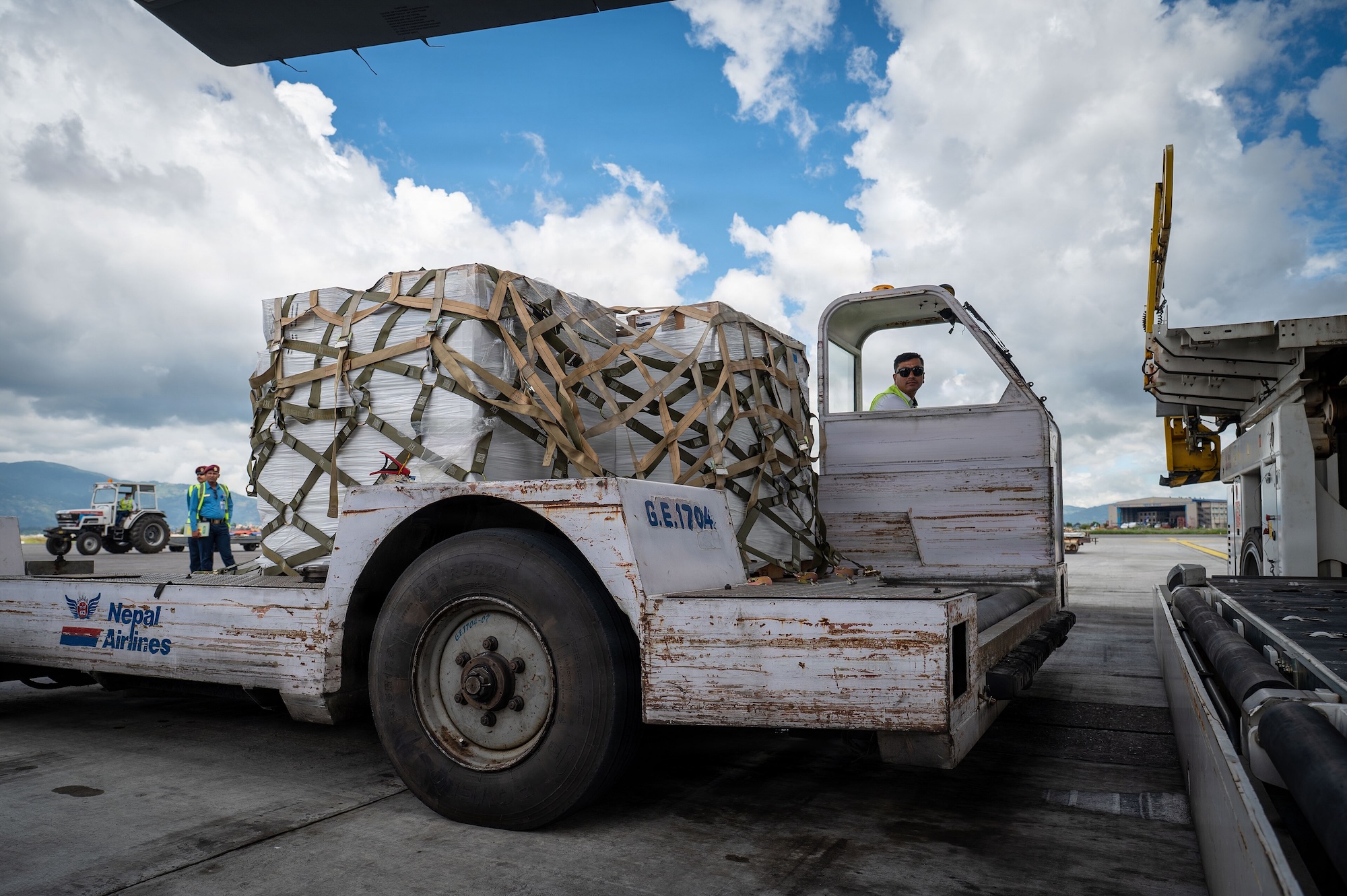
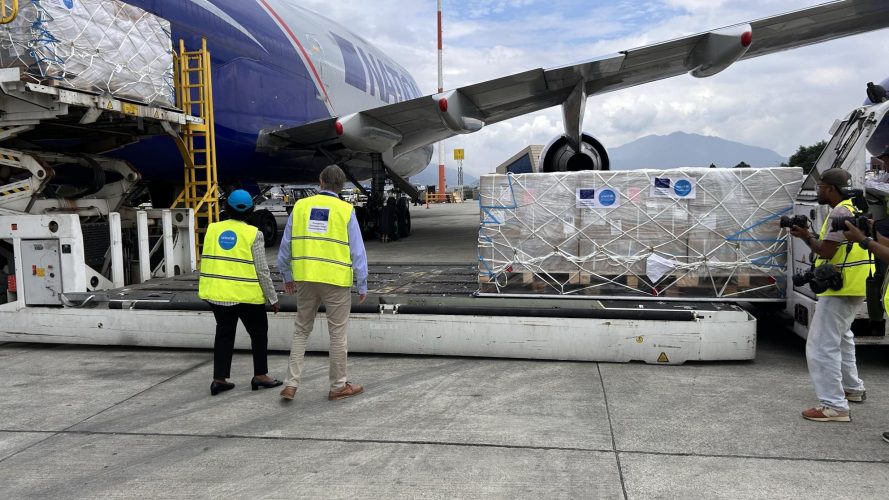
By September 2, emergency supplies began arriving at Tribhuvan International Airport in Kathmandu, but the relief window for many remote areas had already closed. Rescue teams, supported by the 374th Airlift Wing and international aid groups, faced significant hurdles as landslides triggered by the flood blocked the only navigable paths into the interior.
The Himalayas: The Third Pole in Crisis
The disaster is a grim confirmation of long-standing scientific warnings. The Himalayas, often referred to as the "Third Pole" because they contain the largest reserve of freshwater ice outside the polar regions, have been warming at nearly twice the global average for the past four decades. This accelerated warming has destabilized the region’s geography in four primary ways:
- Glacial Retreat: As glaciers melt, they form precarious proglacial lakes held back by unstable dams of loose rock and ice (moraines).
- Permafrost Thaw: The frozen ground that once acted as "glue" for mountain slopes is thawing, leading to more frequent landslides and rockfalls.
- Bedrock Weakening: Shifting hydrological patterns are eroding the underlying geological structures of the mountain range.
- Ice Avalanches: Unlike traditional floods, which are preceded by heavy rain, ice avalanches are sudden structural failures that can occur even in clear weather.
According to a 2026 update from the United Nations Development Program (UNDP), the number of "at-risk" glacial lakes has grown significantly since a 2020 study identified 47 such bodies of water across Nepal, China, and India. Millions of people living in the shadows of these mountains are now considered to be in high-risk zones, yet the technology to monitor high-altitude ice stability remains in its infancy. Dr. Saswata Sanyal of the International Center for Integrated Mountain Development (ICIMOD) noted that the traditional model of single-hazard monitoring—looking only for rising water—is now obsolete in a world of cascading climate failures.
The Economic Toll and the Call for Climate Justice
The financial impact on Nepal is catastrophic. Early estimates suggest that the cost of recovery and reconstruction will exceed $5 billion, a figure representing roughly 10 percent of the nation’s total Gross Domestic Product (GDP). For a developing economy already struggling with post-pandemic recovery and previous seismic events, this burden is viewed as insurmountable without external intervention.
This economic reality has fueled a significant shift in Nepal’s foreign policy. Foreign Minister Shishir Khanal has explicitly called out the world’s top greenhouse gas emitters—China, the United States, and India—stating that they hold a "historical and moral liability" for the destruction.
“We are shifting our diplomatic framework from ‘aid’ to ‘justice and compensation,’” Khanal told the Kathmandu Post. “This is not a matter of charity. The major industrial emitters have a responsibility to compensate vulnerable nations like Nepal for the loss and damage their emissions have caused.”
This rhetoric aligns with the growing global movement for a "Loss and Damage" fund, which was formally approved during the COP28 climate talks in 2023. However, the reality of the fund has been underwhelming. While experts estimate that developing nations will require upwards of $580 billion annually by 2030 to cover climate-related losses, the fund has secured less than $800 million in commitments, and less than $500 million has actually been delivered. Analysts warn that the fund is at risk of insolvency by 2027 if major economies do not drastically increase their contributions.
Global Flood Risks: A Shared Vulnerability
While the Himalayan disaster is an extreme case, it reflects a broader global trend. The World Bank estimates that 1.8 billion people—nearly one-quarter of the global population—now live in areas with significant flood risk. This vulnerability is not confined to developing nations; it is increasingly a crisis for the developed world as well.
In the United States, the "historic record" for flooding is becoming an unreliable guide for urban planning. As sea levels rise and rainfall patterns intensify, many Americans are purchasing homes in high-risk zones without adequate disclosure. While states like New York and New Jersey have implemented "A-grade" flood disclosure laws—requiring sellers and landlords to provide detailed histories of water damage—more than a dozen states have no such requirements, leaving residents blind to the risks.
The situation in the U.S. is further complicated by a volatile political landscape. The federal government’s stance on climate awareness has fluctuated wildly, with the Trump administration previously moving to scrub references to climate change from official agency websites and reorganizing the U.S. Department of Agriculture in a way that critics say marginalized climate scientists. Such policies, according to a recent report by the Natural Resources Defense Council (NRDC), contribute to an "affordability crisis" as insurance premiums skyrocket and property values in flood-prone areas face inevitable corrections.
Analysis: The Future of Emergency Management
The disaster in Nepal and Tibet serves as a wake-up call for emergency planning professionals worldwide. The "unpredictable" is becoming the "standard," and the failure of Nepal’s monitoring systems suggests that global infrastructure is ill-equipped for the "cascading hazards" of the 21st century.
To adapt, experts suggest several shifts in strategy:
- Multi-Hazard Monitoring: Moving beyond water-level sensors to include satellite-based radar that can detect minute shifts in glacial structures and mountain slopes.
- Transboundary Cooperation: Climate disasters do not respect borders. The Trishuli River flood highlights the need for real-time data sharing between nations, such as China and Nepal, to ensure downstream communities receive early warnings.
- Legal Reform: Establishing clear international legal frameworks for climate compensation to ensure that "Loss and Damage" funds are not just symbolic but are scaled to meet the actual costs of recovery.
As the search for the 4,200 missing persons in Nepal continues, the international community faces a choice. It can continue to treat these events as isolated humanitarian crises, or it can acknowledge them as the logical conclusion of decades of climate inaction. For the survivors in the Rasuwa district, the time for debate has passed; the "Himalayan Tsunami" has already changed their world forever, and the bill for that change is now coming due.
