

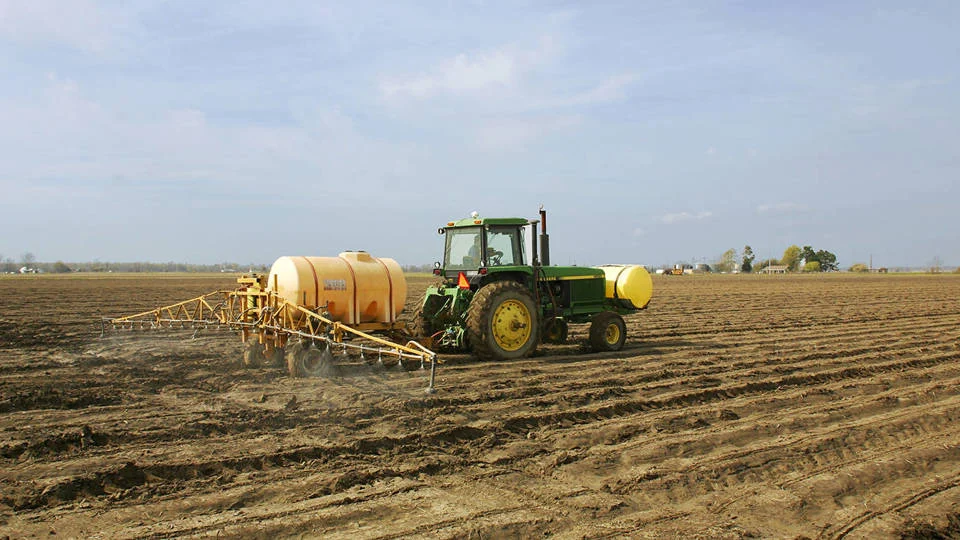
June 25, 2026, marked a pivotal and, for many, a perplexing day for American agriculture, characterized by a Supreme Court decision that significantly curtailed legal recourse for individuals harmed by agricultural chemicals, followed by an executive order ostensibly aimed at promoting a more sustainable farming future. While President Donald Trump’s administration presented these actions as beneficial to American farmers and consumers, a closer examination of the ruling and the subsequent executive order reveals a pattern that prioritizes corporate interests over public health and genuine agricultural reform, offering reassuring words to an unhappy public while providing tangible support to established industry players.
A Consequential Day for American Agriculture
The morning of June 25th saw the United States Supreme Court, with encouragement from the Trump administration, deliver a landmark decision that significantly altered the landscape of liability for agricultural chemical manufacturers. In a 7-2 ruling, the Court determined that a federal pesticide labeling law preempts state-level lawsuits against chemical giants like Bayer (which acquired Monsanto) for failing to warn users about the potential health risks associated with their products. Specifically, the case centered on allegations that Monsanto, the original manufacturer of Roundup, did not adequately inform consumers about the carcinogenic risks linked to its widely used weed killer. This decision effectively limits the ability of individuals who claim to have been harmed by such products to seek compensation through state courts, shifting the burden of proof and significantly diminishing legal avenues for recourse.
In the afternoon of the same day, President Trump signed an executive order titled "Advancing Regenerative Agriculture and Strengthening American Farm Resilience." This order, issued from the White House, purportedly aims to ensure that food produced in the United States remains among the "healthiest, most abundant, and most affordable in the world." The stated objectives of the order include promoting practices that improve soil health, enhance water quality, increase biodiversity, and build greater resilience in American farms against climate change and market volatility. On its surface, the executive order appears to champion a forward-thinking approach to agriculture, aligning with growing public concern for environmental sustainability and healthy food systems.
The Supreme Court Ruling: Preemption and Corporate Shield
The Supreme Court’s decision in Bayer v. Richard (or a similar case referencing Roundup litigation) has far-reaching implications for consumer protection and corporate accountability in the agricultural sector. The ruling hinges on the interpretation of the Federal Insecticide, Fungicide, and Rodenticide Act (FIFRA). Opponents of the ruling argue that FIFRA, which mandates EPA approval and specific labeling for pesticides, was never intended to act as a blanket shield against all state-level tort claims. They contend that manufacturers should still be held responsible for inadequate warnings that fail to inform consumers of known risks, even if their labels meet federal minimums.
The administration’s support for Bayer/Monsanto in this case signals a continued deference to large agricultural chemical corporations. This stance aligns with previous actions by the Trump administration that have been criticized by environmental and consumer advocacy groups for weakening regulations on pesticides and other agricultural products. For instance, in 2019, the Environmental Protection Agency (EPA), under Trump’s direction, finalized a rule that restricted states’ ability to ban or impose stricter regulations on pesticides approved by the federal government. This pattern suggests a broader policy objective: to reduce regulatory burdens and potential liabilities for major agricultural companies.
Regenerative Agriculture: A Closer Look at the Executive Order
The executive order on regenerative agriculture, while couched in language of sustainability and resilience, has drawn scrutiny for its potential to benefit established agribusinesses rather than fostering a fundamental shift towards truly ecological farming. Regenerative agriculture encompasses a set of practices aimed at improving soil health, enhancing biodiversity, and sequestering carbon, such as cover cropping, no-till farming, and crop rotation. These practices can lead to reduced reliance on synthetic inputs, improved water retention, and increased farm profitability in the long run.
However, the details of the executive order, as outlined in publicly available documents from the White House, suggest an approach that may prioritize research and development funded by or in partnership with existing agricultural corporations. Critics argue that such a framework could lead to the co-option of the regenerative agriculture movement by large companies, potentially greenwashing their existing practices or directing investment towards solutions that benefit their proprietary technologies, such as advanced seed or chemical formulations, rather than fundamentally altering the agricultural system.
Key provisions often found in such executive orders and their potential implications include:
- "Facilitating Research and Development": This could lead to increased funding for research, but the direction of this research is crucial. Will it focus on broad ecological principles or on proprietary solutions?
- "Promoting Market Opportunities": This might involve incentives for farmers to adopt certain practices, but the structure of these incentives could disproportionately benefit larger operations or those already using specific technologies.
- "Streamlining Regulations": While seemingly positive, this could also be interpreted as reducing oversight or environmental safeguards under the guise of efficiency.
Background and Chronology of Related Events
The events of June 25, 2026, did not occur in a vacuum. They represent the culmination of several years of legal battles, policy shifts, and evolving public discourse surrounding agriculture in the United States.
- 2015-2020: A significant surge in lawsuits against Monsanto over Roundup’s alleged carcinogenicity. Numerous plaintiffs claimed to have developed non-Hodgkin lymphoma after exposure to the herbicide.
- 2018-2020: The Trump administration began implementing policies aimed at deregulation across various sectors, including agriculture. This included efforts to streamline environmental reviews and reduce the scope of federal oversight on pesticide use.
- 2021: The Biden administration took office, signaling a potential shift in environmental and agricultural policy, with increased emphasis on climate change mitigation and sustainable practices. However, the influence of powerful agricultural lobbies remained a significant factor.
- 2022-2025: Ongoing legal proceedings related to Roundup litigation, with some juries awarding substantial damages to plaintiffs, while appeals and settlements were also part of the complex legal landscape. Simultaneously, the concept of regenerative agriculture gained broader traction among farmers, consumers, and policymakers as a potential solution to environmental and economic challenges in the sector.
- Early 2026: Intensified lobbying efforts by both agricultural chemical companies and environmental groups regarding upcoming court decisions and potential executive actions. Reports indicated the Trump administration was considering executive measures related to agriculture, sparking anticipation and concern.
- June 25, 2026: The Supreme Court ruling and the signing of the executive order.
Supporting Data and Broader Context
The agricultural sector in the United States is a massive economic engine, contributing significantly to the national GDP and employing millions. However, it also faces substantial challenges:
- Environmental Degradation: Conventional farming practices have been linked to soil erosion, water pollution from agricultural runoff, and a decline in biodiversity. The EPA has reported that agriculture is a significant source of nutrient pollution in U.S. waterways.
- Climate Change Vulnerability: Farms are increasingly susceptible to extreme weather events, such as droughts, floods, and heatwaves, which can devastate crop yields and livestock.
- Farmer Economic Stress: Many American farmers operate on thin margins, facing challenges from fluctuating commodity prices, rising input costs (including seeds, fertilizers, and pesticides), and consolidation within the agribusiness industry.
- Public Health Concerns: Growing awareness of the potential health impacts of pesticide residues in food and water has fueled demand for safer and more sustainably produced food.
Regenerative agriculture offers a potential pathway to address these interconnected issues. Studies have shown that adopting regenerative practices can lead to:
- Improved Soil Health: Increased soil organic matter can enhance water infiltration, reduce erosion, and improve nutrient cycling, potentially reducing the need for synthetic fertilizers. According to some research, well-managed soils can sequester significant amounts of carbon, contributing to climate change mitigation.
- Enhanced Biodiversity: Diverse farming systems, incorporating a variety of crops and livestock, can support a wider range of beneficial insects, pollinators, and other wildlife.
- Increased Resilience: Healthier soils and more diverse farming systems can better withstand drought and other climate-related stresses, leading to more stable yields.
However, the transition to regenerative agriculture requires investment, knowledge, and supportive policy frameworks. Critics of the executive order express concern that it may not provide sufficient resources or a sufficiently transformative vision to facilitate this widespread adoption.
Reactions from Related Parties (Inferred)
While direct quotes from all parties involved might not be immediately available, logical inferences can be drawn based on their typical positions:
- Agricultural Chemical Industry Representatives: Likely to express strong support for the Supreme Court ruling, hailing it as a victory for innovation and a necessary clarification of federal law that prevents a patchwork of conflicting state regulations. They would also likely commend the executive order for recognizing the importance of agricultural innovation and supporting research, framing it as a positive step towards a modern and resilient agricultural system.
- Environmental Advocacy Groups: Expected to voice strong criticism of the Supreme Court decision, arguing it undermines public health protections and corporate accountability. They would likely view the executive order with skepticism, questioning its commitment to genuine environmental sustainability and expressing concern that it could be used to legitimize existing industrial practices rather than promoting truly transformative change.
- Farmer Organizations: Reactions would likely be mixed. Some, particularly those aligned with larger agricultural corporations, might welcome the perceived support for innovation and reduced regulatory burden. Others, especially smaller and mid-sized farmers increasingly interested in sustainable and regenerative practices, might express disappointment if the executive order does not provide robust financial and technical support for transitioning to these methods, or if it appears to favor corporate interests.
- Consumer Rights and Public Health Advocates: Almost certainly to condemn the Supreme Court ruling as a blow to consumer safety. They would likely scrutinize the executive order for any provisions that might weaken food safety standards or fail to prioritize public health in the pursuit of agricultural advancement.
Analysis of Implications
The juxtaposition of the Supreme Court ruling and the executive order presents a complex and potentially contradictory policy landscape. On one hand, the administration appears to be providing a legal shield for major agricultural chemical companies, reducing their potential liability. On the other hand, it is publicly endorsing the principles of regenerative agriculture, a concept that, if fully embraced, could lead to a reduction in the demand for precisely the types of products these companies produce.
Potential implications include:
- Shift in Legal Landscape: The Supreme Court ruling establishes a significant precedent that could make it more challenging for individuals to sue pesticide manufacturers for health-related damages, potentially emboldening companies to continue using controversial chemicals with less fear of litigation.
- Co-option of Regenerative Agriculture: There is a risk that the executive order, while well-intentioned, could be implemented in a way that benefits established agribusinesses, leading to the "greenwashing" of existing practices rather than a fundamental shift towards ecologically sound farming. This could slow down genuine progress and create a false sense of environmental action.
- Increased Farmer Discontent: Farmers who are genuinely seeking to adopt regenerative practices but find themselves lacking adequate support, or who are concerned about the continued dominance of large corporations and their chemical products, may become increasingly disillusioned.
- Divergent Policy Goals: The administration may be attempting to appease different constituencies simultaneously – corporate donors and industry partners through legal victories, and the broader public concerned about health and environment through symbolic gestures like the regenerative agriculture order. This can lead to a lack of coherent and effective policy.
Ultimately, the true impact of these actions will depend on their implementation. The Supreme Court ruling is a definitive legal outcome, but the executive order on regenerative agriculture leaves significant room for interpretation and action. Whether it serves as a genuine catalyst for a more sustainable and resilient agricultural future, or becomes another instance of reassuring words accompanied by continued support for established corporate interests, remains to be seen. The coming months and years will reveal whether the promise of strengthening American farm resilience translates into tangible benefits for farmers, consumers, and the environment, or if it serves as a continuation of familiar patterns in agricultural policy.
