

The United States Centers for Disease Control and Prevention (CDC) has controversially removed two measles-associated deaths reported by the US state of Pennsylvania from the federal government’s national tally, a decision reportedly directed by the agency’s recently appointed director. This contentious move unfolds amidst a nationwide surge, with the US recording its highest number of measles cases in 35 years, sparking heightened concerns over the Trump administration’s approach to public health crises and its potential impact on established scientific protocols.
The CDC’s decision, which saw the initial inclusion and subsequent removal of the two fatalities from its official tracking website, has ignited a fierce debate regarding the autonomy of state public health departments and the integrity of federal data reporting. The agency’s website on Tuesday noted, “At this time, available information does not establish whether measles caused or contributed to the deaths or whether the individuals died from other causes while infected with measles,” indicating a need for further review. However, this explanation has not quelled the criticism, particularly given the broader context of political interference in health policy.
A Nation on Edge: The Resurgence of Measles
The backdrop to this dispute is a public health emergency. As of late July 2026, the US had recorded 2,318 measles cases, already surpassing the total for 2025 and marking the highest incidence since 1991. Measles, once considered largely eliminated in the US thanks to widespread vaccination, is a highly contagious viral disease. Its basic reproduction number (R0) can be as high as 12-18, meaning one infected person can spread it to 12 to 18 others in an unvaccinated population. Symptoms typically include a high fever, cough, runny nose, red eyes, and a characteristic rash. While often mild, measles can lead to severe complications such as pneumonia, encephalitis (brain swelling), and even death, especially in young children, pregnant women, and immunocompromised individuals.
The re-emergence of measles in such significant numbers is largely attributed to declining vaccination rates in certain communities, fueled by vaccine hesitancy and misinformation campaigns. Public health experts emphasize that maintaining a vaccination coverage rate of approximately 95% is crucial to achieve herd immunity and prevent outbreaks. The combined measles, mumps, and rubella (MMR) vaccine is highly effective, providing 93% protection after one dose and 97% after two doses. Its safety profile has been rigorously studied and affirmed by countless scientific investigations globally.
Chronology of Controversy and Policy Shifts
The sequence of events leading to the CDC’s contested decision reveals a pattern of escalating tension between federal public health messaging and state-level reporting, heavily influenced by political appointments and policy directives:
- Earlier in 2026: Robert F. Kennedy Jr., a prominent vaccine skeptic, is appointed as Health and Human Services (HHS) Secretary in the Trump administration. This appointment immediately raised concerns among public health advocates about the direction of federal health policy.
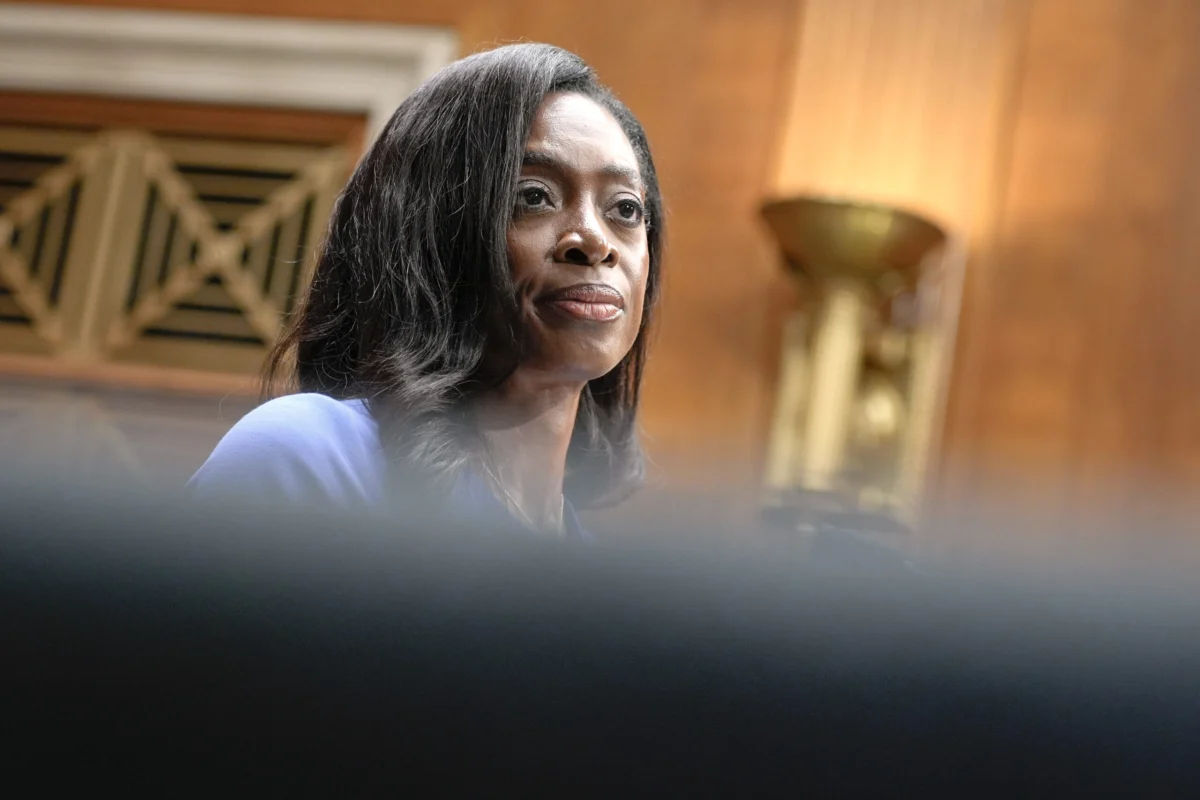
- August 5, 2026: Erica Schwartz is sworn in as the new CDC director. Her appointment comes amid significant turmoil within the US health agency, suggesting a period of leadership transition and potential policy shifts.
- August 12, 2026: President Donald Trump signs an executive order aimed at rolling back recommended childhood immunizations. Crucially, the order also proposed splitting the measles, mumps, and rubella (MMR) vaccine into three separate doses, based on the scientifically unfounded assertion that the combined vaccine can be lethal. This move was immediately criticized by leading medical organizations.
- Last Week (relative to the original report): Secretary Kennedy publicly questions Pennsylvania’s measles cases on X (formerly Twitter). In a highly controversial post, Kennedy suggested that the announcement of deaths “may even have been altogether fabricated by one of the Governor’s hopeful staffers,” injecting partisan politics directly into public health reporting.
- August 25, 2026: The Pennsylvania Department of Health announces that two unvaccinated residents of Lancaster County had died in cases it classified as “measles-associated.” These were the state’s first such deaths in 35 years, a stark reminder of the disease’s potential lethality.
- Saturday (relative to the original report): During a Fox News town hall, Secretary Kennedy reiterates his controversial stance, stating his desire for HHS to redirect resources away from infectious disease and towards chronic disease and deaths linked to foodborne illness. He claimed, “Demagogue politicians are constantly trying to scare us about infectious disease, and we take the attention away from the chronic disease that is being caused … by big food companies, by big pharmaceutical companies,” a statement that fundamentally misrepresents the balance of public health priorities and the role of infectious disease surveillance.
- Following Pennsylvania’s Announcement: The CDC initially adds the two cases to its website tracking national measles deaths, adhering to established reporting protocols for “measles-associated” fatalities.
- Subsequently: Under direction from CDC Director Erica Schwartz, the two deaths are removed from the national tally. The CDC posts a notice stating it is reviewing additional information about the cases, citing the ambiguity of whether measles directly caused or merely contributed to the deaths.
Official Responses and Conflicting Accounts
The removal of the deaths has provoked strong reactions and conflicting statements from both state and federal levels.
Pennsylvania Health Secretary Debra Bogen, a physician, expressed her deepest sympathies to the loved ones of the deceased following the state’s announcement on August 25. Emphasizing the critical importance of vaccination, she stated, “As a physician, I want to make sure that people understand that the MMR vaccine is safe and provides the best protection we have against measles.” The Pennsylvania Department of Health has firmly disputed the federal account regarding the information provided to the CDC, asserting that the deaths were reported to the agency’s measles response team and that state epidemiologists conducted thorough investigations into both cases. This suggests a breakdown in communication or, more troublingly, a deliberate disregard for state-level public health determinations by federal authorities.
Secretary Robert F. Kennedy Jr.’s public skepticism has been a central element of the controversy. His questioning of Pennsylvania’s reports, particularly his suggestion of fabrication, represents an unprecedented level of federal questioning of state public health data, especially from the head of HHS. His broader policy statements, advocating for a shift in federal resources away from infectious diseases, are seen by many public health experts as a dangerous reorientation that could undermine decades of progress in disease prevention and control.
Leading medical organizations have vociferously criticized the Trump administration’s health policies. The American Academy of Pediatrics (AAP) and other professional bodies have repeatedly warned against proposals like splitting the MMR vaccine, highlighting that such measures create “unneeded barriers to vaccines” and can significantly increase the number of unvaccinated children, thereby eroding herd immunity. The World Health Organization (WHO) chief also weighed in earlier this month, stating that Trump’s vaccine push goes against decades of established scientific evidence, underscoring the global concern over the US administration’s stance.
Broader Impact and Implications
The CDC’s decision to remove the Pennsylvania deaths carries profound implications across several critical domains:
- Federal-State Public Health Relations: This incident threatens to severely strain the cooperative framework between federal and state public health agencies. For decades, the CDC has served as a central repository and validator of public health data, relying on robust reporting from states. If federal agencies begin to second-guess or unilaterally alter state-reported data, it could undermine trust, hinder effective disease surveillance, and create significant disincentives for states to share critical information openly. This erosion of trust could ultimately impede rapid and coordinated responses to future health crises.
- Public Trust in Health Institutions: The controversy risks further eroding public confidence in the CDC and other federal health institutions. In an era already plagued by misinformation and vaccine skepticism, perceived political interference in scientific data can be deeply damaging. When the public perceives that health data is being manipulated for political reasons, it becomes harder for health authorities to convey accurate information and encourage adherence to crucial public health measures, such as vaccination.
- Vaccine Policy and Public Health Messaging: The administration’s actions, including the executive order on childhood immunizations and the public statements of Secretary Kennedy, signal a dramatic shift in federal vaccine policy. Moving away from established, evidence-based immunization schedules and questioning the safety of combined vaccines could reverse decades of public health achievements. The unified messaging on vaccine safety and efficacy, essential for maintaining high vaccination rates, is being fractured, potentially leading to increased vaccine hesitancy and further outbreaks of preventable diseases.
- Impact on the Ongoing Measles Outbreak: The immediate and most tangible impact could be on the ongoing measles outbreak. Downplaying or obscuring the severity of measles, including its associated fatalities, might reduce public urgency for vaccination and adherence to public health recommendations. If the true toll of the disease is not accurately represented, it could foster a false sense of security, allowing the virus to spread further and potentially lead to more severe cases and deaths.
- Scientific Integrity and Autonomy: The controversy raises fundamental questions about the scientific integrity and operational autonomy of the CDC. As a premier scientific agency, its credibility rests on its ability to collect, analyze, and disseminate health data without political interference. When scientific decisions are reportedly directed by political appointees, it threatens the agency’s independence and its ability to serve as a trusted, impartial source of public health information. This precedent could embolden future administrations to exert similar control over scientific bodies, with potentially devastating long-term consequences for public health.
As the US grapples with its worst measles outbreak in decades, the clash between federal and state health authorities over the reporting of fatalities underscores a deeper struggle for the future direction of public health policy. The unfolding events will likely shape not only the immediate response to the current measles crisis but also the long-term relationship between science, politics, and public health in America. The stakes are high, with public health experts warning that undermining established protocols and promoting unscientific narratives could have severe and lasting repercussions for the health and safety of the nation.
