

GENEVA – The World Health Organization (WHO) has issued an urgent and dire warning regarding the escalating Ebola virus disease (EVD) outbreak in the Democratic Republic of the Congo (DRC), stating that the pathogen is spreading faster than in any previous outbreak recorded. As of July 16, 2026, a staggering 2,000 confirmed cases and 796 deaths have been reported within a mere two-month period, solidifying its position as the third-largest Ebola outbreak in history. The unprecedented pace of transmission presents an immense challenge to national and international health agencies, grappling with a confluence of epidemiological, logistical, and security obstacles in the heart of Africa.
The alarming figures translate to a case fatality rate nearing 40 percent, underscoring the virulence of the Zaire ebolavirus strain responsible for this devastating epidemic. While the DRC has a long and tragic history with Ebola, this particular outbreak, concentrated primarily in the eastern provinces, distinguishes itself by its sheer speed, overwhelming initial containment efforts and pushing the limits of global health response mechanisms. The rapid progression from the first identified case to over two thousand within eight weeks is a critical indicator of the extraordinary difficulties faced by responders, including pervasive insecurity, community mistrust, and geographical barriers.
The Alarming Speed of Transmission
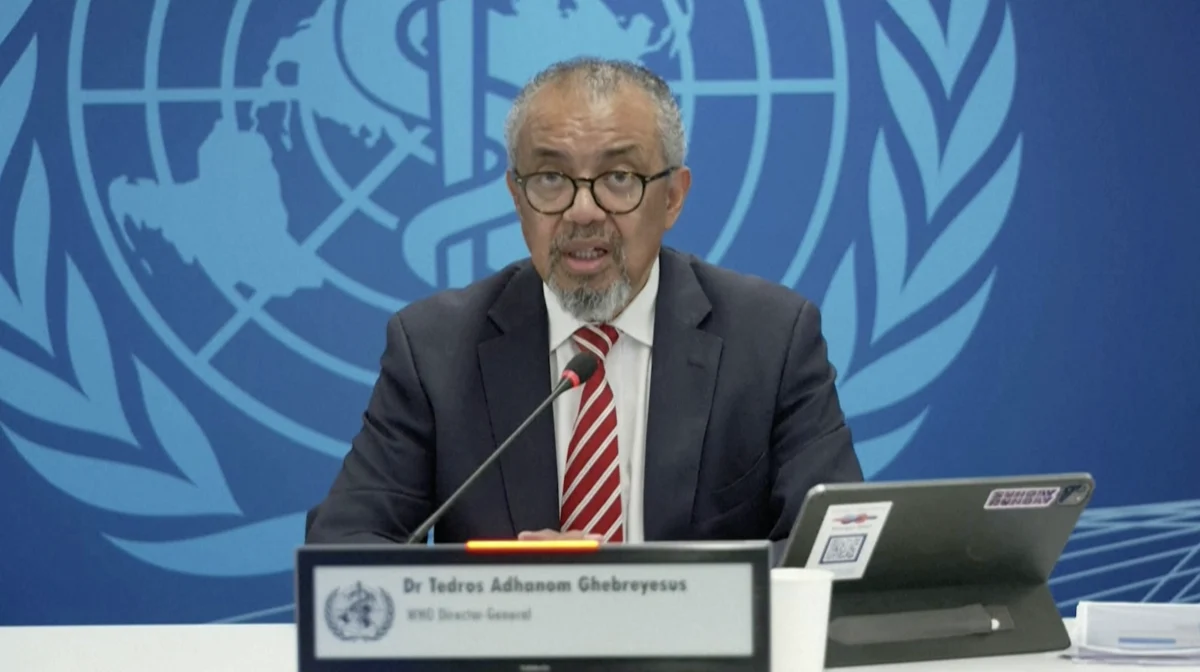
Dr. Tedros Adhanom Ghebreyesus, Director-General of the WHO, speaking from Geneva, emphasized the critical nature of the current situation. "We are facing an Ebola outbreak that is exhibiting a transmission dynamic unlike anything we have seen before. The speed at which new cases are emerging, often in widely dispersed geographical areas, is outpacing our current response capacity and posing an existential threat to communities already reeling from decades of conflict and instability," Dr. Tedros stated. He highlighted that while previous outbreaks in the DRC have been contained, often rapidly, the current situation is complicated by significant population movement, urban spread, and the relentless presence of armed groups.
Experts attribute the accelerated spread to a combination of factors. High population density in affected urban and semi-urban areas, coupled with significant internal displacement due to ongoing armed conflict, creates fertile ground for rapid viral dissemination. Furthermore, cultural practices surrounding burials, which often involve close contact with the deceased, continue to be a major transmission route. In regions like North Kivu and Ituri, where the majority of cases are concentrated, distrust in government and international responders, fueled by misinformation and political tensions, has severely hampered contact tracing, safe burials, and vaccination efforts. The mobility of infected individuals, sometimes unknowingly, across provincial borders and into neighboring countries, presents an ever-present risk of regional contagion.
A Familiar Foe: Ebola in the DRC
Ebola virus disease, a severe and often fatal illness, is transmitted to humans from wild animals and spreads through human-to-human transmission via direct contact with the blood, secretions, organs, or other bodily fluids of infected people, and with surfaces and materials (e.g., bedding, clothing) contaminated with these fluids. Symptoms typically include sudden onset of fever, intense weakness, muscle pain, headache, and sore throat. This is followed by vomiting, diarrhea, rash, impaired kidney and liver function, and in some cases, both internal and external bleeding. The incubation period, the time interval from infection with the virus to onset of symptoms, is typically 2 to 21 days. Without prompt medical care, the fatality rate can be extremely high.
The Democratic Republic of the Congo has experienced more Ebola outbreaks than any other country, with this current one marking at least its 16th since the virus was first identified near the Ebola River in 1976. This recurring challenge highlights the endemic nature of the virus in the region, linked to its rich biodiversity, the proximity of human settlements to forested areas, and the consumption of bushmeat. While the country has developed significant expertise in managing EVD over the decades, each outbreak presents unique challenges, particularly when they occur in complex humanitarian emergencies. Previous major outbreaks in the DRC, while deadly, generally did not escalate with the same speed observed in the current crisis, which has now surpassed the 2018-2020 outbreak in terms of initial case growth rate.
Chronology of Escalation: May to July 2026
The current outbreak’s rapid trajectory can be traced back to early May 2026.
- Early May 2026: Initial clusters of unexplained febrile illness and deaths are reported from remote villages in the Beni territory of North Kivu province. Local health authorities, attuned to Ebola’s symptoms, send samples to the National Institute of Biomedical Research (INRB) in Kinshasa for confirmation.
- Mid-May 2026: The INRB confirms the presence of Zaire ebolavirus. The DRC Ministry of Health officially declares a new Ebola outbreak, triggering immediate response protocols. Initial cases are linked to a traditional healer and subsequent unsafe burial practices.
- Late May 2026: Rapid deployment of WHO, Médecins Sans Frontières (MSF), and national response teams. Ring vaccination strategies using the rVSV-ZEBOV (Ervebo) vaccine begin in affected areas. Despite these efforts, cases begin to appear in neighboring health zones, indicating a broader spread than initially anticipated. Security incidents involving armed groups hinder access to some affected communities.
- Early June 2026: The number of confirmed cases surpasses 500, with over 200 deaths. The outbreak shows signs of urban transmission in Goma, a major provincial capital, and Butembo, a significant trading hub. This geographic spread complicates contact tracing and containment. Challenges in community engagement become more pronounced, with reports of attacks on health workers and resistance to treatment centers.
- Mid-June 2026: The case count crosses the 1,000 mark. International calls for increased funding and security support intensify. The UN Office for the Coordination of Humanitarian Affairs (OCHA) reports significant internal displacement due to concurrent conflict, further exacerbating the public health crisis. The WHO activates its highest emergency response level.
- Late June 2026: With cases approaching 1,500, the WHO convenes an emergency committee, which, while noting the severity, stops short of declaring a Public Health Emergency of International Concern (PHEIC), citing ongoing national efforts and a complex local context. However, the committee warns of the grave potential for regional spread.
- Early July 2026: The outbreak intensifies, reaching 1,800 cases. Efforts to scale up vaccination and treatment face renewed challenges from security incidents and a growing tide of misinformation. A critical juncture is reached as cases are identified in new health zones in Ituri province, signaling a widening geographical footprint.
- July 16, 2026: The WHO announces the grim milestone of over 2,000 cases and 796 deaths in just two months, confirming it as the third-largest Ebola outbreak on record and highlighting its unprecedented speed.
The Numbers Tell a Dire Story
The current statistics are a stark reminder of the outbreak’s severity. With 2,000 confirmed cases and 796 deaths, the observed case fatality rate (CFR) stands at approximately 39.8%. While this is lower than the historical CFRs of some earlier Ebola outbreaks which could reach up to 90%, it remains significantly high, especially considering the availability of advanced medical interventions and a highly effective vaccine. For comparison, the devastating 2014-2016 West Africa Ebola epidemic, the largest on record, saw over 28,000 cases and 11,000 deaths across Guinea, Liberia, and Sierra Leone, with a CFR around 40%. The 2018-2020 North Kivu outbreak in the DRC, the second largest, recorded 3,481 cases and 2,299 deaths, with a CFR of approximately 66%. The current outbreak’s rapid accumulation of cases in a shorter timeframe signals a more aggressive epidemiological curve.
The most affected provinces remain North Kivu and Ituri, specifically targeting dense urban centers and their peripheries, including Beni, Butembo, and Mangina in North Kivu, and Mambasa and Komanda in Ituri. There are also concerning reports of sporadic cases in areas bordering Uganda and Rwanda, triggering heightened surveillance and preparedness measures in these neighboring countries. Data also indicates a disproportionate impact on women, who often serve as primary caregivers, and children, who are vulnerable to infection within household settings. Healthcare workers, despite stringent infection prevention and control (IPC) protocols, also face elevated risks, with several reported infections among frontline responders.
Challenges on the Ground: Conflict, Mistrust, and Access
The response to this outbreak is inextricably linked to the ongoing humanitarian crisis in eastern DRC. The region has been plagued by chronic insecurity, with numerous armed groups operating, often targeting civilians and humanitarian workers. This volatile environment has severely hampered access to affected communities, making it dangerous for vaccination teams, contact tracers, and safe burial teams to operate effectively. Attacks on Ebola treatment centers (ETCs) and health personnel have been reported, leading to temporary suspensions of operations and critical delays in patient care.
Beyond physical insecurity, community mistrust remains a formidable barrier. Years of conflict, political instability, and perceived neglect have fostered deep suspicion towards external interventions. Misinformation and rumors, often spread through social media, contribute to resistance against essential public health measures like vaccination and safe burials. Some communities view Ebola as a political tool or a foreign imposition, leading to outright rejection of aid and even violence against responders. This resistance directly fuels the accelerated spread, as infected individuals may hide their symptoms, delay seeking care, or evade contact tracers. The lack of robust local infrastructure, including reliable roads, communication networks, and healthcare facilities, further complicates the logistical nightmare of mounting a rapid and comprehensive response across a vast and difficult terrain.
Global and National Response Efforts
Despite the formidable challenges, a concerted global and national response is underway. The DRC Ministry of Health, supported by the WHO, MSF, UNICEF, the US Centers for Disease Control and Prevention (CDC), and other international partners, is working tirelessly on multiple fronts.
Vaccination Campaigns: The Ervebo vaccine, highly effective against the Zaire strain of Ebola, is being deployed through a targeted "ring vaccination" strategy, immunizing contacts of confirmed cases and their contacts, as well as frontline healthcare workers. However, the speed of spread means that identifying and vaccinating entire rings is increasingly difficult. Efforts are being made to explore broader geographical vaccination campaigns where feasible. Over 250,000 doses have been administered since the outbreak began, but the rapid rate of infection necessitates a continuous and even faster supply chain.
Treatment and Care: Ebola Treatment Centers (ETCs) have been established, offering supportive care, rehydration, and advanced experimental therapeutics. Monoclonal antibody treatments like REGN-EB3 and mAb114 have shown significant promise in improving survival rates when administered early. However, access to these treatments is limited by the capacity of ETCs and the willingness of communities to bring patients to these facilities.
Surveillance and Contact Tracing: Teams are actively engaged in identifying new cases, tracing their contacts, and monitoring them for symptoms. This labor-intensive process is crucial for breaking chains of transmission but is severely hindered by security issues and community resistance.
Community Engagement: Recognizing the critical role of trust, responders are intensifying efforts to engage with local leaders, religious figures, and community groups to build understanding and encourage acceptance of public health measures. Culturally sensitive approaches to safe burials and public health messaging are being prioritized.
International Support: The United Nations has launched an emergency appeal for $150 million to fund the response, covering everything from logistics and security to medical supplies and personnel. Humanitarian organizations are deploying hundreds of staff, including epidemiologists, doctors, nurses, and community mobilizers, to the affected regions.
Statements from Key Stakeholders
Dr. Jean-Jacques Muyembe Tamfum, head of the DRC’s National Institute of Biomedical Research and a veteran of countless Ebola outbreaks, acknowledged the unprecedented challenge. "We have never seen Ebola move with such ferocity and speed in our country. Our teams are brave, but they are working under immense pressure, battling not only the virus but also conflict and suspicion. We desperately need more international support, not just in funding, but in securing access for our responders and in addressing the root causes of this endemic conflict," he urged.
Mr. David Miliband, President and CEO of the International Rescue Committee (IRC), commented on the broader humanitarian impact. "This Ebola outbreak is unfolding in one of the world’s most complex humanitarian crises. The convergence of EVD with ongoing conflict, mass displacement, and chronic food insecurity creates a perfect storm. We must address these interconnected crises simultaneously, or we risk losing control of the situation, with catastrophic consequences for millions," he stated.
Broader Implications: Regional and Global Threat
The rapid escalation of this Ebola outbreak carries profound implications, extending far beyond the borders of the Democratic Republic of the Congo.
Regional Spread: The proximity of affected areas to densely populated borders with Uganda, Rwanda, South Sudan, and Burundi raises significant concerns about cross-border transmission. All neighboring countries are on high alert, implementing enhanced surveillance at points of entry and establishing rapid response teams. An uncontrolled spread across these borders could destabilize an already fragile region, trigger travel restrictions, and disrupt vital trade routes.
Economic Consequences: The outbreak is already having a severe economic impact on affected regions. Restrictions on movement, disruption of agricultural activities, and a general climate of fear are stifling local economies. Should the outbreak persist or spread, it could lead to broader economic instability, affecting regional trade and investment, and exacerbating poverty.
Humanitarian Crisis Amplification: The EVD crisis is layering onto an existing and severe humanitarian emergency in eastern DRC, where millions are already displaced and reliant on aid. Resources diverted to the Ebola response might strain other vital humanitarian programs, such as those addressing malnutrition, malaria, and cholera, potentially creating a ripple effect of health crises.
Global Health Security: The WHO’s warning about the unprecedented speed of spread serves as a stark reminder of the persistent threats posed by emerging infectious diseases. It tests the resilience of global health security frameworks, the effectiveness of international coordination, and the ability to respond to complex emergencies where health crises intersect with political instability and conflict. The debate about whether to declare a Public Health Emergency of International Concern (PHEIC) is intensifying, as such a declaration would unlock further international resources and coordination, though it also carries potential economic and social ramifications.
Looking Ahead: The Path to Containment
Bringing this rapidly escalating Ebola outbreak under control will require a sustained, multi-faceted, and adaptable response. Key priorities include:
- Enhanced Security: Protecting health workers and ensuring unhindered access to all affected communities is paramount. This requires close coordination with peacekeeping forces and local authorities.
- Community-Led Response: Building trust and ensuring community ownership of the response is critical. This involves empowering local leaders, addressing misinformation, and integrating traditional practices where possible without compromising public health.
- Scaled-Up Vaccination and Treatment: Rapidly increasing the availability and administration of vaccines and therapeutics, reaching every eligible individual within the affected rings and beyond.
- Robust Surveillance and Contact Tracing: Strengthening epidemiological surveillance to quickly identify new cases, trace contacts, and isolate those at risk, adapting strategies for high-mobility populations.
- Sustained Funding: The international community must commit to long-term and flexible funding to support the national response and humanitarian partners.
- Addressing Root Causes: While immediate containment is the priority, a lasting solution requires addressing the underlying drivers of vulnerability, including poverty, conflict, and weak health systems.
As the Democratic Republic of the Congo grapples with an Ebola outbreak of unprecedented speed and scale, the world watches with bated breath. The coming weeks will be critical in determining whether this formidable challenge can be overcome, or if the virus will continue its relentless march, further destabilizing a region already on the brink. The global health community faces a defining moment, demanding an urgent, united, and comprehensive response to protect both the people of the DRC and the wider world from the escalating threat of Ebola.
