

Urban policymakers across the United States are currently navigating a complex and rapidly evolving landscape as they struggle to keep pace with the unprecedented boom in data center development. This policy vacuum is nowhere more evident than in Phoenix, Arizona—the hottest major metropolitan area in the country and a primary hub for the digital infrastructure that powers the modern economy. As the demand for Artificial Intelligence (AI) and cloud computing skyrockets, the physical footprint of the internet is expanding into residential and commercial zones, bringing with it a suite of environmental and public welfare challenges that many local governments are ill-equipped to handle. With the 2026 midterm elections on the horizon, the proliferation of these "hyperscale" facilities has transformed from a niche zoning issue into a high-stakes political flashpoint, sparking a wave of moratoriums and legislative pushback across the nation.
The Evolution of the Hyperscale Industrial Complex
For decades, data centers were relatively inconspicuous features of the urban fabric. These earlier facilities were typically modest in size, serving local business needs and blending into light industrial districts with minimal impact on their neighbors. Developers were drawn to urban centers by the availability of established infrastructure, including high-capacity power lines, municipal water services, and robust road networks. Historically, local zoning codes treated these buildings no differently than warehouses or light manufacturing plants, requiring little in the way of specialized oversight or environmental impact assessments.
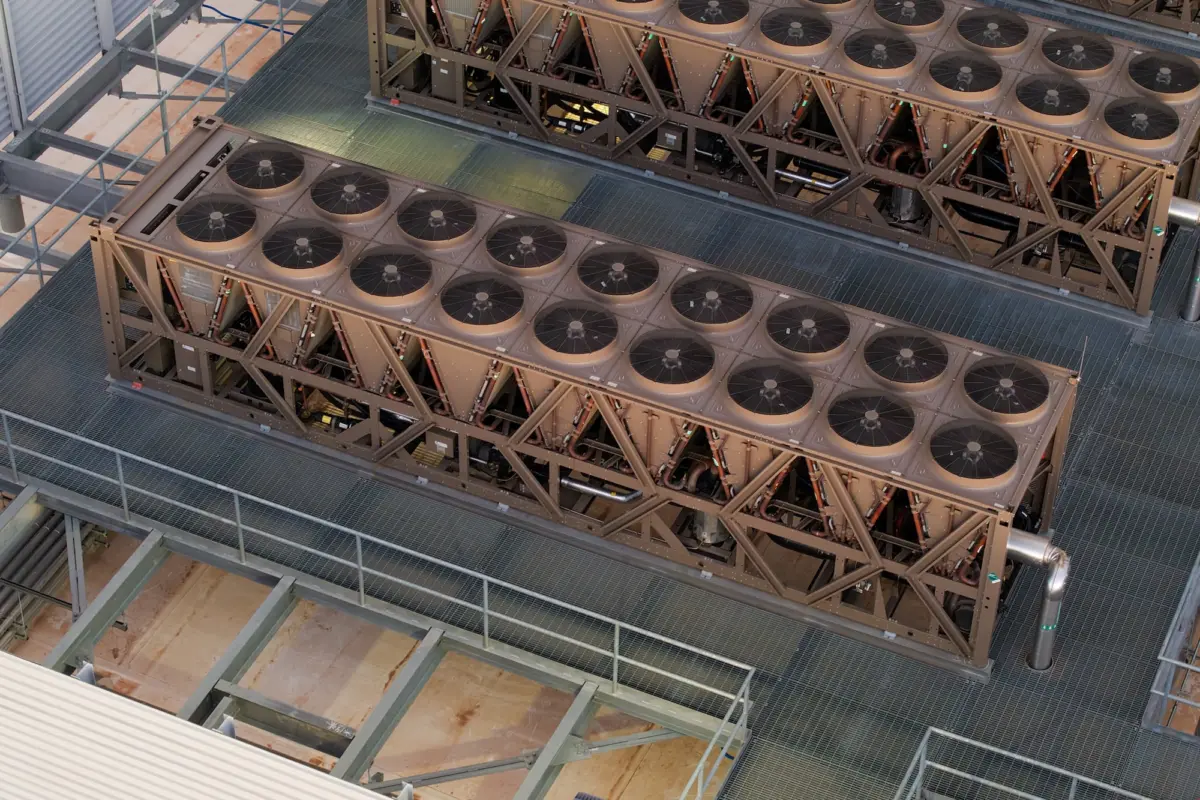
However, the advent of generative AI and the massive computational requirements of modern tech giants have birthed a new generation of "hyperscale" facilities. These are not merely larger versions of their predecessors; they are industrial titans that operate on an entirely different scale of resource consumption. A single AI-focused data center can consume as much electricity as a small city, placing immense strain on local power grids and requiring millions of gallons of water for cooling. According to a 2026 report from the Bipartisan Policy Center, the speed at which these facilities are being proposed and constructed has far outstripped the ability of utility planning frameworks and regulatory structures to adapt. The report warns that local approval processes and community engagement practices were simply not designed to accommodate the sheer magnitude of these projects.
Arizona’s Policy Paradox: From Incentives to Moratoriums
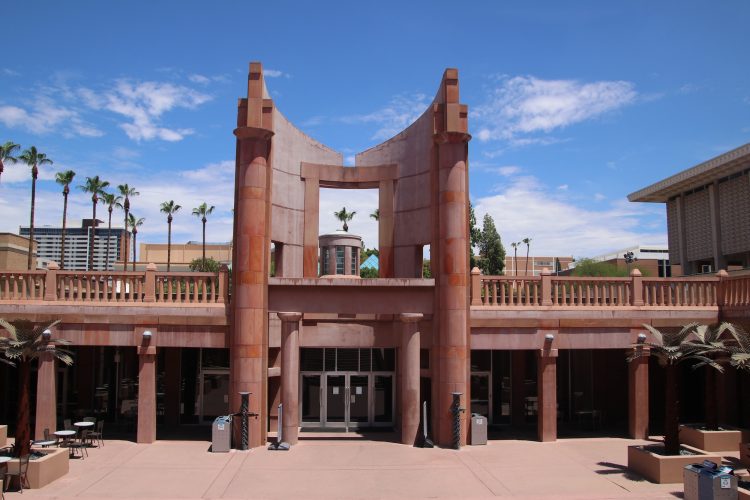
The crisis is most visible in the Phoenix metropolitan area, a region that has spent years positioning itself as a "Silicon Desert." Until recently, Arizona was a leader in offering aggressive tax incentives to attract data center developers. This strategy was highly successful; the Phoenix area is currently home to over 100 operational data centers, with another nine under construction and 36 more in the planning stages. However, this success has come at a cost. Phoenix is situated in a high water-stress area and faces "very high" risk ratings for extreme heat waves from the Federal Emergency Management Agency (FEMA).
The tension between economic development and environmental reality reached a breaking point in the summer of 2025. In response to mounting concerns over resource depletion, state policymakers enacted a three-year moratorium on data center tax incentives, effective July 2025. This move, however, triggered an unintended "gold rush." In the weeks between the signing of the budget and the moratorium’s start date, the state received 113 applications for tax breaks—nearly equalling the total number of applications received over the previous 13 years combined. This surge highlights the desperation of developers to lock in favorable terms before the window of opportunity closes, further saturating an already stressed region.
The Science of Waste Heat: ASU’s Breakthrough Research
The most significant environmental concern regarding urban data centers is their contribution to the "urban heat island" effect. Cities are naturally hotter than their rural surroundings because concrete, asphalt, and buildings absorb solar radiation and release it slowly. In Phoenix, research from Arizona State University (ASU) shows that temperatures at the city’s Sky Harbor Airport are already 10 to 14 degrees Fahrenheit higher on average than in outlying areas.
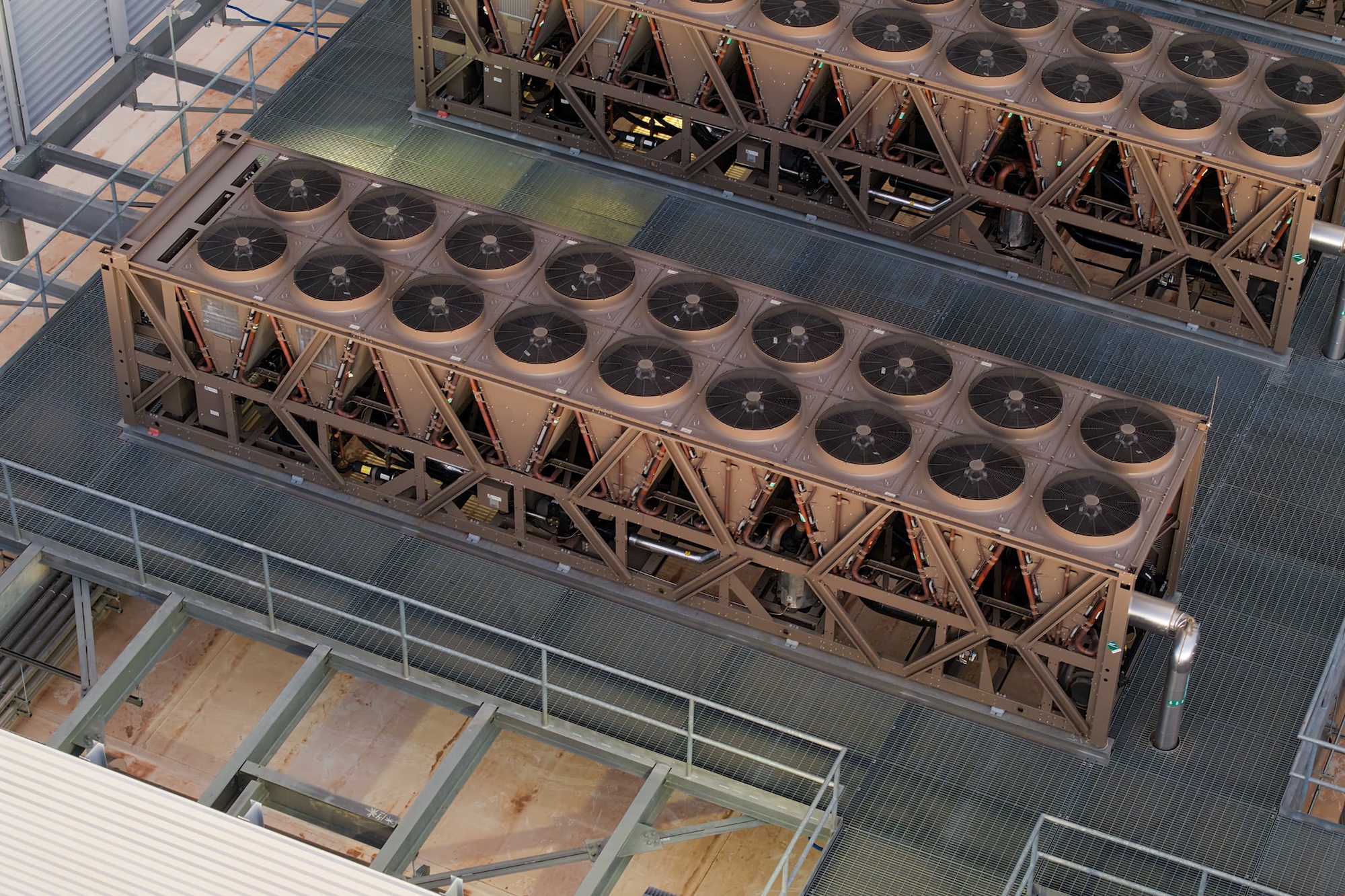
New research from ASU’s School of Geographical Sciences and Urban Planning has added a startling new dimension to this problem. For the first time, researchers have used ground-level air temperature sensors to precisely measure the "heat signature" of hyperscale data centers. The study found that the waste heat generated by a single large data center is equivalent to the heat output of roughly 40,000 households. More importantly, this heat does not remain stationary. The study, led by Director David Sailor, documented that waste heat travels downwind, raising temperatures in surrounding neighborhoods by as much as 4 degrees Fahrenheit.

This impact can be felt up to five city blocks away from the facility. "Even if these data centers only contribute to an additional heat island magnitude of one or two degrees, that can still have a very significant impact on our lives," Sailor stated. The study identifies this waste heat as a "previously undocumented urban thermal hazard," calling for immediate attention from urban planners and the tech industry.
Legal Minefields and Zoning Battles
As cities attempt to retroactively regulate these facilities, they are running into significant legal hurdles. In 2025, the Phoenix City Council adopted its first specific data center zoning ordinance, which established new design standards and noise limits and required special permits for construction in certain districts. However, the move was met with immediate legal pushback.
Under Arizona’s Prop 207—a 2006 law that allows landowners to sue for compensation if new regulations diminish property values—at least 11 developers and landowners filed claims against the city. The total demanded compensation reached a staggering $753 million. To avoid bankruptcy-level payouts, the city has been forced to negotiate waivers, effectively allowing some projects to bypass the very rules intended to protect the public.
Furthermore, the lack of regional coordination has led to a "whack-a-mole" scenario. When Aligned Data Centers faced new restrictions in Phoenix, the company simply moved its plans 15 miles away to Peoria, Arizona. There, they filed for a 95-acre facility in a zone that allows large-scale water users without restriction. While Peoria is now considering its own zoning updates, these rules often cannot be applied retroactively to projects already in the pipeline, leaving communities vulnerable to projects approved under outdated standards.
Grassroots Resistance and the 2026 Midterms
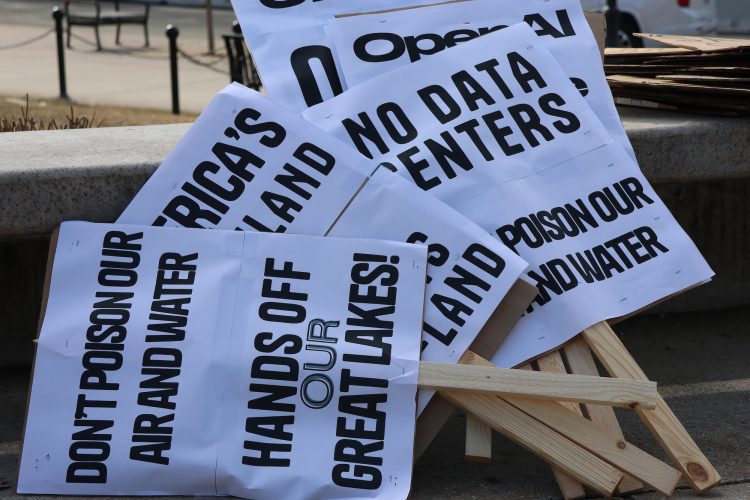
The struggle is not limited to the desert Southwest. In Aurora, Colorado, a proposal for the state’s largest data center—complete with 28 industrial diesel generators for backup power—has ignited a firestorm of local opposition. Residents ranging in age from 16 to 86 recently flooded a city council meeting, providing three hours of testimony against the project. Neighbors expressed fears over air pollution, constant noise, and the betrayal of trust by local officials who allowed the project to move forward through administrative channels without a public vote.
Similar protests have erupted in Wisconsin and Virginia, where residents are increasingly vocal about the impact of data centers on local electricity rates. As utilities invest in new infrastructure to meet the massive power demands of tech giants, the costs are often passed down to residential consumers, adding a financial burden to the environmental one.
Connected Capital, a firm tracking digital infrastructure trends, reports that there are currently 399 local data center moratoriums in various stages of progress across 44 states. This represents a massive shift in public sentiment, as the "cloud" is no longer seen as an ethereal, weightless entity, but as a heavy industrial neighbor with a massive appetite for resources.
A Global Framework for Sustainability
Recognizing that the challenge is global, 21 U.S. cities, including Phoenix, have joined the Global Urban Data Centres Pact. Formed in partnership with the C40 urban advocacy organization, the pact now includes 42 member cities worldwide. Rather than seeking to ban data centers entirely, the pact aims to establish a set of "best practices" to ensure that digital growth does not come at the expense of urban livability.
The pact focuses on four primary pillars:
- Clean Power: Requiring developers to source renewable energy and invest in local grid upgrades.
- Water Conservation: Encouraging the use of "dry cooling" technologies or recycled gray water.
- Waste Heat Recovery: Exploring ways to capture the heat generated by servers to provide district heating for nearby buildings.
- Community Investment: Ensuring that data centers provide tangible local benefits, such as job training or infrastructure improvements, rather than just tax revenue.
Conclusion: The Road Ahead
The rapid expansion of data centers represents a fundamental tension of the 21st century: the desire for ever-faster digital services versus the physical limits of the environments we inhabit. The research from Arizona State University serves as a wake-up call, proving that the environmental footprint of the internet is larger and more immediate than previously understood.
As the 2026 midterm elections approach on November 3, the "data center question" is likely to influence local and state races across the country. Voters are increasingly demanding that their leaders move beyond a policy of "growth at any cost" and toward a framework that prioritizes public health, resource conservation, and urban cooling. Whether through the adoption of global standards like the C40 pact or through rigorous local zoning reform, the era of the unregulated urban data center appears to be coming to a close. The challenge for the next generation of policymakers will be to balance the indispensable role of digital infrastructure with the fundamental right of citizens to live in cool, quiet, and sustainable communities.
