

In a political reversal that has sent ripples through the international community, Luiz Inácio “Lula” da Silva has secured his fourth term as the President of Brazil, emerging victorious in a high-stakes runoff election against Senator Flávio Bolsonaro. The results, finalized late Sunday night, represent a watershed moment for the world’s fourth-largest democracy, marking the first time since Brazil’s return to democratic rule in 1985 that a candidate has overcome a first-round loss to win the presidency in the second round. As the Superior Electoral Court (TSE) confirmed the final tallies, thousands of supporters flooded the streets of São Paulo and Brasília, celebrating a victory that many environmentalists and human rights advocates are calling a reprieve for the planet’s most vital ecosystems.
The election of the 81-year-old leftist icon concludes one of the most polarized campaigns in Brazilian history. Lula, who previously served two terms from 2003 to 2010 and returned to power in 2023, faced a formidable challenge from Flávio Bolsonaro, the eldest son of former president Jair Bolsonaro. The younger Bolsonaro had built a powerful coalition comprising the influential "Ruralista" agribusiness lobby, conservative evangelical blocks, and a surging right-wing movement that sought to dismantle the environmental and social protections established during Lula’s third term.
A Historic Electoral Turnaround
The road to victory was far from certain for the Workers’ Party (PT) leader. On October 5, 2026, the first round of voting concluded with Flávio Bolsonaro holding a narrow lead, a result that stunned pollsters who had predicted a comfortable margin for the incumbent. The momentum appeared to be shifting toward the Bolsonaro dynasty, fueled by a campaign that promised to deregulate land use and prioritize industrial expansion over conservation.
However, the three-week window between the first and second rounds saw a massive mobilization of Lula’s base. By forming broad alliances with centrist parties and emphasizing his administration’s success in curbing inflation and reducing Amazonian deforestation, Lula managed to flip key swing states in the Southeast while maintaining his traditional stronghold in the Northeast. The final result saw Lula winning by a razor-thin margin, underscoring the deep ideological divide that continues to characterize the Brazilian electorate.
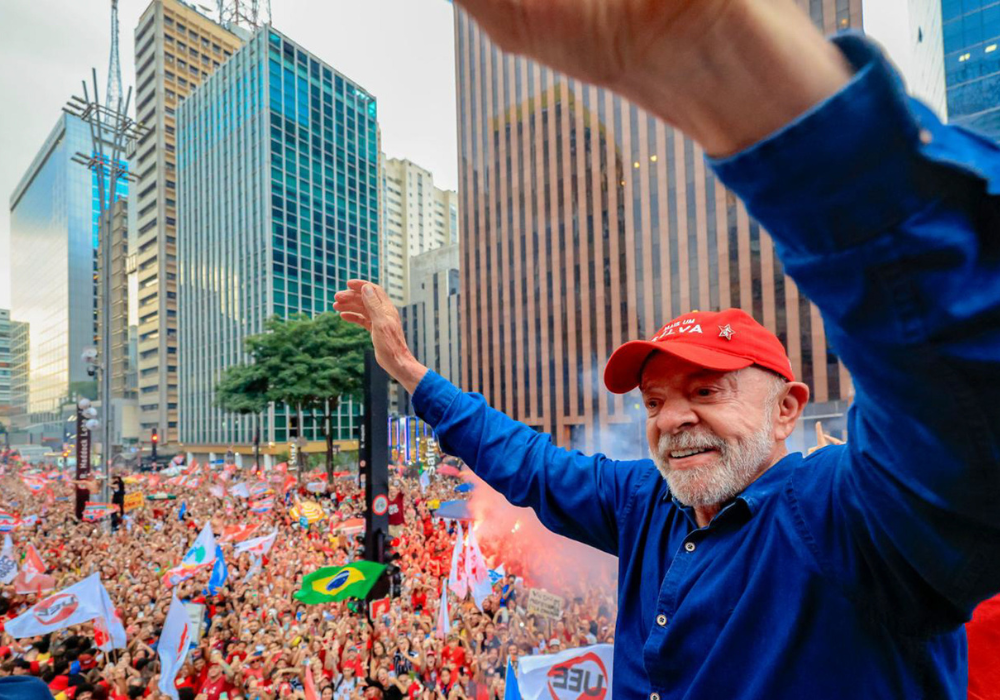
In his victory speech, delivered to a sea of supporters in São Paulo, Lula emphasized a message of reconciliation while doubling down on his commitment to global climate leadership. “We are going to show the world how climate policy is done in this country,” he declared. “Brazil is no longer a pariah; we are the protagonists of a green transition that will prove it is possible to grow the economy without destroying our forests.”
The Environmental Mandate and the Amazon’s Future
For the global scientific community, the stakes of the 2026 election could not have been higher. Under the previous administration of Jair Bolsonaro (2019–2022), deforestation rates in the Amazon reached a 15-year high, drawing international condemnation and threatening the viability of the Mercosur-EU trade deal. The prospect of Flávio Bolsonaro—who campaigned on a platform of ending “environmental obstacles” to allow farmers total autonomy over their land—was viewed by many as a death knell for the "lungs of the earth."
Lula’s third term (2023–2026) had been defined by a radical shift in environmental policy. His administration successfully reactivated the Amazon Fund, a multi-billion-dollar international financing mechanism, and empowered environmental agencies like IBAMA and ICMBio, which had been gutted under his predecessor. These efforts culminated in Brazil hosting COP30 in Belém in 2025, where the country positioned itself as the leader of the "Tropical Forest Nations" alliance.
The impact of these policies is supported by rigorous data. According to the Observatório do Clima, a coalition of 70 civil society groups, Brazil’s greenhouse gas emissions fell by 13% in 2024 and another 6% in 2025. By the end of 2026, net emissions had dropped by a staggering 81% compared to the 2022 levels recorded during the final year of the Jair Bolsonaro government. This reduction is primarily attributed to a 71% decline in Amazonian deforestation over the four-year period.
Chronology of Progress: 2022 to 2026
To understand the weight of Lula’s fourth-term win, it is essential to look at the timeline of his administration’s environmental and social achievements over the last four years:
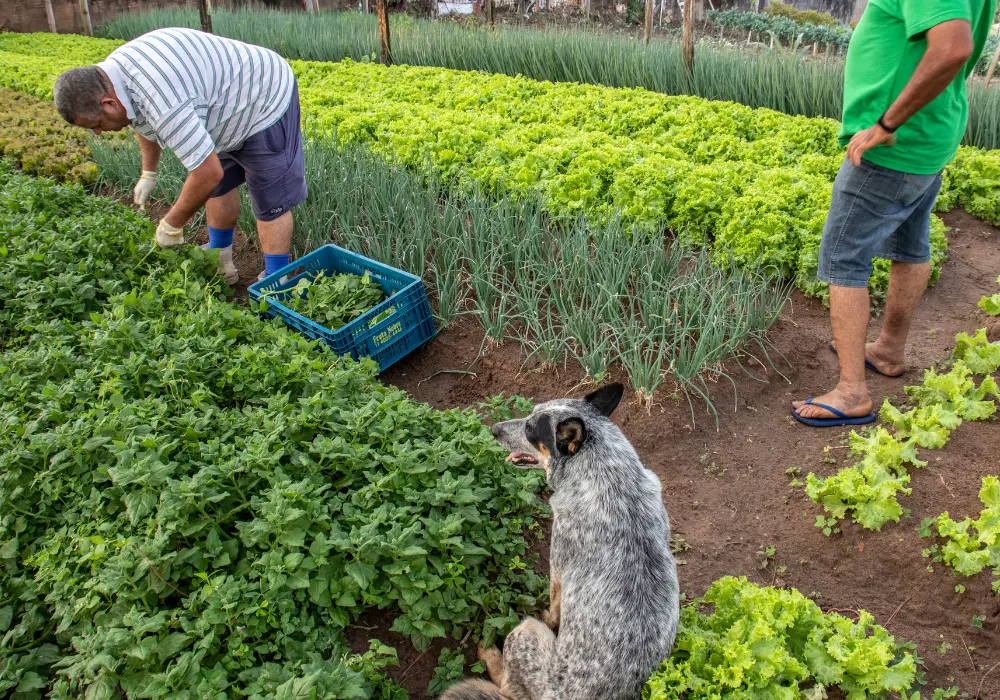
- January 2023: Lula is inaugurated for his third term; he immediately signs decrees to revoke pro-mining measures on Indigenous lands and reinstates the Action Plan for the Prevention and Control of Deforestation in the Legal Amazon (PPCDAm).
- 2024: Brazil records a 13% drop in gross emissions. The government expands the use of remote satellite monitoring and "collective embargoes," where entire regions found to be illegally deforested are barred from accessing credit and markets.
- 2025: Brazil hosts COP30 in the Amazonian city of Belém. The Lula administration announces that the country has met its interim climate targets five years ahead of schedule. At least 13 new Indigenous territories are granted full legal protection, providing a buffer against illegal logging and cattle ranching.
- Early 2026: Deforestation in the Cerrado biome—the world’s most biodiverse savanna—drops by 48% following the implementation of stricter land-use regulations.
- October 2026: Lula wins a fourth term, securing a mandate to continue these policies through 2030.
The Role of the Agricultural Sector
Despite the environmental successes, the political landscape remains fraught with tension, particularly regarding the agricultural sector. Agriculture is the primary driver of the Brazilian economy but also its largest source of carbon. When accounting for both direct emissions and those resulting from land-use changes, the sector is responsible for 70% of Brazil’s gross emissions.
The powerful "Ruralista" caucus in Congress remains a significant hurdle for the Lula administration. This group, which heavily backed Flávio Bolsonaro, argues that strict environmental enforcement stifles economic growth and infringes on property rights. During the campaign, Flávio Bolsonaro tapped into this sentiment, vowing to dismantle the "fine industry" (the system of environmental penalties) and promote "unrestricted development" in the North and Midwest.
Lula’s challenge in his fourth term will be to transition the agricultural sector toward more sustainable practices without alienating the industry that drives Brazil’s trade surplus. His administration has proposed a "Green Low-Carbon Agriculture" plan, which offers subsidized credit to farmers who adopt regenerative techniques and restore degraded pastures. However, the political divide between the urban environmentalist base and the rural production centers remains one of the most significant challenges to national stability.
Internal Contradictions and the Petrobras Dilemma
While Lula is celebrated internationally as a "Climate Champion," his administration has not been without internal conflict. One of the most contentious issues remains the role of Petrobras, the state-controlled oil giant. Throughout 2025 and 2026, the government faced intense criticism from environmental groups, including the Observatório do Clima, for its support of an offshore oil-drilling project near the mouth of the Amazon River.
Critics argue that exploring for new fossil fuel reserves is incompatible with the goals of the Paris Agreement and undermines Brazil’s moral authority on the global stage. The Lula administration has defended the project as a necessary step for "energy sovereignty" and a source of revenue to fund the country’s social welfare programs. This tension between extractive economic needs and ecological preservation is expected to be a central theme of his fourth term.
Global Reactions and Strategic Implications
The international response to Lula’s victory has been overwhelmingly positive among Western leaders and climate diplomats. UN Secretary-General António Guterres described the result as a "vital win for multilateralism and the planet." Leaders from the European Union and the United States have already signaled their intent to deepen partnerships with Brazil on green hydrogen, sustainable aviation fuels, and carbon market frameworks.
From a geopolitical perspective, Lula’s fourth term reinforces Brazil’s role as a leader of the Global South. By successfully linking environmental protection with poverty reduction—lifting millions out of hunger through expanded welfare programs like the refurbished "Bolsa Família"—Lula has provided a blueprint for other developing nations. His administration’s focus on "social-environmentalism" argues that the climate crisis cannot be solved without addressing economic inequality.
The Path to 2030
As Lula prepares for his fourth inauguration, the eyes of the world are on Brazil’s 2030 and 2035 climate targets. David Tsai, a researcher at the Institute for Energy and Environment, notes that while the recent drops in emissions are historic, the country cannot rely solely on curbing deforestation. “It is essential to make progress in other sectors, such as energy and industry, to ensure that the next targets are met,” Tsai stated.
The next four years will likely see a push for "Zero Deforestation" by 2030, a goal that Lula has repeatedly reaffirmed. Achieving this will require not only police action against environmental criminals but also the creation of a "Bioeconomy" that provides sustainable livelihoods for the 28 million people living in the Amazon region.
For now, the result of the 2026 election serves as a testament to the resilience of Brazil’s democratic institutions and the growing public consensus on the importance of the climate agenda. The "shocking come-from-behind win" suggests that while the far-right remains a potent force, the vision of a "Green Brazil" has gained enough momentum to withstand the challenge. As the streets of São Paulo quiet down after the victory parade, the hard work of governing a divided nation and protecting its most precious natural resources begins anew.
