

The Volkswagen Group, once the undisputed titan of European industrial might, is currently navigating its most significant period of instability since the aftermath of the "Dieselgate" scandal. Faced with a precipitous decline in operating profits, a bloated manufacturing footprint in its home market, and intensifying global competition, the Wolfsburg-based automaker has embarked on a radical austerity program that threatens to dismantle decades of established labor relations in Germany. Even as the company prepares to shutter domestic facilities and eliminate tens of thousands of jobs, it is simultaneously funneling billions of dollars into the North American market, signaling a fundamental shift in its global manufacturing strategy.
The Financial Precipice: From Record Profits to Austerity
The scale of Volkswagen’s financial retreat is starkly illustrated by its recent performance metrics. In 2023, the group reported a robust operating profit of €22.6 billion, buoyed by a post-pandemic recovery and strong demand for premium internal combustion engine (ICE) vehicles. However, by 2025, that figure plummeted to just €8.9 billion. Projections for 2026 suggest a further halving of profits, a trajectory that management describes as unsustainable.
This financial deterioration is the primary driver behind a massive restructuring plan intended to generate €20 billion in savings across the entire value chain by 2030. Central to this objective is a reduction in overhead costs of approximately €11 billion. To achieve these targets, Volkswagen has proposed the unprecedented closure of up to four manufacturing plants in Germany. This move would represent the first domestic factory closures in the company’s 87-year history, underscoring the severity of the current crisis.
The company’s "Performance Program" also includes a drastic simplification of its product lineup. Reports indicate that Volkswagen plans to discontinue up to half of its current models, focusing instead on high-margin segments and a leaner portfolio of electric vehicles (EVs). This consolidation is intended to reduce R&D complexity and streamline production lines that are currently operating well below capacity.

Labor Relations in Turmoil: The IG Metall Conflict
The most immediate flashpoint for the company is its deteriorating relationship with IG Metall, Germany’s most powerful industrial union. On September 30, 2026, Volkswagen Group officially terminated several long-standing wage agreements and job security provisions. These agreements, some of which were updated as recently as December 2024, covered more than 100,000 workers at the company’s primary German sites, including Wolfsburg, Emden, and Zwickau.
The termination of these provisions targets essential worker benefits, including holiday pay, bonus structures, and overtime regulations. Management justified the move by citing a "material change in circumstances," a legal clause that allows for the renegotiation of contracts if the economic environment shifts significantly. Human Resources Chief Arne Meiswinkel emphasized that the company must "continue to work on cost structures" to ensure it remains "fit for the future."
The union’s response has been one of unmitigated hostility. Thorsten Groeger, a lead negotiator for IG Metall, described the move as a "despicable blow" and warned of a "massive process" of industrial action. Under current German labor law, the union is prohibited from striking until January 1, 2027. However, union leaders have issued an ultimatum: if the company does not rescind the termination notices by October 31, 2026, they will begin preparations for widespread strikes across German facilities the moment the legal peace period expires.
Adding to the tension is a proposal from the executive board to freeze the salaries of 660,000 staff members worldwide until 2030. Daniela Cavallo, head of the Volkswagen Works Council, has publicly challenged the board, pointing out that the "highest-paid management board in the country" should bear more responsibility for the strategic failures that led to the current situation.
Chronology of the Crisis (2024–2026)
The current standoff is the result of a multi-year erosion of the company’s competitive position.

- September 2024: Volkswagen first cancels parts of its collective bargaining framework, sparking a wave of protests.
- December 2024: A landmark labor deal is reached, involving 35,000 job cuts through voluntary packages and early retirement, intended to provide stability for several years.
- Mid-2025: Financial reports reveal that the December deal was insufficient to offset rising energy costs in Germany and declining sales in China.
- September 5, 2026: The Supervisory Board approves a plan to eliminate up to 100,000 jobs globally over four years.
- September 30, 2026: Volkswagen terminates wage provisions, setting a collision course with IG Metall.
- October 2026: Negotiations resume in Hanover, but both sides remain deadlocked.
Strategic Pivot: The American Expansion
While the situation in Germany remains grim, Volkswagen Group is aggressively expanding its footprint in the United States. This "two-speed" strategy—contracting in Europe while expanding in North America—is driven by a desire to mitigate the impact of trade barriers and to capitalize on the lucrative American SUV market.
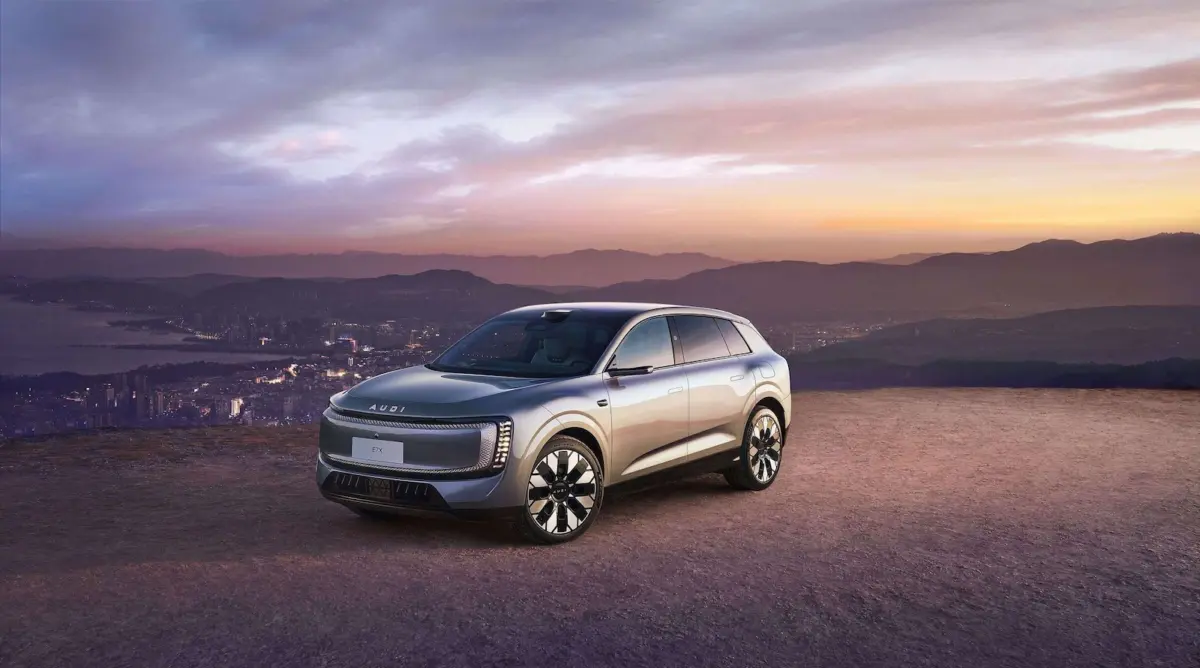
The Audi division recently announced a $4 billion investment to construct a new assembly plant south of Macon, Georgia. This facility is designed with a production capacity of 200,000 vehicles per year, with a focus on luxury electric SUVs. Site preparation is expected to begin before the end of 2026, with full-scale production targeted for 2031.
This move follows the path taken by rivals BMW and Mercedes-Benz, who have operated large-scale manufacturing hubs in South Carolina and Alabama for decades. For Audi, localizing production is no longer a luxury but a necessity. Punitive tariffs on European-made vehicles have significantly eroded the brand’s price competitiveness in the U.S. By building in Georgia, Audi hopes to bypass these trade hurdles and qualify for federal tax credits under current American industrial policy.
Furthermore, Volkswagen is moving forward with its "Scout" brand revival in South Carolina. The $2 billion Scout factory will produce rugged electric SUVs and pickup trucks designed specifically for the American consumer. By creating a distinct brand with a dedicated U.S. supply chain, Volkswagen is attempting to replicate the success of domestic icons like the Ford Bronco and Jeep.
Analysis of Implications: A Changing Global Landscape
The crisis at Volkswagen is symptomatic of broader structural challenges facing the German automotive industry. Historically, German manufacturers relied on cheap Russian energy, a stable and highly skilled domestic labor force, and explosive growth in the Chinese market. All three of these pillars have crumbled simultaneously.

- The China Factor: For decades, China was Volkswagen’s most profitable market. However, the rise of domestic Chinese EV manufacturers like BYD and Xiaomi has decimated Volkswagen’s market share. The company’s inability to match the software integration and price points of Chinese competitors has forced it to refocus on the West.
- Energy and Deindustrialization: Germany’s high energy costs relative to the U.S. and China have made domestic manufacturing increasingly uncompetitive. The proposed closure of four German plants suggests that Volkswagen no longer believes it can produce mass-market vehicles profitably in its home country.
- The Tariff War: The shift toward protectionist trade policies globally has forced a "build where you sell" mentality. The Georgia and South Carolina investments are defensive measures against a potential escalation of transatlantic trade tensions.
Conclusion and Future Outlook
Volkswagen Group stands at a historic crossroads. The coming months will be defined by intense negotiations in Emden (November 24) and Zwickau (December 15). If the company and IG Metall fail to reach a compromise, the start of 2027 could see the most significant industrial disruption in Germany’s post-war history.
Management remains firm that the "status quo" is no longer an option. The company’s priorities are clear: reduce domestic capacity, simplify the product range, and aggressively pursue the North American market. However, the social cost of this transition is immense. Shuttering German factories and cutting 100,000 jobs will not only alter the DNA of the company but could also have profound political consequences for the German government, which holds a significant stake in the automaker through the state of Lower Saxony.
As Volkswagen pivots toward its American "economic savior," the success of the Georgia and South Carolina plants will be critical. If the company can successfully navigate the transition to electric mobility while stabilizing its balance sheet through American sales, it may emerge as a leaner, more resilient entity. However, the path to that future is currently blocked by a workforce that feels betrayed and a domestic economic environment that has become increasingly hostile to heavy industry.
