

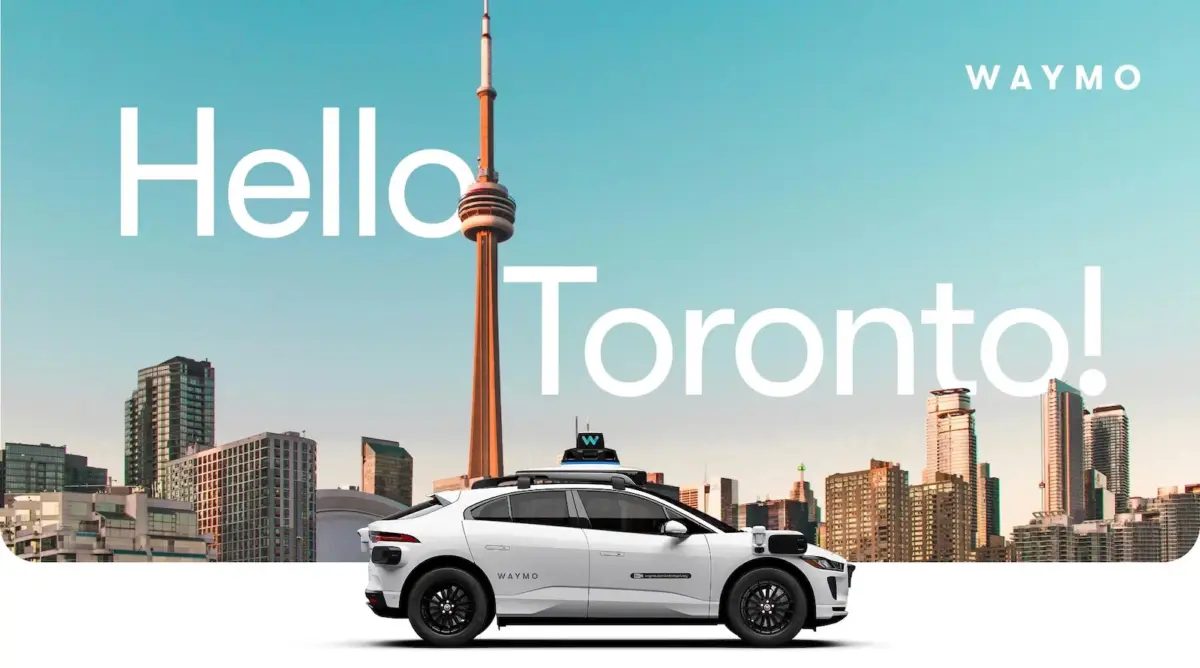
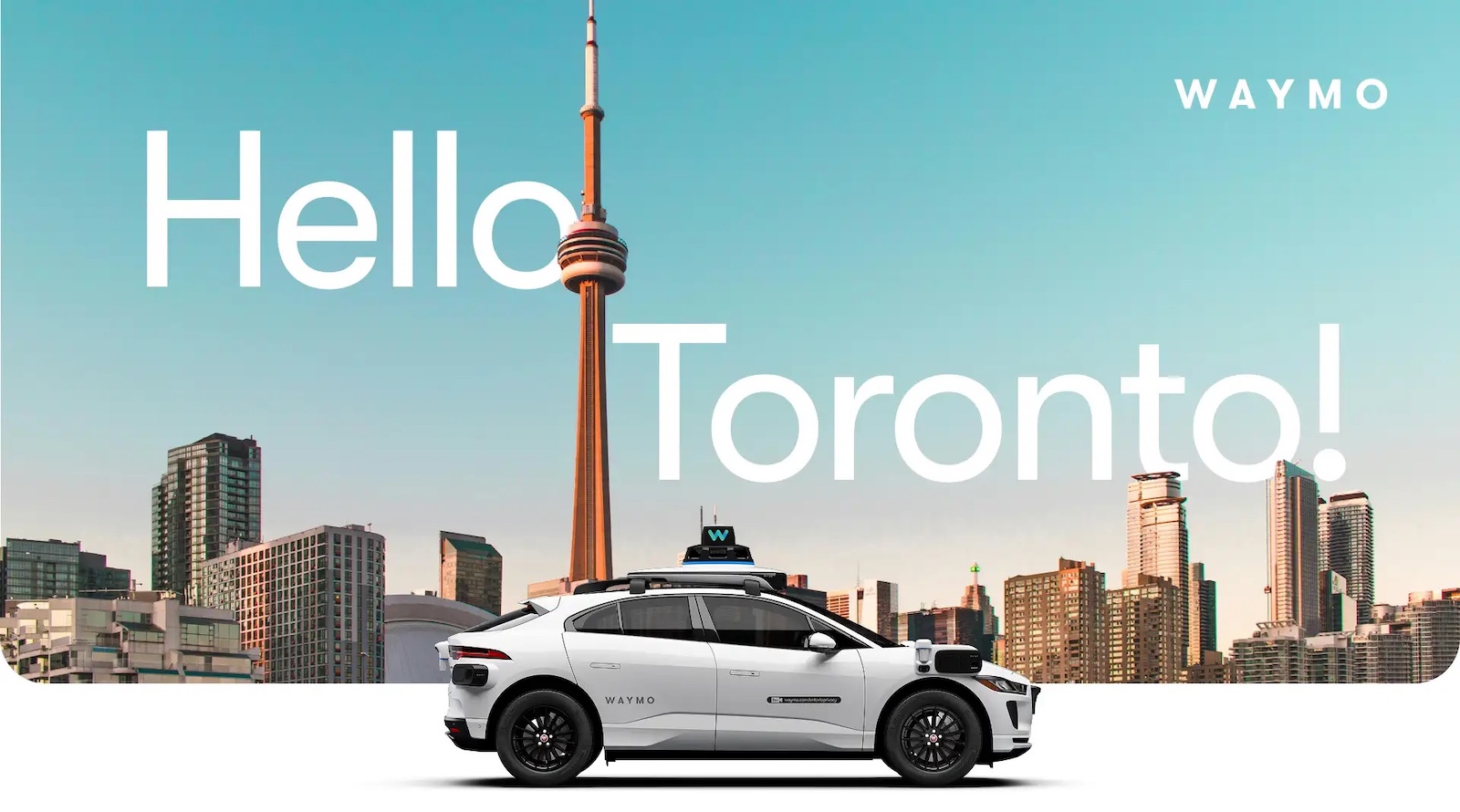
Waymo, the autonomous driving technology subsidiary of Alphabet Inc., has officially announced its first major international expansion with the selection of Toronto, Ontario, as its inaugural Canadian market. The company confirmed that it is currently laying the foundational infrastructure for a fully autonomous ride-hailing service, aiming to welcome its first public passengers in the city by 2028. This move represents a significant milestone for the company, which has until now focused its commercial operations primarily within the United States, including established services in Phoenix, San Francisco, and Los Angeles.
The expansion involves a multi-year, phased implementation strategy that prioritizes safety validation and local integration. In the immediate term, Toronto residents will begin to see the familiar Waymo fleet—typically comprised of white Jaguar I-PACE electric SUVs equipped with an array of sensors—navigating the city’s streets. During this initial phase, the vehicles will be operated manually by trained autonomous specialists. These specialists are tasked with high-definition (HD) mapping of Toronto’s complex street networks, capturing the intricate details of lane markings, signage, and traffic patterns necessary for the Waymo Driver to operate without human intervention.
A Strategic Phased Rollout in Canada’s Largest Metropolis
The decision to enter Toronto follows years of research and development aimed at preparing autonomous systems for diverse urban environments. Waymo’s approach to the Canadian market is characterized by a rigorous validation period designed to ensure its "all-weather Driver" can handle the specific challenges of the Great Lakes climate and Toronto’s unique urban layout. Unlike the relatively predictable weather of Phoenix or the hilly but temperate terrain of San Francisco, Toronto presents a high-density environment subject to heavy snowfall, ice, and fluctuating visibility.
"Expanding into Canada marks an important milestone in Waymo’s global journey," stated Waymo co-CEO Tekedra Mawakana. "Toronto is one of the world’s great cities—innovative, diverse, and forward-looking. We’re proud to bring the Waymo Driver to Canada’s largest city and to partner with the vibrant business, arts, and cultural communities that share our commitment to safer streets and more accessible mobility."
The timeline leading to the 2028 launch includes several critical milestones. Following the manual mapping phase, the company will transition to "validation driving," where the autonomous system operates the vehicle under the supervision of a safety driver. Only after the system demonstrates consistent reliability across millions of simulated and real-world kilometers will the company move toward "driverless" testing and, eventually, public commercial service.
Leveraging Local Partnerships and Economic Impact
To facilitate this large-scale operational deployment, Waymo has entered into a strategic partnership with Element Fleet Management, a Toronto-headquartered global leader in fleet and mobility solutions. Element will provide end-to-end management services, ensuring the maintenance, storage, and operational readiness of the autonomous fleet. This partnership is expected to create hundreds of local jobs over the coming years.
The roles generated by this expansion will span several sectors, including:
- Fleet Maintenance and Technical Support: Specialized technicians to service the electric vehicle platforms and the proprietary sensor suites.
- Validation Driving and Operations: Trained specialists to oversee the initial testing phases and monitor fleet health.
- Customer Service and Support: Local staff to assist riders and manage the user experience as the service goes live.
- Data Analysis and Infrastructure: Engineers focused on refining the HD maps and localizing the AI to Toronto’s traffic laws and driver behaviors.
Laura Dottori-Attanasio, Chief Executive Officer of Element Fleet Management, highlighted the significance of the collaboration for the Canadian economy. "As a Canadian company, we are proud to be expanding our partnership with Waymo to help bring autonomous ride-hailing to Toronto. Together, we will help create employment opportunities providing the fleet expertise and intelligent mobility solutions needed to support autonomous fleets reliably and at scale."
This expansion also builds upon Waymo’s existing financial and industrial ties to Canada. The Canada Pension Plan Investment Board (CPPIB) has been a long-term investor in Waymo, participating in the company’s first external investment round. Furthermore, Waymo maintains a manufacturing partnership with Magna International, a global automotive supplier based in Aurora, Ontario, which has been instrumental in integrating Waymo’s hardware into vehicle platforms.
Safety Metrics and the Challenge of All-Weather Autonomy
One of the primary arguments for the introduction of autonomous vehicles (AVs) is the potential to drastically reduce traffic fatalities. Human error—including distraction, impairment, and fatigue—is a factor in over 90% of vehicle crashes. Waymo’s internal data, derived from over 400 million fully autonomous kilometers driven, indicates that the Waymo Driver was involved in 95% fewer crashes involving serious injury or death compared to human drivers in the cities where it currently operates.
In Toronto, the technology will face the ultimate test: winter. Waymo has been preparing for this for years, conducting cold-weather testing in cities like Buffalo, New York, and Detroit, Michigan. The company’s "all-weather Driver" utilizes a combination of Lidar (Light Detection and Ranging), radar, and high-resolution cameras. To handle snow and slush, the vehicles are equipped with advanced sensor-cleaning systems, including heated lenses and air blasts to clear obstructions. Furthermore, the AI is trained to interpret "noisy" data caused by falling snowflakes or road spray, allowing the vehicle to maintain a clear understanding of its surroundings even when lane lines are obscured by snow.
Integration into Toronto’s Transportation Ecosystem
Toronto is one of the fastest-growing metropolitan regions in North America, currently grappling with significant traffic congestion and evolving transit needs. City planners and mobility experts view autonomous ride-hailing not as a replacement for public transit, but as a complementary "last-mile" solution.
The Waymo service is intended to integrate into a multimodal ecosystem that includes the Toronto Transit Commission (TTC), an extensive network of bike lanes, and pedestrian-centric urban planning. By providing a reliable, 24/7 on-demand service, Waymo aims to reduce the reliance on private vehicle ownership, which could eventually lead to a reduction in the amount of urban space required for parking.

Safety and accessibility have been positioned as core pillars of the Toronto rollout. Waymo has proactively engaged with several local advocacy organizations to ensure the service meets the needs of underserved populations. Partners include:
- BALANCE for Blind Adults
- CNIB (Canadian National Institute for the Blind)
- Community Living Toronto
- Connected Canadians
- Epilepsy Ontario
Michelle McQuigge, CEO of BALANCE for Blind Adults, noted the transformative potential of the technology. "Innovation that removes barriers to independence is at the heart of everything we do. Waymo’s history of partnering with the sight loss community to build accessible solutions is encouraging, and their decision to engage with us early reflects the kind of approach that leads to real results."
Regulatory and Competitive Landscape
The move into Canada occurs amidst a tightening regulatory environment for autonomous vehicles. In Ontario, the Ministry of Transportation manages the Automated Vehicle Pilot Program, which allows for the testing of AVs under specific conditions. Waymo’s phased approach aligns with these provincial requirements, which emphasize safety oversight and data sharing with regulatory bodies.
Waymo’s entry into Toronto also sets the stage for increased competition in the autonomous space. While companies like Tesla continue to develop "Full Self-Driving" (FSD) software for consumer vehicles, Waymo remains the leader in "Level 4" autonomy—vehicles that can operate entirely without a driver within a defined geographic area (geofencing). Competitors such as Uber and various international AV firms have also expressed interest in the Canadian market, but Waymo’s 2028 timeline and deep-rooted local partnerships give it a significant first-mover advantage in the ride-hailing sector.
Implications for the Future of Urban Mobility
The long-term implications of Waymo’s Canadian expansion extend beyond simple transportation. The project serves as a pilot for how autonomous technology can be localized for international markets with distinct legal, cultural, and environmental frameworks. If successful in Toronto, the model could be exported to other major Canadian cities such as Vancouver or Montreal, or to European and Asian markets facing similar urban density and weather challenges.
Furthermore, the investment in local jobs and infrastructure signals a shift in the AV industry from experimental R&D to permanent urban utility. By 2028, the presence of autonomous vehicles in Toronto could be as commonplace as traditional taxis, fundamentally altering how residents and visitors interact with the city’s geography.
As Waymo begins its mapping efforts this month, the company is inviting residents to follow the progress and sign up for updates. While the 2028 launch date remains several years away, the groundwork being laid today represents a pivotal shift in the North American automotive landscape, moving toward a future where the "driver" is no longer a person, but a sophisticated, safety-tested AI.
