

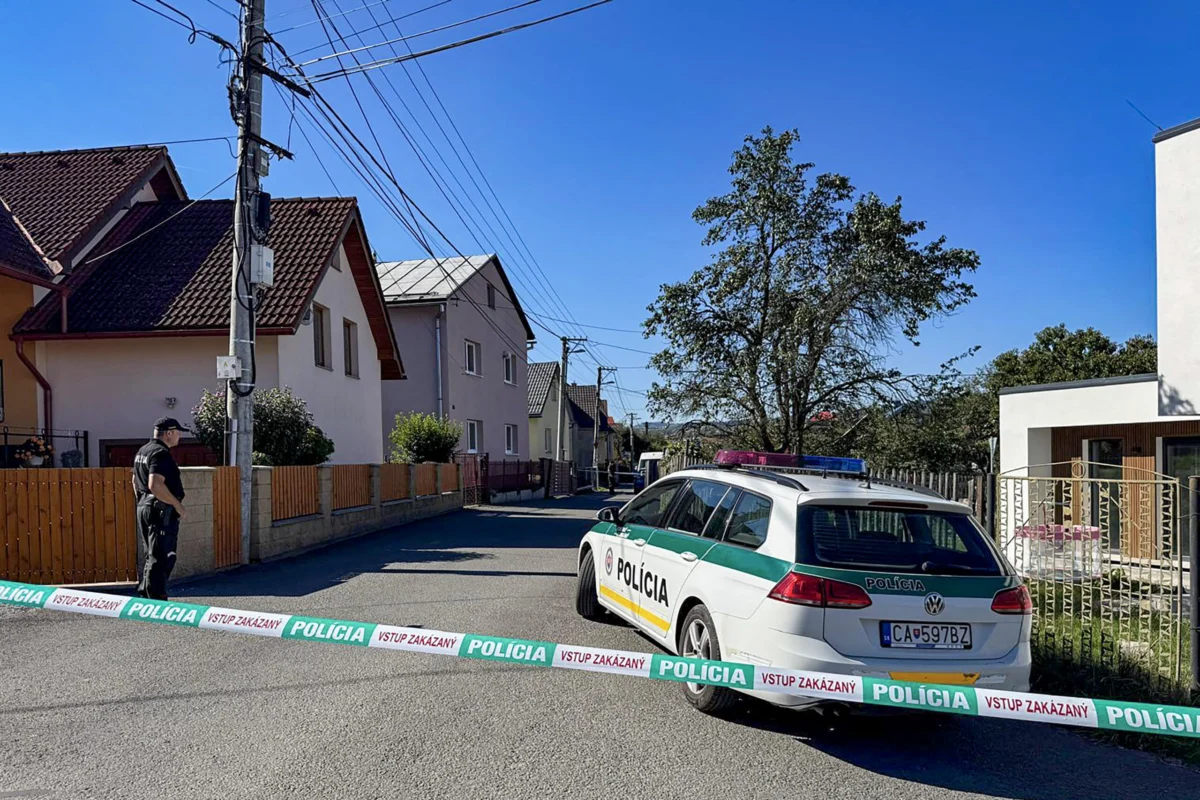
A 13-year-old elementary school student has been detained by Slovak police following a horrific knife attack on Tuesday morning in the tranquil northwestern village of Staskov, which resulted in the death of a 61-year-old female teacher and left two others seriously wounded. The incident, which unfolded at a local elementary school, has sent shockwaves across Slovakia, prompting immediate investigations into "premeditated murder" by the Office for Combating Organised Crime (UBOK) and igniting a national conversation about youth violence, mental health, and school security.
The serene atmosphere of Staskov, a village of approximately 2,750 residents nestled near the Czech border in the Kysuce region, was shattered shortly after the start of the school day. Authorities confirmed that the young perpetrator, whose identity has been withheld due to his age, attacked the 61-year-old teacher, fatally stabbing her. In the ensuing chaos, a 44-year-old female teacher and a female schoolgirl also sustained serious injuries. Emergency services spokeswoman Petra Klimesova conveyed the gravity of the situation, particularly noting the critical condition of the injured schoolgirl. Health Minister Kamil Sasko later informed reporters that the schoolgirl was in "a serious, critical condition," underscoring the severity of her injuries. Interior Minister Matus Sutaj Estok, speaking from Staskov, provided a glimmer of reassurance regarding the second teacher, stating that her life was not in danger despite being stabbed in the chest.
Chronology of a Morning of Terror
The precise sequence of events on Tuesday morning is still under active investigation, but preliminary reports paint a grim picture. The attack is believed to have occurred swiftly and without immediate discernible provocation. Upon receiving distress calls from the school, emergency services, including paramedics and police units, were dispatched immediately to the scene. The rapid response was critical in mitigating further casualties and providing urgent medical attention to the wounded.
The school’s head teacher has been widely praised for her exemplary conduct during the crisis. Interior Minister Sutaj Estok highlighted her decisive actions, stating, "She followed every single procedure outlined in the available manuals to the letter and prevented the tragedy from becoming even worse." Her quick thinking and adherence to established protocols are credited with containing the situation and potentially saving lives amidst the unfolding horror. Police quickly apprehended the 13-year-old suspect at the school, securing the scene and initiating the painstaking process of evidence collection and witness interviews. The village, typically quiet and close-knit, was immediately placed under heightened security, with law enforcement confirming the situation was "under control" by late morning. The motive behind the attack remains unknown, forming a central focus of the ongoing UBOK investigation.
Background and Context: Slovakia’s Education System and Legal Framework
Slovakia’s education system, like many in Central Europe, places a strong emphasis on community schools, where teachers often develop close, long-standing relationships with students and their families. Elementary schools cater to children typically from ages six to fifteen. Staskov’s school would likely be a central hub for the small community, making the attack particularly shocking and deeply personal for its residents. The incident challenges the perception of schools as safe havens and highlights vulnerabilities even in seemingly idyllic settings.
The involvement of a 13-year-old suspect introduces significant complexities under Slovak law. While the age of criminal responsibility in Slovakia is generally 14 years, minors aged 12 to 14 can be held criminally liable for particularly serious offenses, such as premeditated murder, if they are deemed to have possessed the intellectual and moral capacity to understand the nature and consequences of their actions. The investigation by UBOK into "premeditated murder" suggests that authorities are treating this case with the utmost gravity, implying a potential legal path towards prosecution even given the perpetrator’s young age. Should he be found criminally responsible, the legal process would likely involve specialized juvenile courts, focusing on a balance between justice, rehabilitation, and the welfare of the child. The psychological assessment of the minor will be a critical component of the investigative and judicial process.
A Disturbing Pattern: Previous School Attacks in Slovakia
This tragic incident in Staskov is not an isolated event in Slovakia, but rather the latest in a series of disturbing attacks on educational institutions over recent years, signaling a worrying trend of increasing violence within school environments. These previous incidents, though varied in their specifics, collectively underscore a growing concern about safety and mental health among the youth.
- 2023 Incident in Northern Slovakia: Just last year, an 18-year-old student fatally stabbed a 51-year-old deputy principal and an 18-year-old fellow student at a high school in northern Slovakia. This incident, also involving multiple fatalities and serious injuries, sent similar tremors through the nation, prompting calls for stricter security measures and greater attention to student well-being.
- 2020 Attack in Vrutky: A more high-profile case occurred in 2020 when a 22-year-old former student launched an attack on a high school in the town of Vrutky. That assault resulted in the death of the deputy principal and left five other individuals wounded, including two students. The assailant was subsequently shot dead by police. This incident particularly highlighted the dangers posed by disgruntled former students and the need for robust threat assessment protocols.
- 2022 Attack in Novaky: In 2022, a high school student attacked and injured a female pupil at a high school in Novaky. While not fatal, this incident further contributed to the growing unease about the prevalence of violence in schools.
These previous occurrences, spanning different age groups and motives, paint a troubling picture. They suggest that the problem of school violence in Slovakia is multi-faceted, potentially stemming from issues such as unaddressed mental health challenges, bullying, social alienation, or the influence of external factors. The Staskov attack now adds a particularly distressing dimension, given the very young age of the alleged perpetrator, raising profound questions about early intervention and the factors contributing to such extreme acts by minors.
Official Reactions and Calls for Societal Reflection
The tragedy elicited immediate and strong reactions from Slovakia’s highest political offices, reflecting the profound shock and concern permeating the nation.
Prime Minister Robert Fico conveyed his "sincere condolences" and stated he was following "the tragic incident in the village of Staskov with great concern," adding, "Personally, I am deeply saddened by this." His statement underscored the collective grief and the perceived gravity of the event at a national level.
President Peter Pellegrini expressed a deeper, more analytical concern, articulating his shock that "this is yet another case in which a student attacked teachers and a classmate." His remarks moved beyond mere condolences to address underlying societal issues, particularly the role of "aggression and an atmosphere of intolerance – spread primarily by social media and, unfortunately, by some politicians as well – are literally poisoning the public sphere and influencing the behaviour of our children in schools." President Pellegrini’s pointed observations highlight a broader societal debate ongoing in Slovakia, as in many parts of the world, concerning the impact of digital environments and divisive political rhetoric on impressionable youth. He urged "all citizens to act in a way that calms the atmosphere, rather than further radicalising it," implicitly calling for greater civic responsibility and a collective effort to foster a more tolerant and supportive environment for children.
Interior Minister Matus Sutaj Estok’s presence at the scene in Staskov immediately following the incident underscored the government’s direct engagement with the crisis. His praise for the head teacher’s adherence to safety protocols served as both an acknowledgment of professional bravery and a subtle reminder of the importance of preparedness in schools. Health Minister Kamil Sasko’s updates on the injured provided transparency and focused attention on the human cost of the attack.
Broader Impact and Implications: A National Reckoning
The Staskov tragedy is poised to trigger a comprehensive national reckoning on several critical fronts: school safety, juvenile mental health, and the societal environment shaping young minds.
- Enhanced School Security Measures: In the immediate aftermath, schools across Slovakia are likely to review and potentially bolster their security protocols. This could range from stricter access control, increased presence of school staff, to more sophisticated threat assessment training for educators. However, balancing security with maintaining an open and nurturing learning environment remains a delicate challenge, especially in smaller, community-focused schools where extensive security measures might seem out of place. The discussion will likely involve the feasibility of security personnel, panic buttons, and improved communication systems in crisis situations.
- Focus on Juvenile Mental Health: The young age of the perpetrator will inevitably shift significant attention towards the mental health of children and adolescents. Experts and policymakers will likely examine the adequacy of mental health support services within the educational system and the broader community. This includes early identification of behavioral issues, access to psychological counseling, and resources for addressing bullying, social isolation, and potential exposure to violent content online. There will be increased calls for teachers and parents to be better equipped to recognize warning signs and facilitate interventions.
- The Influence of Social Media and Societal Discourse: President Pellegrini’s remarks about the "poisoning" effect of social media and political rhetoric on children’s behavior will likely fuel an intensified debate on digital literacy, parental controls, and the responsibility of social media platforms. Discussions may revolve around fostering critical thinking skills in children regarding online content and promoting positive digital citizenship. The role of inflammatory public discourse in creating an atmosphere of intolerance that can impact young individuals will also be scrutinized.
- Review of Juvenile Justice System: The unique legal challenges presented by a 13-year-old accused of premeditated murder will undoubtedly prompt a closer look at Slovakia’s juvenile justice system. The balance between accountability, rehabilitation, and the developmental stage of a minor will be a central theme. This may involve discussions on specialized facilities, therapeutic interventions, and long-term support systems for young offenders and their families.
- Community Healing and Support: For Staskov and similar small communities, the emotional toll of such an event is immense. The school will require extensive psychological support for students, staff, and families to process the trauma. The incident could lead to a strengthening of community bonds as residents rally to support each other, but also potentially foster an undercurrent of fear and distrust that will take time to heal.
The Staskov tragedy serves as a stark reminder of the complex challenges facing modern societies in protecting their youngest members and ensuring safe learning environments. It forces a difficult conversation about the interplay of individual mental states, societal influences, and institutional preparedness. As the investigation progresses and the full details emerge, Slovakia faces the imperative to not only seek justice for the victims but also to implement meaningful changes that address the root causes of such devastating acts, striving to prevent future tragedies and restore a sense of security within its schools. The path forward will require a concerted effort from government, educational institutions, families, and communities to foster resilience, compassion, and a renewed commitment to the well-being of every child.
