

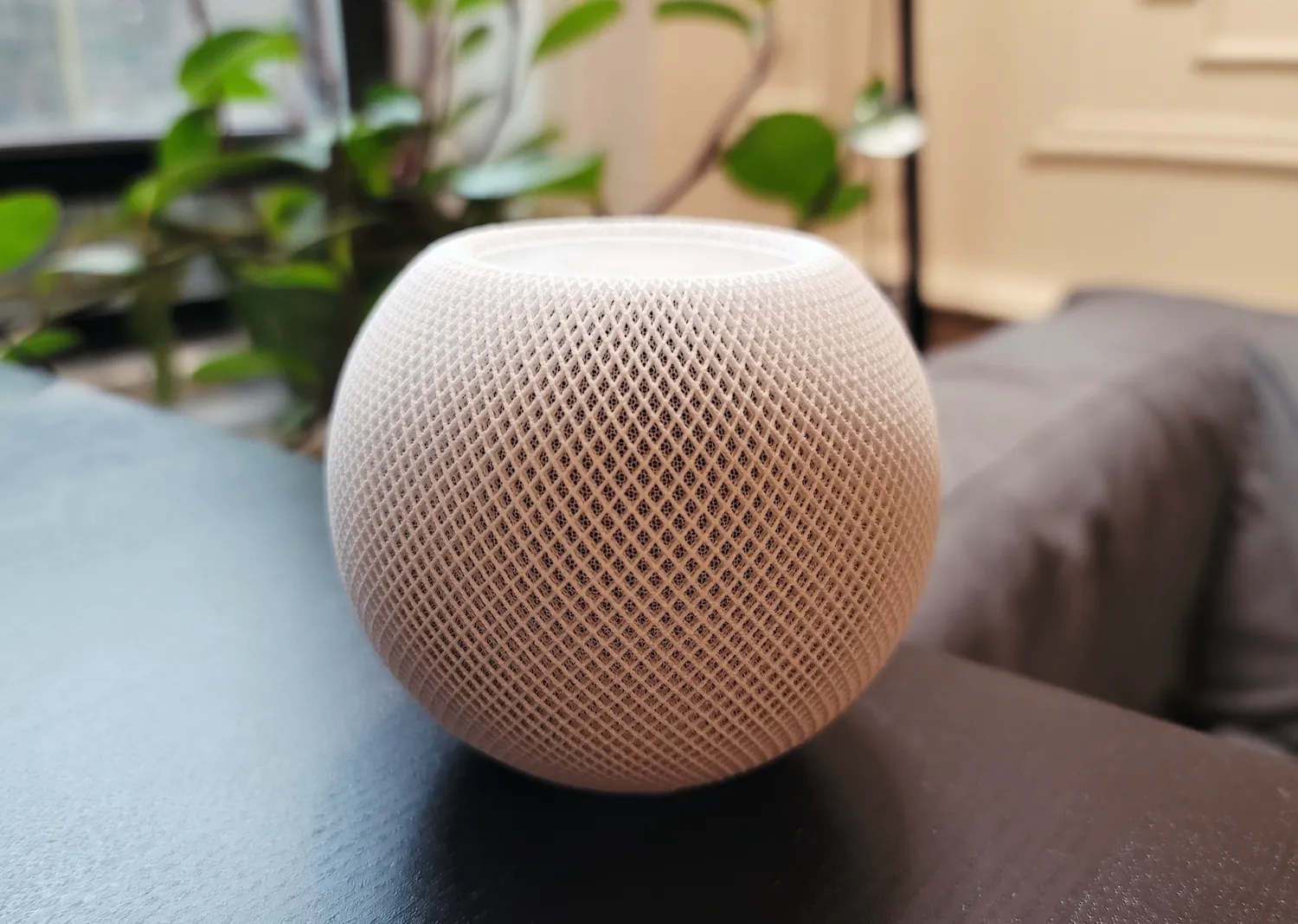
Apple is poised to significantly escalate its presence in the domestic technology sector this Tuesday with the unveiling of a dedicated smart home command center dubbed the HomeView. According to detailed reports from Bloomberg’s Mark Gurman, the announcement marks a pivotal shift in the company’s long-term hardware strategy, aiming to consolidate its disparate smart home efforts into a single, cohesive ecosystem. The HomeView represents Apple’s most aggressive attempt to challenge the dominance of Amazon’s Echo Show and Google’s Nest Hub series, leveraging high-performance silicon and a renewed focus on "Apple Intelligence" to provide a premium alternative in the ambient computing market.
For years, Apple’s foray into the smart home has been characterized by high-quality hardware that struggled to find a broad audience. The original HomePod, while praised for its acoustic performance, was hampered by a high price point and the perceived limitations of Siri compared to rival voice assistants. While the subsequent HomePod mini found more success through its entry-level pricing, Apple has lacked a central "anchor" device with a visual interface—a gap the HomeView is designed to fill. By integrating a display with the power of the A18 chip, Apple is signaling that the smart home is no longer a hobby for the Cupertino giant, but a core pillar of its hardware roadmap.
Hardware Specifications and Design Philosophy
The HomeView is expected to debut in two distinct form factors to address different utility needs within the modern household. The first model is a countertop version, likely featuring a tilting or swiveling display designed for high-traffic areas such as kitchens or living room side tables. This model is expected to function as a digital hub for recipe viewing, FaceTime calls, and media playback. The second variant is a wall-mounted model, designed to act as a permanent control panel for integrated home systems. This version aligns with the growing trend of "smart panels" used in high-end home automation, allowing users to monitor security cameras, adjust lighting, and manage climate control from a central, fixed location.
Central to the HomeView’s performance is the inclusion of the A18 chip. This is a notable departure from typical smart hub engineering, which often utilizes lower-power, cost-effective processors. By utilizing the A18—the same silicon architecture powering the company’s latest flagship smartphones—Apple ensures that the HomeView will have the computational overhead required for sophisticated on-device AI processing. This move is critical for privacy-conscious consumers, as it allows the device to process voice commands and facial recognition locally rather than relying on cloud-based servers. This "Privacy First" approach has become a cornerstone of Apple’s marketing and is likely to be a major selling point for a device intended to live in the most private areas of a consumer’s home.
The LG Partnership: A New Strategic Direction
Perhaps the most surprising element of the upcoming announcement is Apple’s reported partnership with LG. For a company that traditionally prefers to maintain total control over its hardware manufacturing and branding, the decision to collaborate with LG on a suite of smart home peripherals—including a smart lock, a thermostat, and a video doorbell—represents a strategic evolution.
Industry analysts suggest that this partnership allows Apple to scale its ecosystem rapidly without the logistical burden of manufacturing dozens of different home accessories. By providing the software framework and perhaps the wireless communication chips to LG, Apple ensures that these devices offer a "plug-and-play" experience within the HomeView interface. This collaboration addresses a long-standing criticism of Apple’s HomeKit ecosystem: the relative scarcity and higher cost of compatible third-party accessories compared to the vast libraries available for Amazon Alexa and Google Home.
A Comprehensive Ecosystem Update
The HomeView will not arrive in a vacuum. Tuesday’s event is also expected to feature refreshes for the Apple TV set-top box and the HomePod mini. The updated Apple TV is rumored to include a faster processor and improved support for the Matter smart home standard, further cementing its role as a media-centric hub. Meanwhile, the new HomePod mini is expected to receive minor internal upgrades, potentially including improved microphones and sensors for better integration with the HomeView’s spatial awareness features.
The timing of these releases suggests a mid-November launch window, strategically positioned to capture the holiday shopping season. By offering a tiered range of products—the high-end HomeView hub, the mid-range Apple TV, and the accessible HomePod mini—Apple is finally presenting a complete hardware stack that can accommodate various budgets and home sizes.

Historical Context and the Path to HomeView
To understand the significance of the HomeView, one must look at the decade-long evolution of Apple’s home strategy. Apple officially entered the space in 2014 with the announcement of HomeKit at WWDC. At the time, HomeKit was merely a software framework, a set of protocols designed to allow third-party manufacturers to communicate securely with iOS devices. However, the strict encryption requirements and hardware certification processes led to a slow adoption rate among manufacturers.
The 2018 launch of the original HomePod was meant to be Apple’s hardware "hero" for the home, but its $349 price tag and Siri’s inability to handle multi-user requests effectively at launch limited its appeal. The device was eventually discontinued in 2021, only to be revived in a second-generation form in 2023. During this period, Amazon and Google seized the market, distributing millions of inexpensive, screen-equipped devices that became the "brains" of the modern smart home.
The HomeView represents the "Version 3.0" of Apple’s strategy. It combines the lessons learned from the HomePod’s acoustic focus with the practical necessity of a visual interface. Furthermore, it arrives at a time when the industry has coalesced around Matter, a universal communication standard that Apple helped develop alongside its competitors. This means the HomeView will likely be able to control a wider array of non-Apple devices than any previous Apple product, breaking down the "walled garden" barriers that previously hindered adoption.
Market Analysis and Future Implications
The global smart home market is projected to exceed $200 billion by 2028, and Apple’s current share of the dedicated hub market remains significantly lower than its share of the smartphone or tablet markets. The HomeView is an attempt to rectify this imbalance. From a financial perspective, a successful home hub serves as a powerful "sticky" product. Once a household is outfitted with a HomeView and integrated LG locks and thermostats, the friction involved in switching to a different ecosystem becomes immense.
Furthermore, the HomeView acts as a gateway for Apple’s services division. It provides a permanent screen for Apple Music, Apple TV+, and potentially new home-centric services such as virtual fitness via Apple Fitness+ or shared family calendars. By placing an A18 chip in the device, Apple is also future-proofing the hardware for the next generation of generative AI features, which could turn Siri from a simple command-response tool into a proactive household assistant capable of managing complex schedules and home maintenance tasks.
Anticipated Industry Reaction
Competitors are expected to monitor the Tuesday announcement closely. Amazon has recently pivoted its Echo strategy toward higher-end displays and "ambient intelligence," while Google has integrated its Nest products more deeply with the Android ecosystem. Apple’s entry with a high-spec, privacy-focused device will likely force competitors to justify their own data collection practices and hardware performance.
Early reactions from the smart home enthusiast community have been cautiously optimistic. The prospect of a wall-mounted Apple display has been a "wish list" item for home automation hobbyists for years, many of whom currently use iPads mounted in third-party frames to achieve a similar effect. A native, purpose-built solution that integrates seamlessly with the A-series silicon and the latest version of homeOS (Apple’s rumored specialized operating system for home devices) could set a new gold standard for the industry.
Conclusion: The Ambient Future
As Apple prepares for its Tuesday event, the stakes are high. The HomeView is more than just a new product; it is a statement of intent. By combining powerful local processing, a versatile dual-model design, and strategic partnerships with industry veterans like LG, Apple is attempting to create a domestic environment where technology is both invisible and ubiquitous. If the HomeView succeeds in delivering a seamless, secure, and intelligent interface for the home, it could finally provide the "missing link" in Apple’s ecosystem, turning the house into a truly integrated smart space. The mid-November release will be the ultimate test of whether consumers are ready to invite Apple’s vision of the future into their living rooms and onto their walls.
