

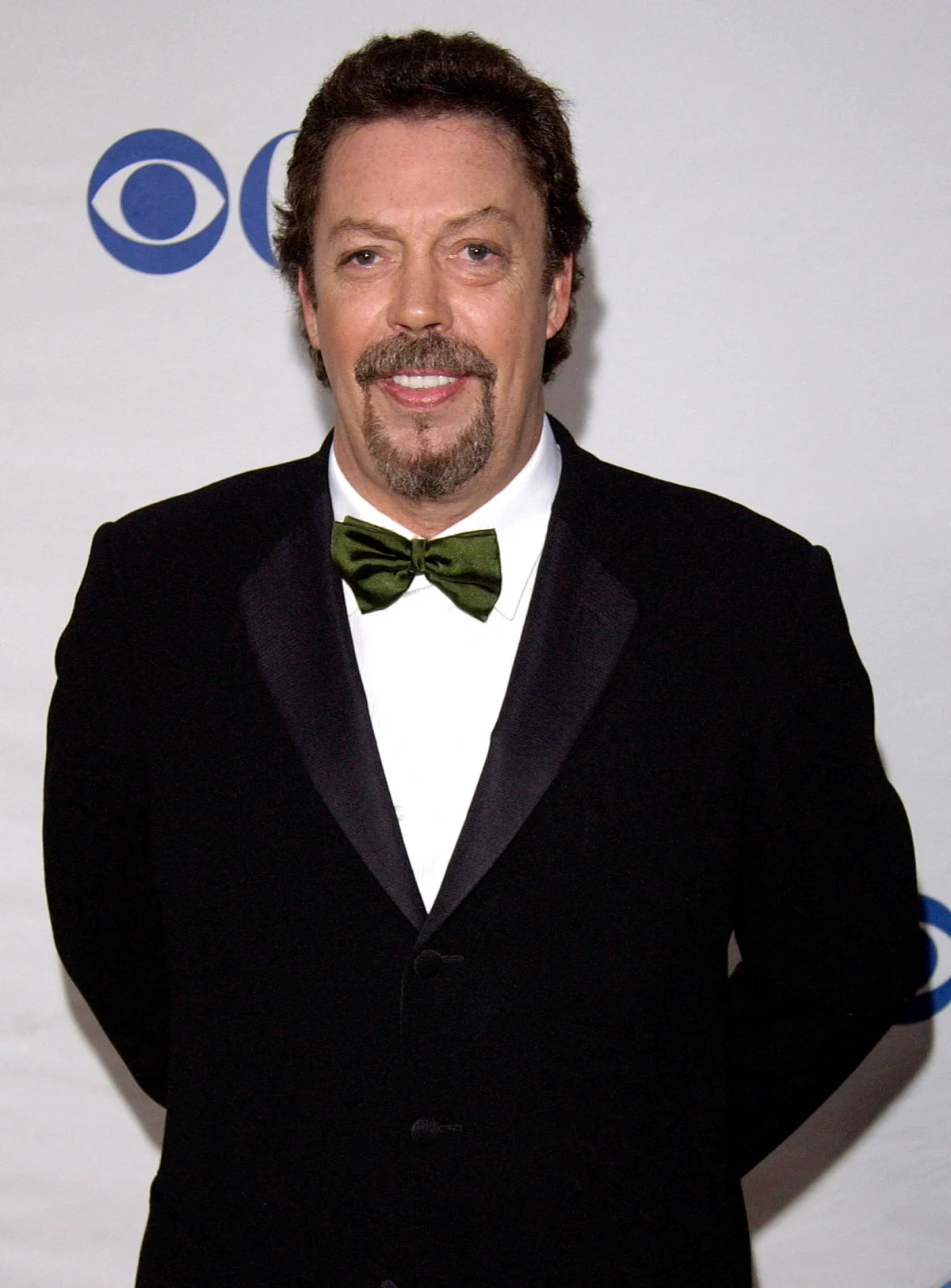
Tim Curry, the celebrated British actor whose captivating portrayal of Dr. Frank-N-Furter in the cult classic musical The Rocky Horror Picture Show cemented his place in cinematic history, has died at the age of 80. Curry, who had navigated significant health challenges for over a decade following a debilitating stroke, passed away peacefully at his residence in Los Angeles, California. The news was confirmed in a statement released on Wednesday by his longtime manager, Marcia Hurwitz. No specific cause of death was immediately disclosed by his representatives.
Curry’s career spanned more than five decades, marked by an extraordinary versatility that saw him command stages on Broadway, dominate the big screen as memorable villains, and lend his distinctive voice to a myriad of animated characters. He was a three-time Tony Award nominee for his exceptional work in theatre and an Emmy Award winner for his contributions to voice acting. Yet, it was his groundbreaking performance as the "sweet transvestite" scientist from Transylvania that would become his most indelible legacy, forever associating him with the midnight screenings and devoted fanbase of The Rocky Horror Picture Show.
The Genesis of a Cult Icon: Dr. Frank-N-Furter
Born Timothy James Curry in Grappenhall, Cheshire, England, on April 19, 1946, Curry initially studied drama and English at Birmingham University. His professional career began on the stage, where he quickly gained recognition for his powerful presence and vocal talent. It was in 1973 that he originated the role of Dr. Frank-N-Furter in The Rocky Horror Show at London’s Royal Court Theatre. The musical, a satirical tribute to B-grade horror and science fiction films, immediately showcased Curry’s fearless theatricality and boundary-pushing performance.
The character of Frank-N-Furter, a cross-dressing alien scientist, was a revolutionary figure for the early 1970s. Curry’s portrayal, a masterful blend of charisma, menace, and vulnerability, quickly became the cornerstone of the show’s burgeoning success. He reprised the role for the Broadway transfer of the musical and then, most famously, in the 1975 film adaptation, The Rocky Horror Picture Show. This cinematic venture, despite a lukewarm initial reception, slowly but surely blossomed into a global phenomenon, primarily through midnight showings that fostered an unprecedented level of audience participation.
Curry’s performance in the film was nothing short of iconic. Dressed in garish eye shadow, black corsetry, and stockings topped with a garter belt, he delivered lines and songs that have become embedded in popular culture. His rendition of "Sweet Transvestite," with lyrics like "I’m not much of a man by the light of day. But by night, I’m one hell of a lover. I’m just a sweet transvestite from transsexual Transylvania," became an anthem for individuality and defiance of gender norms. The character’s overt sexuality and gender fluidity resonated deeply with audiences, particularly within the LGBTQ+ community, establishing Frank-N-Furter as an unexpected but enduring icon of liberation and self-expression.
In a 1975 television interview, Curry himself acknowledged the potential for the role to define his career, a risk he consciously embraced. "When I read it, I just thought it was very, very witty and funny," Curry remarked of the script. He confessed to some initial apprehension, stating, "I mean, I was hesitant in that, if it worked, it might be a difficult thing to shake off. But, really, I’ve always thought that [a part] wasn’t worth doing unless you took a risk." This philosophy underscored much of his subsequent career choices, demonstrating a consistent willingness to explore complex and often unconventional characters.
A Distinguished Career Across Stage and Screen
Beyond the shadow of Frank-N-Furter, Tim Curry built an expansive and critically acclaimed career. His theatrical work, in particular, earned him significant accolades. His first Tony Award nomination came in 1981 for his compelling performance in the title role of Amadeus, Peter Shaffer’s acclaimed play fictionalizing the intense rivalry between composers Wolfgang Amadeus Mozart and Antonio Salieri. Curry’s portrayal of Mozart showcased his dramatic range and ability to inhabit historical figures with depth and nuance.
He garnered a second Tony nomination in 1993 for his leading role in the musical My Favorite Year, further cementing his reputation as a formidable stage actor. His third and final Tony nomination arrived in 2005 for his uproarious performance as King Arthur in Monty Python’s Spamalot, a musical comedy based on the film Monty Python and the Holy Grail. This role allowed him to blend his comedic timing with his commanding stage presence, earning him widespread praise and delighting a new generation of theatregoers. Critics often noted that Curry’s stage work allowed him to fully unleash his unique theatricality and vocal power.
On screen, Curry became synonymous with memorable villainous roles, often characterized by a distinctive theatricality and a sneering gravitas. One of his most terrifying and enduring performances came in the 1990 miniseries adaptation of Stephen King’s horror novel It. As Pennywise the Dancing Clown, Curry delivered a performance that traumatized a generation, creating a character of pure, unadulterated evil that remains a benchmark in horror portrayals. His ability to switch between a playful, almost charming demeanor and sudden, grotesque malevolence was chillingly effective.
He showcased his dramatic versatility in films such like the 1990 Cold War thriller The Hunt for Red October, where he played the Soviet medical officer Dr. Petrov, providing a grounded, serious performance alongside Sean Connery and Alec Baldwin. In 1993, he lent his distinctive voice and commanding presence to the role of the double-dealing Cardinal Richelieu in the adventure movie The Three Musketeers, starring Kiefer Sutherland, Charlie Sheen, and Chris O’Donnell. Kiefer Sutherland, reflecting on his time with Curry, shared a heartfelt tribute: "Tim Curry was someone I cared deeply about, he was someone I loved working with and I am so lucky to have these memories."
Other notable film roles that cemented his reputation for playing flamboyant and often sinister characters include Wadsworth the Butler in the 1985 cult comedy Clue, based on the board game, and the terrifying Lord of Darkness in Ridley Scott’s 1985 fantasy epic Legend, a role that required extensive prosthetics but allowed Curry’s powerful voice and expressive eyes to shine through. He also appeared as the stern concierge Mr. Hector in the popular 1992 family comedy Home Alone 2: Lost in New York, further demonstrating his capacity for memorable, albeit often antagonistic, character work.
The Power of Voice: An Acclaimed Voice Actor
Curry’s rich baritone voice, capable of both menacing growls and sophisticated intonations, made him a highly sought-after talent in the world of voice acting. He demonstrated an unparalleled ability to create distinct and memorable vocal performances for a vast array of animated characters. In 1991, he earned a Daytime Emmy Award for Outstanding Performer in an Animated Program for his work as Captain Hook in the animated series Peter Pan and the Pirates, a testament to his skill in bringing iconic characters to life.
His voice work extended to numerous beloved animated series and films. He voiced Nigel Thornberry in The Wild Thornberrys, a role that brought his unique comedic timing to a younger audience. Other significant voice roles include characters in Gargoyles, Captain Planet and the Planeteers, The Adventures of Jimmy Neutron: Boy Genius, and various iterations of the Batman and Superman animated universes. He also contributed his voice to Star Wars: The Clone Wars as Supreme Chancellor Palpatine, showcasing his adaptability even within established franchises. Curry’s prolific output in animation meant that his voice, even if not his face, was a constant presence in popular culture for decades, often unbeknownst to many of his fans.
A Decade of Health Challenges and Resilient Spirit
The latter part of Tim Curry’s career was marked by significant health struggles. In 2011, he withdrew from a British stage production due to ill health, an early sign of the challenges to come. In 2013, his agent confirmed that he had suffered a debilitating stroke. Despite the severity of the event, his agent reported that he was recovering "in great humor," a testament to his enduring spirit and wit.
The stroke left him using a wheelchair, significantly impacting his ability to take on demanding physical roles. Consequently, his workload was reduced, with a greater focus on voice acting and appearances that accommodated his physical limitations. However, Curry’s resilience was evident in his continued engagement with his craft. In 2015, he received the Lifetime Achievement Award at the Tony Awards, where he made a poignant public appearance, celebrated by his peers and the theatre community.
Remarkably, Curry made a return to the big screen in 2024, appearing in the horror film Stream. This late-career role underscored his dedication to acting and his desire to continue contributing to the arts, even in the face of significant personal adversity. His final performance serves as a powerful reminder of his passion and indomitable will.
Tributes and Enduring Influence
Tim Curry’s passing has prompted an outpouring of tributes from colleagues, fans, and critics alike, all mourning the loss of a truly unique talent. His ability to inhabit a vast spectrum of characters, from the flamboyant and sinister to the deeply dramatic, showcased a rare theatricality and an unparalleled commitment to his craft. He was not just an actor; he was a performer who understood the power of presence, voice, and physical expression to transform and captivate.
His impact on popular culture, particularly through The Rocky Horror Picture Show, is immeasurable. The film and his character broke down barriers, challenged norms, and created a lasting community that celebrates individuality and difference. Curry’s performance as Frank-N-Furter became a beacon for those seeking acceptance and a vibrant symbol of queer identity, even if the actor himself never overtly embraced that specific political mantle. The legacy of midnight screenings, audience participation, and shadow casts continues to thrive, a testament to the enduring power of his creation.
Beyond the iconic roles, Curry’s career stood as a testament to the power of artistic risk-taking. His willingness to delve into the bizarre, the terrifying, and the deeply human, often with a mischievous twinkle in his eye, left an indelible mark on every project he touched. He never shied away from challenging material, and his performances consistently elevated the characters he portrayed.
Curry, who resided in Los Angeles, never married and had no children. In addition to his acting, he was also a composer and singer, performing with his own rock band and releasing a handful of albums throughout his career, further illustrating the breadth of his artistic talents. His music, much like his acting, often featured a theatrical flair and a distinctive rock sensibility.
Tim Curry’s legacy is one of unparalleled versatility, unforgettable performances, and a fearless approach to artistry. He leaves behind a body of work that will continue to entertain, provoke, and inspire generations to come, a true titan of stage and screen whose unique brilliance will be profoundly missed.
