

The landscape of residential pest control is undergoing a significant technological transformation as homeowners seek more sustainable and effective alternatives to traditional broadcast pesticide applications. At the forefront of this shift is Thermacell, a prominent leader in mosquito abatement technology, which has officially introduced the LIV 2.0 Smart Mosquito Repellent System. This updated iteration of the company’s flagship permanent installation represents a major overhaul of the hardware designed to create a "vaporous fence" around outdoor living spaces, such as patios, decks, and swimming pools. Unlike portable units or temporary sprays, the LIV 2.0 system is designed as a semi-permanent fixture of the modern smart home, offering a data-driven approach to managing insect populations in high-infestation regions.
The introduction of LIV 2.0 comes at a time when traditional mosquito control methods are facing increased scrutiny regarding their efficacy and environmental footprint. Many homeowners in climates such as the American South and Southwest have historically relied on professional pest control services that utilize high-pressure pesticide cannons to coat foliage in chemicals. While these methods are often expensive—frequently exceeding four-figure annual costs—their effectiveness is often short-lived, with some treatments losing potency within 48 to 72 hours. The Thermacell LIV 2.0 aims to solve this "diminishing returns" problem by providing on-demand protection that can be activated and deactivated via a smartphone application, ensuring that chemicals are only dispersed when the outdoor space is actually in use.
Technical Architecture and System Enhancements
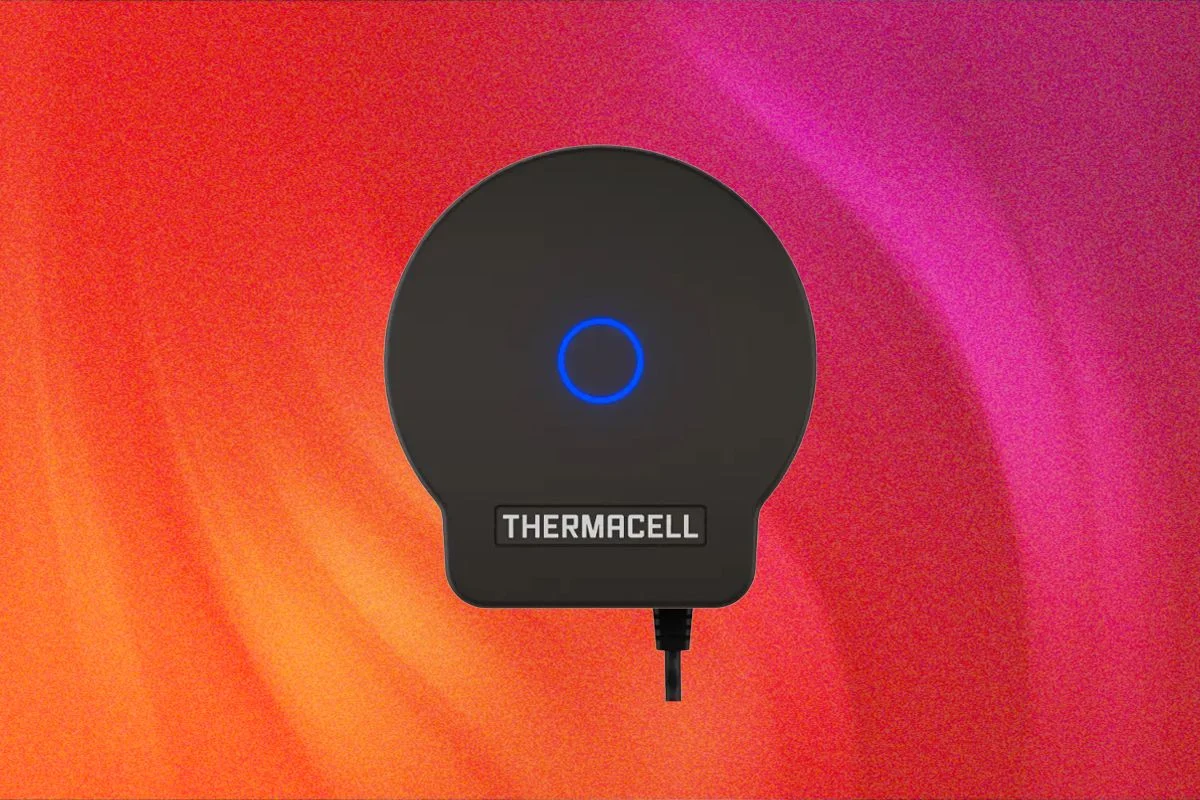
The LIV 2.0 system operates on a hub-and-spoke model. The "brains" of the operation consist of one or more Wi-Fi-connected control hubs that plug into standard outdoor electrical outlets. These hubs are then connected via heavy-duty cabling to a series of pesticide-emitting repellers. These repellers are arranged in a daisy-chain configuration to form a perimeter around a specific zone. According to technical specifications, each repeller can be placed up to 20 feet apart, allowing for customizable coverage depending on the geometry of the property.
While the original LIV system established the concept of a smart perimeter, the 2.0 version introduces several hardware upgrades. Thermacell has redesigned nearly every component of the system, with the exception of the cabling infrastructure. The new repellers feature enhanced durability and updated aesthetics to better blend with professional landscaping. More importantly, the internal heating elements—responsible for vaporizing the repellent—have been refined for more consistent performance.
The system utilizes a replaceable vial containing metofluthrin, a synthetic pyrethroid that acts as a powerful spatial repellent. Unlike traditional insecticides that are designed to kill insects on contact, metofluthrin functions by creating an environment that mosquitoes actively avoid. This "area repellent" strategy is considered more efficient for residential use because it prevents the insects from entering the protected zone in the first place, rather than attempting to eradicate a localized population that will inevitably be replenished by neighboring areas.
The Science of Spatial Repellents: Metofluthrin
To understand the impact of the LIV 2.0 system, it is necessary to examine the chemistry of metofluthrin. Registered by the Environmental Protection Agency (EPA) for use in various consumer products, metofluthrin is characterized by its high vapor pressure. This allows it to evaporate at room temperature or with minimal heat, creating an invisible cloud of protection.
Research into spatial repellents suggests that these chemicals interfere with the mosquito’s sensory organs, specifically their ability to detect carbon dioxide and heat—the primary signals used to locate human hosts. By disrupting these biological cues, the LIV 2.0 system effectively "hides" the residents within the perimeter. Data from field studies indicate that metofluthrin-based systems can reduce mosquito landings by up to 80% to 90% in stabilized air conditions. However, the efficacy of the system is subject to environmental variables; high winds can disperse the vapor cloud, a challenge that Thermacell has attempted to mitigate through the strategic placement of multiple emission points in the 2.0 configuration.
Economic and Environmental Context
The shift toward systems like LIV 2.0 is driven largely by the economics of the pest control industry. The "pesticide-blasting" model, while providing a massive initial knockdown of the insect population, requires constant re-application. For a standard residential property, a professional service might charge between $70 and $150 per visit, with visits required every three weeks during the peak season. Over a five-year period, a homeowner could easily spend $5,000 on temporary solutions.

In contrast, the LIV 2.0 system requires a higher upfront investment in hardware but offers lower long-term operational costs. The ability to "fire it up" only when needed—such as during a backyard dinner or a pool gathering—significantly extends the life of the repellent vials. This on-demand usage also aligns with growing consumer interest in Integrated Pest Management (IPM), a strategy that focuses on long-term prevention and minimizes the broadcast use of chemicals. By confining the repellent to a specific "bubble" and using it only during human activity, the LIV 2.0 system reduces the total volume of chemicals introduced into the local ecosystem compared to traditional fogging.
Chronology of Smart Mosquito Abatement
The development of the LIV 2.0 system follows a clear timeline of innovation in the pest control sector:
- Pre-2010s: Residential mosquito control is dominated by topical DEET-based sprays, citronella candles, and professional fogging services.
- 2015-2018: Thermacell popularizes portable, butane-powered repellers for campers and hunters. The company begins exploring battery-powered and electric versions for home use.
- 2021: Thermacell announces the development of the LIV system, the first professionally installed, Wi-Fi-connected residential perimeter system.
- 2022: The original LIV system is launched to critical acclaim, winning several smart-home innovation awards. It introduces the concept of a "vaporous fence" controlled via a mobile app.
- 2023: Feedback from early adopters highlights the need for more robust hardware and better integration with smart home ecosystems (e.g., Google Home, Amazon Alexa).
- 2024: Thermacell releases LIV 2.0, featuring upgraded hubs, redesigned repellers, and enhanced software capabilities to address the durability and connectivity issues of the first generation.
Industry Implications and Market Trends
The release of LIV 2.0 is indicative of a broader trend in the Internet of Things (IoT) market: the "Smart Backyard." As the interior of the home becomes increasingly automated, manufacturers are looking to the exterior as the next frontier for connectivity. Smart irrigation, outdoor lighting, and now pest control are being integrated into unified platforms.
Furthermore, the public health implications of mosquito control cannot be overstated. With the geographic range of mosquito-borne illnesses—including West Nile virus, Zika, and various forms of encephalitis—expanding due to changing climate patterns, the demand for reliable residential protection is increasing. In states like Texas, Florida, and Louisiana, where mosquito seasons are lengthening, the "set it and forget it" nature of the LIV 2.0 system provides a layer of health security that temporary sprays cannot match.
While Thermacell has not released specific sales figures, industry analysts suggest that the premium pest control segment is growing at a compound annual growth rate (CAGR) of over 6%. The move toward permanent installations like LIV 2.0 also creates a recurring revenue stream for the company through the sale of proprietary repellent refills, mirroring the "razor and blade" business model.
Comparative Analysis of Pest Management Strategies
When evaluating the LIV 2.0 against other market solutions, several factors emerge:
- Efficacy vs. Coverage: Professional fogging covers the entire yard but decays rapidly. LIV 2.0 covers a specific zone (up to 1,200 square feet with a standard 5-repeller kit) but maintains 100% efficacy as long as the system is powered on.
- Ease of Use: Traditional DIY sprays require manual application and have a strong odor. The LIV 2.0 is odorless and can be scheduled via an app to turn on 15 minutes before the homeowner plans to go outside.
- Sustainability: By using metofluthrin—which is targeted and breaks down quickly in sunlight—the LIV 2.0 avoids the "collateral damage" to beneficial insects like bees and butterflies that can occur with broad-spectrum pyrethroid fogging.
Future Outlook
As Thermacell continues to iterate on the LIV platform, the future of the technology likely involves even deeper integration with environmental sensors. Future versions could theoretically use local weather data to suggest optimal activation times or detect the presence of wind speeds that would render the vapor fence ineffective, notifying the user to save repellent.
For now, the LIV 2.0 stands as a significant milestone in the professionalization of consumer-grade pest control. It moves the conversation away from "fighting" mosquitoes with reactive measures and toward a proactive, infrastructure-based solution. As homeowners continue to invest in outdoor living spaces, the demand for "invisible" protection systems is expected to rise, positioning Thermacell’s latest offering as a benchmark for the industry. The transition from the original LIV to the 2.0 version demonstrates a commitment to hardware longevity and user experience, suggesting that the "vaporous fence" may soon become as standard in new home construction as a security system or a smart thermostat.
