

Philanthropy by the ultra-wealthy has seen a significant surge, increasing by a third in the last three years to reach an astonishing $250 billion. This trend, detailed in Altrata’s newly released High Net Worth Philanthropy 2026 Report, underscores the growing influence of individuals with substantial assets on the global charitable landscape. In 2025 alone, worldwide philanthropic contributions amounted to $650 billion, with Ultra-High Net Worth Individuals (UHNWIs) – those possessing $30 million or more – accounting for nearly 40 percent of this figure.
This substantial contribution from the wealthiest segment of society represents a notable acceleration. Between 2018 and 2025, UHNW giving experienced an annual growth rate of 7.3 percent. This pace outstrips the growth observed in traditional philanthropic foundations, which grew at a rate of 6 percent annually, and that of non-UHNW individuals, who contributed at a 4.6 percent annual growth rate.

Maya Imberg, Head of Thought Leadership and Analytics at Altrata, highlighted the increasing importance of UHNWIs to non-profit organizations. "The ultra-wealthy, people with £30 million or more, are becoming, I think, ever more important to non-profits in terms of their donations," Imberg stated in an interview with Spear’s. She further elaborated on the evolving funding landscape for charitable organizations, suggesting that they are increasingly reliant on individual and corporate donors. "I think that non-profits have to look more to individuals and corporations for some of their funding. They kind of don’t have a choice, really," she added, indicating a shift away from more traditional funding streams.
A Growing Influence: UHNW Philanthropy Outpaces Foundations
The findings from Altrata’s report paint a clear picture of a paradigm shift in philanthropic giving. The substantial growth in UHNW contributions signals a concentration of charitable power among the world’s wealthiest individuals. This trend is particularly significant given the context of global economic shifts and potential reductions in government aid. A report from Chatham House in June of this year noted that US international aid, which stood at $60 billion annually before President Trump’s second term, has been cut by almost 40 percent since then. This reduction in public funding further amplifies the role of private philanthropy, especially from UHNWIs, in addressing critical global challenges.
The demographic of UHNWIs, as defined by Altrata for this report (individuals with £30 million or more in net worth), comprised nearly 557,000 people worldwide in 2025. This group represents a mere 1.1 percent of the global millionaire class, yet their philanthropic impact is disproportionately large. Their ability to mobilize significant capital for charitable causes positions them as key players in driving social and environmental change.

Environmental Causes Ascend as a Top Philanthropic Priority
Within the spectrum of charitable causes, environmental initiatives are experiencing a remarkable surge in popularity among high-net-worth donors. Maeen Shaban, Altrata’s Director of Research and Analytics, pointed to this growing trend, emphasizing the environment as a favored area for philanthropic investment.
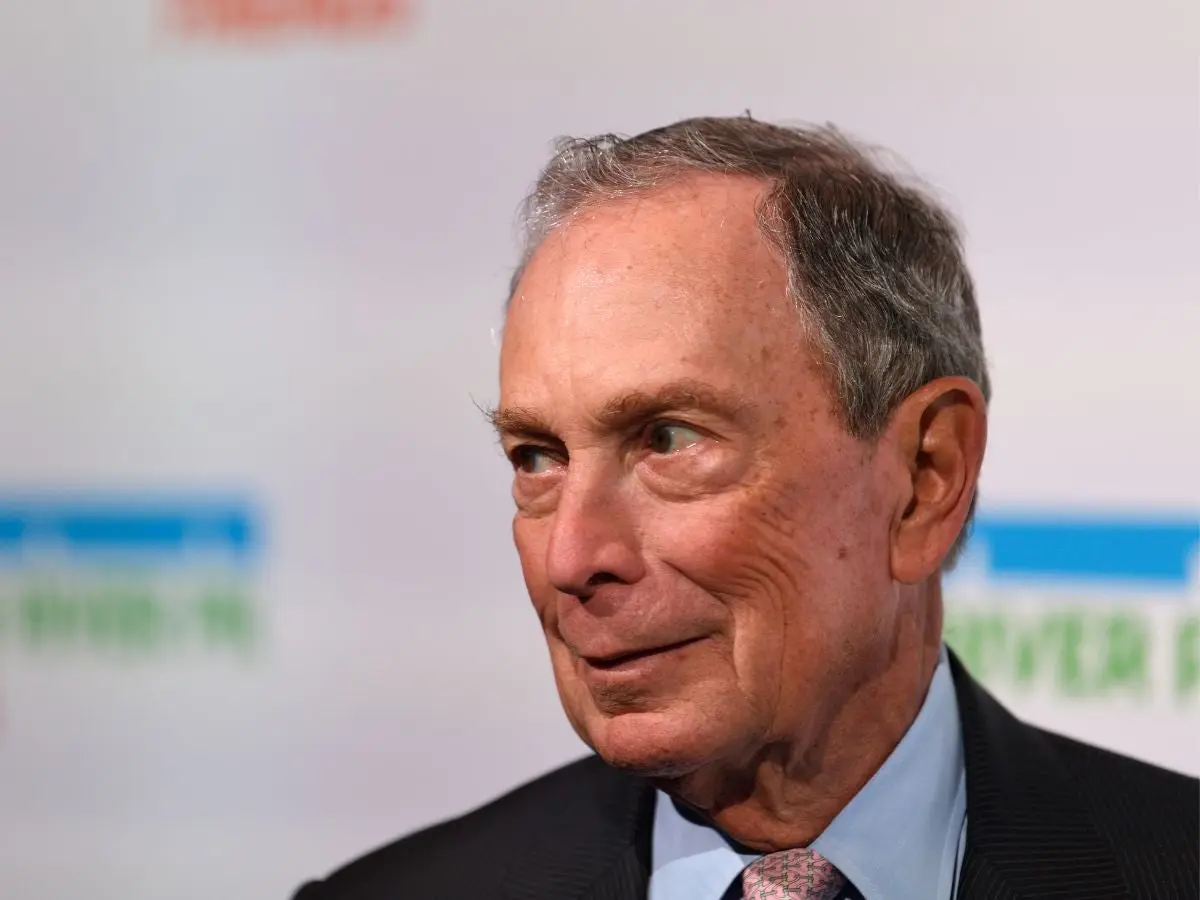
A prominent example cited is Michael Bloomberg’s significant pledge of $285 million in June of this year to fund clean energy associations. This substantial commitment was explicitly aimed at countering the "institutional power" of established oil and gas interests. At the time of the announcement, Bloomberg articulated his vision, stating the funds were intended to help clean energy initiatives build influence against "incumbent energy sectors that have spent decades building political influence, technical expertise, financing networks, and institutional power." Shaban noted the scale of this commitment, remarking, "[Bloomberg’s] always been a big donor to that cause, but he’s never given a gift that big," underscoring the magnitude of his recent investment. This initiative reflects a broader sentiment among some UHNWIs to leverage their wealth for systemic change in critical sectors.
The Altrata report analyzed the growth in popularity of various philanthropic causes among donors with a net worth exceeding $5 million. By comparing the number of individuals making donations between 2021-2025 against the period of 2015-2020, the research identified distinct shifts in donor priorities. Environment, conservation, and animal welfare saw the most significant increase, with a 25.5 percent uplift in donor engagement. This surge places environmental causes at the forefront of charitable giving, outpacing other critical sectors.

The report’s findings indicate that the top five most rapidly growing philanthropic areas, beyond environmental causes, include healthcare in second place, social services in third, arts and culture in fourth, and education in fifth. This indicates a diversified approach to philanthropy among the ultra-wealthy, though the environmental sector is clearly capturing significant new momentum.
Geographic Diversification in Philanthropic Flows
While UHNW philanthropy has historically been concentrated in North America and Europe, the report also highlights a discernible trend towards geographic diversification. Philanthropic activity is increasingly expanding across Asia and the Middle East, reflecting the growing wealth and philanthropic engagement in these regions.
Giving by the ultra-wealthy in Asia demonstrated a robust increase of 42.2 percent, reaching $34.4 billion compared to 2022 figures. Similarly, in the Middle East, UHNW individuals donated 27.4 percent more than in 2022, totaling $10.9 billion. This outward expansion of philanthropic capital suggests a growing global consciousness and a desire to address diverse local and international challenges.

Implications and Future Outlook
The escalating role of UHNW philanthropy has several significant implications for the non-profit sector and for the broader societal landscape.
- Increased Funding for Key Causes: The surge in UHNW giving provides vital financial resources for organizations working on critical issues, from climate change mitigation to healthcare access and educational reform. This influx of capital can enable scaled-up operations, innovative program development, and long-term impact.
- Shifting Power Dynamics: As UHNWIs become more influential funders, their priorities and strategic visions can shape the direction of charitable work. This necessitates a closer alignment between donor interests and the needs on the ground, potentially leading to more strategic and impact-driven philanthropy.
- The Rise of Impact Investing and Strategic Giving: The focus on environmental causes and the desire to counter "institutional power" suggest a move towards more strategic and impactful forms of philanthropy. UHNWIs are increasingly looking for measurable outcomes and demonstrable change, which aligns with the principles of impact investing and philanthropic strategy.
- Global Equity and Development: The diversification of philanthropy into Asia and the Middle East could lead to increased investment in development and social programs in these regions. This could help address long-standing inequalities and foster sustainable growth.
- Potential for Influence and Accountability: The significant financial power wielded by UHNW philanthropists also raises questions about accountability and potential influence. It is crucial for non-profits to maintain their independence and ethical standards while engaging with large donors. Transparency in funding and decision-making processes will be paramount.
The High Net Worth Philanthropy 2026 Report provides a comprehensive overview of a dynamic and evolving philanthropic landscape. As the ultra-wealthy continue to play an increasingly pivotal role in funding charitable initiatives, their choices and investments will undoubtedly shape the future of social and environmental progress on a global scale. The clear ascendancy of environmental causes, coupled with the expanding geographic reach of philanthropy, signals a hopeful, albeit complex, future for charitable endeavors worldwide. The challenge for non-profits and policymakers will be to harness this growing financial power effectively, ensuring it translates into meaningful and sustainable positive change for all.
