

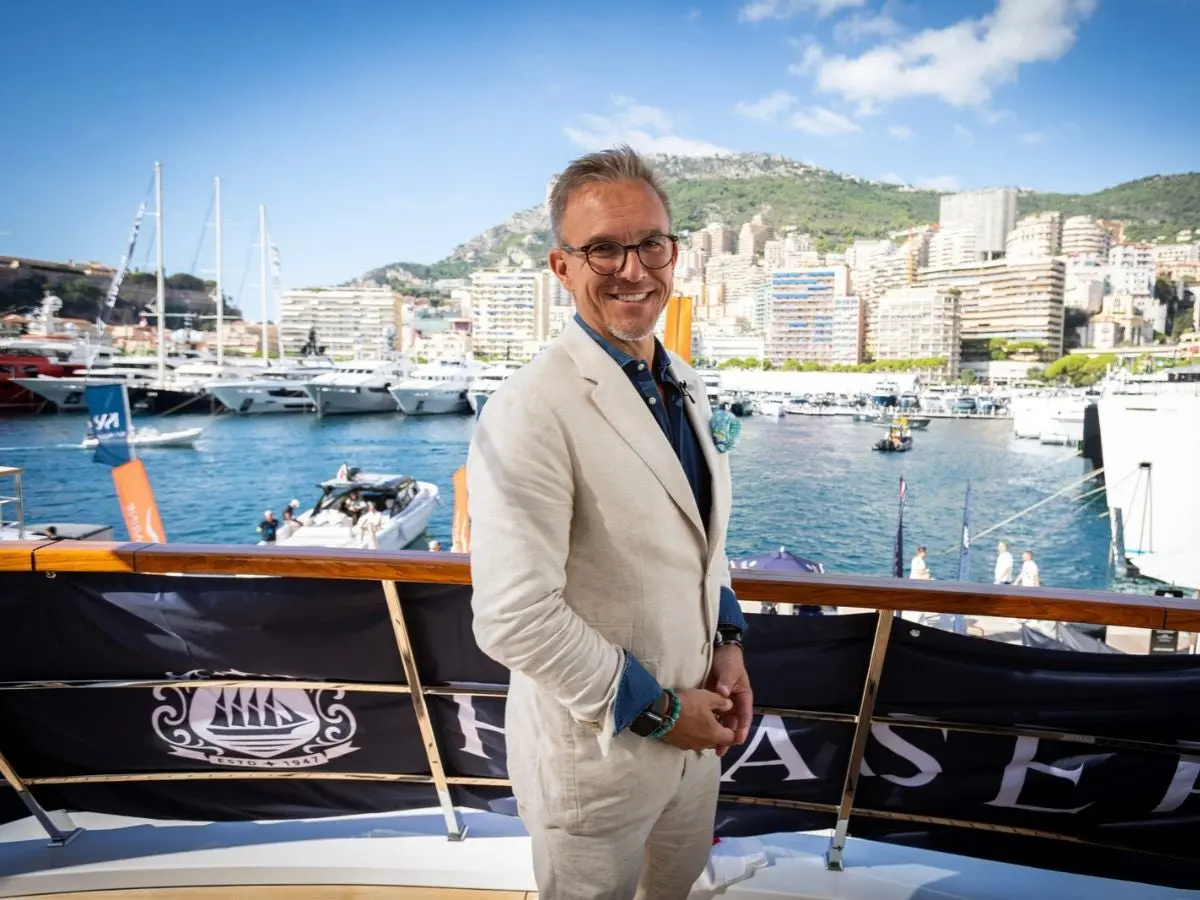
Despite facilitating superyacht sales collectively valued at an impressive $6.4 billion over the past five years, a leading firm in the luxury maritime sector has underscored that the market remains characterized by an “environment of extreme scarcity.” Fraser Yachts, a titan in the world of superyacht brokerage, reports that while the financial value of transactions continues to soar, the actual number of deals remains remarkably limited, a sentiment echoed by its CEO, Anders Kurtén.
A Market of High Value, Low Volume
The superyacht industry has demonstrated robust performance in recent years, with a comprehensive report by Deloitte in partnership with Vrije Universiteit Amsterdam last year valuing the sector at $25 billion. This impressive valuation has been significantly bolstered by deals for the largest vessels, which can easily exceed €100 million. However, the sheer volume of these high-value transactions remains a bottleneck. “The values are high,” stated Anders Kurtén, the CEO of Fraser Yachts, in an exclusive interview with Spear’s at the Monaco Yacht Show. “However, the number of actual transactions that constitute the entire global market – it’s a pretty limited cake.”
Kurtén, a Finnish executive at the helm of the world’s largest full-service yacht brokerage, provided a stark quantitative perspective. He estimated that approximately 400 sales of yachts measuring 30 meters or longer occur annually on a global scale. Of these, Fraser Yachts typically handles around 50 transactions. This figure highlights the concentrated nature of the market, where a few key players dominate a relatively small number of high-stakes deals.

Fraser Yachts boasts an extensive network with over 230 employees operating across 21 offices worldwide. The firm proudly maintains its position as “the most active superyacht brokerage by sales volume” for 15 consecutive years, a testament to its enduring market leadership. Founded by the late David Fraser, the esteemed brokerage house is approaching a significant milestone, celebrating its 80th anniversary next year.
The ownership structure of Fraser Yachts adds another layer to its market position. The firm is wholly owned by the publicly traded US group MarineMax. Notably, MarineMax also owns its competitor, Northrup Johnson. In a significant development for the marine industry, MarineMax is reportedly undergoing a transition to private ownership through an acquisition by Safe Harbor Marinas. This acquisition, expected to be finalized later this year, follows Safe Harbor Marinas’ own substantial acquisition by Blackstone’s infrastructure division in a $5.65 billion transaction last year. This consolidation within the ownership of major yachting entities could signal further shifts in the market landscape.
The Evolving Superyacht Buyer
A notable trend observed within the superyacht market, as articulated by Kurtén, is the changing profile and expectations of new buyers. He observed that first-time yacht purchasers are increasingly inclined to consider acquiring a 60-meter superyacht directly, bypassing the traditional progression of starting with a smaller vessel and gradually upgrading over time. This shift aligns with comments previously made by Giovanna Vitelli of Azimut Benetti, indicating a broader industry trend.
Kurtén attributes this phenomenon to the modern buyer’s desire to seamlessly translate their onshore lifestyle onto the water. “The expectation of being able to take your onshore lifestyle and port it seamlessly on board,” he explained. “Obviously, a bigger platform gives you more flexibility and more options. The sort of experiential part of the whole lifestyle has become much bigger.”
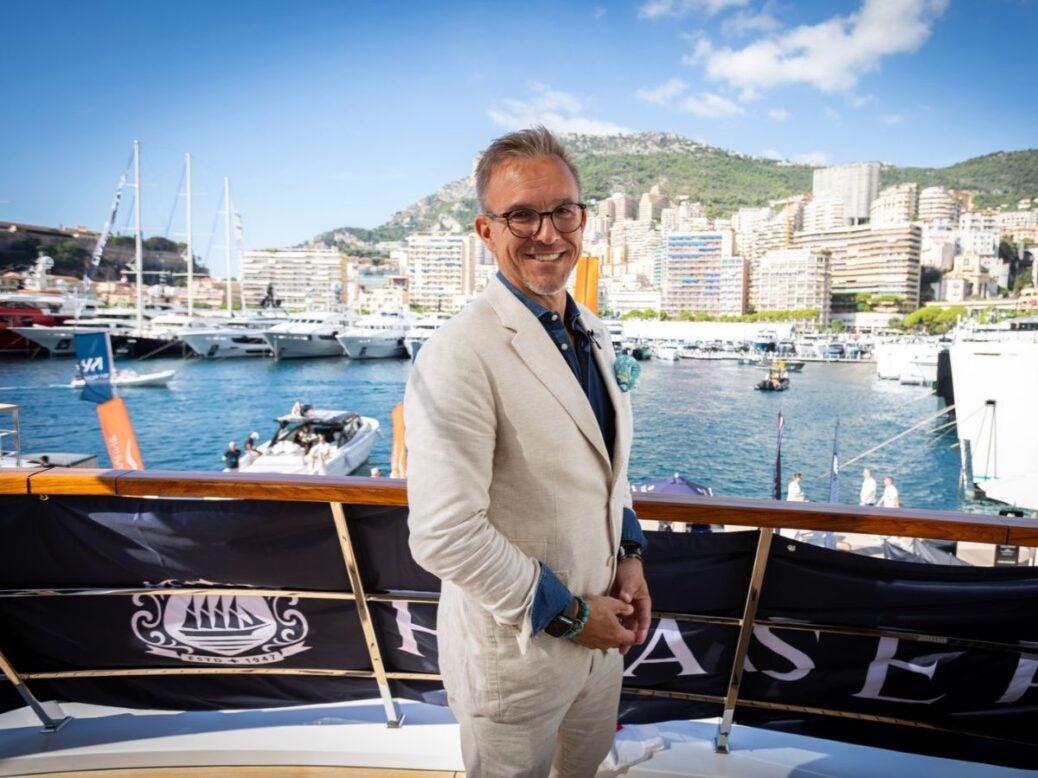
This emphasis on experience over mere ownership signifies a fundamental evolution in how ultra-high-net-worth individuals engage with the superyachting world. The focus is shifting from the vessel itself to the opportunities it unlocks. “Today, when we talk about the experience that people expect to have, it’s maybe less about the yacht and more about where it can take you to do what and most importantly with who,” Kurtén elaborated. This perspective underscores the growing importance of the journey, the destinations, and the social aspect of yacht ownership.
Market Dynamics and Operational Excellence
The issue of market consolidation, including the acquisition of MarineMax, raises questions about its impact on the sector. Kurtén emphasized Fraser Yachts’ commitment to maintaining its “white-glove service” amidst these changes. He stressed the importance of ensuring that “every client feels like their needs are met and they are genuinely heard.” This dedication to personalized service is crucial in a market where discretion, bespoke solutions, and exceptional client care are paramount.
Further insights into the changing client base were revealed by Kurtén during a briefing at the Monaco Yacht Show. He noted a declining average age of Fraser Yachts’ clientele, coupled with an increasing average duration for charters. This suggests a younger demographic entering the market with a different approach to yachting, prioritizing longer, more immersive experiences.
A recent example illustrating this trend involved a client chartering a 90-meter yacht for three weeks, with the booking made just four days in advance. The client subsequently requested to extend the charter to a remarkable eight weeks, showcasing a desire for flexibility and immediate access to extended yachting experiences. According to Fraser Yachts’ website, chartering a yacht such as the 97-meter Carinthia VII can command prices starting from €1.5 million per week, highlighting the significant financial commitments involved in such extended charters.

The Economic Landscape of Superyachts
The superyacht market, while niche, represents a significant segment of the luxury goods and services industry. The substantial valuations of individual sales, often in the tens or hundreds of millions of euros, contribute to its considerable overall economic impact. The Deloitte report’s valuation of $25 billion for the sector underscores its economic significance, encompassing not only brokerage but also construction, refitting, crew management, and associated luxury services.
The scarcity of supply in the superyacht market is driven by several factors. The complex and time-consuming nature of building these bespoke vessels means that production slots are limited and often booked years in advance. Furthermore, the availability of highly skilled labor and specialized components adds to the production challenges. This inherent supply constraint, coupled with a growing demand from an expanding pool of ultra-high-net-worth individuals, naturally drives up prices and creates the environment of scarcity that Kurtén described.
The consolidation of ownership among major players like MarineMax, now potentially under Safe Harbor Marinas and Blackstone, could lead to greater efficiencies and economies of scale. However, it also raises questions about market competition and the potential impact on service diversity. For firms like Fraser Yachts, maintaining a distinct brand identity and an unwavering focus on client experience will be key differentiators in a consolidating landscape.
Future Outlook and Industry Trends
The superyacht market appears poised for continued growth, albeit within its inherent constraints of limited supply. The increasing emphasis on experiential luxury, the desire for seamless integration of lifestyle elements, and the growing global wealth base suggest sustained demand. The trend of younger buyers entering the market and opting for larger vessels directly indicates a recalibration of traditional ownership pathways.

The role of brokerage firms like Fraser Yachts will remain critical in navigating this complex market. Their expertise in sourcing, marketing, and facilitating transactions for these high-value assets is indispensable. As the industry evolves, brokers will need to adapt to the changing preferences of clients, offering not just transactional services but also comprehensive lifestyle management and advisory.
The Monaco Yacht Show, a premier event in the superyacht calendar, serves as a crucial barometer for industry sentiment and trends. The discussions and observations from such events, like those shared by Anders Kurtén, provide valuable insights into the dynamics of this exclusive market. As the superyacht sector continues to mature, the interplay between high demand, limited supply, and evolving client expectations will undoubtedly shape its future trajectory. The enduring allure of the superyacht lifestyle, coupled with the financial capacity of a growing global elite, ensures that this rarefied market will continue to capture attention and command significant value, even as it grapples with its inherent scarcity.
