

The race for artificial intelligence dominance has undergone a profound transformation, moving beyond the realm of purely scientific discovery to a multifaceted competition where computing power, advanced semiconductor manufacturing, robust physical infrastructure, and expansive market adoption are now the paramount determinants of success. This strategic pivot is reshaping global investment, geopolitical alliances, and the very trajectory of technological advancement.
The narrative of the AI revolution, as it burst into public consciousness in late 2022 with the widely acclaimed launch of ChatGPT, might initially suggest a genesis rooted solely in groundbreaking scientific leaps. Indeed, the architectural bedrock of contemporary large language models (LLMs), the transformer architecture, was introduced in 2017. This was swiftly followed, by 2020, by researchers solidifying the fundamental principles of "scaling laws." These principles elucidated a predictable relationship: an increase in computational resources and data volume directly correlated with demonstrably superior model performance. The subsequent public unveiling of ChatGPT, a product of these advancements, not only showcased the mass-market potential of sophisticated AI but also ignited a fervent global pursuit of AI leadership among nations and corporations alike.
However, this initial focus on algorithmic innovation and model architecture has now evolved. The current phase of the AI race is characterized by a significant shift in emphasis, where the practicalities of deployment and scalability have eclipsed the initial breakthroughs in research. Building better AI models, while still a critical endeavor, is no longer the sole, or even the primary, differentiator. The true battleground has expanded to encompass the tangible, capital-intensive elements required to bring these powerful models to life and make them accessible at a global scale.
The Pillars of Modern AI Supremacy
The new pillars of AI leadership are intrinsically linked to tangible assets and immense financial commitments:
- Computing Power: The insatiable demand for processing power to train and run increasingly sophisticated AI models has created an unprecedented boom in the data center industry. This involves not only the sheer volume of servers but also the efficiency of their operation, cooling systems, and network connectivity. Companies that can secure and optimize vast swathes of computing resources gain a significant advantage.
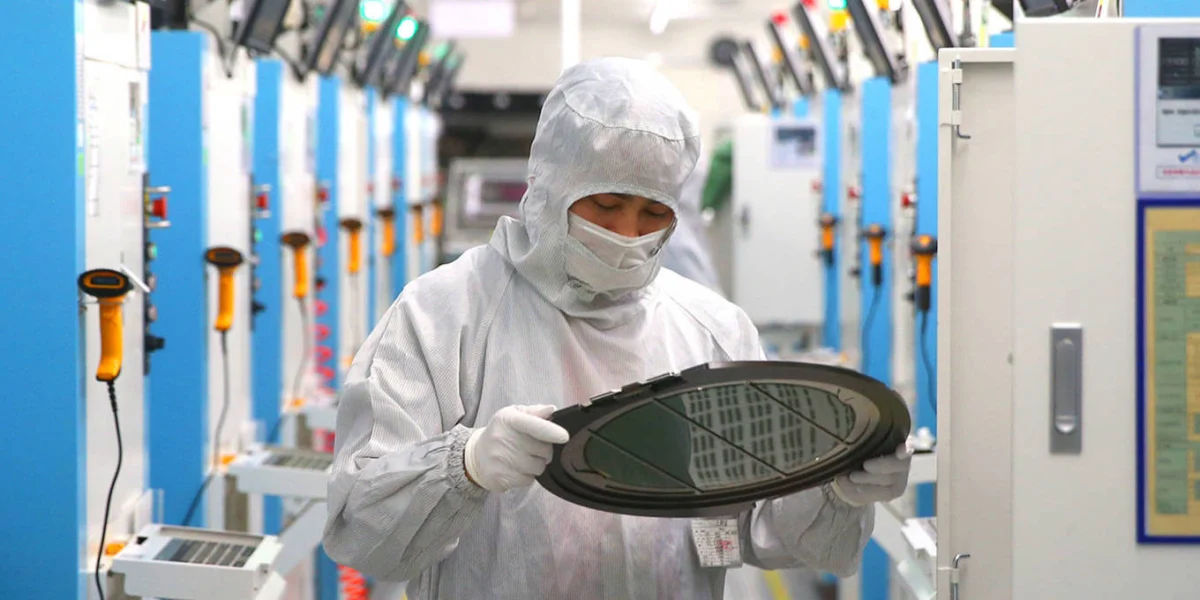
- Advanced Semiconductors: At the heart of this computational power lie advanced semiconductors, particularly graphics processing units (GPUs) and specialized AI accelerators. The design, manufacturing, and supply chain of these chips are now central to national security and economic competitiveness. Countries and companies that can either design cutting-edge chips or control their production capacity hold immense leverage.
- Physical Infrastructure: Beyond data centers and chips, the broader physical infrastructure supporting AI is crucial. This includes robust and high-speed telecommunications networks, reliable energy grids to power these energy-intensive operations, and secure physical facilities for housing this critical technology. The geographical distribution and resilience of this infrastructure are becoming increasingly important.
- Market Size and Adoption: Ultimately, the massive investments in AI research, development, and infrastructure must be justified by large and accessible markets. Countries and regions with substantial user bases, diverse industries eager to adopt AI solutions, and favorable regulatory environments are better positioned to reap the rewards of AI advancements and drive further innovation.
A Timeline of Transformation
The evolution of the AI race can be broadly contextualized within a timeline:
- Pre-2017: Foundational Research: Early AI research focused on machine learning algorithms, neural networks, and symbolic AI. Progress was incremental, with breakthroughs often confined to academic circles.
- 2017: The Transformer Architecture Emerges: The publication of "Attention Is All You Need" by Google researchers introduced the transformer architecture, a pivotal development that significantly enhanced the ability of neural networks to process sequential data, particularly in natural language. This laid the groundwork for modern LLMs.
- 2017-2020: Scaling Laws and Model Development: Researchers began to systematically explore the impact of scale on AI model performance. The understanding that increasing computational power and data led to predictably better results fueled the development of larger and more capable models within research institutions and tech giants.
- Late 2022: Public Revelation and the AI Boom: The public release of ChatGPT by OpenAI marked a watershed moment. Its intuitive interface and impressive capabilities demonstrated AI’s potential to a global audience, sparking widespread public interest and a surge in investment and competition.
- 2023-Present: The Infrastructure and Deployment Era: The focus has demonstrably shifted. Companies and governments are now heavily investing in building and securing the necessary computing infrastructure, securing access to advanced semiconductor manufacturing, and fostering ecosystems that support widespread AI adoption. Competition is no longer solely about who can invent the next big algorithm but who can effectively deploy and scale AI solutions globally.
The Semiconductor Crucible: A Geopolitical Battleground
The critical role of advanced semiconductors in powering AI cannot be overstated. The United States, through companies like NVIDIA, has historically led in the design of high-performance GPUs essential for AI training. However, the manufacturing of these sophisticated chips is heavily concentrated in Taiwan, primarily by Taiwan Semiconductor Manufacturing Company (TSMC). This concentration presents a significant geopolitical vulnerability.
Nations are now actively pursuing strategies to bolster their domestic semiconductor capabilities. The US, with its CHIPS and Science Act, is investing billions to incentivize domestic chip manufacturing and research. The European Union has launched its own European Chips Act with similar objectives. China, recognizing its reliance on foreign chip technology, has been aggressively investing in its domestic semiconductor industry, aiming for self-sufficiency. This intense competition for chip design talent, manufacturing capacity, and access to raw materials is reshaping global trade dynamics and fostering new strategic alliances.
For instance, the ongoing trade tensions between the United States and China have led to export controls on advanced semiconductor technology, impacting the supply chains of AI developers worldwide. Companies are forced to navigate these restrictions, often leading to diversification of sourcing and increased investment in regional manufacturing hubs.
The Data Center Deluge: Powering the AI Engine
The exponential growth in AI model size and complexity has resulted in an unprecedented demand for computing power, translating into a massive expansion of data centers. These facilities are no longer just repositories of data but powerful engines of computation.
According to market research firms like Statista, the global data center market size was valued at approximately $225 billion in 2023 and is projected to exceed $400 billion by 2028, with AI workloads being a significant growth driver. This expansion necessitates not only the physical space and hardware but also enormous amounts of electricity.
This has led to a renewed focus on energy efficiency and sustainable power sources for data centers. Companies are exploring advanced cooling technologies and investing in renewable energy sources like solar and wind power to mitigate the environmental impact and ensure a stable, cost-effective energy supply. The geographical location of data centers is also becoming strategic, with proximity to renewable energy sources and robust power grids being key considerations.
Market Adoption: The Ultimate Validation
While technological prowess and infrastructural might are essential, the ultimate success of AI hinges on its widespread adoption and the creation of viable markets. The initial excitement around LLMs like ChatGPT has paved the way for a myriad of applications across various sectors:
- Healthcare: AI is being used for drug discovery, diagnostic imaging analysis, and personalized treatment plans.
- Finance: Algorithmic trading, fraud detection, and personalized financial advice are increasingly powered by AI.
- Manufacturing: Predictive maintenance, supply chain optimization, and robotic automation are transforming production processes.
- Customer Service: AI-powered chatbots and virtual assistants are handling an increasing volume of customer inquiries.
- Creative Industries: AI tools are assisting in content creation, music composition, and graphic design.
The ability of a nation or company to foster an environment where these AI applications can thrive, by providing access to data, supportive regulatory frameworks, and a skilled workforce, will be a critical differentiator. Countries that can attract AI talent and encourage innovation in application development will be well-positioned to capitalize on the economic and societal benefits of AI.
Broader Implications and Future Trajectory
The current trajectory of the AI race has several significant implications:
- Geopolitical Realignment: The strategic importance of computing power and semiconductors is elevating the competition between major global powers. This could lead to new forms of technological protectionism, increased investment in domestic capabilities, and the formation of new strategic alliances centered around AI development and supply chains.
- Economic Disruption: The rapid deployment of AI is poised to reshape labor markets, create new industries, and disrupt existing ones. Nations that can effectively manage this transition through education, reskilling, and social safety nets will be better positioned to harness the economic benefits of AI.
- Ethical and Regulatory Challenges: As AI becomes more pervasive, addressing ethical concerns related to bias, privacy, security, and accountability becomes paramount. The development of robust regulatory frameworks will be crucial to ensure responsible AI development and deployment.
- Accelerated Innovation: The intense competition is likely to drive rapid advancements not only in AI models themselves but also in the underlying hardware and infrastructure that supports them. This could lead to unforeseen breakthroughs and a faster pace of technological change than previously anticipated.
In conclusion, the AI race has evolved from a pursuit of algorithmic novelty to a complex interplay of technological, infrastructural, and market-driven forces. Success in this new era will be defined by those who can master the intricate ecosystem of computing power, semiconductor innovation, robust physical infrastructure, and broad market adoption. The stakes are incredibly high, with the potential to redefine global economic power, national security, and the very fabric of society in the coming decades.
