

The landscape of the American West is dotted with the remnants of a feverish industrial past, where approximately 500,000 abandoned mines sit as silent, toxic sentinels of the 19th and early 20th centuries. For decades, a legal paradox has prevented many of these sites from being cleaned up: under federal environmental laws, any entity that attempted to remediate a mine it did not create could be held legally liable for the entirety of the site’s pollution. This "liability trap" effectively paralyzed conservation groups and state agencies until the recent passage of the Good Samaritan Remediation of Abandoned Hardrock Mines Act of 2024. As the first pilot project under this act begins at the Bodie Mine in Washington State, the nation enters a critical trial period to determine if legal shields can finally unlock the restoration of thousands of miles of contaminated waterways.
The Historical Context of the Abandoned Mine Crisis
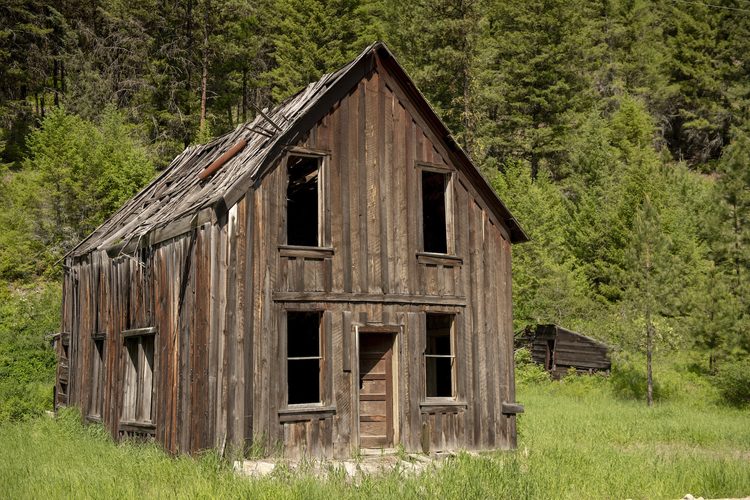
The roots of the current environmental crisis can be traced back to the General Mining Act of 1872. Signed into law by President Ulysses S. Grant, the act was designed to encourage the settlement of the West by allowing citizens to claim and mine minerals on federal lands for a nominal fee. Crucially, the 1872 law contained no provisions for environmental protection or land reclamation. When mines became unprofitable, companies simply walked away, leaving behind open shafts, unstable waste piles (tailings), and "acid mine drainage"—a process where sulfide minerals exposed by mining react with water and air to create sulfuric acid, which then leaches heavy metals into the ground and surface water.
According to the U.S. Bureau of Land Management (BLM), these legacy sites now impact roughly 40 percent of the headwaters of western watersheds. The pollutants involved—primarily arsenic, lead, mercury, and cadmium—pose significant risks to human health, livestock, and aquatic ecosystems. In many cases, these mines have been "orphaned," meaning no viable owner or operator exists to be held accountable, leaving the burden of cleanup to the public or willing third parties.
The Liability Trap and the Good Samaritan Solution
Before 2024, the primary obstacle for "Good Samaritans"—nonprofit organizations, state agencies, and tribal governments—was the Comprehensive Environmental Response, Compensation, and Liability Act (CERCLA), commonly known as Superfund, and the Clean Water Act (CWA). Under these statutes, if an organization began a cleanup and the site continued to discharge pollutants (even at a lower rate than before), that organization could be treated as the "owner or operator" of the source of pollution. This meant they could be sued for millions of dollars in damages or forced to maintain expensive water treatment systems in perpetuity.
The Good Samaritan Remediation of Abandoned Hardrock Mines Act sought to resolve this by creating a specialized permitting process. The law allows the Environmental Protection Agency (EPA) to grant limited liability protections to eligible entities that have no past or current involvement with the site’s pollution. This legal "shield" ensures that as long as the Good Samaritan follows an approved remediation plan and does not worsen the environmental conditions through negligence, they cannot be held responsible for the mine’s legacy contamination.

The Bodie Mine: A Milestone in Environmental Policy
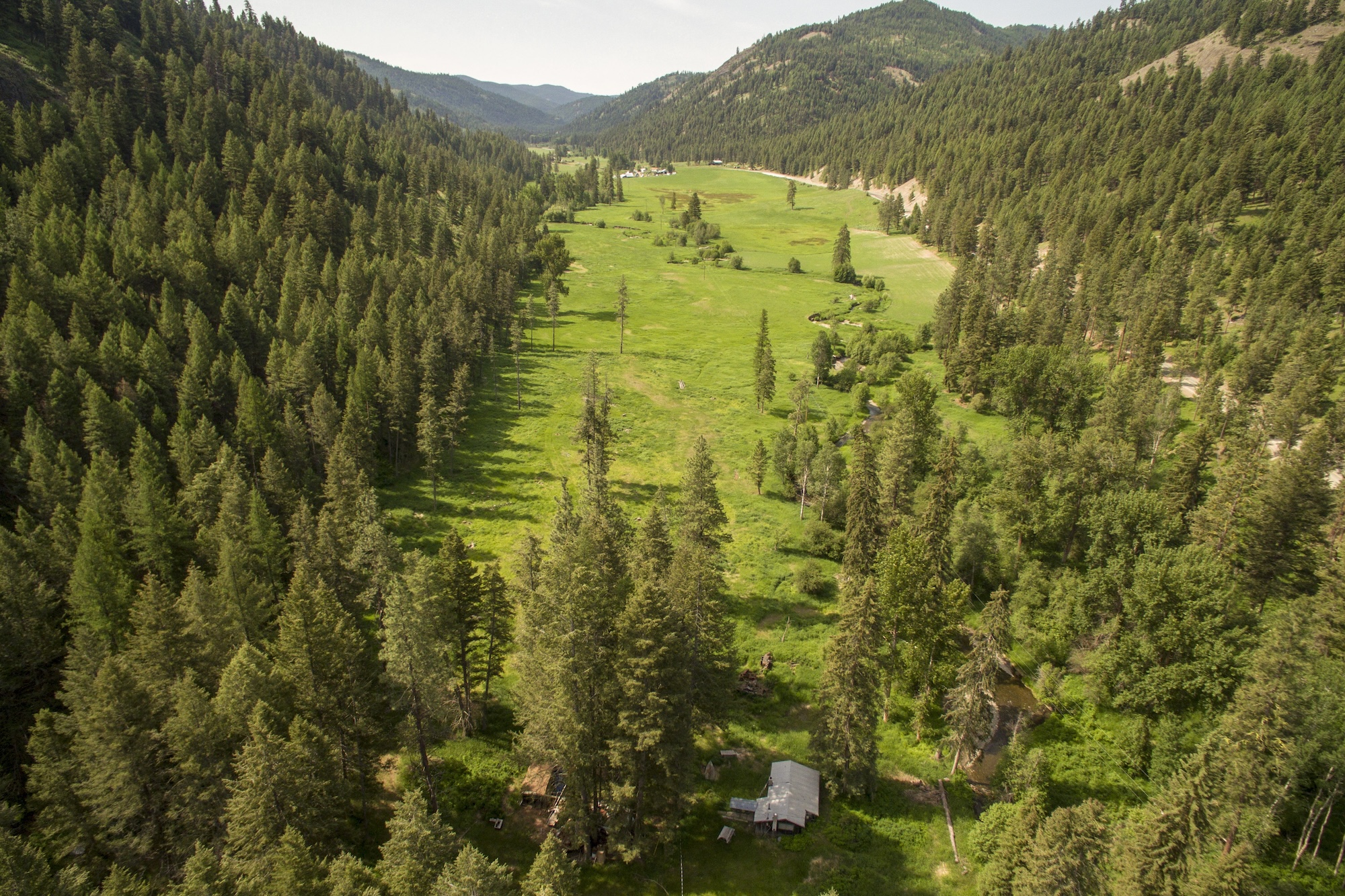
In September 2026, the Bodie Mine in Okanogan County, Washington, became the first site in the United States to receive authorization under the new law. The project, led by the conservation group Trout Unlimited, serves as a blueprint for the pilot program. The Bodie Mine, while small in comparison to the massive "mega-sites" found in the Rockies, represents a common and persistent threat to local ecology.
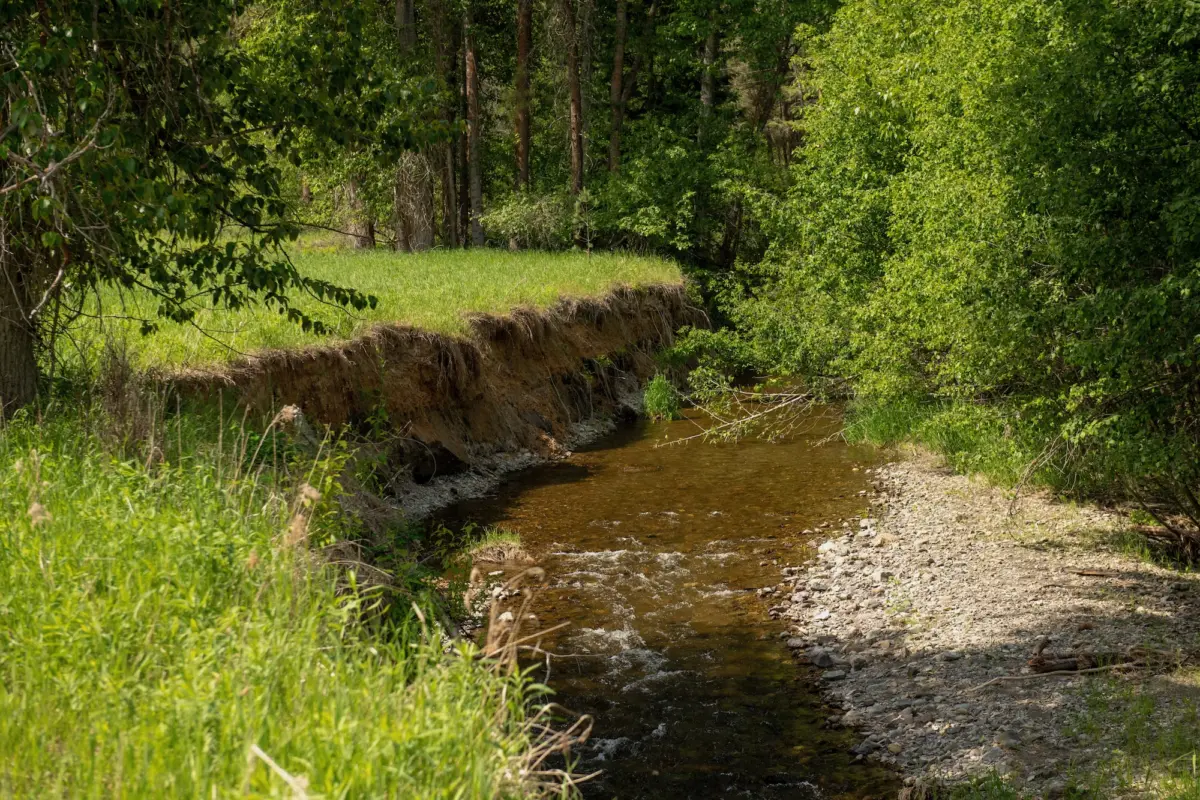
The cleanup plan focuses on the removal of approximately 790 tons of mine tailings that sit perilously close to Toroda Creek. Currently, an estimated 104 tons of these contaminated sediments—laden with arsenic and lead—erode into the creek every year. By relocating these tailings to a secure, upland repository and restoring the streambank, Trout Unlimited aims to protect the water quality for native fish populations and downstream communities.

The $500,000 project is funded through a mosaic of public and private contributions, illustrating the collaborative nature of the Good Samaritan model. Corey Fisher, the public lands policy director for Trout Unlimited, noted that while the organization has completed nearly 200 similar projects in the past, they were often forced to navigate years of "laborious legal settlements" with the EPA for every single site. The new act streamlines this process, potentially cutting years off the timeline between project proposal and groundbreaking.
Chronology of the Good Samaritan Legislation
The path to the 2024 Act was marked by decades of legislative stalemate. The following timeline outlines the major milestones in the effort to protect environmental "rescuers":

- 1990s – Early 2000s: Initial versions of Good Samaritan bills are introduced in Congress but fail to gain traction due to concerns from environmental groups that the laws might allow mining companies to bypass clean water standards.
- 2015: The Gold King Mine spill in Colorado occurs, where EPA contractors accidentally released three million gallons of toxic wastewater into the Animas River. The disaster reignites a national conversation about the dangers of abandoned mines and the need for proactive cleanup.
- 2023: A bipartisan group of senators, led by Martin Heinrich (D-NM) and James Risch (R-ID), introduces the Good Samaritan Remediation of Abandoned Hardrock Mines Act. The bill gains rare unanimous support in the Senate.
- 2024: The Act is signed into law, establishing a pilot program limited to 15 projects over a seven-year period.
- September 2026: The EPA issues the first permit under the Act to Trout Unlimited for the Bodie Mine project.
Technical Challenges: Point Source vs. Non-Point Source Pollution
A critical distinction in the Good Samaritan Act involves how pollution is classified. Most projects undertaken by NGOs to date, including the Bodie Mine, deal with "non-point source" pollution—diffuse runoff from waste piles. These are relatively straightforward to manage by moving dirt or capping waste.
However, the "holy grail" of mine remediation is the management of "point source" pollution, such as acid mine drainage flowing directly out of a mine portal or a pipe. These sites require active, long-term water treatment facilities. Ryan Ellis of the Interstate Mining Compact Commission explains that many state agencies have avoided these sites because the Clean Water Act’s National Pollutant Discharge Elimination System (NPDES) permits require water to be treated to extremely high standards—standards that are often economically impossible to meet for an abandoned site with no revenue stream.

The Good Samaritan Act provides a pathway for these more difficult "point source" cleanups by allowing for permits that focus on "incremental improvement" rather than immediate, perfect compliance with all CWA standards. This acknowledges that a 50 percent or 80 percent reduction in heavy metals is far better for the environment than doing nothing at all.
The $60 Billion Funding Gap
While the Good Samaritan Act solves the legal problem, experts warn that the financial problem remains immense. A report by the National Association of Abandoned Mine Land Programs estimates that the total cost to address all physical and environmental hazards at abandoned hardrock mines in the U.S. is approximately $60 billion.
Currently, the federal Abandoned Hardrock Mine Reclamation Program receives only about $5 million annually—a fraction of what is required. This stands in stark contrast to the coal mining industry. Under the Surface Mining Control and Reclamation Act (SMCRA) of 1977, coal companies pay a per-ton royalty that goes directly into a fund for cleaning up abandoned coal mines. Hardrock mining (gold, silver, copper, etc.) has no such national royalty system.
Aaron Mintzes, deputy policy director at Earthworks, argues that the Good Samaritan Act is only one-half of the solution. "The United States is the only nation in the world that receives zero royalties from hardrock mining on public lands," Mintzes stated. Without a dedicated "polluter pays" funding mechanism, the burden of cleanup will continue to fall on the limited budgets of NGOs and taxpayers.

Broader Implications and Future Outlook
The success of the Bodie Mine project and the subsequent 14 pilot projects will determine whether the Good Samaritan Act becomes permanent. The EPA has indicated that interest in the program is rising, with more applications expected from state mining agencies and conservation groups in the coming months.
The implications of these cleanups extend beyond environmental health. In the context of the global transition to clean energy, the demand for minerals like copper, lithium, and cobalt is skyrocketing. Some industry analysts suggest that the Good Samaritan Act could eventually allow for "re-mining"—the practice of extracting minerals from old tailings piles while simultaneously cleaning up the site. However, this remains a point of contention, as environmental advocates worry that the profit motive could lead to new environmental risks.

For now, the focus remains on restoration. If the pilot program can demonstrate that Good Samaritans can significantly improve water quality without triggering endless litigation, it may signal the beginning of the end for the legacy of "orphaned" pollution in the American West. The Bodie Mine project is a small first step, but it represents a fundamental shift in how the United States balances industrial history with environmental responsibility. As the first 104 tons of toxic waste are kept out of Toroda Creek this year, the value of the "Good Samaritan" is finally being put to the test.
