

The transition toward renewable energy in the United States has long been dominated by large-scale solar farms and professional residential rooftop installations. However, a new frontier in decentralized energy—plug-in solar systems—is beginning to reshape the regulatory landscape. Often referred to as "backyard solar" or "balcony solar," these systems offer a simplified, user-friendly entry point for consumers looking to offset their energy costs and reduce their carbon footprint. While these systems are lauded for their ease of installation and cost-effectiveness, they remain entangled in a complex web of state-level legality, safety concerns, and opposition from traditional utility providers. As of late 2024, the legal tide is beginning to turn, with ten states leading the charge toward legalization and dozens more currently debating the future of "plug-and-play" energy.
Understanding the Plug-in Solar Revolution
Plug-in solar systems represent a significant departure from traditional photovoltaic (PV) setups. A standard residential solar installation typically involves a complex array of panels mounted on a roof, interconnected through a central inverter, and hardwired directly into the home’s main electrical service panel. This process requires professional electricians, building permits, and often months of administrative back-and-forth with utility companies.
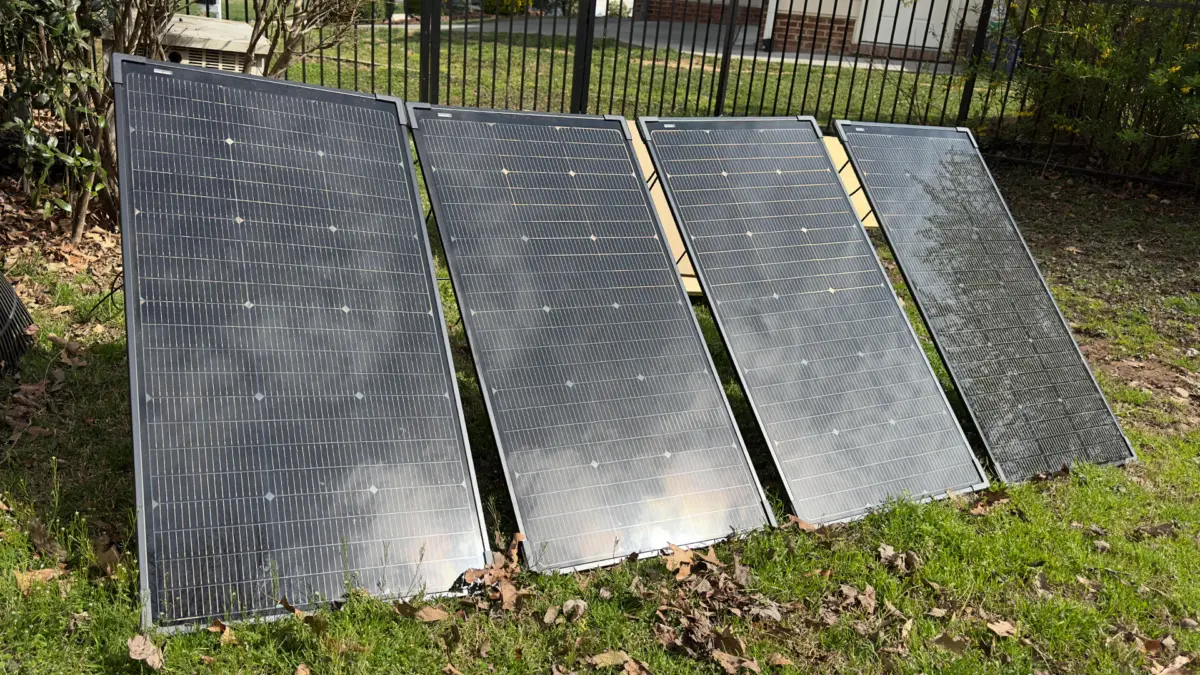
In contrast, a plug-in solar system is designed for the average consumer. These setups generally consist of one or two solar panels, a microinverter that converts DC power to AC power, and a standard three-prong plug. The system is designed to be plugged directly into a standard 120-volt outdoor or indoor outlet. Once connected, the electricity generated by the panels flows into the home’s internal wiring. Because electricity follows the path of least resistance, the solar power is consumed by the nearest running appliances—such as a refrigerator, computer, or television—thereby reducing the amount of power the home must draw from the municipal grid.
The primary appeal of these systems is accessibility. They are particularly attractive to renters, apartment dwellers, and homeowners who cannot afford the high upfront costs of a full-scale rooftop array. By bypassing the need for professional installation and permanent structural modifications, plug-in solar offers a portable and scalable solution for clean energy.
The Legislative Landscape: A State-by-State Breakdown
The legality of plug-in solar is currently a patchwork of varying state laws and utility regulations. Utah was the pioneer in this space, becoming the first state to formally legalize and regulate backyard and plug-in solar systems. Following Utah’s lead, several other states have passed legislation to create a pathway for consumer use, though many of these laws have delayed effective dates to allow utilities and safety inspectors to prepare for the transition.
According to current legislative tracking, the following states have successfully passed laws to legalize plug-in solar systems:
- Utah: Leading the nation, Utah’s House Bill 340 established the framework for plug-in solar, with full implementation effective by May 2025.
- Maryland: House Bill 1532 was passed to facilitate easier access to small-scale solar, set to take effect on July 1, 2026.
- Vermont: Through House Bill 598 and Senate Bill 202, Vermont will see legalization on July 1, 2026.
- Maine: Legislative Document 1730 paves the way for solar accessibility starting July 29, 2026.
- Colorado: House Bill 26-1007 ensures that residents can utilize these systems beginning August 12, 2026.
- Connecticut: House Bill 5340 targets an effective date of October 1, 2026.
- California: As a leader in renewable energy, California’s Senate Bill 868 will legalize plug-in systems effective January 1, 2027.
- New Hampshire: Senate Bill 540 also sets a start date of January 1, 2027.
- Virginia: House Bill 395 and Senate Bill 250 will allow plug-in solar use starting January 1, 2027.
- New Jersey: Senate Bill 2368 represents one of the later implementation dates, effective March 1, 2027.
While these states have moved forward, others remain in a state of flux. In Massachusetts, bills H.5175 and S3143 are currently advancing through the legislature, while New York’s SUNNY Act is awaiting the governor’s signature. Conversely, plug-in solar bills have faced significant hurdles or outright failure in states like Georgia, New Mexico, Oregon, Washington, and Wyoming. In these jurisdictions, operating a plug-in solar system remains technically illegal, often due to strict interpretations of electrical codes or heavy lobbying from utility interests.
Technical and Safety Concerns: Why the Delay?
The primary reason plug-in solar has faced such stiff legal resistance is rooted in the fundamental design of American residential electrical systems. Most homes in the United States are built according to the National Electrical Code (NEC), which assumes that power flows in one direction: from the utility grid, through the main breaker panel, and out to individual branch circuits and outlets.
When a solar system is "plugged in" to a standard outlet, it introduces power from the "end" of the circuit rather than the beginning. This creates a phenomenon known as "backfeeding." Critics and safety inspectors argue that if a solar system provides significant current to a circuit that is already drawing its maximum rated load from the main panel, the internal wiring could potentially overheat. Because the current from the solar system does not pass through the circuit breaker first, the breaker may not trip, even if the total current in the wire exceeds its safety rating. This poses a theoretical fire risk.

Furthermore, there is the concern of "islanding." In the event of a power outage, utility workers need to ensure that the grid is not being energized by private solar systems while they perform repairs. Modern microinverters used in plug-in systems are designed with "anti-islanding" technology, which automatically shuts down the system if it detects a grid failure. However, regulators have been slow to certify these consumer-grade devices as meeting the same rigorous standards as professionally installed equipment.
The Role of Utility Companies and Economic Implications
Beyond technical safety, the battle over plug-in solar is deeply economic. Utility companies operate on a business model that relies on selling kilowatt-hours to consumers and maintaining control over the distribution grid. The widespread adoption of plug-in solar represents a two-fold threat to this model.
First, plug-in solar reduces the total volume of electricity consumers purchase. Unlike traditional rooftop solar, which often involves "net metering" (where the utility pays the homeowner for excess energy sent back to the grid), plug-in systems are usually sized to be consumed entirely within the home. This "behind-the-meter" consumption is harder for utilities to track and monetize.
Second, utilities argue that solar users are "free-riders" who benefit from the stability of the grid without paying their fair share of its maintenance costs. As more households generate their own power, the fixed costs of maintaining poles, wires, and transformers are distributed among a smaller pool of traditional customers, potentially driving up rates for those who cannot afford solar technology.
However, proponents of plug-in solar argue that these systems actually benefit the grid by reducing demand during peak hours, particularly in the summer when air conditioning use is high. By generating power at the point of consumption, plug-in solar reduces the "line loss" that occurs when electricity is transported over long distances from centralized power plants.
Lessons from the Global Market: The German Example
The United States is not the first nation to grapple with the legalization of plug-in solar. Germany has become the global gold standard for this technology through its "Balkonkraftwerk" (balcony power plant) movement. In Germany, the government has actively encouraged the use of small-scale plug-in systems to meet its aggressive climate goals.
The German model simplified the process by allowing systems up to 600 watts (recently increased to 800 watts) to be registered via a simple online form, bypassing the need for expensive professional inspections. This led to an explosion in popularity, with hundreds of thousands of units installed across the country. The German experience has demonstrated that with proper equipment standards and clear regulatory frameworks, the safety risks of plug-in solar can be effectively managed, providing a roadmap for U.S. legislators.
Future Outlook and Consumer Considerations
As the effective dates for legalization approach in states like California and Virginia, the industry is expected to see a surge in innovation. Companies like EcoFlow and Anker are already developing sophisticated plug-in kits that include integrated battery storage, allowing users to save their solar energy for use at night, further increasing the value proposition.
For consumers in states where legalization is pending, the path forward requires patience and due diligence. Even in states where plug-in solar is legal, homeowners must still navigate the rules of Homeowners Associations (HOAs) and landlords. While some state laws include provisions that prevent HOAs from banning solar entirely, they may still impose aesthetic restrictions or require specific installation methods.
The trajectory of plug-in solar in the United States suggests a move toward greater energy democratization. By lowering the barriers to entry, these systems empower individuals to take control of their energy production. While the legislative process is slow, the transition toward a more flexible, decentralized grid appears inevitable. As 2026 and 2027 approach, the "plug-and-play" model may well become a standard feature of the American energy landscape, bridging the gap between traditional utility reliance and a fully renewable future.
