

As global temperatures continue to reach record-breaking highs, the consumer electronics market has seen a sophisticated shift in personal climate control solutions. Once dismissed as novelty items, portable fans and wearable cooling devices have evolved into essential equipment for urban commuters, outdoor workers, and event-goers. The industry has moved beyond simple plastic blades and AA batteries, embracing high-torque brushless motors, lithium-ion battery technology, and even thermoelectric cooling plates. This transition reflects a broader societal adaptation to a warming climate, where personal cooling is no longer just a luxury but a necessity for maintaining health and comfort in extreme environments.
The State of the Personal Cooling Market in 2026
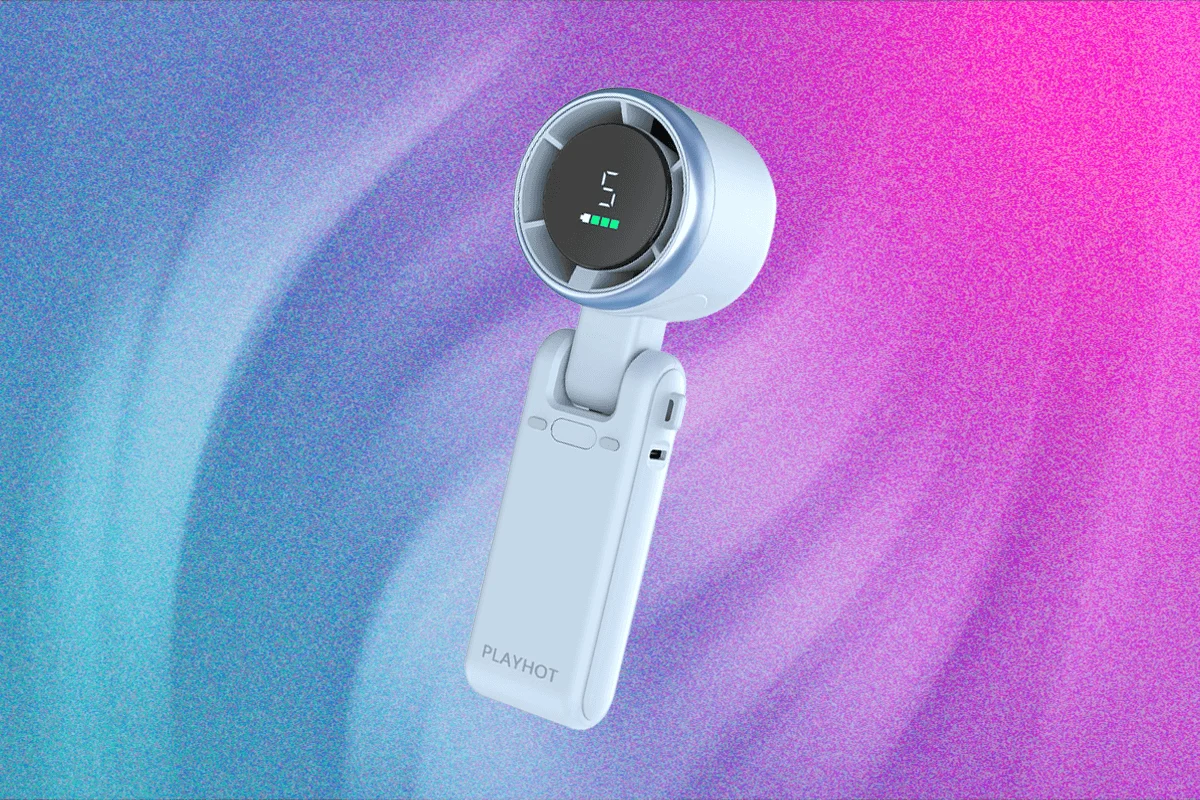
The market for portable cooling devices has bifurcated into two distinct categories: high-efficiency handheld "turbo" fans and hands-free wearable technology. Leading the handheld segment is the PlayHot Handheld Turbo Fan, which has set the industry standard for 2026. Retailing between $18 and $20, the device utilizes "Air Turbo Tech" to generate wind speeds that far exceed its diminutive size. Equipped with a 4000mAh rechargeable battery, it offers up to 10 hours of operation across five adjustable gear settings. This balance of affordability and performance has made it the "Best Overall" choice for consumers seeking immediate relief at outdoor concerts, festivals, and sporting events.
In the wearable sector, the Jisulife Portable Neck Fan and the Aecooly Portable Waist Fan represent the shift toward hands-free utility. The Jisulife model, often priced around $30, employs a bladeless design reminiscent of high-end headphones, making it safe for users with long hair and providing a continuous "air curtain" around the face. Conversely, the Aecooly Waist Fan, priced at $20 to $30, targets a more industrial or active demographic. By clipping onto the belt and blowing air directly under the shirt, it facilitates evaporative cooling—the body’s natural method of heat dissipation—while doubling as a flashlight for nighttime utility.

Chronology of Innovation: From Novelty to Necessity
The timeline of portable cooling development illustrates a rapid technological ascent.
- 2015–2019: The Battery Era. Portable fans were largely characterized by low-powered DC motors and short-lived alkaline batteries. They were primarily sold as impulse buys in theme parks and pharmacies.
- 2020–2022: The USB-C Revolution. The standardization of lithium-ion batteries and USB-C charging allowed for smaller, more powerful motors. The "neck fan" became a viral sensation during the pandemic as people sought outdoor-friendly comfort.
- 2023–2025: Material Science and Aerodynamics. Brands began implementing drone-inspired blade geometry and brushless motors to reduce noise and increase airflow. This era saw the rise of brands like Jisulife and Ororo.
- 2026: The Integration of Cryo-Tech. Current innovations, such as those seen in the Shark ChillPill, have introduced "cold plates"—metal surfaces that use the Peltier effect to provide conductive cooling directly to the skin’s pulse points.
Premium Solutions and the Entry of Major Tech Players
The 2026 market has seen the entry of established appliance giants like Shark and Dyson, both attempting to redefine the premium personal cooling experience. Shark’s ChillPill 3-in-1 Personal Cooling System, priced at $150, represents a multifunctional approach. It serves as a standard fan, a refillable misting system, and a "cryo-inspired" cold plate. While the device offers unparalleled versatility, industry analysts note that the requirement for separate attachments may hinder its portability compared to integrated units.
Dyson has also entered the fray with the HushJet Mini Cool, retailing for $100. True to the brand’s reputation, the device focuses on acoustic engineering, providing a steady airflow without the high-pitched "jet-engine" whine common in cheaper turbo fans. However, the performance-to-price ratio remains a point of contention among experts. While the HushJet includes a desk stand and a premium ribbon lanyard, its wind speed is only marginally higher than mid-range competitors, suggesting that in the personal cooling market, brand prestige is still catching up to raw utility.
Technical Specifications and Comparative Data
To understand the efficacy of these devices, one must look at the underlying data governing their performance.

| Product | Price (Avg) | Battery Life | Primary Feature | Target Use Case |
|---|---|---|---|---|
| PlayHot Turbo | $19 | 10 Hours | 5-Gear Wind Speed | General Handheld Use |
| Aecooly Waist | $25 | 8-12 Hours | Hands-free Clip | Outdoor Labor/Hiking |
| Jisulife Neck | $30 | 6-10 Hours | Bladeless Airflow | Commuting/Travel |
| Ororo Jacket | $150 | Varies | Integrated Fans | Professional/Construction |
| Shark ChillPill | $150 | 4-6 Hours | Cold Plate/Misting | Extreme Heat Relief |
| Dyson HushJet | $100 | 5-8 Hours | Low Noise Profile | Office/Desk Use |
Broader Implications: Public Health and Labor Safety
The surge in personal cooling technology carries significant implications for public health. According to data from the World Meteorological Organization, the frequency of heatwaves has increased three-fold over the last several decades. In urban environments, where the "heat island effect" can make subway platforms and city streets dangerously hot, portable fans serve as a first line of defense against heat exhaustion.
For the labor force, particularly those in construction or agriculture, wearable tech like the Ororo ZenFlow Power Cooling Jacket represents a vital safety advancement. By integrating high-speed fans directly into the fabric of the garment, these jackets create a micro-climate for the wearer, significantly reducing the core body temperature during long shifts in the sun. Occupational health experts suggest that as heat-related labor regulations become more stringent, such "active-wearable" technology may become mandatory equipment for outdoor workers.
Official Responses and Consumer Sentiment
Retailers such as Amazon and Walmart have reported a consistent year-over-year increase in the "Portable Cooling" category, with sales peaks starting earlier in the spring each year. Spokespersons for these retail giants have noted that consumer reviews now prioritize battery longevity and noise levels over aesthetic design.
In a statement regarding the 2026 product lineup, a representative from a leading consumer electronics testing lab noted: "We are seeing a shift in consumer expectations. Five years ago, a portable fan was a disposable item. Today, consumers are willing to spend $100 or more for a device that offers multi-year durability and sophisticated features like cold-plate technology. The ‘Shark’ and ‘Dyson’ entries prove that there is a high-end market for personal climate control that didn’t exist a decade ago."

Future Outlook: The Next Frontier of Personal Cooling
As we look toward the late 2020s, the trajectory of personal cooling is expected to move toward smarter, more integrated systems. Future iterations may include biometric sensors that automatically adjust fan speed based on the user’s heart rate or skin temperature. Additionally, advancements in solid-state battery technology could lead to even smaller devices with double the current battery life.
The environmental impact of these devices is also coming under scrutiny. With millions of lithium-ion batteries entering the market, there is a growing push for "right to repair" designs and better recycling programs for small-scale electronics. Brands that prioritize sustainable materials and replaceable batteries are likely to gain a competitive edge as the market matures.
In conclusion, the portable fan has transcended its origins as a simple gadget. It is now a critical tool for navigating a world of rising temperatures. From the $18 PlayHot handheld to the $150 Ororo cooling jacket, the variety of solutions available in 2026 ensures that whether one is a commuter on a crowded train or a worker on a job site, relief from the heat is only a button-press away. The evolution of this industry is a testament to human ingenuity in the face of environmental challenges, proving that even small-scale technology can have a major impact on quality of life.
