

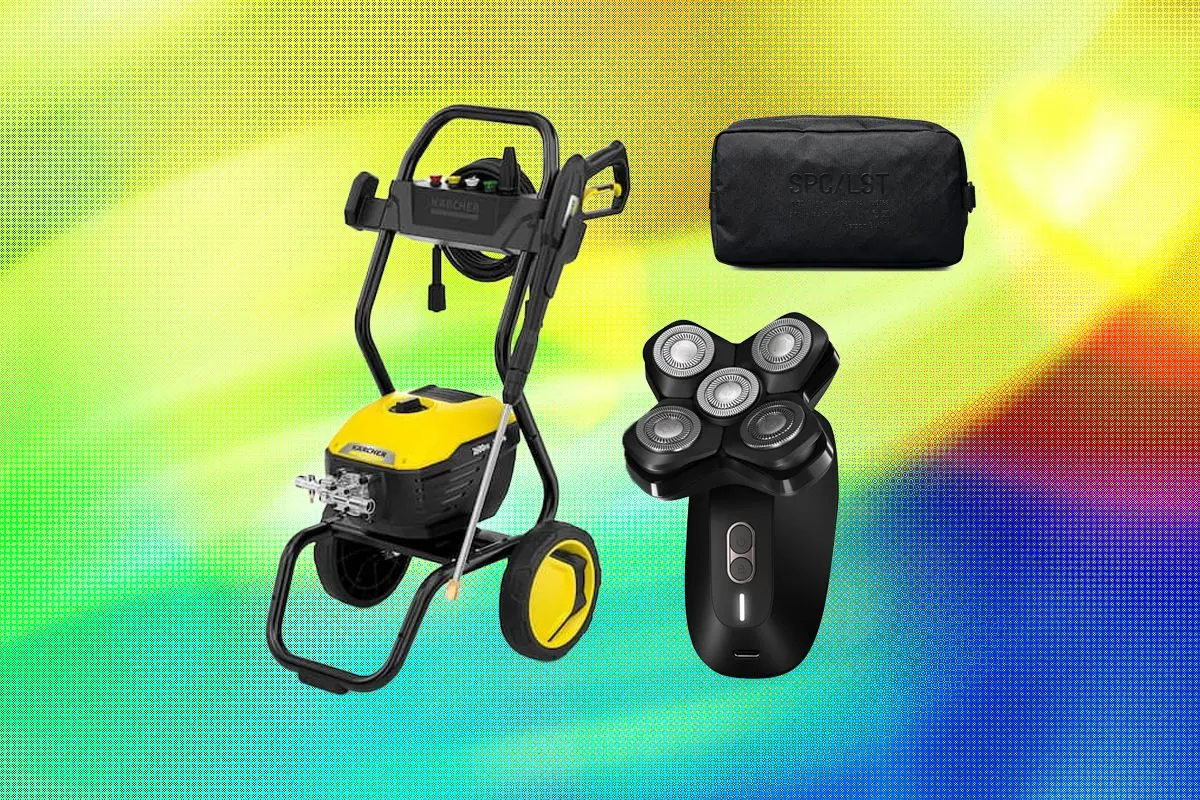
The consumer landscape for mens lifestyle products has undergone a significant transformation over the last decade, shifting from traditional gift categories like neckties and basic leather goods toward a niche defined by industrial-grade engineering and hyper-functional aesthetics. This movement, often characterized by the rebranding of domestic tools into "tactical" or "high-performance" equipment, reflects a broader psychological shift in how products are marketed to male demographics. As of late 2024, the market for over-engineered household items—ranging from kitchen implements to personal grooming kits—has seen a surge in valuation, driven by a consumer base that prioritizes durability, precision, and a specific "industrial-chic" design language. This report examines the technical specifications, market origins, and broader cultural implications of this high-end utility trend through the lens of flagship products currently defining the sector.
The Engineering of Culinary Precision: Männkitchen and Global
One of the most prominent examples of this shift is found in the kitchenware sector, where professional-grade tools are being adapted for home use with an emphasis on "over-performance." The Männkitchen Pepper Cannon, priced at approximately $200, represents a departure from the traditional wooden pepper mill. Constructed from aerospace-grade aluminum and featuring high-carbon stainless steel burrs, the device is engineered to produce significantly higher volumes of ground spice per rotation than standard mills.

Technical data indicates that the Pepper Cannon can output up to ten times the amount of pepper compared to a traditional twist-top grinder. This focus on "output speed" and "caliber" of grind is a hallmark of the tactical marketing approach, which treats culinary preparation as a task requiring high-efficiency equipment. The product’s origin story is rooted in crowdfunding, a common trajectory for many "disruptor" brands in this space. By appealing directly to enthusiasts who value heavy-duty construction, Männkitchen successfully carved out a premium niche in a previously stagnant category.
Parallel to this is the enduring legacy of the Global 8-Inch Classic Chef’s Knife. While not a new entry to the market, its continued dominance is bolstered by historical endorsements from industry icons such as the late Anthony Bourdain. In his seminal work Kitchen Confidential, Bourdain praised the Global G-2 for its balance and ease of maintenance, effectively cementing its status as a "manly" essential. The knife’s construction—utilizing CROMOVA 18 stainless steel and a signature sand-filled hollow handle for precise weight distribution—aligns with the modern preference for minimalist, high-performance Japanese engineering. Market analysis shows that Global knives maintain a high resale value and brand loyalty, illustrating how professional pedigree translates into long-term consumer success in the mens gift market.
The Digitization of Measurement: From Tape to Laser
The transition from analog to digital precision is another pillar of the modern utility market. The Mileseey S50 Green-Laser Distance Measure exemplifies how professional surveying technology has been miniaturized for the domestic consumer. Priced at approximately $130, this device utilizes green-laser technology, which offers superior visibility over traditional red lasers in high-brightness environments.

According to industry specifications, green lasers are up to four times more visible to the human eye, making them essential for large-scale measurements in outdoor or brightly lit indoor settings. The S50 features an accuracy range of ±1/16th of an inch and can measure distances up to 330 feet. The integration of Bluetooth connectivity and dedicated mobile applications allows users to create floor plans in real-time, reflecting a trend toward "smart" utility. This product appeals to the "prosumer"—a consumer who is not necessarily a professional contractor but who demands professional-grade precision for DIY projects and home maintenance.
Tactical Grooming and the Everyday Carry Movement
The aesthetic of the "manly" gift has also permeated the personal care and organization sectors. The SPC/LST System Kit, a tactical toiletry bag retailing for $95, is a primary example of the "Everyday Carry" (EDC) influence on lifestyle products. Unlike traditional soft-shell dopp kits, the System Kit utilizes high-denier fabrics and modular organization systems reminiscent of military-grade gear.
The EDC movement, which began in online forums and social media communities, emphasizes the selection of items based on their utility, durability, and readiness for various scenarios. This has led to a boom in the "tactical" grooming market. Data from consumer research firms suggests that men are increasingly likely to purchase grooming products if they are packaged in materials that suggest ruggedness, such as matte-black finishes, heavy-duty zippers, and water-resistant coatings. The SPC/LST kit caters to this demographic by offering a modular design that can be customized based on the user’s travel needs, bridging the gap between a simple travel bag and a piece of survival equipment.

Chronology of the Masculine Utility Market
To understand the current state of the market, it is necessary to trace the timeline of how "manly" gifts have evolved over the last several decades:
- 1950s–1980s: The Traditional Era. Gift-giving for men was largely restricted to "white-collar" accessories such as silk ties, cufflinks, and leather wallets, or "blue-collar" staples like basic hammer and screwdriver sets.
- 1990s–2000s: The Gadget Boom. The rise of early digital technology introduced the "gadget" phase, characterized by multi-tools (e.g., Leatherman) and early electronic organizers. Brand endorsements became more critical.
- 2010s: The Crowdfunding and EDC Revolution. Platforms like Kickstarter allowed niche brands to market over-engineered versions of everyday items. The "Everyday Carry" philosophy became a mainstream lifestyle, prioritizing "buy it for life" (BIFL) quality.
- 2020–Present: The Hyper-Masculinized Utility Era. Products are now marketed with aggressive terminology ("cannon," "tactical," "system") and utilize materials once reserved for aerospace or military applications.
Market Data and Consumer Psychology
The growth of this sector is supported by significant economic data. The global mens grooming market was valued at approximately $79.6 billion in 2022 and is projected to reach $115 billion by 2028. Within this, the "premium" segment—which includes high-end tools and accessories—is growing at a faster rate than mass-market alternatives.
Psychologically, the appeal of these products lies in a concept known as "compensatory consumption." Research suggests that consumers often purchase products that symbolize strength or competence during periods of social or economic uncertainty. For the modern male consumer, a $200 pepper grinder or a laser-guided measuring tool serves as a tangible representation of control and capability. Furthermore, the "industrial" aesthetic provides a sense of authenticity in an increasingly digital and ephemeral world.

Inferred Statements and Industry Reactions
While official corporate statements from brands like Männkitchen or Mileseey often focus on technical specs, industry analysts suggest that the "hyper-masculine" branding is a deliberate response to a fragmented market. "We are seeing a move away from ‘lifestyle’ branding toward ‘performance’ branding," notes one retail consultant specializing in mens goods. "Men don’t just want a bag; they want a ‘system.’ They don’t want a grinder; they want a ‘cannon.’ This language creates a sense of purpose around the act of consumption."
Environmental advocates have also weighed in on the trend, noting that the "Buy It For Life" aspect of high-performance tools is a positive development for sustainability. Unlike "fast fashion" or cheap plastic household goods, these products are designed for repairability and longevity. A stainless steel knife or an aluminum pepper mill can last for decades, reducing the overall waste generated by the consumer cycle.
Broader Impact and Future Implications
The rise of high-performance utility gear reflects a broader cultural shift in how gender is marketed in the 21st century. While some critics argue that "tactical" branding reinforces outdated stereotypes, others see it as a celebration of craftsmanship and engineering. The success of these products suggests that there is a significant market for items that reject planned obsolescence in favor of heavy-duty construction.

Looking ahead, the trend is expected to expand into more domestic categories. We are already seeing the emergence of "tactical" baby gear (strollers with rugged tires and MOLLE webbing) and "industrial" home cleaning tools (pressure washers and high-powered vacuums marketed with automotive-style specs). As the line between professional equipment and consumer goods continues to blur, the "manly" gift guide of the future will likely look less like a catalog of accessories and more like a manifest of industrial hardware.
In conclusion, the modern market for mens gifts has moved far beyond the aesthetic. It is now defined by a demand for extreme utility, aerospace materials, and a design philosophy that treats every daily task—from seasoning a steak to measuring a room—as a mission requiring the highest level of equipment. This shift toward "tactical" domesticity represents a multi-billion dollar intersection of engineering, psychology, and lifestyle branding that shows no signs of slowing down.
