

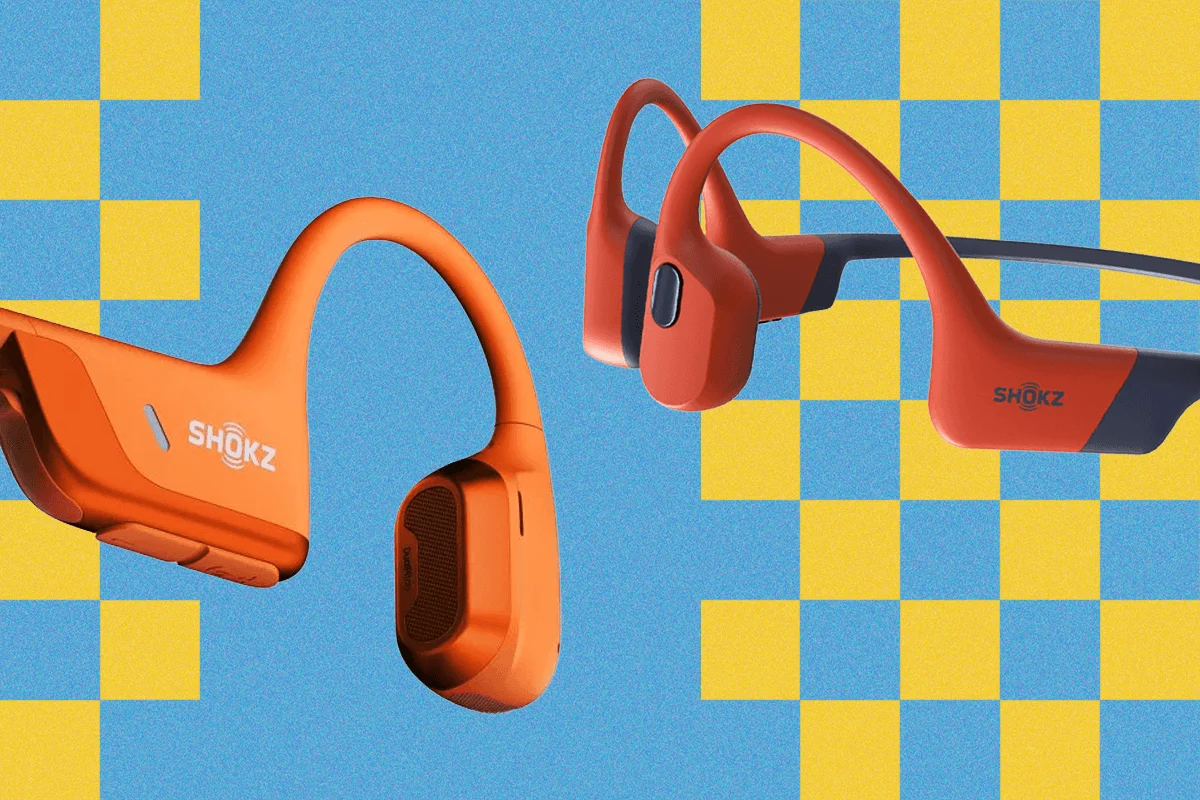
The landscape of personal audio has undergone a radical transformation over the last two decades, evolving from traditional over-ear cans and intrusive in-ear monitors to the sophisticated, non-invasive technology known as bone conduction. While once dismissed as a niche curiosity or a gimmick that produced more physical irritation than acoustic fidelity, bone conduction headphones have matured into a multi-million dollar sector of the consumer electronics market. This shift reflects not only advancements in transducer engineering but also a fundamental change in how consumers prioritize situational awareness and long-term auditory health.
The premise of bone conduction is rooted in the bypass of the external ear and the eardrum. Unlike traditional headphones that utilize air conduction—where speakers create sound waves that travel through the ear canal to vibrate the eardrum—bone conduction devices use electromechanical transducers to convert electrical signals into mechanical vibrations. These vibrations travel through the wearer’s cheekbones (specifically the temporal bone) directly to the cochlea, the fluid-filled structure in the inner ear. This process allows the brain to perceive sound while leaving the ear canal entirely unobstructed, a feature that has become the primary selling point for athletes, industrial workers, and the hearing-impaired.
A Chronological History of Bone Conduction
The conceptual foundation of bone conduction is far from a modern invention. The principle was famously utilized by Ludwig van Beethoven in the 18th century; as he lost his hearing, he discovered he could hear the piano by biting a wooden rod attached to the instrument, allowing the vibrations to travel through his jaw to his inner ear. However, the commercialization of this phenomenon took centuries to materialize.
In the early 20th century, the technology was primarily explored for medical applications. In 1923, Hugo Gernsback, a pioneer in science fiction and radio, patented the "Osophone," a device designed to help the deaf hear through bone conduction. Throughout the mid-20th century, the technology found a permanent home in the audiology sector, leading to the development of Bone Anchored Hearing Aids (BAHA).
The transition to consumer electronics began in earnest in the late 1990s and early 2000s. Early commercial efforts were plagued by significant technical hurdles. The transducers required high power to generate sufficient vibration, often resulting in a "tickling" or vibrating sensation on the skin that many users found intolerable. Furthermore, the frequency response was severely limited, with almost no bass reproduction and a tinny, distorted high-end.
The turning point occurred around 2011 with the founding of AfterShokz (now rebranded as Shokz). By refining the transducer design and improving the ergonomics of the titanium frames, the industry began to produce devices that could be worn comfortably for hours. By 2020, the integration of Bluetooth 5.0 and improved battery chemistry allowed these devices to compete directly with traditional wireless earbuds in terms of connectivity and longevity.
Technical Milestones and Sound Quality Improvements
The primary criticism of early bone conduction units was their lackluster sound performance. Because bone is a denser medium than air, it is naturally less efficient at transmitting high-frequency vibrations. To combat this, manufacturers have invested heavily in proprietary vibration-shaping technologies.
Modern iterations, such as those found in the Shokz OpenRun Pro or the Suunto Wing, utilize dual-pitch transducers. These systems separate the frequency bands, using one vibrator for mid-to-high frequencies and another specifically designed to enhance low-end resonance. While bone conduction still cannot match the deep, sub-bass response of high-end over-ear headphones, the "leakage" of sound—once a major privacy concern—has been reduced by nearly 50% through the use of phase-canceling sound waves that neutralize audio escaping from the housing.
Furthermore, the "tickle" effect has been largely mitigated through the use of angled transducers. By placing the vibrating pads at a 30-degree angle against the face, manufacturers have increased the surface area of contact, allowing for lower-intensity vibrations to deliver the same perceived volume.

Market Data and Consumer Trends
The global bone conduction headphone market has seen a consistent upward trajectory. According to market analysis reports from firms such as Grand View Research, the global open-ear headphone market was valued at approximately $250 million in 2022 and is projected to grow at a compound annual growth rate (CAGR) of over 15% through 2030.
Several factors drive this growth:
- The Fitness Boom: The rise in outdoor running and cycling has created a demand for "ambient awareness." Conventional noise-canceling headphones are increasingly viewed as a safety liability in urban environments.
- Health Awareness: There is a growing body of anecdotal and clinical concern regarding "earphone fatigue" and the risk of ear canal infections caused by the prolonged use of silicon tips in traditional earbuds.
- Hybrid Work Environments: Office workers and remote professionals utilize bone conduction to remain reachable by family or colleagues while simultaneously listening to podcasts or participating in digital meetings.
In terms of demographics, while the 25-44 age bracket remains the largest consumer of these devices due to fitness trends, there is a significant uptick in adoption among the 60+ demographic, who utilize the devices to supplement mild hearing loss without the social stigma or cost of clinical hearing aids.
Industry Perspectives and Regulatory Responses
Leading figures in the audio engineering space have noted that the move toward bone conduction represents a broader shift toward "augmented hearing." Engineers at Shokz and competitors like Mojawa have frequently stated in product briefings that their goal is not to replace the high-fidelity experience of a home theater but to provide a "soundtrack to life" that does not isolate the user.
Regulatory bodies and safety organizations have also weighed in. Many organized marathons and cycling events, such as those governed by England Athletics, have banned the use of traditional "in-ear" headphones for safety reasons but explicitly permit bone conduction headphones. This official endorsement has served as a massive catalyst for brand recognition and consumer trust.
From a medical standpoint, audiologists generally view bone conduction favorably for certain users. "For individuals with chronic outer or middle ear issues, bone conduction is a transformative alternative," notes industry analysis. However, experts caution that these devices can still cause noise-induced hearing loss if played at excessive volumes, as the cochlea is still being stimulated.
Broader Impact and Future Implications
The implications of bone conduction technology extend far beyond the gym. We are currently seeing the integration of bone conduction into "Smart Glasses." Companies like Bose and various startups have experimented with embedding transducers into the arms of spectacles, allowing for a seamless blend of visual and auditory augmented reality.
In the military and industrial sectors, bone conduction remains a critical tool. Tactical headsets allow soldiers to receive communications while maintaining 360-degree situational awareness on the battlefield. Similarly, in high-noise manufacturing environments, workers can wear earplugs to protect their hearing from industrial machinery while still receiving clear audio instructions via bone conduction transducers pressed against their temples.
Looking forward, the next frontier for this technology lies in material science and Artificial Intelligence. The development of even smaller, more efficient piezoelectric materials could lead to bone conduction devices that are virtually invisible, perhaps integrated into the bands of hats or the collars of shirts. Additionally, AI-driven digital signal processing (DSP) is expected to further refine the "perceived" soundstage, using software to trick the brain into hearing a wider, more immersive field of sound than physical vibrations alone should allow.
Conclusion
The journey of bone conduction headphones from a vibrating nuisance to a staple of the modern audio kit is a testament to the power of iterative engineering. By solving the dual problems of physical discomfort and poor acoustic range, manufacturers have carved out a permanent space in a crowded market. As the world moves toward a future where digital information is constantly overlaid onto our physical reality, the ability to hear both the digital and the physical worlds simultaneously is no longer just a luxury—it is becoming a necessity. Bone conduction headphones, once the outliers of the audio world, are now leading the charge toward a more connected and aware consumer experience.
