

The global luggage and travel gear market has undergone a significant transformation over the last decade, shifting from a focus on rigid, hard-shelled suitcases to more versatile, soft-sided solutions known as duffel bags. As modern travelers increasingly prioritize mobility, durability, and multi-functional design, the duffel bag has emerged as a primary tool for both urban commuters and outdoor enthusiasts. In an exhaustive evaluative study of current market offerings, several models have distinguished themselves through superior material science, ergonomic design, and organizational utility. Leading the current rankings is the Eastpak Duffel Pack S Tarp, recognized for its balance of weather resistance and portability, followed closely by industry staples from Patagonia and innovative modular systems from Rux.
The Evolution of the Modern Duffel: From Military Surplus to High-Tech Gear
Historically, duffel bags were simple cylindrical sacks made of heavy canvas, primarily used by military personnel for their ruggedness and high capacity. However, the contemporary market demands more than just a "cavernous sack." Today’s consumers require bags that can transition from a gym locker to an airplane’s overhead bin or a rugged campsite. This evolution has led to the integration of ballistic grade fabrics, thermoplastic polyurethane (TPU) coatings, and backpack-style carry systems.
The current landscape of travel gear is defined by "bleisure" travel—a hybrid of business and leisure—where a single bag must accommodate a laptop and peripherals alongside hiking boots or formal attire. Market analysts suggest that the soft-sided luggage segment is growing at a compound annual growth rate (CAGR) of approximately 5.8%, driven by the rising popularity of adventure tourism and stricter airline weight restrictions that favor lighter, more flexible bags.
Top Performers in the 2024 Market Evaluation
Eastpak Duffel Pack S Tarp: The Versatile Standard
The Eastpak Duffel Pack S Tarp has been identified as the premier choice for the average consumer. Eastpak, a brand with origins in producing gear for the U.S. Army in the 1950s, has utilized its historical expertise to create a bag that emphasizes longevity. The "Tarp" designation refers to its heavy-duty, water-resistant material which provides a tactile, matte finish capable of withstanding significant abrasion.
Priced at approximately $115, this model features a 35-liter capacity, making it an ideal candidate for weekend excursions. Its primary advantage lies in its convertible nature; it can be carried by traditional handles or worn as a backpack, a feature that has become a non-negotiable requirement for modern travelers navigating crowded transit hubs.
Patagonia Black Hole Duffel: The Durability Benchmark
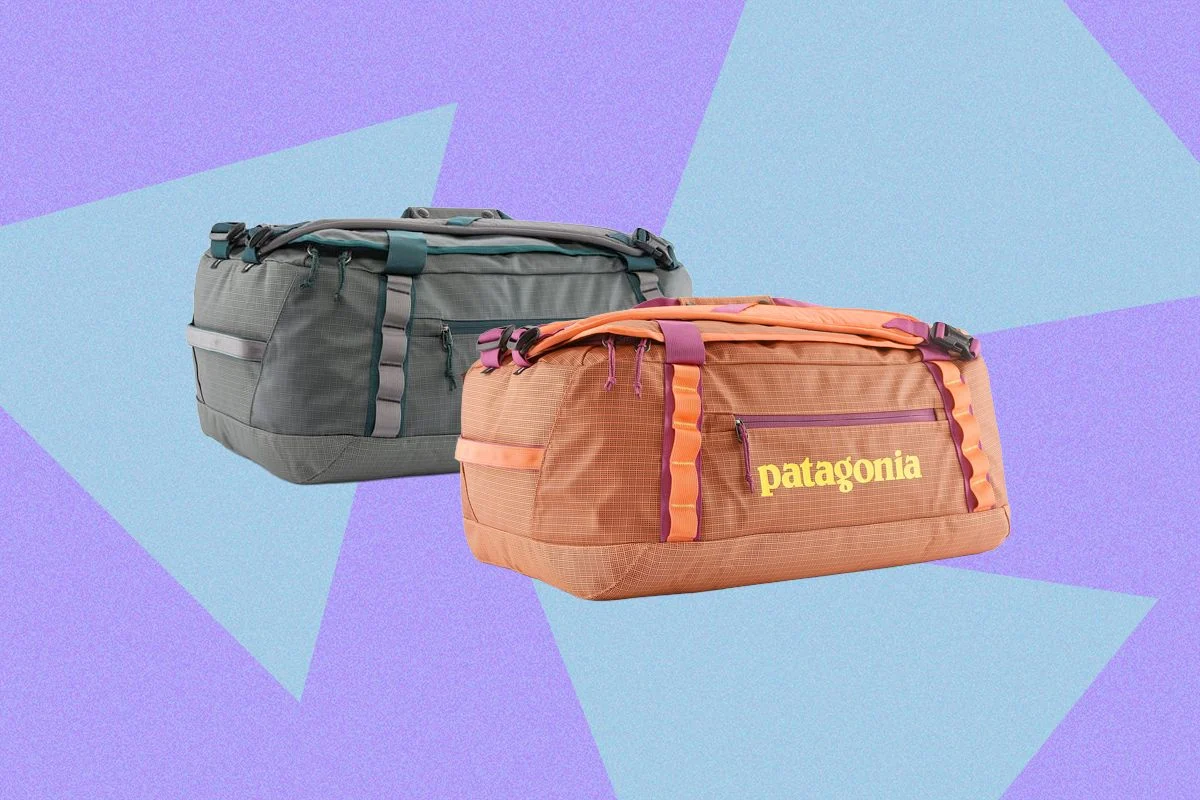
For those prioritizing environmental sustainability and extreme durability, the Patagonia Black Hole Duffel (40L) remains a top-tier recommendation. Patagonia’s "Black Hole" line has gained a cult following among field researchers and professional athletes. The bag is constructed from 100% recycled polyester ripstop with a TPU-film laminate, providing a high level of weather resistance.

The 40-liter variant, priced at $165, is specifically designed to meet most airline carry-on requirements. Industry experts often point to Patagonia’s "Ironclad Guarantee" as a significant factor in its market dominance, providing consumers with a long-term insurance policy against gear failure. The bag’s internal organization, including mesh pockets in the lid, addresses the common criticism that duffels lack the organizational structure of traditional suitcases.
Rux Duffel Box: The Modular Innovation
A notable shift in the industry is the move toward modularity, exemplified by the Rux Duffel Box. Available in 55-liter and 75-liter configurations (ranging from $180 to $270), the Rux system challenges the traditional definition of a bag. It functions as a hybrid between a rigid gear bin and a collapsible duffel. This modularity allows users to organize gear into smaller "components" that fit perfectly within the main vessel. This is particularly relevant for "overlanding" enthusiasts and photographers who require structured protection for expensive equipment but need the flexibility of a soft-sided container.
Etronik Gym Bag: The Value Engineering Segment
In the budget-conscious sector, the Etronik Gym Bag has seen significant traction, often retailing for as low as $20 to $37. This model represents the "value engineering" trend, where essential features such as a dedicated shoe compartment and a USB charging port are offered at a fraction of the cost of premium brands. While it may lack the technical fabric specifications of an Eastpak or Patagonia, its popularity on e-marketplaces indicates a strong demand for specialized organization in the sub-$50 price bracket.
Chronology of Product Testing and Quality Assurance
The vetting process for these travel solutions involves a multi-stage testing chronology designed to simulate years of wear in a matter of weeks. The following methodology is employed by industry testers to ensure objective results:
- Capacity and Compression Testing: Bags are filled to their maximum liter capacity with standardized clothing units. Testers then evaluate the integrity of the zippers (often YKK grade) under high tension.
- Environmental Exposure: Bags are subjected to simulated rainfall and varying temperatures to test the efficacy of TPU coatings and DWR (Durable Water Repellent) finishes.
- Ergonomic Stress Analysis: This involves "real-world" transport, including long-distance walking while wearing the bag in backpack mode to check for pressure points and weight distribution.
- The "Overhead Bin" Metric: Bags are tested against the dimensional templates of major domestic and international airlines (typically 22 x 14 x 9 inches) to confirm carry-on compliance.
- Long-term Durability Simulation: This includes "toss tests" and handle-spinning maneuvers to simulate the rough handling typical of airport baggage carousels.
Future testing cycles, scheduled for late 2024 and 2025, are expected to include new iterations from The North Face, Yeti, and Peak Design, as these brands move toward more integrated technology, such as built-in GPS tracking and biometric locks.
Supporting Data: Material Science and Consumer Trends
To understand why certain bags outperform others, one must look at the denier (D) rating of the fabrics used. Denier is a unit of measure for the linear mass density of fibers.
- High-End Duffels: Typically utilize 600D to 1200D recycled polyester or nylon. For context, 1200D is nearly puncture-proof under normal travel conditions.
- Waterproofing: The transition from PVC coatings (which are environmentally damaging) to TPU coatings has allowed bags to remain lightweight while becoming more resistant to chemicals and oils.
According to a 2023 consumer survey, 72% of frequent travelers cited "versatility of carry" as their most important feature, followed by "water resistance" (64%) and "sustainability of materials" (51%). This data explains the market’s current pivot toward convertible duffel-backpack hybrids.

Airline Regulations and Impact on Design
A critical factor influencing duffel bag design is the increasingly stringent enforcement of carry-on dimensions by global airlines. The International Air Transport Association (IATA) provides guidelines, but individual carriers often set their own limits.
The flexibility of a duffel bag provides a tactical advantage over hard-sided luggage in this regard. Because they lack a rigid frame, duffels can be "squashed" into measuring sizers or crowded overhead bins. However, this has led to the rise of "compression straps" in bag design, allowing users to reduce the physical volume of the bag once it is packed, ensuring it meets airline staff approval.
Market Implications and Future Outlook
The implications of these design trends extend beyond mere consumer convenience. As brands like Baboon to the Moon and Dagne Dover enter the space with high-fashion aesthetics combined with technical utility, the duffel bag is becoming a lifestyle statement.
Furthermore, the industry is seeing a move toward "circularity." Patagonia’s "Worn Wear" program and similar initiatives by other high-end manufacturers suggest a future where duffel bags are not disposable goods but long-term investments that are repaired rather than replaced. This shift is expected to put pressure on budget manufacturers to improve the repairability of their products.
In conclusion, the selection of a duffel bag in 2024 is no longer a simple purchase but a decision based on technical requirements, travel frequency, and environmental values. The Eastpak Duffel Pack S Tarp and the Patagonia Black Hole series represent the current pinnacle of this gear category, offering a blend of historical reliability and modern material innovation. As travel continues to evolve in a post-pandemic world, the gear that facilitates it will likely become even more specialized, durable, and integrated into the digital lives of travelers.
