

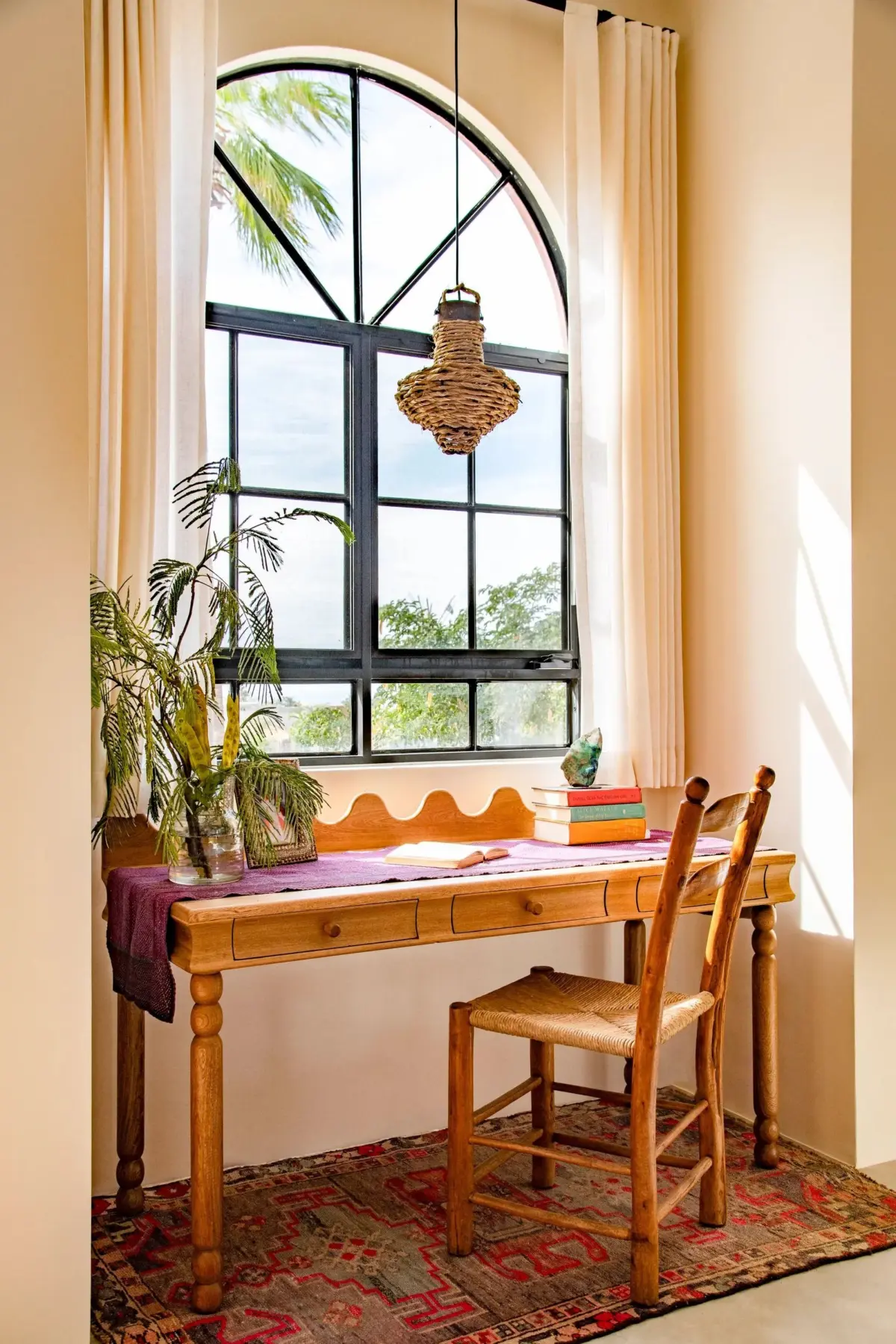
The traditional boundary between domestic comfort and professional utility has dissolved, giving rise to a new era of interior design where office furniture is no longer a utilitarian afterthought. For decades, consumers were forced into a binary choice: select aesthetically pleasing furniture that offered little physical support, or succumb to a "cubicle-coded" environment defined by grey plastic and rigid ergonomics. Today, the leading retailers in the home office sector are proving that high-level performance and high-end design are not mutually exclusive. As the global workforce settles into permanent hybrid and remote models, the demand for furniture that supports both posture and personal style has reached unprecedented levels. Industry data suggests that the global home office furniture market, valued at approximately $30 billion in 2020, is projected to expand significantly through 2030, driven by a shift toward "resimercial" design—a blend of residential aesthetics and commercial-grade durability.
The Evolution of the Home Workspace: A Chronology of Design
The journey to the modern home office has been defined by three distinct phases. In the mid-20th century, the home office was a luxury reserved for executives, often featuring heavy, dark wood "partner desks" and leather chairs that prioritized status over spinal health. By the 1980s and 90s, the rise of the personal computer introduced the "computer desk," a bulky, multi-tiered station designed to house CRT monitors and towers, often sacrificing style for wire management.
The most dramatic pivot occurred in 2020. At the onset of the global pandemic, millions of workers transitioned to makeshift workspaces on dining tables and sofas. However, as the "temporary" shift became permanent, the health implications of poor ergonomics became a public concern. According to the Bureau of Labor Statistics, the average American office worker spends nearly nine hours a day seated. Without proper lumbar support and adjustable surfaces, this sedentary lifestyle contributes to a rise in musculoskeletal disorders, which cost the U.S. economy an estimated $45 billion to $54 billion annually in lost productivity and healthcare expenses. In response, retailers have revolutionized their offerings, integrating clinical ergonomic research into pieces that complement modern home decor.
Legacy Performance: Herman Miller and the Midcentury Standard
Herman Miller remains the benchmark for those seeking a marriage of historical significance and engineering excellence. The brand, which established itself as a pioneer of the midcentury modern movement, has spent decades proving that iconic design becomes a standard rather than a trend. The investment required for a Herman Miller piece—often ranging from $2,000 to $4,000—is justified by the company’s rigorous testing and long-term durability.
The Airia Desk is a prime example of this philosophy, featuring a streamlined silhouette that conceals sophisticated cable management and storage solutions. Complementing these surfaces are the Eames Soft Pad chairs, originally designed by Charles and Ray Eames. These chairs introduce a "hit of color" and plush comfort into the workspace without the visual weight of a traditional task chair. Herman Miller’s influence extends beyond the home, as their "contract-grade" certification ensures that these pieces can withstand 24/7 usage, a requirement often absent in budget-tier furniture.
The Ergonomic Frontier: Branch and the New Accessibility
While legacy brands occupy the high-end market, newer entrants like Branch have democratized ergonomic support. Branch has gained significant traction among remote professionals by stripping away the unnecessary "bells and whistles" of corporate furniture and focusing on high-impact adjustments. The Branch Ergonomic Chair Pro, priced at a more accessible $499, features a customizable support system that addresses the primary pain points of long-duration sitting.
Audrey Lee, a prominent shopping editor and industry observer, notes that the efficacy of such furniture lies in its ability to mitigate the physical toll of a static position. "The chair’s fully customizable support system makes it easy to spend long hours in a static position with all the adjustments you need to feel more comfortable throughout the work day," Lee states. This shift toward "active sitting"—where the chair moves with the user—is a direct response to health data suggesting that micro-movements during the workday are essential for circulatory health and focus.
Curating Icons: 2Modern and the Designer Perspective
For the "icon collector," retailers like 2Modern serve as a bridge between high-concept design and functional utility. By stocking vetted brands such as Gubi, Fritz Hansen, and Kartell, 2Modern caters to a demographic that views the home office as a gallery of creative expression. The Fritz Hansen Series 7 task chair, designed by Arne Jacobsen, remains a standout for its ability to inspire confidence through its architectural form.
Shopping writer Julia Harrison, who tested the Series 7, highlights the psychological impact of well-designed furniture. "It’s elevated, a hallmark of sophisticated design… a comfortable choice in which I feel, actually, quite powerful in my craft," Harrison observes. This sentiment aligns with the concept of "enclothed cognition" applied to environments—the idea that the quality and style of one’s surroundings can directly influence cognitive performance and professional self-perception.
The Executive Home: West Elm and Arhaus
The "executive" aesthetic has also seen a residential makeover. West Elm has successfully captured the "Mad Men" era’s glamour, utilizing warm walnut woods, rich performance upholstery, and brushed metal accents. This style prioritizes a sense of gravitas, making the home office feel like a destination rather than a corner of a room. Pieces like the Ronan Office Chair are designed with a "no-frills" approach that Lee suggests helps minimize distractions, facilitating the "deep work" state necessary for high-level productivity.
In contrast, Arhaus focuses on the "hidden functionality" of investment pieces. The Towry Executive Desk, crafted from solid mahogany and mahogany veneers, features concealed doors for paperwork and an open center shelf for personal styling. This approach acknowledges that the home office is often a multi-purpose space; when the workday ends, the furniture should revert to being a handsome part of the home’s architecture rather than a glaring reminder of unfinished tasks.
Professional Pedigree: Haworth and Steelcase
For those who prioritize efficiency and research-backed results, Haworth and Steelcase offer furniture born from decades of serving Fortune 500 companies. Haworth’s Breck Chair is noted for its intuitive assembly and breathable backrest, catering to the "prosumer" who demands office-level performance in a residential setting.
Steelcase, a company with over a century of experience in workplace science, focuses on the "intuitive" use of furniture. Their Gesture chair is frequently cited by experts for its adaptability to various postures, including those adopted when using tablets or smartphones. Senior shopping editor Nashia Baker emphasizes the importance of material quality in these high-use items. "The material is smooth and easy to clean… the seat is also comfy, offering a little give and bounceback, so there’s no dipping after sitting for hours on end," Baker notes. This "bounceback" is a critical metric in furniture engineering, ensuring that the foam and support structures do not degrade over time, a common failure in low-cost alternatives.
Contemporary Aesthetics: Lulu and Georgia and Crate & Barrel
The final frontier of home office design is defined by contemporary, trend-forward retailers like Lulu and Georgia and Crate & Barrel. These brands leverage collaborations with "tastemakers" and designers such as Aimee Song, Athena Calderone, and Jake Arnold to create pieces that feel "chic as they are practical."
Lulu and Georgia’s Ortega desk, with its curved, kidney-bean silhouette, reflects the broader interior design trend toward organic shapes. These forms are psychologically proven to reduce stress compared to sharp, angular furniture. Meanwhile, Crate & Barrel offers a "moodier" take on the workspace, using burl wood textures and academic-leaning color palettes like olive green. These designs cater to a growing segment of the market that views the home office not just as a place of work, but as a sanctuary for intellectual pursuit.
Implications for the Future of Work and Real Estate
The rise of high-quality home office furniture has broader implications for urban planning and residential real estate. As the "home office" moves from a desk in the bedroom to a dedicated, professionally furnished suite, the value of extra square footage in residential properties has increased. Architects are now reporting that a "zoom room" or a dedicated office is the most requested feature in new home constructions.
Furthermore, the shift toward high-end home furniture suggests a long-term commitment to the hybrid work model. Corporations are increasingly offering "stipends" for home office setups, recognizing that a comfortable employee is a more productive one. This transition reflects a fundamental change in the "social contract" of work: the employer provides the digital infrastructure, while the employee curates a physical environment that optimizes their specific needs.
Ultimately, the best office furniture stores of 2024 are those that refuse to compromise. By integrating the rigorous standards of commercial engineering with the diverse aesthetics of residential design, these retailers are helping the modern worker build a space that supports the body, satisfies the eye, and sustains the professional spirit. Whether it is an iconic Eames chair or a streamlined Steelcase desk, the modern workspace is no longer about fitting into a cubicle—it is about fitting work into a life well-designed.
