

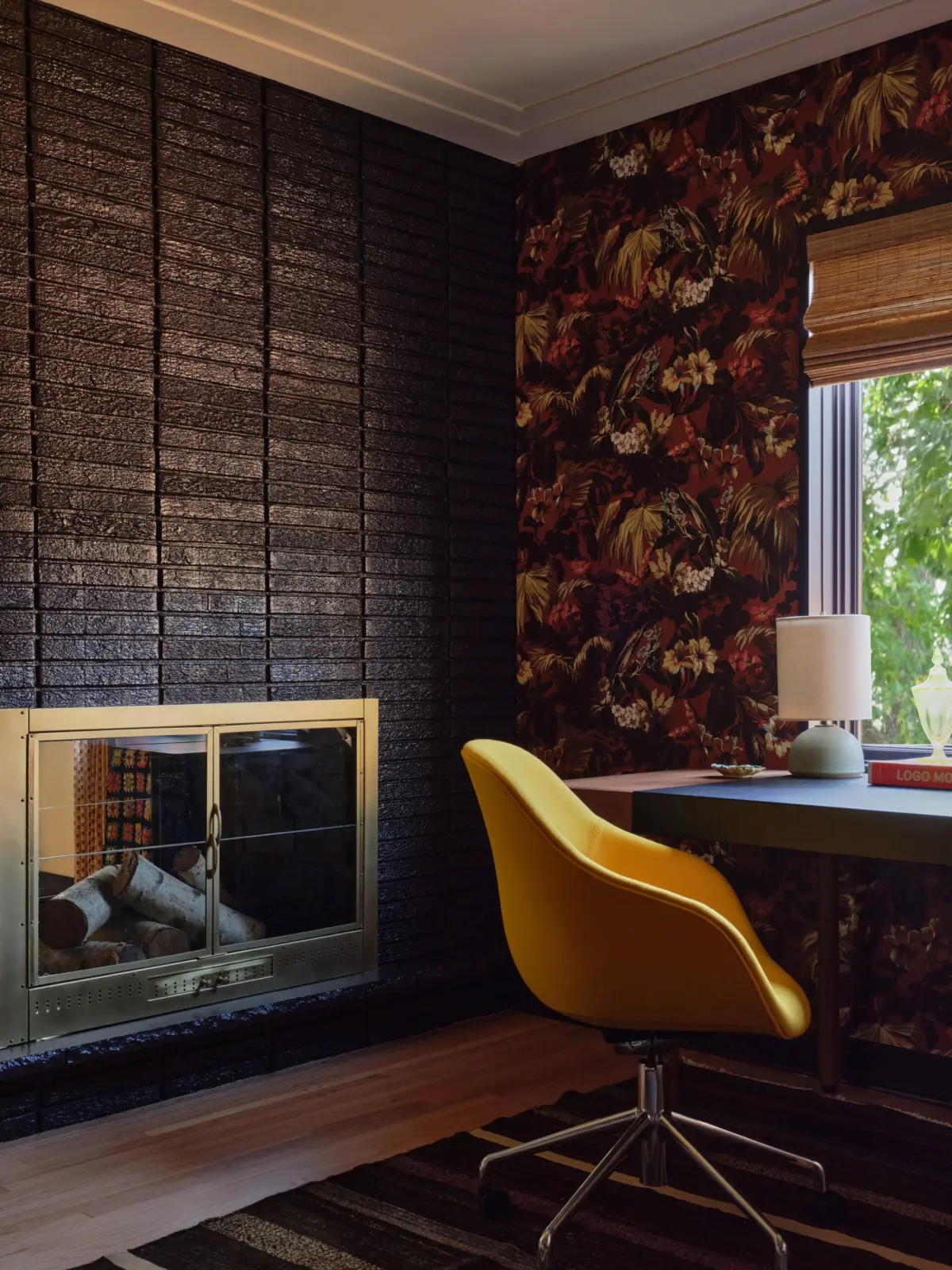
The global shift toward remote and hybrid work models has fundamentally altered the interior landscape of the modern home, necessitating a transition from temporary kitchen-table setups to permanent, ergonomic workstations. While the initial appeal of working from home centered on the elimination of the daily commute and a more relaxed professional dress code, the long-term reality has highlighted a significant physical challenge: the sedentary nature of digital labor. Health professionals have increasingly warned of the risks associated with "sitting disease," a term used to describe the metabolic and musculoskeletal issues stemming from prolonged inactivity. In response, the furniture industry has undergone a design revolution, moving away from the industrial, clunky aesthetics of traditional office equipment toward height-adjustable standing desks that harmonize with residential decor.

The emergence of these "resimercial"—a blend of residential and commercial—designs allows professionals to alternate between sitting and standing throughout the eight-hour workday without compromising the visual integrity of their living spaces. Modern engineering has enabled manufacturers to conceal electric motors, integrate sophisticated cable management, and utilize premium materials like walnut, ash, and leather. This evolution ensures that the home office remains a productive environment during business hours and an attractive part of the home once the clock stops.
The Ergonomic Imperative and Market Growth
The demand for height-adjustable desks is supported by a growing body of medical research. According to data from the Mayo Clinic, prolonged sitting has been linked to a cluster of health conditions, including obesity, increased blood pressure, high blood sugar, and abnormal cholesterol levels. Conversely, the use of standing desks has been shown to reduce back pain, improve energy levels, and potentially lower the risk of heart disease.
.jpeg)
This health-conscious shift has fueled a massive expansion in the global standing desk market. Industry analysts project that the market will continue to grow at a compound annual growth rate (CAGR) of over 5% through 2030. As the market matures, consumer preferences have shifted from basic utility to aesthetic sophistication. The modern professional is no longer satisfied with a "T-leg" metal desk that looks out of place in a bedroom or living room; there is now a premium on sculptural forms, tactile surfaces, and silent operation.
Top Market Contenders: A Comparative Analysis
To assist consumers in navigating the saturated market of ergonomic furniture, industry experts and editors have identified several standout models that cater to various needs, ranging from budget-conscious minimalist setups to high-end executive "splurge" pieces.
.jpeg)
Best for Budget-Conscious Minimalists: The Branch Duo Standing Desk
The Branch Duo has solidified its position as a favorite among design editors for its Scandinavian-inspired silhouette and approachable price point, typically retailing around $549. Unlike many entry-level desks that feel flimsy, the Duo offers a thoughtful ecosystem of accessories, including felt-lined drawers and integrated desk perches. Its capacity for customization makes it a high-value option for those who prioritize organization without the corporate aesthetic.
A Departure from Corporate Leggings: Herman Miller Spout Sit-to-Stand Table
For those seeking to avoid the "T-leg" look entirely, the Herman Miller Spout offers a more traditional four-leg base. This design choice allows the piece to function visually as a standard writing desk while housing sophisticated height-adjustment technology. With a starting price near $2,895, it targets the design-forward professional who values premium materials like walnut and ash paired with functional details like concealed headphone hooks and integrated storage.
.jpeg)
Solutions for Urban Constraints: Herman Miller Passport and West Elm Midcentury
In metropolitan environments where square footage is at a premium, compact desks are essential. The Herman Miller Passport Work Table features a single-column base and casters, allowing for easy mobility within a studio apartment or multipurpose room. Similarly, the West Elm Midcentury Adjustable Desk utilizes a manual lift-top mechanism, negating the need for a proximity to power outlets. At 36 inches wide, it is specifically engineered for small nooks and bedroom corners.
The Intersection of Luxury and Technology: Geiger New Canaan
The Geiger New Canaan Sit-to-Stand Desk represents the pinnacle of executive home office furniture. Retailing at approximately $5,495, the desk features an inset leather writing surface and a fully wood-finished construction. The motors are entirely concealed within the legs, and the height is adjusted via a discreet button tucked beneath the desktop. This model is designed for those who view their home office as a permanent, high-investment extension of their professional identity.
.gif)
A Chronology of the Standing Desk Evolution
The standing desk is not a modern invention but rather a rediscovered tool of the intellectual elite. Historical records show that prominent figures such as Thomas Jefferson, Charles Dickens, and Ernest Hemingway utilized standing desks to maintain focus and physical vigor.
- The 18th and 19th Centuries: Standing desks were bespoke items for the wealthy and the scholarly, often used in libraries and counting houses.
- The Late 20th Century: The rise of the computer age initially tethered workers to heavy monitors and fixed desks, leading to a surge in repetitive strain injuries and back issues.
- The 2010s: Tech giants in Silicon Valley began popularized standing desks as part of a "wellness-oriented" office culture. However, these models were largely industrial and aesthetic-neutral.
- 2020-Present: The COVID-19 pandemic forced millions to work from home, sparking a demand for desks that looked like furniture rather than laboratory equipment. This led to the current "Sleek Desk" era, characterized by the Rove Concepts Athena and the BDI Luma Lift.
Design Innovations: Sculptural and Tech-Integrated Options
The Rove Concepts Athena Standing Desk serves as a case study in the "sculptural" movement. Inspired by Grecian fluted columns, its base entirely hides the mechanical components, making it nearly indistinguishable from a piece of high-end art. Testing by contributors at Architectural Digest highlighted the "near-silent" operation of its motor, a critical feature for those working in shared residential spaces.

Conversely, the Burrow Copilot Standing Desk addresses the needs of the modern "power user." It features a dedicated space for clamp-on monitor arms, recognizing that many professionals now utilize dual-screen or ultra-wide setups. By integrating these technical requirements into a walnut-finished frame, Burrow has successfully balanced the needs of a mission-control-style setup with the warmth of home design.
Industry Response and Implementation Challenges
The furniture industry’s move toward high-design standing desks has not been without challenges. Engineering a desk that remains stable at its maximum height—often up to 48 inches—requires precision counter-weighting and high-quality motor synchronization. Cheaply made standing desks are notorious for "monitor wobble," a phenomenon that can cause significant eye strain and distraction.

Official responses from design houses like Herman Miller and BDI emphasize that the "hidden" technology is the most expensive part of the manufacturing process. "The goal is to provide a seamless transition between postures," noted one industry spokesperson. "The user shouldn’t have to think about the motor; they should only think about their work."
Broader Impact and Future Outlook
The integration of height-adjustable desks into the home is part of a broader trend toward "biophilic" and "ergonomic" living. As the line between office and home continues to blur, the demand for furniture that supports human health while satisfying aesthetic desires is expected to reach new heights.
.jpeg)
The economic implications are also significant. Homeowners are increasingly viewing high-quality office furniture as a capital investment in their long-term health and productivity. The "throwaway" culture of cheap, flat-pack office furniture is being replaced by a preference for durable, sustainable pieces like the Article Torme or the BDI Luma Lift, which use satin-etched glass and solid wood finishes.
In conclusion, the evolution of the standing desk from a clunky medical necessity to a sleek center-piece of home design reflects a deeper cultural shift. Professionals are no longer willing to sacrifice their physical well-being or their home’s beauty for the sake of a paycheck. The nine desks highlighted in this analysis represent the current gold standard in this new era of work, proving that the most productive office is one that "just works" both mechanically and aesthetically.
