

Defining the aesthetic essence of a nation as geographically and architecturally diverse as the United States requires a nuanced evaluation of natural landscapes, historical preservation, and cultural vitality. From the rugged, granite-lined coasts of Maine to the Mediterranean-inspired enclaves of Central California, the American small-town landscape serves as a living museum of design and communal identity. A comprehensive survey of the most beautiful locales in the country reveals that the criteria for "living beautifully" often transcend mere scale, favoring instead a harmonious integration of the built environment with its natural surroundings. This analysis explores the architectural significance, historical development, and socio-economic impact of these quintessential American towns, highlighting how specific enclaves in each state have come to define the national standard for aesthetic excellence.

The Intersection of Nature and Architecture: A Regional Overview
The American landscape is characterized by its regional variety, which is reflected in the architectural vernacular of its small towns. In the Northeast, the aesthetic is often defined by dense tree canopies and colonial-era structures that emphasize durability and classic proportions. Stonington, Maine, serves as a primary example of this tradition. As a working fishing village located on the southern tip of Deer Isle, Stonington’s beauty is rooted in its authenticity. The town is characterized by its nineteenth-century wooden buildings that climb the hillsides overlooking a harbor filled with lobster boats. The architectural integrity of Stonington is preserved through its continued reliance on traditional maritime industries, preventing the "museumification" that often affects historical coastal towns.

Moving toward the West Coast, the definition of beauty shifts toward a synthesis of dramatic topography and whimsical design. Carmel-by-the-Sea, California, represents a departure from standard urban planning. Established as an artist colony in the early 20th century, the town is famous for its "fairytale" cottages—structures designed by builders like Hugh Comstock that feature rolled eaves, stone chimneys, and asymmetrical facades. The town’s commitment to its aesthetic identity is enforced through strict zoning laws, including a prohibition on street addresses and neon signs, ensuring that the natural beauty of the Monterey Peninsula remains the focal point.

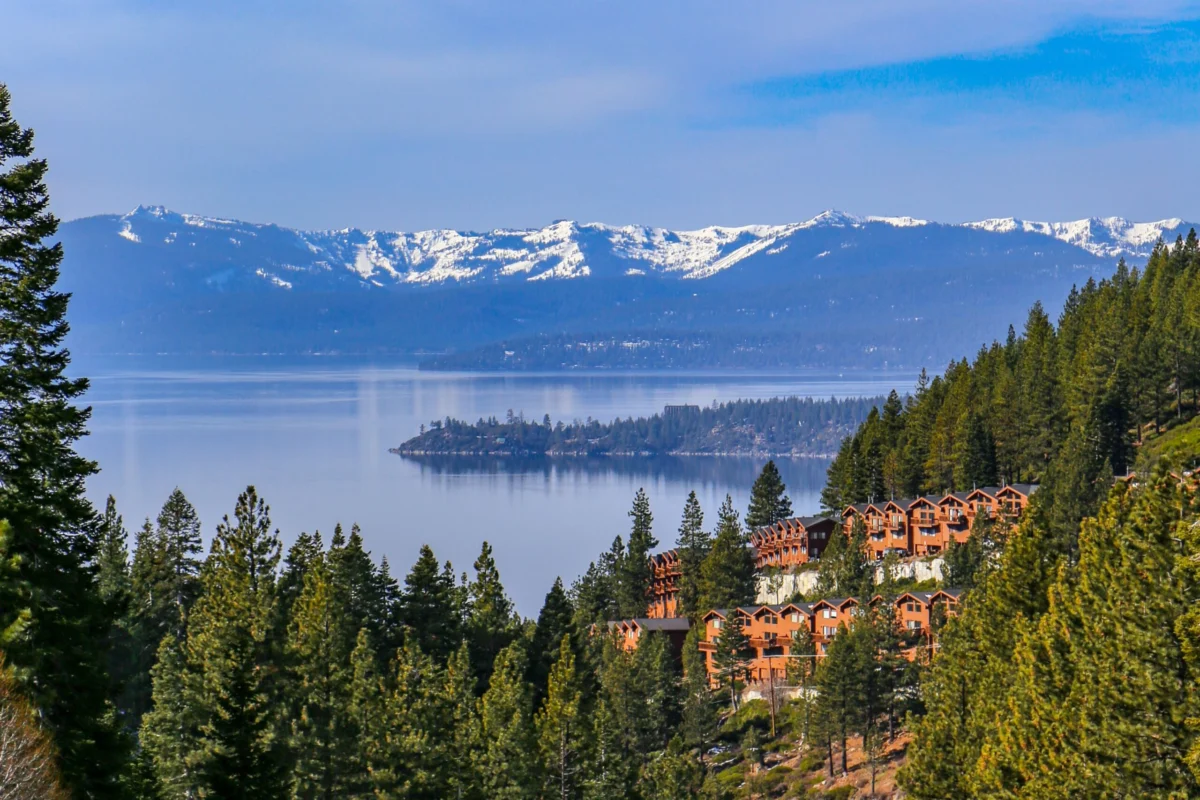
In the Mountain West, towns like Incline Village, Nevada, demonstrate how mid-century and contemporary alpine architecture can complement one of the world’s most famous natural wonders. Situated on the north shore of Lake Tahoe, Incline Village features a mix of luxury estates and mountain retreats that utilize native stone and timber. The town’s layout prioritizes views of the lake’s crystal-clear waters and the surrounding Sierra Nevada peaks, illustrating a modern approach to the "picturesque" that emphasizes environmental integration.

Historical Evolution and the Preservation Movement
The aesthetic appeal of America’s prettiest towns is rarely accidental; it is the result of decades, and sometimes centuries, of deliberate preservation and evolution. The chronology of these towns often follows a pattern of industrial origin followed by a mid-century decline and a late-20th-century renaissance driven by tourism and heritage conservation.

- Colonial and Early Federal Period (1600s–1820s): Many of the most beautiful towns in the original thirteen colonies, such as Woodstock, Vermont, or Annapolis, Maryland, established their footprints during this era. The focus was on symmetry, brickwork, and central greens.
- The Victorian and Industrial Expansion (1830s–1900): This era introduced the ornate "Painted Ladies" of Cape May, New Jersey, and the gothic revival styles found in the Midwest. Towns that were once hubs for mining or timber, such as Galena, Illinois, preserved these styles when their local economies slowed, inadvertently protecting their architectural heritage for future generations.
- The Rise of the Artist Colony (1900s–1940s): Places like Taos, New Mexico, and Provincetown, Massachusetts, became magnets for creatives. This led to a unique architectural fusion, such as the Pueblo Revival style in the Southwest, which emphasized organic shapes and earth-toned materials.
- The Post-War Preservation Act (1966–Present): The National Historic Preservation Act of 1966 provided the legal framework for many small towns to protect their historic districts. This era marked a shift in public sentiment, valuing old-growth charm over modern suburban sprawl.
Socio-Economic Impact of Aesthetic Designations
The designation of a town as "pretty" or "beautiful" by major architectural and travel publications carries significant economic implications. While these accolades drive tourism, they also present unique challenges for local governments and residents.

According to data from the National Trust for Historic Preservation, heritage tourism—travel focused on the history and architecture of a location—accounts for a substantial portion of the $1.1 trillion spent by travelers in the U.S. annually. Towns that maintain high aesthetic standards often see property values appreciate at a rate 15% to 20% higher than neighboring municipalities with less stringent design codes.

However, this "aesthetic premium" can lead to gentrification. In towns like Charleston, South Carolina, or Aspen, Colorado, the cost of living has risen to levels that often displace the working-class residents who historically maintained the town’s character. Urban planners in these regions are increasingly tasked with balancing "aesthetic sustainability" with "economic inclusivity."

Professional Reactions and Urban Planning Perspectives
Architects and urban designers argue that the beauty of these towns is not merely skin-deep; it is a reflection of "human-scale" design. "A beautiful town is one where the architecture encourages social interaction and a sense of belonging," notes a report from the Congress for the New Urbanism.

Responses from local tourism boards indicate that the "Prettiest Town" moniker is a double-edged sword. While it provides a marketing boost, it requires increased investment in infrastructure to handle the influx of visitors. In the case of towns like Sedona, Arizona, the beauty of the red rock formations and the accompanying "Southwestern Chic" architecture has necessitated strict traffic management and environmental protection strategies to prevent the "over-tourism" seen in European capitals.

Regional Variations in Architectural Vernacular
The survey of the 50 prettiest towns reveals a rich tapestry of styles that define the American experience:

- The Midwest: Towns like Pella, Iowa, showcase the influence of European immigrants, with Dutch-inspired canals and windmills that offer a "time-capsule" experience.
- The South: The aesthetic is often defined by the "Antebellum" style, characterized by grand columns and sweeping verandas, as seen in Natchez, Mississippi. However, the South also features the unique "Creole" architecture of the Gulf Coast.
- The Southwest: Here, beauty is found in the "Territorial" and "Pueblo" styles, where the built environment seems to grow directly out of the desert floor.
- The Pacific Northwest: The focus is on "Craftsman" and "Pacific Lodge" styles, utilizing heavy timbers and large glass panes to connect residents with the lush, rainy landscapes.
Broader Implications: The Future of the American Small Town
As the United States moves further into the 21st century, the definition of a "beautiful town" is expanding to include environmental sustainability. The prettiest towns of the future are likely to be those that not only preserve their historic facades but also integrate green energy, walkable streets, and native landscaping.

The "rural rebound"—a trend accelerated by the rise of remote work—has brought a new demographic of residents to these picturesque locales. This migration is sparking a modern architectural movement that seeks to honor historical contexts while providing the amenities of contemporary life. For example, new builds in towns like Bozeman, Montana, are increasingly using reclaimed wood and solar-integrated roofing to maintain the "Big Sky" aesthetic while reducing the carbon footprint.

Ultimately, the 50 prettiest towns in America serve as a testament to the enduring power of place. They remind us that architecture is not merely about shelter, but about the creation of an environment that inspires and restores the human spirit. Whether it is the salt-aired streets of a Maine fishing village or the sun-drenched plazas of a New Mexican town, these locales prove that beauty is a vital component of a thriving society. By studying and preserving these aesthetic landmarks, the nation ensures that its diverse cultural and architectural history remains a tangible part of its future.
