

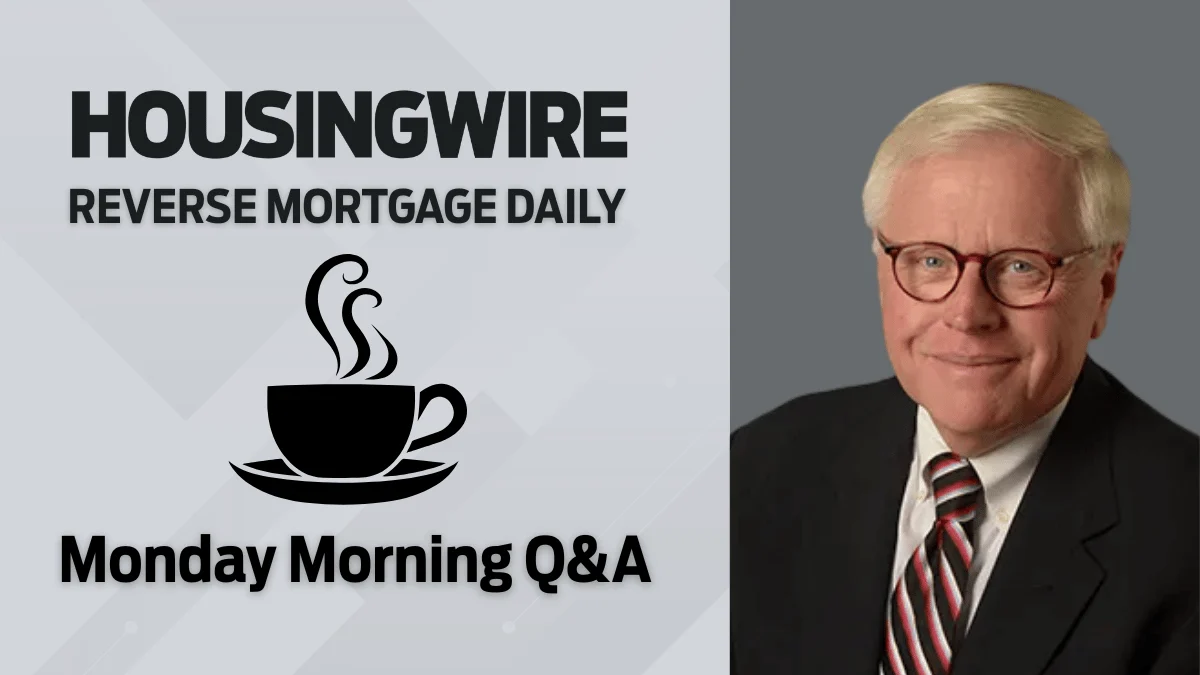
The landscape of the American mortgage industry has undergone a seismic shift over the last three years, characterized by volatile interest rates, a tightening of credit, and a historic lock-in effect for homeowners with low-interest forward mortgages. Yet, within this complex environment, John Luddy, the Senior Vice President of Reverse Lending at Supreme Lending, asserts that the reverse mortgage market is currently in its most robust position in history. Despite the prevailing narrative that high interest rates stifle borrowing, Luddy points to a confluence of record-high home equity, a growing preference for "aging in place," and a more sophisticated product suite as the primary catalysts for a market that is fundamentally stronger than ever before.
With a career spanning over four decades, including more than 25 years focused exclusively on reverse mortgages, Luddy brings a unique perspective to a niche often misunderstood by both consumers and industry professionals. His transition from a background in funeral directing—a family business—to mortgage origination has shaped his empathetic and educational approach to lending. Today, as he leads the reverse division at Supreme Lending, his focus has shifted toward institutional training, aiming to equip loan officers (LOs) with the specialized knowledge required to navigate the nuances of the senior demographic.
The Economic Foundations of a Bullish Reverse Market
The current optimism within the reverse mortgage sector is grounded in substantial economic data. According to recent reports from the National Reverse Mortgage Lenders Association (NRMLA), senior homeowners in the United States hold a record $13 trillion in home equity. This staggering figure serves as the primary engine for the Home Equity Conversion Mortgage (HECM) and private proprietary reverse products. Even as interest rates have climbed from their historic lows, the sheer volume of equity available to seniors has mitigated the impact on loan proceeds for many borrowers.
Luddy argues that the "noise" surrounding interest rates often obscures the practical utility of the product. For many seniors, the goal is not necessarily to secure the lowest possible rate, but to solve a liquidity crisis or manage cash flow in retirement. "We have strong home values, fair interest rates, and a wide range of new products," Luddy noted, highlighting that the combination addresses a critical need for a population that is living longer and increasingly resistant to moving into assisted living facilities.
The market’s strength is also bolstered by the evolution of the products themselves. Historically, the reverse mortgage was viewed as a "loan of last resort." However, the introduction of proprietary products with higher loan limits and more flexible terms has attracted more affluent borrowers who use the product as a strategic wealth management tool. This shift has expanded the addressable market, moving the product from a niche solution for the cash-poor to a sophisticated financial instrument for a broader demographic.
A Career Built on Empathy and Evolution
John Luddy’s professional trajectory offers a case study in the evolution of the reverse mortgage specialist. Starting in the funeral industry, Luddy developed a capacity for handling sensitive, life-altering conversations—a skill set that proved invaluable when he entered the mortgage business 40 years ago. After a successful period in forward mortgage origination, where he closed upwards of 500 loans annually, Luddy pivoted to reverse mortgages after witnessing the transformative impact the product had on his own mother’s quality of life.
His career path eventually led him to roles at Campbell Mortgage and Norcom Mortgage, where he was instrumental in establishing dedicated reverse lending divisions. At Supreme Lending, Luddy inherited a program that was largely underutilized. Under his leadership, the division has transformed into a training hub for "dual-citizen" loan officers—professionals who maintain their forward mortgage business while developing a specialized proficiency in reverse lending.
Luddy’s approach to training emphasizes a long-term, "perennial" strategy over the short-term "annual" approach common in high-pressure sales environments. He encourages loan officers to build organic root systems of referral partners, such as attorneys, financial planners, and in-home health care agencies, rather than simply chasing leads. "In the first year, a perennial sleeps. In the second year, it creeps. In the third year, it leaps," Luddy explained, emphasizing the patience required to succeed in the reverse space.
Addressing the Silver Tsunami and Modern Challenges
The demographic shift often referred to as the "Silver Tsunami"—the aging of the Baby Boomer generation—is creating new use cases for reverse mortgages that did not exist two decades ago. One of the most prominent emerging trends is the "silver divorce." As divorce rates among those over 50 continue to rise, the reverse mortgage has become a vital tool for dividing marital assets. Luddy cited examples of borrowers in their 90s utilizing reverse mortgages to facilitate late-life separations, allowing one spouse to buy out the other’s interest in the home without the burden of monthly mortgage payments.
Environmental and economic pressures are also driving demand. In many parts of the country, changing climate patterns and increased storm severity have led to a crisis in the homeowners insurance market. Insurance carriers are increasingly using drone technology to inspect properties, often mandating expensive repairs, such as roof replacements, as a condition for maintaining coverage. For seniors on fixed incomes, a reverse mortgage can provide the necessary capital to perform these repairs, thereby preserving their insurance and their ability to stay in the home.
Furthermore, the rise in property taxes across the United States has placed a significant burden on retirees. Even if a senior owns their home outright, the escalating cost of taxes and insurance can make a property unaffordable. The reverse mortgage serves as a safety valve, providing the liquidity needed to meet these obligations without forcing a sale in an unfavorable market.
Communication and the Psychology of Senior Lending
A significant portion of Luddy’s training focuses on the psychological and physiological aspects of working with older borrowers. He emphasizes that "mortgage malfeasance" occurs when lenders fail to offer the full spectrum of products to their clients, but he also warns that the reverse space requires a different communication style.
For instance, Luddy teaches loan officers to match the pacing of their clients. Seniors often process information at the same rate they speak; if a client speaks slowly, the loan officer must slow down to ensure the information is fully absorbed. Additionally, he highlights practical considerations like hearing loss, which is common among seniors who worked in manufacturing or military service. If a borrower cannot clearly hear the explanation of the loan terms, they are unlikely to develop the trust necessary to move forward.
The role of the adult child has also changed. While industry veterans once feared that heirs would block reverse mortgages to protect their inheritance, Luddy observes that modern adult children are often more financially stable than previous generations. They are frequently the ones encouraging their parents to utilize their home equity to improve their quality of life, rather than prioritizing a future legacy.
The Rise of the Generational Lender
As the mortgage industry faces a contraction in traditional refinancing and a competitive purchase market, Luddy posits that the future of the industry lies in "generational lending." This model involves serving a client throughout their entire lifecycle: from their first home purchase to move-up buyers, investment property acquisitions, and eventually, the transition into a reverse mortgage in their senior years.
By integrating reverse mortgages into their portfolio, loan officers can maintain relationships with clients for 30 or 40 years. This holistic approach not only stabilizes a loan officer’s pipeline during periods of high interest rates but also provides a more comprehensive service to the community.
Market Outlook and Strategic Implications
The broader implications of Luddy’s outlook suggest that the reverse mortgage is moving toward the financial mainstream. As the "aging in place" movement gains momentum, the demand for creative financing solutions will only increase. The industry currently serves only an estimated 2% to 5% of the eligible population, representing a massive untapped market for lenders who are willing to invest in education and specialized training.
While some analysts predict a challenging second half of the year due to economic uncertainty, Luddy remains steadfast in his "play the hand you’re dealt" philosophy. He views objections and high interest rates as obstacles to be looked beyond, much like a horse looking beyond a fence during a jump.
For the mortgage industry at large, the message from Supreme Lending’s reverse division is clear: the current environment is not a crisis, but a period of realignment. With record equity levels and an aging population in need of liquidity, the reverse mortgage is no longer just a financial product—it is an essential component of the American retirement infrastructure. As Luddy prepares the next generation of loan officers, his focus remains on the "transfer of positive energy" and the belief that home equity can, and should, be used to enhance the lives of the nation’s seniors.
