

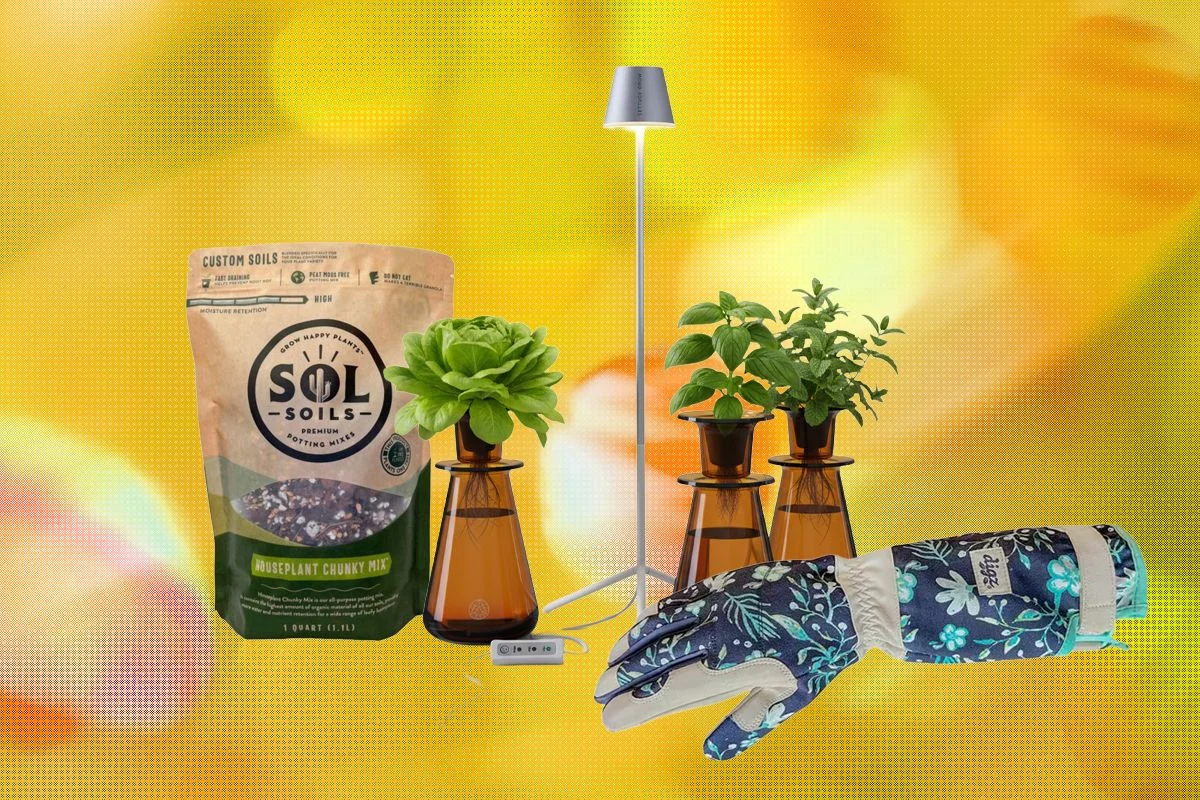
The selection of gifts for horticultural enthusiasts has transitioned from simple seed packets and ceramic pots to a sophisticated market of smart technology, specialized substrates, and regenerative systems. While the traditional perception suggests that gardeners are easy to shop for, the reality involves a complex understanding of space constraints, specific species requirements, and seasonal shifts. In the modern landscape of 2026, the distinction between indoor "plant parents" and outdoor "multi-acre farmers" has blurred, as technology allows for year-round cultivation regardless of geography. Market data indicates that the global gardening market has seen a sustained compound annual growth rate, driven largely by urban dwellers seeking to integrate nature into living spaces through hydroponics and vertical gardening.
The Evolution of Indoor Cultivation and Smart Systems
The surge in indoor gardening can be traced back to the early 2020s, when residential interest in self-sufficiency and biophilic design peaked. Since then, the industry has shifted toward aesthetic integration, where gardening tools double as home decor. A primary example is the Smart Landscape Growframe by Modern Sprout. Measuring 32 by 11 inches, this metal frame serves as a "shadowbox" for plants, utilizing low-disruption LED technology that allows plants to thrive in low-light interior rooms without the harsh glare associated with industrial grow lights.
Supporting this trend is the LetPot 100-Watt Grow Light, a full-spectrum system designed to prevent "legginess"—the weakening of plant stems due to insufficient light. Industry experts note that the integration of app-controlled scheduling has become a standard expectation for consumers. These systems allow users to adjust intensity and duration via smartphones, ensuring that even high-maintenance species receive optimal photosynthetic active radiation (PAR) during winter months.

Hydroponics and the Modern Kitchen Garden
Hydroponic technology has become increasingly accessible to the casual consumer. The Lettuce Grow Counterstand Set utilizes the Kratky method, a passive hydroponic technique where plants are suspended above nutrient-rich water. Unlike larger "Farmstand" models that require pumps and electricity for water circulation, the Counterstand relies on wicks to draw moisture, making it a silent and low-maintenance option for kitchens.
Data from consumer reports suggest that "edible decor" is a primary motivator for these purchases. While systems like the AeroGarden Harvest—a six-pod hydroponic unit—provide consistent yields of herbs and salad greens, they also serve as educational tools for those intimidated by traditional soil-based gardening. The shift toward "plug-and-play" gardening is reflected in the market’s move toward pre-seeded pods and automated nutrient reminders, lowering the barrier to entry for novice cultivators.
Data-Driven Horticulture: Soil Health and Apps
The modern gardener is increasingly reliant on data to ensure plant longevity. The Planta App has emerged as a critical tool in this sector, utilizing AI to diagnose plant pathologies and provide customized care schedules based on more than 30 parameters, including local weather data and interior light intensity. This transition from guesswork to data-driven care has significantly reduced the "failure rate" among new plant owners.
Furthermore, there is a growing emphasis on soil microbiology and regenerative practices. Products from Sol Soils, such as their Houseplant Chunky Mix, move away from generic peat-based soils toward specialized blends of coconut husk, bark, and pumice. This reflects a broader industry understanding of root aeration and drainage. To complement these substrates, the Just Good Soil test kit allows outdoor gardeners to analyze soil samples for pH and 12 essential nutrients. This analytical approach enables gardeners to remediate tired soil rather than abandoning garden plots, aligning with global sustainability goals.

Mycology and the Rise of Home Fungi Cultivation
Mushroom cultivation has moved from a niche hobby to a mainstream culinary trend. Companies like North Spore have revolutionized the "grow kit" market by shipping fresh, colonized blocks that allow for multiple harvests. The popularity of varieties such as Pink Oyster and Lion’s Mane highlights a consumer shift toward functional foods and "myco-gastronomy."
For advanced users, the introduction of the automated monotub—a humidity-controlled environment for fungi—indicates a move toward more professional-grade equipment in the home. However, environmental scientists have raised concerns regarding certain species, such as Golden Oysters, which are being investigated as potential invasive species in North America. This has led to a call for "sporeless" strains, showing how the hobbyist market must adapt to ecological realities.
Ergonomics and High-Utility Tools
As gardening scales from windowsills to larger plots, the physical demands on the gardener increase. The Gorilla Poly Garden Dump Cart represents a significant advancement in yard logistics. With a weight capacity of up to 1,200 pounds and a quick-release dump mechanism, it replaces the traditional, often unstable wheelbarrow. This shift toward ergonomic, high-capacity transport tools is essential for an aging gardening demographic and for those managing larger regenerative landscapes.
Protective gear has also seen a refinement in materials. Digz Long Cuff Garden Gloves and Vermont Glove’s goat-leather designs prioritize both tactile sensitivity and durability. The use of goat leather, in particular, offers a balance of softness and puncture resistance, essential for managing thorny species or heavy-duty landscaping.

Aesthetic Utility and Decorative Supports
The "plant as art" philosophy extends to the structures used to support them. Treleaf’s laser-cut wooden supports, such as the redwood Zella, provide a stylistic alternative to the green plastic stakes or moss poles commonly found in hardware stores. These modular systems grow with the plant, reflecting a trend toward "slow gardening" where the support is as much a part of the visual experience as the foliage itself.
Similarly, the Modern Sprout Glass Watering Can, made from borosilicate glass, emphasizes the "display-worthy" nature of modern tools. This trend suggests that consumers are more likely to engage in plant care when the tools are conveniently located and aesthetically pleasing, rather than hidden in a garage or shed.
The Cultural Impact of Gardening Gifts
The gifting of plants and gardening supplies has broader implications for mental health and environmental stewardship. The Lula’s Garden Succulent Gift Box, which uses the shipping container as a permanent planter, addresses the "disposable" nature of traditional floral deliveries. Succulents, known for their carbon sequestration and low water requirements, offer a long-term alternative to cut flowers.
Moreover, the literature surrounding gardening has evolved to include natural medicine and self-sufficiency. Vanessa Minton’s How to Grow Medicinal Herbs provides a contemporary guide to "apothecary gardening," reflecting a resurgence in interest in home-grown remedies. This educational shift encourages a deeper connection between the gardener and the biological properties of their plants.

Sustainability and Waste Management
The integration of kitchen waste management into the gardening cycle is perhaps the most significant environmental trend. The Reencle Prime Electric Composter allows urban dwellers to convert food scraps into a nutrient-rich soil additive using specialized microbes. While traditional composting requires significant space and time, these electric units accelerate the process, reducing the volume of waste sent to landfills and lowering methane emissions.
Supporting this "closed-loop" system are modular landscaping elements like Beauta’s PolyRock Edging. These faux-stone blocks, made from durable resins, offer a low-cost, flexible alternative to traditional masonry. By allowing for easy reconfiguration, they encourage gardeners to experiment with their space without the carbon footprint associated with heavy stone transport and permanent cement installation.
Chronology of Modern Gardening Trends (2020–2026)
- 2020–2021: The "Pandemic Plant Boom" leads to a shortage of seeds and indoor gardening kits.
- 2022: Introduction of AI-driven plant care apps and smart sensors.
- 2023: Market shift toward regenerative gardening and soil health awareness.
- 2024: Integration of mycology (mushroom growing) into mainstream culinary kits.
- 2025: Increased focus on native species and invasive species management in the hobbyist sector.
- 2026: Sophistication of "edible decor" and automated home composting systems.
Analysis of Future Implications
The trends represented by these 19 gift ideas suggest a future where gardening is deeply integrated with technology and sustainability. As urban populations continue to grow, the reliance on indoor hydroponics and vertical supports will likely increase. The move toward data-driven soil analysis and microbial composting indicates a shift from "ornamental" gardening to "functional" ecosystems within the home.
The economic impact is also notable; the shift from disposable gifts (like cut flowers) to "living" gifts (like the Lula’s Garden succulents or grow frames) suggests a consumer preference for longevity and experience over immediate gratification. This evolution reflects a society that increasingly values biological literacy and the tangible benefits of nurturing green spaces, regardless of the size of the garden. By 2026, the best gifts for plant lovers are those that not only provide beauty but also provide the data, tools, and systems necessary to sustain life in an ever-changing environment.
