

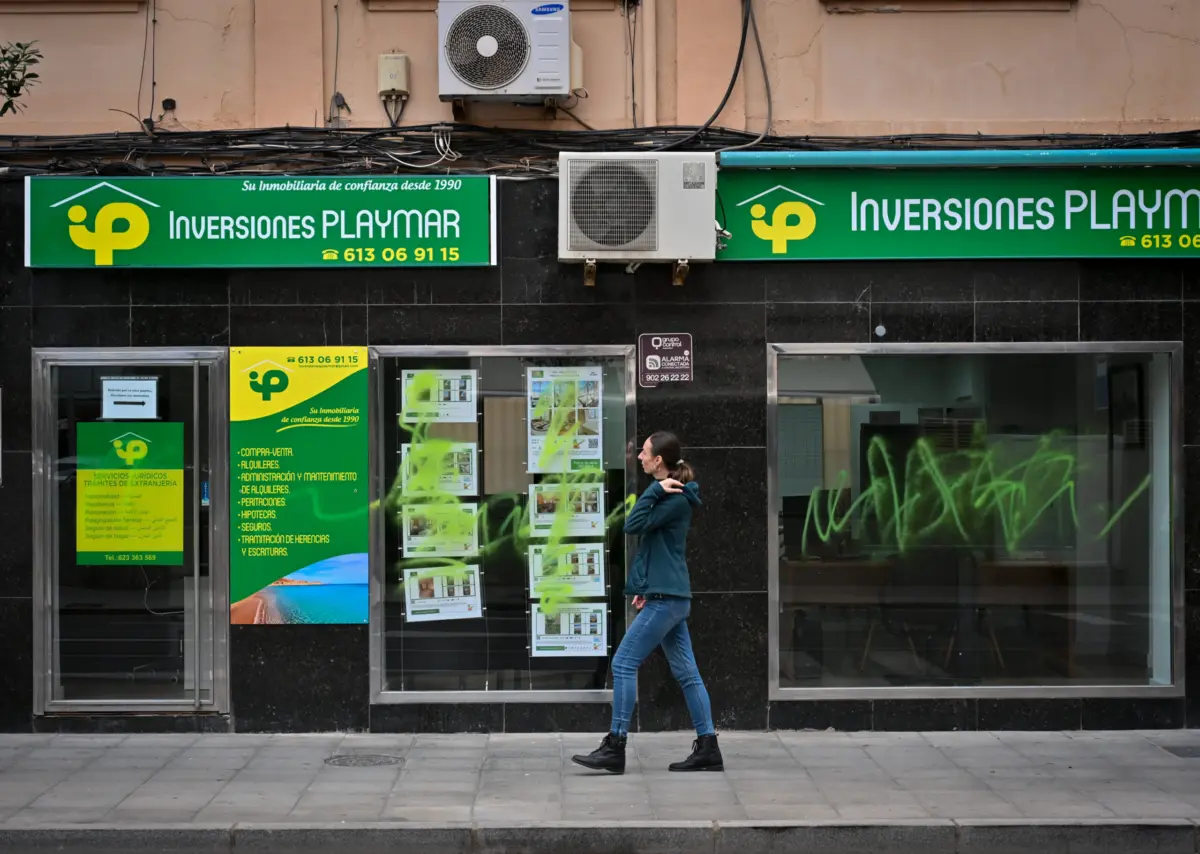
The Spanish parliament has provisionally passed a series of significant housing reforms aimed at limiting evictions and curbing real estate speculation, measures introduced by the left-wing coalition government in a bid to make housing more affordable across the nation. However, the longevity and ultimate impact of these reforms hang precariously in the balance, contingent upon the outcome of a snap general election scheduled for later in November. The conservative Popular Party (PP), currently leading in opinion polls, has explicitly stated its intention to repeal these legislative changes should it form the next government, casting a long shadow of uncertainty over the future of housing policy in Spain.
The parliamentary session on Thursday saw the interim lower house ratify critical housing measures, a day after Spain was rocked by a nationwide general strike, the first of its kind in 14 years, catalyzed by the escalating housing crisis. This legislative push comes as a direct response to months of intense public pressure, widespread protests, and a deepening affordability crisis that has gripped the country, exacerbated by soaring rental prices and a perceived lack of government action.
Deep Dive into the Reforms: A Split Decision
The government presented two distinct decrees to the parliamentary council, a strategic move to bypass a larger, more contentious vote after previous attempts to pass similar legislation failed. These decrees represented the Sánchez government’s urgent response to the social outcry.
The first decree, a cornerstone of the proposed reforms, was approved by a narrow 35-34 vote. This measure significantly extends protections against evictions for tenants identified by social services as being in a precarious financial or social position. Crucially, these protections remain in effect as long as regional authorities are unable to offer the affected individuals an immediate and viable alternative residence. This aims to prevent vulnerable households from becoming homeless, placing a greater responsibility on regional administrations to provide social housing solutions. Proponents of this measure argue it is a vital step towards safeguarding fundamental housing rights and preventing social exclusion, offering a safety net for those most at risk in a volatile market.
The second decree, however, met a different fate. This measure sought to actively reduce real estate speculation by preventing any company involved in the real estate market from purchasing properties for less than 70 percent of their market value. The intention was to deter practices that exploit distressed sellers and consolidate large portfolios of properties at undervalued prices, often leading to rapid rent increases or conversion to tourist rentals. Despite its anti-speculation aims, this decree was ultimately rejected by a vote of 34-35. The decisive factor in its failure was the centre-right Basque Nationalist Party (PNV), which, despite supporting the first decree, aligned with the right-wing bloc to vote against this particular measure. The PNV, alongside the conservative opposition, expressed concerns that such a restriction could inadvertently lead to homeowners withdrawing their properties from the rental market, fearing reduced returns or difficulties in selling. This, they argued, could trigger an even greater drop in housing supply, paradoxically driving prices even higher in an already strained market. The rejection underscores the complex interplay between social protection and market dynamics, with different political factions prioritizing different aspects of the housing challenge.
A Crisis Unfolding: Background and Chronology
Spain’s housing crisis is not a new phenomenon, but its current intensity has roots in several interconnected factors, creating a perfect storm of unaffordability. The legacy of the 2008 financial crisis, which saw a massive housing bubble burst, left a large number of foreclosed properties. Many of these were acquired by investment funds, often referred to as "vulture funds," at significantly reduced prices, which were then either sold off or rented out at market rates, contributing to the financialization of housing. Spain also possesses one of the lowest proportions of public housing in Europe, hovering around 2.5% of the total housing stock, significantly below the EU average of around 9-10%, leaving a vast segment of the population vulnerable to market fluctuations.
In recent years, a booming tourism sector has further exacerbated the problem, particularly in major cities and coastal areas. The proliferation of short-term rental platforms (like Airbnb) has led to a significant conversion of residential units into tourist accommodations, drastically reducing the supply of long-term rental housing and pushing up prices for permanent residents. This supply crunch, coupled with low wages, precarious employment – particularly among younger generations – and the recent surge in inflation and interest rates, has made securing affordable housing an increasingly insurmountable challenge for many Spaniards. According to Eurostat figures, a significant percentage of Spanish households, especially young people and low-income families, spend over 40% of their disposable income on housing, a threshold widely considered to indicate severe housing stress.
The chronology of the current political push for housing reform highlights the escalating nature of the crisis:
- September 2026: Widespread demonstrations erupted across Spain, initially focused on the general issue of housing affordability and the struggle to meet rising rental costs. These protests were driven by a growing sense of desperation among tenants and young people.
- October 2026: The crisis reached a poignant turning point with the televised eviction of 87-year-old Maria del Carmen Abascal, affectionately known as "Maricarmen," from her home. The images of an elderly woman being forcibly removed from her residence sparked national outrage and became a potent symbol of the human cost of the housing crisis. Protest camps subsequently sprang up in several major cities, with the largest establishing itself in Madrid’s iconic Puerta del Sol square. Maricarmen’s subsequent death later in October, just weeks after her eviction, caused a national uproar, intensifying public pressure on the government to act decisively.
- Late October 2026: In response to the growing public anger and the symbolic weight of Maricarmen’s case, Prime Minister Pedro Sánchez’s minority government rushed to present an initial set of two decrees. These legislative proposals aimed to introduce greater protection for tenants against evictions and ensure the automatic renewal of tenant contracts, directly addressing key demands of the protest movements.
- Early November 2026: The initial decrees faced significant parliamentary opposition. The Popular Party and other conservative factions aligned to reject the measures, arguing that the proposed laws would negatively affect the housing market by deterring investment and reducing supply. They instead advocated for a "building spree" as the primary solution to the crisis, emphasizing supply-side economics over regulatory intervention. The parliamentary failure to pass these crucial decrees led Prime Minister Sánchez to call a snap general election, moving forward a vote originally scheduled for 2027.
- November 11, 2026: The culmination of months of simmering discontent and political deadlock manifested in a nationwide 24-hour general strike. Hundreds of thousands of Spaniards took to the streets in cities across the country, walking out of work to protest soaring rents and the high cost of living. The strike, called by Spain’s main trade unions after the initial decrees were blocked, underscored the widespread public demand for immediate and effective solutions to the affordability crisis.
- November 12, 2026: Following the strike and the intensified public pressure, Prime Minister Sánchez introduced another two decrees, almost identical to the rejected ones. These were strategically presented to a smaller parliamentary council, a procedural move designed to give the government a better chance of securing their passage. This tactical maneuver ultimately paid off with the approval of the first, critical decree.
Supporting Data and Market Context

The grim reality of Spain’s housing market underscores the urgency behind these reforms. According to data from real estate portals like Idealista, average rental prices in Spain surged by over 10% in 2022, with major cities such as Barcelona and Madrid experiencing even more dramatic increases, often exceeding 20% in recent years. The national average rent per square meter has reached unprecedented levels, far outstripping wage growth, making it increasingly difficult for average-income households to afford rent.
Official data from the General Council of the Judiciary (CGPJ) paints a stark picture of the eviction crisis. In 2022, over 38,000 evictions were executed in Spain, highlighting the immense scale of the problem and the constant threat faced by vulnerable households. While this figure represents a slight decrease from pre-pandemic levels, it remains unacceptably high for social justice advocates. Furthermore, the number of empty properties in Spain remains substantial, estimated to be in the millions, even as demand for affordable housing skyrockets. This paradox fuels arguments against speculation and for measures to bring vacant properties into the rental market.
Political Battleground: Reactions and Stances
The passage of these decrees has predictably elicited strong reactions from across the political spectrum and key stakeholders:
- The Government (PSOE and Sumar): Prime Minister Sánchez and his coalition partners have framed these reforms as a necessary intervention to "guarantee the constitutional right to dignified housing" and combat "unbridled speculation." They emphasize the social justice aspect of the legislation, aligning it with broader European social policy goals aimed at protecting vulnerable populations. Ministers from the Sumar party, the left-wing junior partner in the coalition, hailed the passage as a victory for social movements, though they also acknowledged the need for more permanent and comprehensive solutions.
- The Opposition (Popular Party, Vox, and PNV): The conservative Popular Party leader sharply criticized the measures as "ideological interference" that would "paralyze the market and reduce housing supply." They argue that government intervention distorts market mechanisms, disincentivizes investment in new housing, and ultimately harms both property owners and prospective tenants. Instead, the PP advocates for policies focused on boosting construction, streamlining administrative processes for developers, and offering greater legal certainty to landlords to encourage more properties onto the rental market. Vox, the far-right party, echoed these sentiments, additionally framing the reforms as an attack on private property rights. The PNV, while supporting the eviction protections, solidified its market-oriented stance by rejecting the anti-speculation decree, fearing it would exacerbate supply issues.
- Tenant Unions and Activists: Organizations like the Sindicato de Inquilinas (Tenants’ Union) cautiously welcomed the initial passage of the eviction protection decree, stating, "This is a necessary first step, but the fight is far from over. We need permanent solutions, not temporary patches subject to political whims." They expressed relief for the immediate protections offered but voiced concern over the failure of the anti-speculation measure and the overall uncertainty posed by the snap election. Activists highlighted that while the measures address symptoms, the root causes of the crisis – lack of public housing, low wages, and unchecked financialization – still require deeper structural reforms.
- Landlord Associations and Real Estate Sector: Associations representing property owners and real estate developers voiced strong opposition to the measures, particularly the failed anti-speculation decree and the extended eviction protections. They warned of "unforeseen consequences" such as "a mass withdrawal of properties from the rental market" by landlords fearing loss of control or financial viability, and "a chilling effect on investment" in new housing projects. They argue that increased regulation creates legal uncertainty, making property ownership and rental management less attractive, thereby inadvertently reducing the overall supply of rental housing.
- Economic Analysts: The economic community offered mixed predictions. Some analysts suggested that the eviction protections could offer short-term stabilization of rents in protected areas and prevent a further surge in homelessness, thus mitigating social costs. However, others warned of potential "dual markets" emerging, where regulated segments behave differently from unregulated ones, and an increase in informal rental arrangements to bypass regulations. Concerns were also raised about the impact on institutional investors, potentially leading to a slowdown in housing development.
Implications and Future Outlook
The immediate impact of the passed decree offers a temporary reprieve for a segment of Spain’s most vulnerable tenants, providing a crucial safety net against immediate homelessness. However, the overarching theme remains one of profound uncertainty, inextricably linked to the upcoming snap election later in November.
Should the conservative Popular Party, potentially with the support of Vox, secure a majority and form the next government, their stated commitment to repealing these housing reforms would likely see the measures swiftly dismantled. This would undo the current government’s efforts and potentially revert Spain’s housing policy to a more market-driven approach, reigniting the concerns of tenant activists and vulnerable populations. Conversely, if the current progressive coalition manages to retain power, these measures could be solidified and potentially expanded, paving the way for more comprehensive housing reforms.
Beyond the immediate legislative fate, the housing crisis is poised to be a pivotal issue in the broader political landscape, deeply influencing the election campaign. The outcome will not only determine the future of these specific reforms but also shape the direction of Spain’s social and economic policies for years to come. Continued social unrest and protests are highly probable if the crisis persists or if the perceived gains in tenant protection are rolled back.
Economically, the implications are multifaceted. A more regulated market, while aiming for social equity, could face challenges in attracting investment if the real estate sector perceives it as overly restrictive. Conversely, a purely market-driven approach, as advocated by the opposition, risks exacerbating the affordability crisis and increasing social inequality. The struggle highlights a fundamental tension between the social function of housing and its role as an economic asset.
Spain’s battle with housing affordability is not unique; it mirrors similar struggles across Europe, where rising costs, financialization, and insufficient public housing have created widespread social challenges. The Spanish experience, marked by intense public protest and a dramatic political response, could serve as a case study for other nations grappling with similar issues, illustrating the complexities of balancing social welfare with economic stability.
Ultimately, the future of housing in Spain rests on the collective decision of its electorate. The upcoming snap election is not merely a political contest but a crucial referendum on the nation’s approach to one of its most pressing social and economic challenges. The precarious balance between protecting citizens and fostering a dynamic housing market will define the coming era, leaving millions of Spaniards awaiting a resolution to a crisis that touches the very foundation of their daily lives.
