

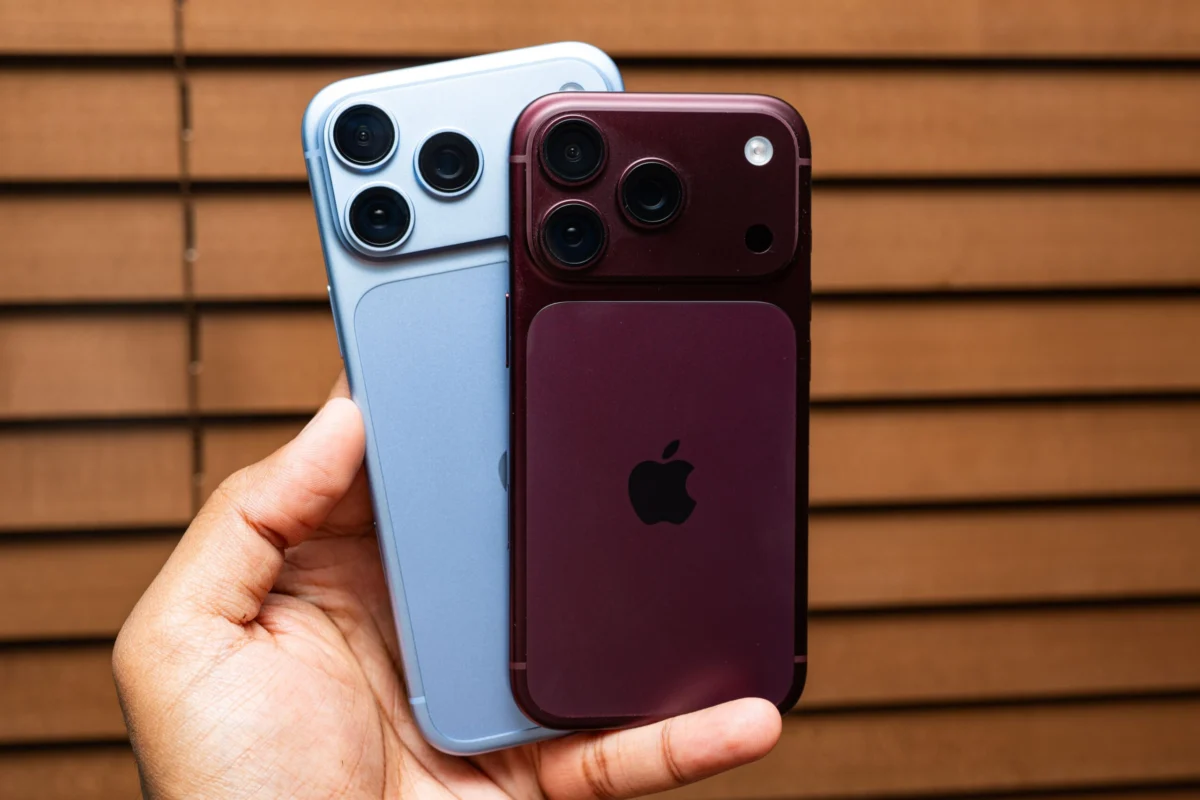
The release of the iPhone 18 Pro and iPhone 18 Pro Max marks a significant departure from Apple’s traditional hardware release cycle. For the first time in nearly a decade, the Cupertino-based technology giant has opted not to release a standard "base" model during its autumn keynote. Instead, the company is pivoting its strategy toward a high-end bifurcation: the traditional "candy bar" Pro flagships and the upcoming, ultra-premium folding iPhone Duo. This strategic shift places the iPhone 18 Pro and Pro Max in a unique position, serving as the pinnacle of conventional smartphone design while contending with a $100 price increase across the board.

The Strategic Shift: A New Release Chronology
The absence of a standard iPhone 18 this year is not merely a supply chain anomaly but a calculated move in product segmentation. Apple has signaled that the next base-tier device is slated for a spring 2027 release, likely alongside a mid-tier "iPhone 18e." This effectively extends the lifecycle of the iPhone 17 and pushes consumers toward the Pro series or the innovative foldable category.
For the "Pro connoisseur," the iPhone 18 Pro starts at $1,199, while the iPhone 18 Pro Max commands a $1,299 entry price. While these figures represent the highest entry points for the Pro line to date, the hardware improvements—particularly in thermal management and optical versatility—aim to justify the premium. However, industry analysts suggest that users currently wielding an iPhone 15 Pro or newer may find the upgrades incremental rather than transformative, a common theme in the maturing smartphone market.

Thermal Engineering and the A20 Pro Silicon
At the heart of the iPhone 18 Pro series is the A20 Pro chipset. Built on an advanced architecture that continues Apple’s lead in mobile silicon, the chip demonstrates a "surprisingly sizable leap" in synthetic benchmarks compared to the A19 Pro. In practical application, this power is directed toward two main areas: high-end gaming and generative AI.
The A20 Pro is capable of running AAA titles such as Control, a game originally designed for consoles and high-end PCs. While the port utilizes aggressive upscaling that can occasionally result in grainy textures or sluggish character movement at maximum settings, the fact that such a demanding title is playable on a handheld device remains a technical milestone.

To support this increased computational load, Apple has overhauled its internal cooling architecture. The iPhone 18 Pro features a vapor chamber with a surface area three times larger than its predecessor. This expanded cooling system is designed to dissipate heat more evenly across the device’s chassis, preventing the "hot spots" that plagued earlier models during intensive tasks. By improving thermal efficiency, the iPhone 18 Pro can maintain peak performance for longer durations before thermal throttling—the process where a phone slows down its processor to prevent overheating—takes effect.
The Optical Breakthrough: Variable Aperture Technology
The most significant hardware innovation in the iPhone 18 Pro is the introduction of a variable aperture in the primary camera. While manufacturers like Huawei and Xiaomi have experimented with this technology, Apple’s implementation focuses on user accessibility and seamless integration into the iOS ecosystem.

The aperture is the mechanical opening in the lens that controls light intake. Most smartphones use a fixed aperture, but the iPhone 18 Pro offers four distinct physical stops: f/1.48, f/1.78, f/2.8, and f/4.
- Low Light and Bokeh (f/1.48): At its widest setting, the lens allows a massive influx of light, significantly improving Night Mode performance and reducing grain. More importantly, it creates a natural, optical "bokeh" (background blur) that mimics professional DSLR cameras. This reduces the device’s reliance on "Portrait Mode" software algorithms, which can sometimes struggle with edge detection around hair or transparent objects.
- Deep Focus and Group Shots (f/4): By narrowing the aperture, the camera increases the depth of field. This ensures that in group photos or landscape shots, objects in both the foreground and background remain in sharp focus. Additionally, the f/4 setting allows for a "starburst" effect on light sources, a sought-after aesthetic in night photography.
For novice users, Apple’s "Auto" mode defaults to f/1.78 for standard scenes and f/1.48 for low light. However, for enthusiasts, the Camera app now includes native toggles for Shutter Speed and Lens Aperture, features previously reserved for third-party professional applications.

iOS 27 and the Evolution of Siri AI
The iPhone 18 Pro ships with iOS 27, an operating system deeply integrated with the next generation of "Apple Intelligence." Central to this is the overhauled Siri AI. Unlike previous iterations of the voice assistant, which relied on rigid command structures, the new Siri AI is designed for nuanced, conversational interaction.
The system is now capable of providing satisfactory answers to complex, multi-part queries and maintains better context across different applications. While it may still lack some of the creative versatility found in dedicated LLM (Large Language Model) assistants from competitors, its deep integration into the OS allows for actions that other AI cannot perform, such as cross-referencing data within private emails, calendars, and messages securely. It is important to note that while Siri AI is a headline feature of the iPhone 18 Pro, it is also backward compatible with the iPhone 15 Pro and newer models.

Design Refinement: Liquid Glass and the Shrinking Island
Visually, the iPhone 18 Pro maintains the "candy bar" aesthetic but introduces "Liquid Glass" technology on the Pro Max model, offering enhanced durability and a unique tactile feel. The color palette has shifted toward more sophisticated tones, such as a new deep Burgundy, though it eschews the more vibrant "Cosmic Orange" seen in previous cycles.
A notable design change is the reduction in the size of the Dynamic Island. The pill-shaped cutout, which houses the Face ID sensors and the front-facing camera, is smaller than ever. This reduction in footprint has allowed Apple to expand the Island’s functionality; it can now display three "Live Activities" simultaneously. For example, a user can track a navigation route, monitor a phone call, and check the status of a food delivery in a single, condensed interface at the top of the screen.

Battery Longevity and Display Performance
Battery life remains a stronghold for the Pro series. The iPhone 18 Pro Max, in particular, benefits from a denser battery cell. Testing indicates that with average use—approximately five hours of screen-on time—the device can end a day with 50% battery remaining, making it a true two-day device for many users. The smaller iPhone 18 Pro also comfortably clears a full day of heavy use, typically retaining 40% charge by bedtime.
The displays remain the industry standard for color accuracy and responsiveness, though the primary advancement this year is the increased peak brightness, which aids in legibility under direct sunlight, and the tighter integration of the ProMotion 120Hz refresh rate with the new A20 Pro GPU.

Market Implications and Competitive Landscape
Despite the hardware prowess, the iPhone 18 Pro faces stiff competition and a changing market sentiment. The $100 price hike moves the "entry-level" Pro experience further out of reach for the average consumer, especially with no base iPhone 18 available as a more affordable alternative.
In comparative testing with Google’s Pixel 11 Pro, the iPhone 18 Pro demonstrates a tendency to over-brighten dark scenes. While this results in more visible detail, it can occasionally sacrifice the intended "mood" or atmosphere of a photo. The Pixel 11 Pro, by contrast, tends to preserve shadows more aggressively, offering a more "matte" and contrast-heavy look that some photographers prefer.
.jpeg)
Furthermore, the shadow of the iPhone Duo—Apple’s first foldable—looms large. While the iPhone 18 Pro is a masterclass in the traditional smartphone form factor, the "spectacle" of the foldable Duo may distract early adopters who are willing to spend more for a transformative design.
Final Assessment
The iPhone 18 Pro and iPhone 18 Pro Max are devices of refinement and professional-grade utility. By introducing variable aperture optics and significantly improved thermal management, Apple has addressed the two most critical areas for power users: photography and sustained performance.

The decision to delay the base iPhone 18 suggests that Apple is confident the Pro models can carry the brand through the holiday season, supported by the halo effect of the folding Duo. For those who prioritize a reliable, high-performance "candy bar" phone with the most advanced camera system Apple has ever produced, the 18 Pro series is an easy recommendation—provided the $100 price increase does not outweigh the desire for a mechanical lens and a smaller Dynamic Island. For everyone else, the message from Cupertino seems to be: wait for spring, or prepare to fold.
