

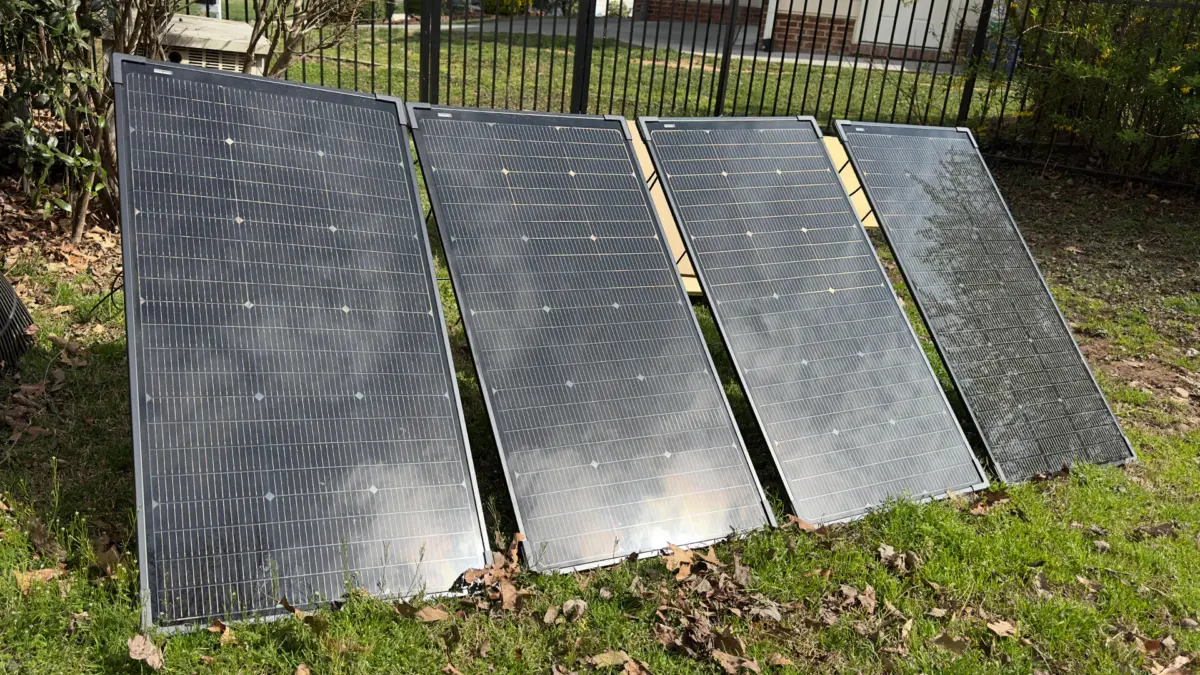
The landscape of American residential energy is undergoing a quiet but significant transformation as "plug-in" or "backyard" solar systems move from a regulatory gray area into the legislative mainstream. These systems, which allow homeowners and renters to generate electricity by simply plugging a solar panel into a standard 120-volt wall outlet, represent a radical departure from the traditional, high-cost model of professionally installed rooftop solar. While Utah led the nation as the first state to formally legalize these devices, a wave of new legislation across the United States is set to take effect between 2025 and 2027, signaling a shift in how the country manages distributed energy resources.
The Mechanics of Plug-and-Play Energy
At its core, a plug-in solar system—often marketed as "balcony solar" in Europe—consists of three primary components: one or more photovoltaic panels, a microinverter, and often a portable battery storage unit. Unlike traditional rooftop arrays that require complex wiring into a home’s main service panel and a permit-heavy interconnection agreement with a utility provider, these systems are designed for consumer-level ease of use.
When sunlight hits the panels, the microinverter converts the direct current (DC) into alternating current (AC). The system then routes this electricity through a standard three-prong plug into the home’s existing electrical circuit. According to the laws of physics, electricity follows the path of least resistance; therefore, the solar-generated power is consumed by the nearest active appliance, such as a refrigerator or a television, before the home draws additional power from the external grid. This effectively "slows down" the electricity meter, leading to lower monthly utility bills without the $20,000 to $40,000 upfront investment typically associated with full-scale solar installations.
The Legislative Timeline: 2025–2027
The legalization of these systems is not happening simultaneously across the country. Instead, it is rolling out through a series of state-specific bills, many of which have been designed with long lead times to allow utility companies to update their infrastructure and billing software.
Utah currently stands as the pioneer in this space, having passed House Bill 340, which is scheduled to become effective in May 2025. This legislation serves as a blueprint for other states, focusing on the rights of consumers to utilize small-scale generation without facing punitive fees from utility providers. Following Utah’s lead, a significant cluster of states in the Northeast and the West Coast have passed similar measures.
The implementation schedule for legalized plug-in solar is as follows:
- 2025: Utah (May)
- 2026: Vermont (July 1), Maryland (July 1), Maine (July 29), Colorado (August 12), and Connecticut (October 1).
- 2027: Virginia (January 1), New Hampshire (January 1), California (January 1), and New Jersey (March 1).
In states like New York, the "SUNNY Act" is currently awaiting a gubernatorial signature, which would provide a legal framework for thousands of apartment dwellers in New York City to utilize balcony-mounted systems. Meanwhile, Massachusetts is advancing two concurrent bills, H.5175 and S3143, which aim to streamline the adoption of small-scale solar for low-to-moderate-income households.
Why Plug-in Solar Faced Initial Bans
The historical illegality of plug-in solar in most of the United States stems from two primary concerns: electrical safety and utility revenue protection.
From a technical standpoint, American residential electrical codes, specifically the National Electrical Code (NEC), were written with the assumption that power flows in one direction—from the grid, through the breaker panel, to the outlet. Plug-in solar "back-feeds" the circuit. Critics and some electrical inspectors argue that if a solar system feeds too much current into a circuit that is already heavily loaded, it could theoretically exceed the ampacity of the household wiring without tripping the circuit breaker, creating a potential fire hazard. However, modern microinverters are designed with "anti-islanding" protection, which instantly shuts off the power flow if it detects a fault or a grid outage, significantly mitigating these risks.
The second, and perhaps more influential, barrier is the economic impact on investor-owned utilities (IOUs). Traditional utility models rely on centralized power generation and a consistent flow of revenue from residential customers to maintain the grid. Plug-in solar allows consumers to bypass the utility for a portion of their energy needs without the utility having oversight or the ability to charge "interconnection fees." In states where legislation has failed—such as Georgia, New Mexico, Oregon, and Washington—utility lobbying has often been cited by advocates as a primary reason for the lack of progress.

Economic and Social Implications
The democratization of solar energy via plug-in systems has profound implications for energy equity. Traditional solar is often restricted to wealthy homeowners who have the credit scores to secure financing and the deed to a roof. Plug-in solar, by contrast, is portable. This makes it an attractive option for the millions of Americans who rent their homes or live in multi-family housing units.
A typical 400-watt to 800-watt plug-in kit costs between $600 and $1,500. Depending on local electricity rates and sunlight exposure, these systems can pay for themselves in three to five years. For a family in a high-cost energy market like New Jersey or California, a balcony system could offset 10% to 20% of their annual electricity usage.
Furthermore, the integration of battery storage into these kits—such as the EcoFlow Stream or Anker Solix systems—allows users to store solar energy during the day and use it during "peak hours" when utility companies often charge higher rates. This "peak shaving" not only saves the consumer money but also reduces the total load on the electrical grid during periods of high demand, potentially preventing brownouts.
Official Responses and Regulatory Hurdles
The reaction from regulatory bodies has been mixed. While state legislatures are increasingly supportive, the North American Electric Reliability Corporation (NERC) and various regional grid operators have expressed concerns about the "visibility" of these systems. Because plug-in solar is not registered with the utility in the same way a rooftop system is, grid operators cannot accurately predict how much power is being generated by thousands of small backyard units.
In response, some of the new legislation includes requirements for "smart" inverters that can communicate with the grid or at least meet the IEEE 1547 standard for interconnection.
There is also the ongoing conflict with Homeowners Associations (HOAs) and landlords. While the new state laws generally prevent utilities from blocking plug-in solar, they do not always override the "aesthetic" or "safety" bylaws of a private HOA. Several states are now considering "Right to Solar" amendments that would specifically protect a tenant’s right to place a portable solar panel on a balcony or in a backyard, provided it does not cause structural damage.
A Comparative Look at the Global Market
The United States is currently trailing behind Europe in the adoption of this technology. Germany, in particular, has become a global leader in "Balkonkraftwerk" (balcony power plants). In 2024, the German government simplified the registration process and increased the allowable power limit for plug-in systems to 800 watts. This led to a surge in adoption, with over 500,000 units registered in a single year.
The success in Europe suggests that when the regulatory burden is removed, consumer demand for affordable, DIY renewable energy is immense. As the 2026 and 2027 deadlines approach for U.S. states, manufacturers are expected to ramp up production of US-spec 120V systems, likely driving prices down further through economies of scale.
The Road Ahead
As more states move toward legalization, the primary challenge will be education and standardization. Potential users must ensure their home’s wiring is up to modern standards before installing these systems, and manufacturers will need to continue improving the safety features of microinverters to satisfy skeptical building inspectors.
The failure of bills in states like Washington and Oregon serves as a reminder that the path to energy independence is not linear. However, the momentum in the Northeast and California suggests that plug-in solar is becoming an inevitable part of the American energy mix. For the average consumer, these legislative shifts represent a move toward a more modular, resilient, and affordable energy future, where the power to generate electricity is as simple as finding an open wall outlet.
