

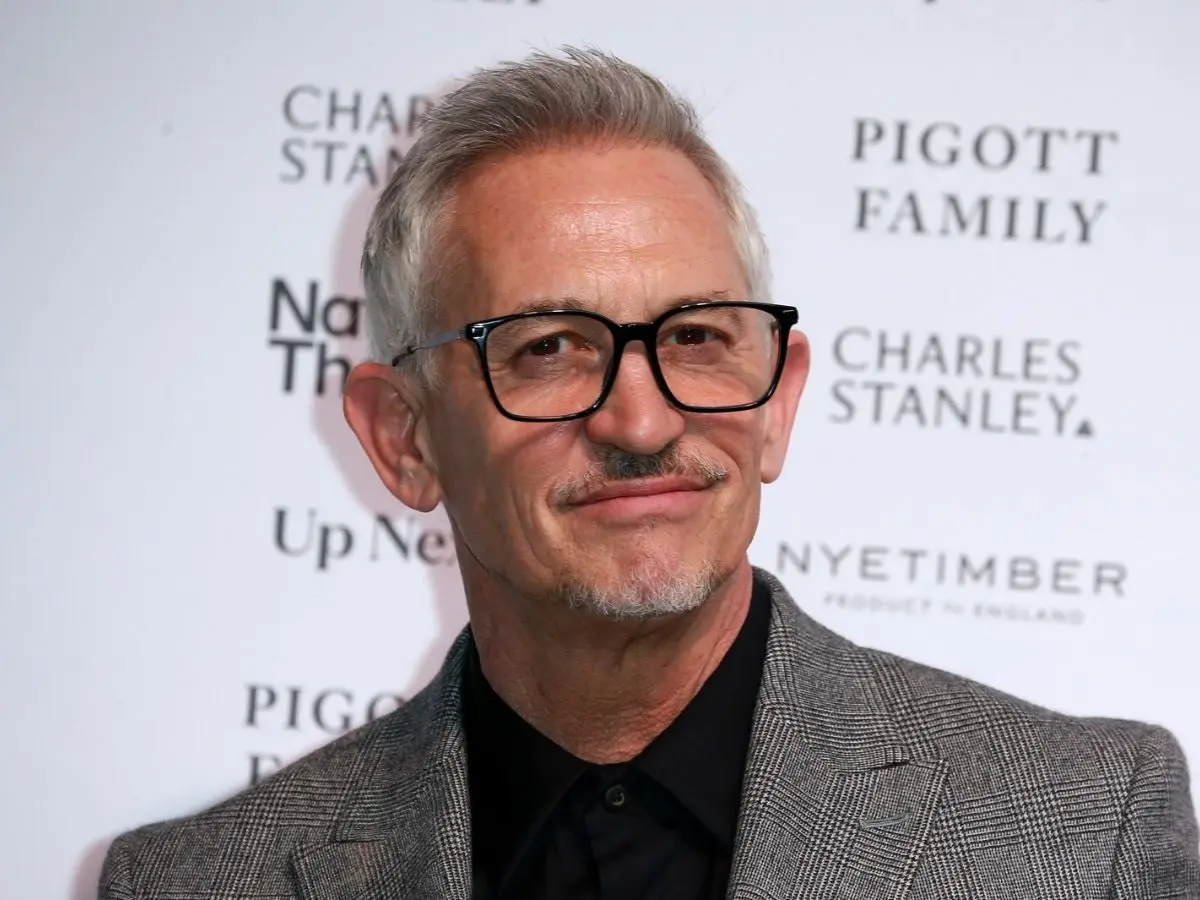
In an unprecedented move that has captured the attention of the United Kingdom’s political and economic circles, a collective of over 100 individuals identifying as "Patriotic Millionaires" has penned an open letter to Prime Minister Andy Burnham, advocating for higher taxes on their own wealth. This initiative, spearheaded by the campaign group Patriotic Millionaires UK, includes prominent figures such as television presenter and former footballer Gary Lineker and influential musician Brian Eno. The central message of their appeal is remarkably straightforward: "We can afford it."
This extraordinary plea, made during the summer months, contrasts sharply with traditional narratives surrounding wealth and taxation. While the public discourse often centers on calls for fiscal responsibility and the avoidance of higher tax burdens by the affluent, this group has chosen to proactively champion an increase in their own tax liabilities. Their collective voice suggests a growing sentiment among some of the wealthiest individuals in the UK that their financial contributions could play a more significant role in addressing national challenges and strengthening the country’s economic foundation.

The Genesis of a Bold Proposition
The Patriotic Millionaires UK initiative is not an isolated event but rather a manifestation of a broader global movement. Similar groups, such as the Patriotic Millionaires in the United States, have been vocal for years about the need for increased taxation on the wealthiest segments of society. These organizations often argue that greater wealth concentration can lead to societal inequalities and that a more progressive tax system is essential for fostering a robust and equitable economy.
The timing of this open letter to Prime Minister Burnham is particularly noteworthy. It arrives at a juncture where the UK, like many nations, is grappling with significant economic pressures, including inflation, public service funding challenges, and the ongoing need for investment in infrastructure and social programs. The millionaires’ proposal offers a potential, albeit voluntary, avenue for bolstering government revenue without directly impacting the wider population or relying on traditional tax collection mechanisms alone.
A Call to Action and Official Reactions
The response from the political establishment has been mixed. Conservative leader Kemi Badenoch, for instance, publicly suggested that Gary Lineker, if he felt so strongly about contributing more to the nation’s finances, could simply "write a cheque to the Treasury." This pragmatic, albeit somewhat dismissive, suggestion points towards a mechanism that already exists for direct financial contributions to the national exchequer.

Indeed, the UK possesses a lesser-known but long-standing facility for such voluntary donations: the "Donations and Bequests Account." This account is managed by the Commissioners for the Reduction of the National Debt (CRND), an entity that operates under the UK Debt Management Office. The primary function of cash donations received through this account is to facilitate the purchase of gilts (government bonds) for subsequent cancellation, thereby directly reducing the national debt.
Historical Roots of Voluntary Debt Reduction
The concept of individuals contributing to the national debt is not a new one. The CRND’s "Donations and Bequests Account" traces its origins back to the National Debt Reduction Act of 1823. While the account has historically seen relatively modest contributions, a significant shift occurred in the 2024-25 fiscal year. During this period, the account received an extraordinary £585 million in cash, largely sourced from the National Fund.
The genesis of the National Fund itself is a fascinating historical footnote. It originated in 1927 with a substantial donation of £500,000 from Gaspard Farrer, a banker with the esteemed firm Barings. Farrer’s intention was to contribute towards the repayment of the UK’s national debt, which, following the devastation of the First World War, stood at approximately £7.7 billion – representing a formidable 171% of the nation’s Gross Domestic Product (GDP) at the time. This historical precedent underscores a long-standing tradition, albeit one that has largely faded from public consciousness, of wealthy individuals making significant voluntary contributions to alleviate national financial burdens.

The Evolution of National Debt and Wealth
The scale of the UK’s national debt has, of course, evolved dramatically since Farrer’s era. Today, it stands at approximately £3 trillion, or around 94% of GDP. This significant increase reflects decades of economic growth, government spending, and unforeseen global events, such as financial crises and pandemics.
The resurgence of voluntary contributions, particularly from a group identifying as millionaires, can be interpreted as a reflection of contemporary societal and economic discussions. It suggests a potential reawakening of the spirit embodied by Gaspard Farrer, coupled with a modern understanding of wealth’s role in societal progress. The Patriotic Millionaires’ stated desire to leverage their wealth as a "country’s secret weapon" indicates a belief that strategic deployment of capital, potentially through increased taxation, can yield significant national benefits.
Broader Implications and Analysis
The Patriotic Millionaires’ appeal raises several critical questions and presents potential implications for public policy and the discourse on wealth distribution:

- Shifting Public Perception: The voluntary call for higher taxes from the wealthy can help to reframe the narrative around taxation. It challenges the perception that the affluent are universally opposed to contributing more and can foster a more collaborative approach to national challenges.
- Policy Innovation: While the "Donations and Bequests Account" provides a direct channel, the movement could inspire more formal discussions about wealth taxes, inheritance tax reforms, or other progressive fiscal measures. The group’s willingness to be taxed could provide political impetus for such debates.
- Social Equity and Investment: The funds generated from increased taxation on the super-rich could be earmarked for crucial public services, infrastructure projects, education, healthcare, or climate change initiatives. This aligns with the Patriotic Millionaires’ implied goal of using their wealth for the "betterment of the nation."
- Global Context: The UK initiative mirrors similar movements in other countries, suggesting a growing international awareness among the wealthy about the need for greater fiscal responsibility and a more equitable distribution of economic benefits. This could lead to coordinated international efforts on tax policy.
- Ethical Philanthropy: The movement aligns with evolving concepts of philanthropy, moving beyond traditional charitable giving towards a more systemic approach to addressing societal issues through policy and taxation. This is exemplified by the reported case of a British family voluntarily onshore their trusts for "ethical, social and moral reasons," even at a potential cost of billions in future growth. This suggests a growing consideration of broader societal impact in financial decision-making.
The Legacy of Voluntary Contributions
The story of Gaspard Farrer and the current movement of Patriotic Millionaires UK serve as powerful reminders that voluntary contributions to the national good have a historical precedent. Farrer’s anonymous generosity, revealed years later, highlights an individual’s deep-seated commitment to national financial health. The modern iteration of this sentiment, articulated by the Patriotic Millionaires, suggests that even in an era of immense wealth concentration, there remains a segment of the affluent population willing to advocate for and contribute to a more robust and equitable society.
As the group eloquently put it in their letter: "Our wealth is our country’s secret weapon – let’s get serious about using it." This statement encapsulates a call for strategic thinking about the deployment of national resources, including the vast capital held by its wealthiest citizens. Whether this movement will translate into concrete policy changes remains to be seen, but its mere existence signals a significant and potentially transformative dialogue about wealth, responsibility, and the future of the United Kingdom. The notion of "turkeys voting for Christmas" may be an idiom for self-sacrifice, but in this instance, it appears to be a group of the nation’s wealthiest individuals enthusiastically embracing the idea of contributing more to the collective good, echoing a sentiment that would surely resonate with historical figures like Gaspard Farrer.
The ongoing discussions surrounding wealth inequality and the role of the ultra-wealthy in society are complex and multifaceted. However, the actions and declarations of the Patriotic Millionaires UK provide a unique and compelling perspective, inviting a deeper examination of how wealth can be a powerful tool for national progress and sustainability. Their proactive stance challenges conventional assumptions and opens a new chapter in the ongoing conversation about economic fairness and civic duty in the 21st century.
