

In a decisive bid to position itself as a central player in the burgeoning global green economy, Paraguay has officially launched its strategy to capitalize on the international compliance carbon market. This initiative, underscored by the country’s inaugural carbon forum held in Asunción in late March 2026, marks a significant shift in the nation’s economic policy, moving from a reliance on traditional agricultural exports toward the monetization of its vast natural capital. The two-day summit brought together a diverse coalition of high-ranking government officials, international financiers, project developers, and environmental experts to outline a roadmap for a market that is expected to generate billions in climate adaptation and development funding.
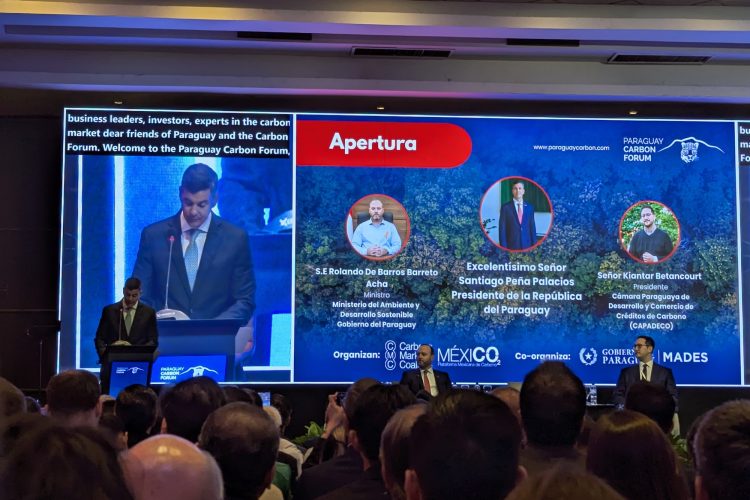
President Santiago Peña, addressing the forum’s opening session at the Palacio de los López, framed the initiative not merely as an environmental necessity but as a cornerstone of national development. According to Peña, the government’s primary objectives involve the mobilization of large-scale international investment, the enhancement of national competitiveness, and the transformation of the country’s environmental assets into tangible economic opportunities for all sectors of society. This strategic pivot comes at a time when the global community is increasingly looking toward Article 6 of the Paris Agreement to facilitate international cooperation on emissions reductions.
The Strategic Shift to Compliance Markets
The global carbon landscape is currently divided into two distinct sectors: the voluntary carbon market (VCM) and the compliance carbon market. For years, the VCM has been the primary vehicle for carbon offsetting, where private companies purchase credits to meet internal sustainability goals. However, this market has faced significant headwinds due to concerns over the integrity of projects, specifically regarding "additionality"—the proof that the carbon reduction would not have happened without the project—and "permanence"—the guarantee that sequestered carbon remains out of the atmosphere.

Paraguay is deliberately steering its policy toward the compliance market, which is governed by strict regulatory frameworks and international treaties. Under Article 6 of the Paris Agreement, countries can trade carbon credits—officially known as Internationally Transferred Mitigation Outcomes (ITMOs)—to help meet their Nationally Determined Contributions (NDCs). The financial implications of this shift are profound. While credits on the voluntary market often trade between US$5 and US$10 per tonne of CO2 equivalent, credits within the compliance market, due to their higher regulatory rigor and transparency, can command prices as high as US$40 per tonne.
Victor Gonzalez, the Director of Carbon Markets at Paraguay’s Ministry of the Environment and Sustainable Development (MADES), emphasized that the country’s goal is not volume alone but quality. By adhering to the stringent requirements of Article 6, Paraguay aims to sell "high-integrity" credits that offer greater security to buying nations, thereby securing premium pricing that can be reinvested into the domestic economy.
Paraguay’s Competitive Advantages: A Clean Slate and Clean Energy
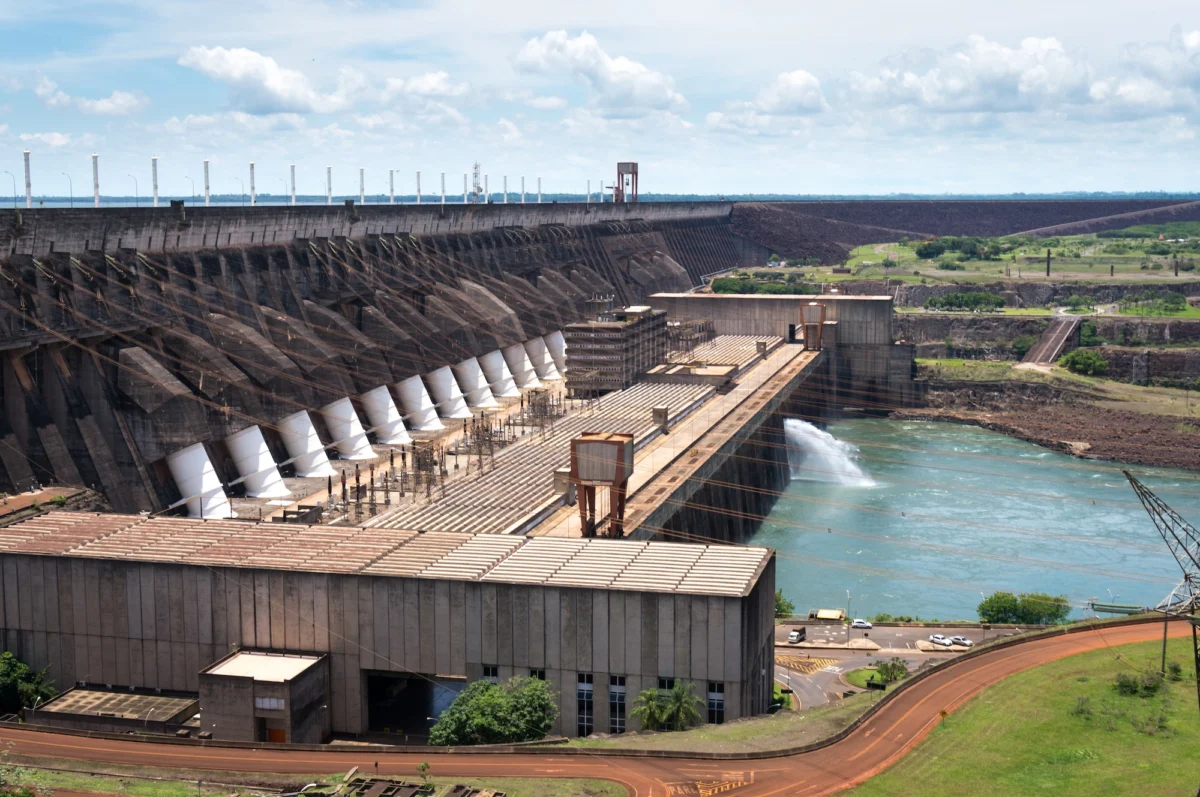
Paraguay enters the carbon market with several distinct advantages that distinguish it from its regional neighbors. Chief among these is its energy profile. Unlike many industrializing nations, Paraguay’s electricity grid is virtually 100 percent renewable, powered almost entirely by massive hydroelectric installations, most notably the Itaipu Dam. Shared with Brazil, the Itaipu Dam is one of the world’s largest producers of renewable energy, providing Paraguay with a surplus of clean power that serves as a foundation for carbon-neutral industrial growth.
This renewable baseline allows Paraguay to generate carbon credits from sectors that go beyond traditional forestry and land-use projects. While reforestation remains a pillar of the strategy, the country is exploring credits derived from the electrification of public transportation, the decarbonization of industrial processes, and the development of green hydrogen. By leveraging its hydroelectric surplus, Paraguay can offer a diversified portfolio of credits that appeal to a wide range of international buyers.
Furthermore, Paraguay’s late entry into the market has provided what officials call a "clean slate advantage." While regional giants like Brazil, Colombia, and Mexico currently dominate 70 percent of the Latin American voluntary market, they often struggle with a patchwork of subnational regulations and legacy systems that complicate national alignment with Article 6. Paraguay, conversely, has been able to build its legal framework from the ground up, ensuring that its national laws are purpose-built for the latest international standards.
Michael Berends, CEO of the global carbon market advisory firm ClearBlue Markets, noted during the forum that starting from scratch has allowed Paraguay to avoid the regulatory friction seen in other jurisdictions. However, he cautioned that the window for early-mover advantage is closing, urging the government to finalize bilateral agreements quickly to secure its place in the global supply chain.
Chronology of Regulatory Progress and International Diplomacy
The path to the 2026 Carbon Forum began in earnest in 2023 with the election of Santiago Peña, who prioritized environmental economics as a pillar of his administration.
- October 2023: The Paraguayan Congress passed Law No. 7164/23, the first comprehensive legal framework for carbon credits in the country. This law established the Ministry of the Environment and Sustainable Development (MADES) as the primary authority for the registry and certification of credits.
- May 2025: Paraguay signed a landmark bilateral agreement with Singapore. This was a critical milestone, as Singapore is one of the most active buyers of international carbon credits to meet its domestic carbon tax obligations. The agreement set the stage for the first transfer of ITMOs under Article 6.
- Late 2025: The government signed Memorandums of Understanding (MOUs) with Taiwan and the United Arab Emirates, further expanding its network of potential buyers.
- March 2026: The inaugural Paraguay Carbon Forum convened in Asunción, signaling to the world that the country’s regulatory infrastructure is now operational and open for business.
Currently, several other nations, including New Zealand, Norway, and Sweden, are in various stages of exploring carbon credit partnerships with the Paraguayan government. These nations are particularly interested in Paraguay’s ability to provide credits that meet the "high-ambition" criteria required by European and Oceanic regulators.

Socio-Economic Considerations and Domestic Challenges
Despite the optimism expressed by government and private sector leaders, the development of a carbon market in Paraguay is not without controversy. The country faces deep-seated challenges regarding land tenure and inequality. Approximately 80 percent of Paraguay’s land is held by less than 2 percent of the population, a legacy of historical land distributions that have often marginalized smallholder farmers and Indigenous communities.
Because many carbon credit projects—particularly those involving forest conservation (REDD+) or reforestation—require large tracts of land, there are concerns that the financial benefits of the market will accrue primarily to wealthy landowners and international investors. Victor Vera, a board member of the Paraguayan conservation organization OPADES, raised these concerns at the forum, noting that without specific public policies to protect and include small-scale producers and Indigenous groups, the carbon market could exacerbate existing social inequalities.
In response, government officials have stressed that the "reputational" nature of the compliance market serves as a safeguard. Under Article 6, projects must demonstrate "social safeguards" and contribute to sustainable development goals to be certified. Projects that displace local communities or fail to provide transparent benefit-sharing mechanisms risk losing their certification, rendering their credits worthless in the compliance market.
Environment Minister Rolando De Barros Barreto Acha reiterated that the market is designed to be inclusive. "This is not just about big business," he stated. "It is about creating a system where a small farmer can be compensated for preserving the forest on his land, and where the revenue from international sales is used to fund national infrastructure and climate resilience."

Implications for the Regional and Global Market
Paraguay’s aggressive pursuit of the Article 6 market is being closely watched by other developing nations. If successful, Paraguay could serve as a blueprint for how small, resource-rich countries can bypass the volatility of the voluntary market to secure stable, long-term climate financing.
The success of Paraguay’s strategy will depend on its ability to maintain high levels of transparency and avoid the "double counting" of emissions reductions—a technical pitfall where both the buying and selling country claim the same carbon credit toward their targets. To prevent this, Paraguay is investing in a robust national carbon registry that will be integrated with international tracking systems.
As the forum concluded, the message from Asunción was clear: Paraguay is no longer content to be a passive observer of the global climate transition. By aligning its legal framework with international treaties and leveraging its unique renewable energy profile, the country is positioning itself to become a primary exporter of environmental integrity. While the road ahead requires navigating complex social dynamics and rigorous international scrutiny, the financial and developmental stakes are too high for Paraguay to ignore. The transition from "natural capital" to "concrete development" has begun, marking a new chapter in the economic history of the heart of South America.
