

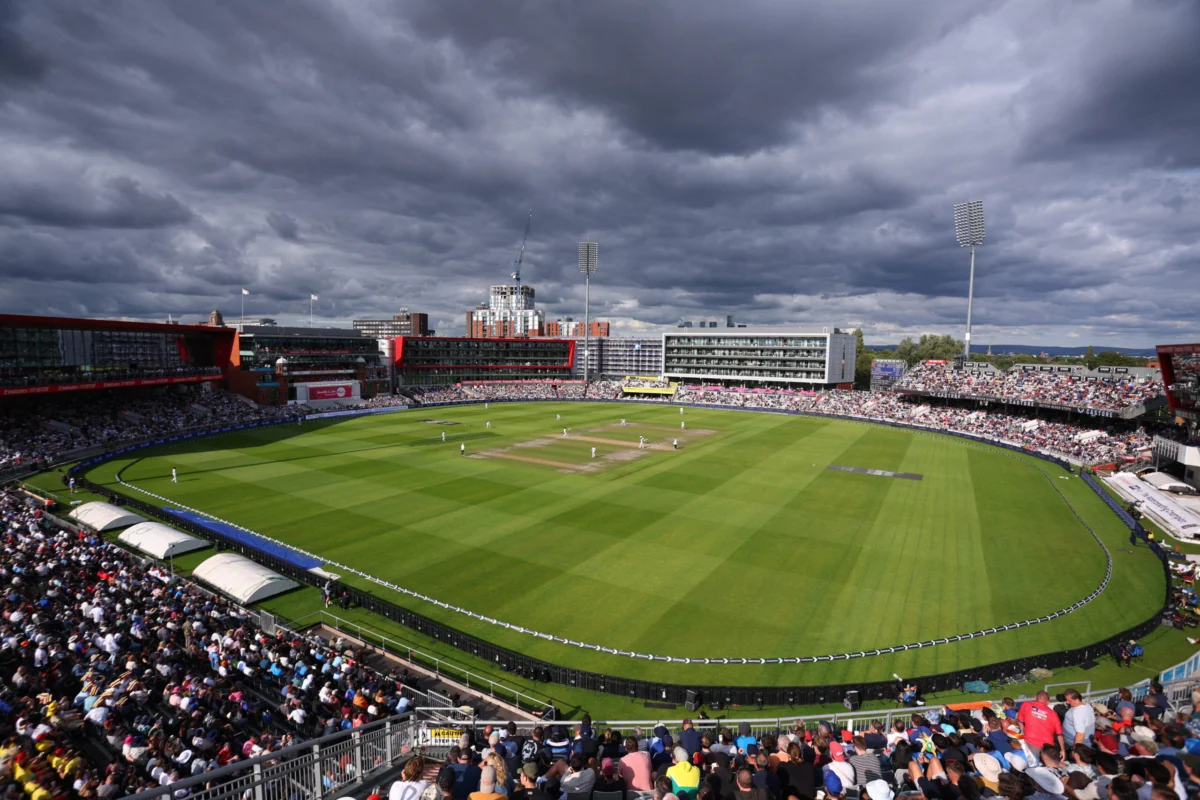
The hallowed grounds of Old Trafford in Manchester and Headingley in Leeds, venues synonymous with some of the most dramatic and historic encounters in Test cricket’s oldest rivalry, have been notably absent from the confirmed fixture list for the 2027 Ashes series. This decision by the England and Wales Cricket Board (ECB) means that all five eagerly anticipated Test matches between England and Australia next year will be exclusively staged across the Midlands and the south of England, a geographical concentration that has drawn considerable criticism, particularly from northern political figures and cricket enthusiasts.
A Rich Tapestry of Ashes History in the North
The exclusion of Old Trafford and Headingley from the 2027 schedule marks a significant departure from tradition and overlooks the profound historical contributions these venues have made to the Ashes narrative. Both grounds have served as battlegrounds for countless legendary clashes, etching indelible memories into the annals of cricket.
Headingley, the home of Yorkshire County Cricket Club, boasts a particularly illustrious Ashes pedigree. It was here, in the 1930s, that Sir Donald Bradman, widely regarded as cricket’s greatest ever batsman, carved out two of his three monumental triple centuries against England, showcasing an unparalleled dominance that still resonates today. His scores of 334 in 1930 and 304 in 1934 remain benchmarks of batting excellence and are deeply intertwined with the ground’s legacy. Decades later, Headingley witnessed another extraordinary individual performance during the iconic 1981 Ashes series, when England’s talismanic all-rounder Sir Ian Botham delivered one of the sport’s most improbable match-winning innings. Following on against Australia, Botham smashed an unbeaten 149, turning the tide of a Test England seemed destined to lose, in what became known simply as "Botham’s Ashes." The magic of Headingley resurfaced even more recently in the 2019 series, when Ben Stokes, echoing Botham’s heroics, played an unforgettable unbeaten century of 135 to guide England to an improbable one-wicket victory, a performance widely hailed as one of the greatest Test innings of all time. The roar of the Headingley crowd during that chase became a global symbol of the Ashes’ enduring drama.
Similarly, Old Trafford, the historic home of Lancashire County Cricket Club, has played its own crucial role in shaping Ashes history. This ground, known for its often-unpredictable pitches and passionate crowds, has hosted 30 Ashes Tests since 1884. It was another venue where Ian Botham starred in 1981, taking a phenomenal 6 for 95 and scoring a vital 50 runs in the first innings, contributing significantly to England’s series triumph. Old Trafford has also been the scene of many pivotal moments, including Australia’s dominant performances, such as Shane Warne’s masterclass in 1993 and Steve Waugh’s defiant double century in 1997. The ground’s unique atmosphere, often influenced by the changeable Manchester weather, has added an extra layer of intrigue to many encounters. The rich history and passionate local support at both Headingley and Old Trafford have cultivated a deep emotional connection between these venues and the Ashes rivalry, making their exclusion particularly keenly felt by fans in the North.
The Decision and Its Immediate Repercussions
The initial announcement regarding the 2027 Ashes schedule, which excluded these northern strongholds, came in 2023. At the time, the decision was met with immediate and vocal criticism. Among the most prominent voices of dissent was Andy Burnham, who was then the Mayor of Greater Manchester. Burnham, now serving as the British Prime Minister, lambasted the move, highlighting the cultural and economic importance of cricket to the North of England. His criticism underscored a widespread sentiment of disappointment and a feeling that the region was being overlooked in favour of southern venues.
Burnham’s initial reaction, as Mayor, emphasised the potential economic blow to Manchester and Leeds. Major international sporting events, such as an Ashes Test, bring a significant influx of tourists, generating substantial revenue for local businesses, including hotels, restaurants, and transport services. Beyond the direct financial benefits, hosting such prestigious matches also provides invaluable exposure for the cities on a global stage, reinforcing their identities as vibrant cultural and sporting hubs. The confirmation of the exact fixture list by the England and Wales Cricket Board on Thursday, reiterating the 2023 decision, has reignited these concerns and solidified the disappointment across the region.

The 2027 Ashes: A Southern and Midlands Affair
The confirmed schedule for the 2027 Ashes series dictates a comprehensive tour across five different venues, all situated in the Midlands and the South of England. The series will commence on June 18 at Trent Bridge in Nottingham, a venue with a long and storied history of hosting Test cricket, known for its typically true pitches and passionate crowd.
Following the opening Test, the action will move to Lord’s in London, the spiritual home of cricket, for the second Test starting on June 30. Lord’s traditionally hosts the second Test of an Ashes series in England, upholding a cherished custom. From there, the teams will travel to Edgbaston in Birmingham, where the third Test will begin on July 8. Edgbaston is renowned for its vibrant atmosphere and has often been a fortress for England.
A significant new addition to the Ashes circuit for 2027 is the Rose Bowl, located near Southampton in Hampshire. This venue will host its first-ever Ashes Test, serving as the fourth match of the series, commencing on July 21. The Rose Bowl will become only the tenth ground in the United Kingdom to stage a men’s Ashes Test, marking a new chapter in its relatively short history as an international cricket venue. Its inclusion represents a strategic move by the ECB to introduce new grounds to the Ashes rotation, potentially driven by commercial considerations and modern facilities.
The series will then conclude at The Oval in south London, with the fifth and final Test scheduled from July 29 to August 2. The Oval, another historic venue, often provides a fitting backdrop for the climax of an Ashes series, known for its lively crowds and late-season conditions that can favour spin bowling.
ECB’s Rationale and Broader Implications
While the ECB has not provided an explicit, detailed breakdown of its decision-making process for the 2027 Ashes venue allocation, several factors are generally understood to influence such choices. Commercial considerations undoubtedly play a significant role. Modern cricket venues are increasingly judged on their ability to generate revenue through corporate hospitality, premium seating, and overall spectator experience. Grounds that have invested heavily in state-of-the-art facilities, improved access, and enhanced spectator amenities may present more attractive financial bids to the ECB. The Rose Bowl, being a relatively newer venue, boasts modern infrastructure that aligns with these commercial priorities.
Furthermore, the ECB’s strategic planning often involves balancing tradition with the need to expand cricket’s reach and cultivate new markets. While Old Trafford and Headingley are steeped in tradition, the inclusion of a new venue like the Rose Bowl could be seen as an effort to spread the game’s highest profile series to different regions, even if in this instance, it has come at the expense of a significant geographical bloc. Accessibility for international teams and travelling fans, particularly proximity to major international airports, might also factor into decisions, potentially favouring southern venues.
However, the decision carries significant implications for regional economic balance and fan engagement. The absence of Ashes Tests in Manchester and Leeds represents a substantial economic loss for these cities. An Ashes Test typically draws tens of thousands of visitors over five days, leading to millions of pounds in revenue for local economies. Hotels, restaurants, bars, and transport networks all experience a significant boost. The cultural impact is equally profound; for many in the North, attending an Ashes Test is a cherished tradition, a focal point of their sporting calendar. The decision deprives a large and passionate fan base of the opportunity to witness elite Test cricket on their doorstep, potentially impacting local cricket development and interest in the sport among younger generations.

Critics argue that the ECB, as the national governing body, has a responsibility to ensure a fair geographical distribution of its most prestigious events. The concentration of all five Tests in the Midlands and South raises questions about equity and whether the commercial imperative is overshadowing the broader objective of promoting cricket across the entire country. The North of England has a deep-rooted cricketing heritage, and its exclusion from the pinnacle of Test cricket for an entire series is seen by many as a short-sighted approach.
A Look at Recent Ashes Contests and Future Commitments
The Ashes rivalry remains one of the most compelling in international sport, characterized by intense competition and fluctuating fortunes. Most recently, Australia triumphed 4-1 on home soil during the 2025-26 Ashes series, demonstrating their formidable strength in their home conditions. Prior to that, the last Ashes series played in England, in 2023, ended in a thrilling 2-2 draw, a testament to the evenly matched nature of the two sides. England’s last series success against Australia was a 3-2 home victory in 2015, highlighting the challenge they face in regaining the coveted urn.
Despite the current disappointment, there is a glimmer of hope for Northern cricket fans. The ECB has indicated that both Old Trafford and Headingley are slated to stage Ashes Tests in 2031. This commitment offers a future prospect for these iconic grounds, though it does little to assuage the immediate frustration over their 2027 exclusion. The four-year wait means a significant period without the highest-profile Test cricket for these regions.
Other Key Fixtures on England’s Cricket Calendar
Beyond the Ashes, England’s international schedule for 2027 includes other significant matches. A one-off Test against Bangladesh is scheduled to take place at Lord’s from May 28, providing another opportunity for traditional Test cricket in the capital. Furthermore, The Oval has been selected to host the 2027 World Test Championship final, with the title match set to begin on June 9. This will mark the second time the South London venue has hosted the prestigious final, underscoring its status as a premier international cricket ground.
The decision to exclude Old Trafford and Headingley from the 2027 Ashes schedule is a complex one, balancing commercial realities with historical significance and regional sentiment. While the ECB aims to evolve its venue allocation strategy, the move has undeniably caused considerable dismay in Northern England, reigniting debates about the geographical distribution of major sporting events and the enduring value of tradition in modern cricket. As the countdown to the 2027 Ashes begins, the focus will be firmly on the pitches of the Midlands and the South, even as the echoes of past glories linger in the North.
